

Planning how much money you need for a trip to Alabama starts with one key truth: this is one of the more affordable states to visit in the United States, especially when compared with coastal hotspots. Still, costs can add up quickly if you do not understand typical prices for lodging, food, transportation, and activities across the state’s cities, beaches, and small towns. Using recent price data and government per diem guidance, this guide outlines realistic daily budgets for different travel styles so you can plan with confidence.
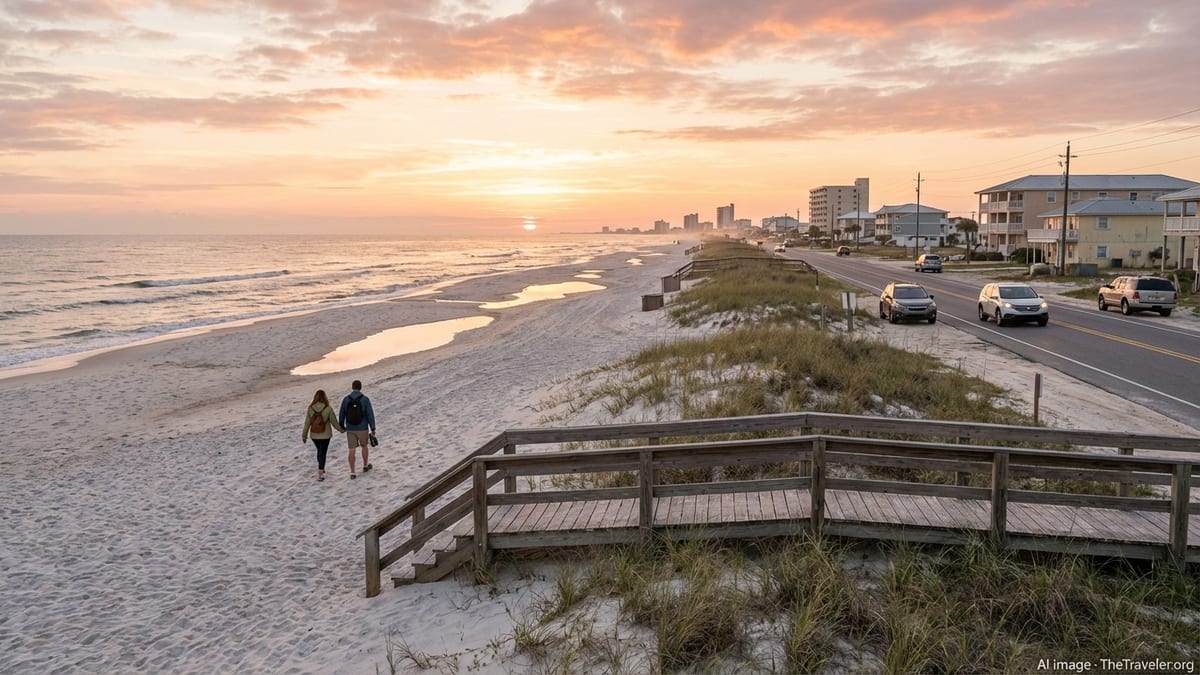
What Kind of Budget Do You Need in Alabama?
Alabama is generally less expensive than the national average for both everyday living and travel. Gasoline prices in early 2026 sit in the lower tier of all U.S. states, hovering in the mid 2 dollar range per gallon, which helps keep road trip costs relatively low. Hotel rates and food prices are also moderate outside peak beach and football weekends, which means a careful traveler can see a lot of the state without overspending.
For a lean, budget oriented trip using modest motels, some self catering, and mainly free attractions, many visitors can keep daily costs around 90 to 130 dollars per person. That assumes sharing a room, driving instead of flying between cities, and choosing casual, local eateries. It is a workable range if you are focused more on nature, small towns, and simple experiences than high end dining.
Midrange travelers who want comfortable hotels in central locations, sit down meals, and a mix of paid tours and attractions should expect to spend roughly 150 to 250 dollars per person per day, again assuming two people to a room. This bracket fits many couples and families who want some flexibility and comfort without going fully luxury.
At the higher end, if you prefer beachfront condos in Gulf Shores or Orange Beach, boutique hotels in Birmingham or Montgomery, premium rental cars, and regular restaurant dining with drinks, your spending can easily reach 300 to 450 dollars per person per day or more during peak seasons. Alabama can absolutely support a more upscale trip when you choose prime locations and higher service levels.
Understanding Lodging Costs Across the State
Lodging is likely to be the largest single line in your Alabama travel budget. State lodging tax on short stays is typically around 4 or 5 percent at the state level, depending on the county, and many cities layer on additional local hotel taxes, which can bring total tax rates into the low to mid teens. In coastal destinations and larger cities it is common for combined state, county, and city lodging taxes to reach 15 to 17 percent of the room price, which is important to factor into your nightly cost.
Government per diem guidance for Alabama in 2024 and later years shows typical business travel lodging rates in many inland counties around the 100 to 120 dollar per night mark for standard hotels, with higher caps in popular coastal counties such as Baldwin, home to Gulf Shores and Orange Beach. That gives a good reference point for what a reasonably priced but decent hotel might cost, especially outside major peak seasons.
Practically, budget hotels and motels in smaller cities and along interstate corridors often price from about 70 to 110 dollars per night before tax, though rates can be lower in very small towns or during slow periods. Midscale national brand hotels in cities like Birmingham, Montgomery, Huntsville, and Mobile frequently start around 120 to 180 dollars per night, depending on location and demand. Beachfront properties, high season weekends, and special events can push nightly prices well above 250 dollars, particularly in summer and during major festivals or holidays.
If you are considering vacation rentals, such as condos or houses near the Gulf Coast, be prepared for cleaning fees, service charges, and hospitality taxes on top of the nightly rate. Those extras can add 15 to 25 percent to your accommodation cost. On the positive side, rentals often include kitchens and laundry facilities, which can significantly reduce your food and incidental expenses over the course of a week.
Food and Drink: What You Will Spend Eating Your Way Through Alabama
Alabama is a rewarding state for travelers who like to eat well without breaking the bank. Government meal and incidental per diem guidelines for many Alabama counties cluster around the 55 to 70 dollar per day range for business travelers, which suggests that a typical visitor can comfortably cover three meals and small extras within that band if they stick to ordinary restaurants and cafes. Leisure travelers who mix in grocery store breakfasts or picnic lunches can spend less.
At the budget level, you can often find fast food combo meals around 8 to 12 dollars and simple local diners or barbecue joints offering plates in the 12 to 18 dollar range before tax and tip. If you keep breakfasts light and occasionally use supermarket prepared foods, a frugal traveler might keep daily food costs to 25 to 40 dollars per person while still sampling local specialties like fried chicken, pulled pork, or catfish.
Midrange travelers who enjoy a sit down restaurant once or twice a day should plan roughly 12 to 18 dollars per person for breakfast or lunch at a casual spot and 18 to 30 dollars per person for dinner at a decent midpriced restaurant, excluding alcoholic drinks. With coffee, soft drinks, or dessert, that pattern can easily land in the 50 to 75 dollars per day range for food and nonalcoholic beverages.
Alcohol and specialty coffee can noticeably increase your daily spend. A craft beer or glass of wine might run 6 to 10 dollars in many bars and restaurants, and cocktails can be higher in urban or upscale venues. If you enjoy drinks with dinner most nights, add at least 10 to 20 dollars per day to your budget. Beachfront bars and resort areas may price drinks at the top of that range, especially during peak visitor seasons.
Getting Around: Transportation Costs in Alabama
Most visitors find that renting a car is the most practical way to explore Alabama, especially if you want to visit smaller historic towns, state parks, or the Gulf Coast. Daily base rates for rental cars fluctuate with demand, but in recent years compact and midsize cars often price between 40 and 70 dollars per day before taxes, fees, and optional insurance, with higher prices at busy airports or during holidays. Adding extra drivers, choosing a larger vehicle, or paying for full insurance coverage can raise daily costs considerably.
Once you are on the road, relatively low fuel prices by national standards help keep costs down. Recent analyses place Alabama among the cheaper states for gasoline, with average per gallon prices in early 2026 in the mid 2 dollar range. For a typical road trip where you drive 100 to 150 miles per day in a reasonably efficient car, that may translate into 8 to 15 dollars in fuel each day, assuming average fuel economy. Long coastal detours or cross state drives will require additional budget.
Within cities, you may be able to rely partially on rideshare services and limited public transit instead of renting a car, particularly in downtown Birmingham, Huntsville, or Mobile. Rideshare fares can be moderate for short hops, but they will add up quickly if you are doing multiple cross town trips every day. For most visitors, a blended approach works best: walk in compact downtown areas, use rideshare for evenings out, and rely on a rental car for regional excursions.
If you are flying in from out of state, factor in the cost of airfare to one of Alabama’s primary airports such as Birmingham, Huntsville, Montgomery, or Mobile. Airfare is highly variable, but booking several months ahead and being flexible on travel dates usually yields better prices. Remember to budget for parking or ground transportation at both ends of your flight, which can add another 20 to 60 dollars to the overall cost of your travel day.
Activities, Attractions, and Hidden Trip Costs
Many of Alabama’s standout experiences are either free or very low cost, which helps keep total trip expenses manageable. You can stroll historic districts, visit public beaches, hike in state parks, or explore scenic byways without paying more than nominal parking or entrance fees. State park day use fees and parking at popular outdoor areas are usually modest compared with many other states, though specific amounts vary by site and season.
Museums, historic homes, and cultural attractions in cities such as Birmingham, Montgomery, and Mobile often charge admission. Individual tickets might run anywhere from a few dollars for small local museums to 15 or 25 dollars for major institutions or special exhibitions. Families should expect that a full day of paid sightseeing for two adults and one or two children in a city could total 60 to 120 dollars in admission fees, depending on where you go.
On the Gulf Coast, guided activities like dolphin cruises, fishing charters, and kayak or paddleboard rentals will add to your budget. Half day excursions commonly cost from 40 to 100 dollars per person, while private fishing charters and high end experiences can be significantly more. Booking ahead during the busiest summer weeks is wise, and early booking sometimes secures slightly better pricing or ensures availability at your preferred time.
Do not forget less obvious line items such as parking, tolls on certain regional roads, resort fees at some hotels, and taxes on excursions or tickets. Hotels in downtown cores may charge daily parking fees, and beachfront properties sometimes add resort style charges that cover amenities like pool use or on site entertainment. Reading the fine print before you book helps avoid surprises and keeps your spending close to your original budget.
Sample Daily Budgets: From Frugal Road Trips to Beach Vacations
Because Alabama offers everything from inland small towns to rapidly developing tech cities and busy beach resorts, it helps to think in terms of travel profiles and sample daily budgets rather than a single statewide figure. For a budget conscious road trip through cities like Birmingham, Montgomery, and smaller communities, you might share a basic motel room for 90 to 110 dollars including tax, spend 30 to 40 dollars per person on food with a mix of diners and groceries, allocate 10 to 15 dollars for gas, and reserve 10 to 20 dollars for occasional museum entry or parking. Split between two travelers, that can yield a daily cost as low as 90 to 130 dollars per person.
A midrange city based stay with a comfortable, centrally located hotel at 150 to 190 dollars including taxes, meals at midpriced restaurants and cafes totaling 60 to 80 dollars per person per day, moderate rideshare or parking costs, and at least one paid attraction per day might run 180 to 260 dollars per person, assuming two people in the room. That range allows for a couple of drinks, coffee breaks, and incidental purchases without feeling overly constrained.
For a peak season beach holiday on the Gulf Coast, the numbers increase. A well located condo or hotel room might cost anywhere from 220 to over 300 dollars per night with taxes and fees in high summer. Add 60 to 90 dollars per person per day for food and drinks in a resort environment, 15 to 25 dollars for fuel and parking, and 40 to 80 dollars per person for boat tours, rentals, or other activities, and it becomes easy to reach 300 to 450 dollars per person per day, especially for shorter, activity packed stays.
Families can often reduce per person costs by sharing accommodation and preparing some meals in rentals with kitchens. A family of four renting a two bedroom condo for 260 dollars per night might effectively pay 65 dollars per person for lodging, then share groceries and cook breakfasts and several dinners. Even with a couple of special restaurant meals and paid excursions, that style of trip can bring the per person daily average closer to the midrange city budget than to the most expensive coastal scenarios.
Seasonality, Events, and How to Control Your Alabama Travel Costs
When you choose to visit Alabama can be as important as how you travel in determining your final trip cost. Coastal demand peaks in late spring and summer, as well as during school breaks and major holidays, when hotel and rental rates surge and availability tightens. Inland cities experience their own peaks tied to college football games, festivals, and conferences, which can temporarily push accommodation prices higher and reduce your options.
Visiting during shoulder seasons, such as late winter, early spring, or late fall, often brings more moderate room rates and quieter attractions, especially on the coast. While weather can be less predictable in these periods, the trade off in lower nightly prices and smaller crowds appeals to many value focused travelers. Weeknight stays, even in busy months, are frequently cheaper than Friday and Saturday nights, so adjusting your schedule by a day or two can translate directly into savings.
To keep your Alabama travel budget under control, book accommodations as early as practical for peak times, pay attention to all taxes and fees before you finalize reservations, and compare a few different cities or neighborhoods. In some metro areas, staying slightly outside the downtown core can significantly reduce your nightly costs while still leaving you within a short drive of key attractions. Similarly, choosing a rental with a kitchen and laundry can offset a higher nightly rate through reduced restaurant and baggage fees.
Finally, build a small contingency cushion into your budget to handle unexpected expenses such as car repairs, last minute itinerary changes, or weather related adjustments, especially during hurricane season on the Gulf Coast. A reserve of even 10 to 20 percent above your planned total can provide peace of mind and keep an unplanned cost from turning an otherwise affordable Alabama trip into a financial strain.
The Takeaway
For most travelers in 2026, a comfortable rule of thumb for an Alabama vacation is to plan on 100 to 250 dollars per person per day, depending on your travel style, destination mix, and appetite for paid activities. You can spend less by favoring inland cities and state parks, driving efficient routes, and cooking some of your own meals. You can also spend considerably more by choosing peak season coastal rentals, premium dining, and frequent guided excursions.
Alabama rewards advance planning. Understanding how state and local taxes affect lodging, using per diem style figures to frame your food budget, and realistically estimating transportation and activity costs all help you set a budget that matches your expectations. With a clear idea of what you are likely to spend and where you can adjust, you can enjoy the state’s beaches, music, civil rights history, and outdoor landscapes without feeling surprised by the final bill.
Ultimately, how much money you need for a trip to Alabama depends less on a fixed statewide number and more on the type of trip you create. Whether you design a frugal road adventure through small towns or a weeklong coastal escape with all the extras, Alabama offers enough flexibility that most travelers can find a balance between memorable experiences and a manageable budget.
FAQ
Q1. Is Alabama generally cheaper to visit than other U.S. states?
Yes, in many cases Alabama is more affordable than the national average, particularly for gas, everyday meals, and nonluxury hotels, though coastal and peak season stays can still be pricey.
Q2. How much should I budget per day for a basic Alabama trip?
For a budget focused trip with shared motel rooms, simple meals, and mostly free attractions, plan roughly 90 to 130 dollars per person per day.
Q3. What is a realistic daily budget for a midrange Alabama vacation?
Many travelers who want comfortable hotels, sit down meals, and some paid attractions find that 150 to 250 dollars per person per day is a workable range.
Q4. Are beach towns like Gulf Shores much more expensive?
Yes, Gulf Coast destinations typically have higher lodging rates and more resort style pricing, especially in summer and on holiday weekends, which can push daily budgets above 300 dollars per person.
Q5. How much will I spend on food each day in Alabama?
Frugal travelers who mix casual eateries with groceries might spend 25 to 40 dollars per day on food, while midrange visitors often land between 50 and 75 dollars.
Q6. Do I need a rental car to keep costs down?
In most cases, renting a car is the most cost effective way to explore Alabama beyond a single city, given relatively low fuel prices and limited long distance public transit.
Q7. How do lodging taxes affect my hotel bill?
State lodging tax is around 4 or 5 percent, and many cities add local hotel taxes, so your final room cost can be 10 to 17 percent higher than the base nightly rate.
Q8. When is the cheapest time to visit Alabama?
Visiting in shoulder seasons such as late winter, early spring, or late fall, and avoiding major events or holiday weekends, usually offers lower lodging rates and fewer crowds.
Q9. How much cash should I carry versus using cards?
Most places accept cards, but carrying a modest amount of cash for tips, small local businesses, and parking meters is practical, especially in smaller towns.
Q10. How long can I stay in Alabama on a modest budget?
If you plan carefully, a traveler spending around 120 dollars per day could reasonably enjoy a week in Alabama for under 1,000 dollars before airfare.