

More news on this day
New faces at the top of Norwegian Cruise Line Holdings are turning a corporate reshuffle into something travelers will feel on the pool deck, in the dining room and on future itineraries.
Get the latest news straight to your inbox!
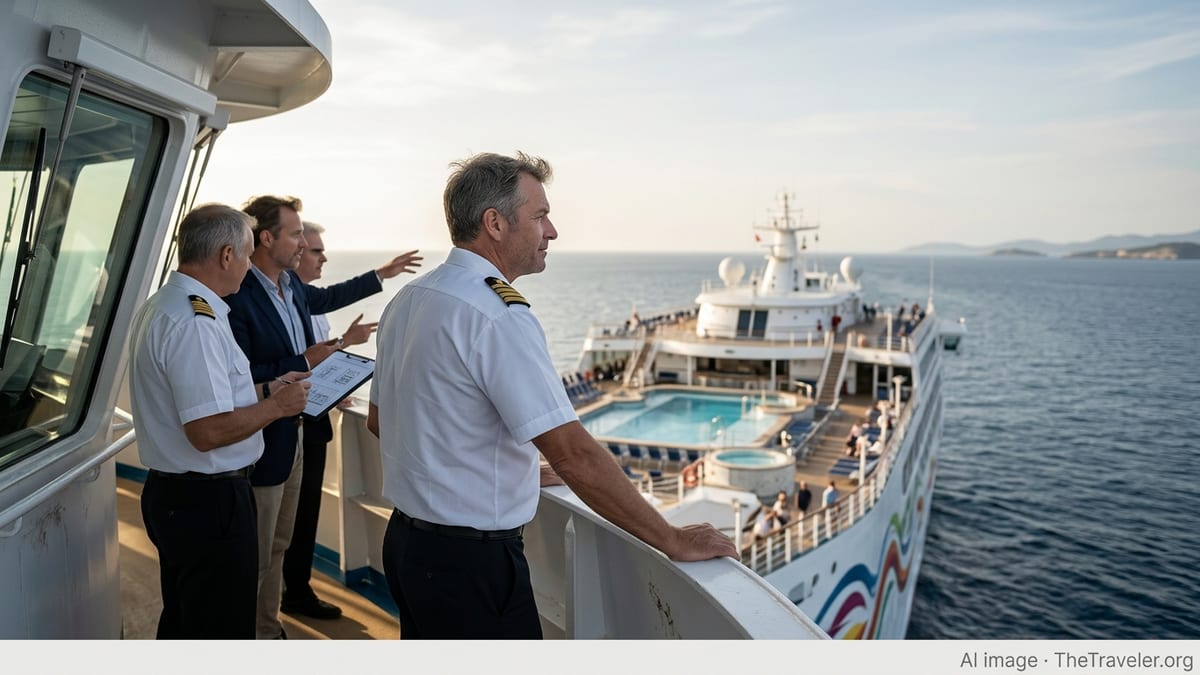
A New Captain on the Bridge at NCLH
Norwegian Cruise Line Holdings, the parent of Norwegian Cruise Line, Oceania Cruises and Regent Seven Seas Cruises, has undergone a rapid series of leadership changes that are reshaping its long term course. After several years of steering by Harry Sommer, who emphasized a strategy built around product, people and partnerships, the company has moved to install John W. Chidsey as president and chief executive officer, marking a notable shift from a cruise industry insider to a leader with deep experience in global consumer brands and franchised operations.
Published coverage of the transition indicates that Chidsey, known for previous leadership roles at fast food giants, has been brought in to sharpen financial discipline and scale oriented thinking at a time when Norwegian is adding new ships and expanding destinations. For travelers, that change is more than a corporate headline. It influences how aggressively the company pursues growth, how it balances debt reduction with onboard investment and how it positions its three brands against increasingly competitive rivals.
Company filings and recent board announcements also show a broader refresh in NCLH’s governance, including new independent directors and cooperation agreements with activist investors. These shifts often come with heightened pressure to improve margins and shareholder returns. The practical question for guests is whether that pressure translates into higher prices and more fees, or into smarter cost control behind the scenes that preserves or even enhances the onboard product.
The timing matters. NCLH is coming off record revenues and improved profitability, with a full schedule of new tonnage and a renewed push into key markets. Incoming leadership inherits strong booking trends but also elevated leverage and a crowded global cruise orderbook, making each decision about pricing, deployment and onboard spending especially consequential for upcoming vacations.
Brand-Level Shakeups and What They Mean Onboard
The changes do not stop at the holding company. At the Norwegian Cruise Line brand itself, executive roles have shifted from David Herrera, who exited the presidency in 2025, to an interim period under Harry Sommer, and then to a new dedicated president, Marc Kazlauskas, in early 2026. Publicly available corporate reports describe Kazlauskas as a veteran of premium and luxury cruise segments, suggesting that Norwegian may lean more heavily into service consistency and perceived value, even as it competes in the mass market.
For guests, that leadership handoff can influence everything from entertainment lineups to how aggressively the line discounts fares. Under previous regimes, Norwegian pushed its “Freestyle” model, expanded extra charge dining and refined packages for drinks and Wi-Fi. Future decisions by the new brand president and the holding company’s chief executive will determine whether the pendulum swings toward more inclusive pricing, additional surcharges, or a recalibration of what is bundled for different cabin categories.
Leadership experience in finance and strategy is also likely to shape onboard revenue priorities. Reports indicate that NCLH has been focused on raising onboard spend per passenger through specialty dining, shore excursions and premium experiences. Travelers booking for 2026 and beyond may encounter more curated add ons, dynamic pricing for popular venues and targeted offers delivered through the company’s apps and pre cruise portals, all rooted in decisions made in the boardroom.
At the same time, a president with a background in premium segments may seek to differentiate Norwegian from discount focused rivals by reinvesting in staffing levels, cabin maintenance and service training. Returning cruisers will be watching for signs of shorter bar lines, faster dining room service and smoother embarkation, all of which depend on how leadership allocates resources across the fleet.
Strategy, New Ships and the Ports You Will Visit
Norwegian Cruise Line Holdings has laid out a multi year growth plan that includes a pipeline of new ships for all three of its brands and infrastructure investments at destinations such as Great Stirrup Cay in the Bahamas. Previous statements from the company under Sommer highlighted this long term vision, and recent filings show that the new leadership remains committed to a significant expansion of capacity through the end of the decade.
For travelers, that expansion means more itinerary choice, potentially less crowding on popular voyages and the arrival of new ship classes designed around current trends. Orders for larger vessels signal more expansive pool decks, upgraded spa facilities, high tech entertainment spaces and an increased number of solo and suite accommodations. The leadership team’s priorities will determine whether those new builds lean more toward family focused amenities, adults only retreats, or higher end suites that command premium fares.
Port development strategy is another area where boardroom decisions directly reach the beach. Investments in private destinations and enhanced pier facilities can translate into shorter tender times and more hours ashore. If NCLH’s refreshed leadership follows through on plans for multi ship berths and upgraded infrastructure, guests may see smoother arrivals at heavily trafficked private islands and marquee ports, turning what can be a pain point into a competitive selling feature.
Ship deployment is also likely to be influenced by the company’s new financial and strategic lens. Strong demand in regions such as the Caribbean and Mediterranean, balanced against geopolitical considerations and fuel costs, will drive decisions about where new ships are based and which older ships are reassigned or chartered out. Travelers booking far in advance should pay attention to redeployment notices, as leadership teams focused on yield optimization may adjust schedules to chase the most profitable markets.
Sustainability, Fuel Choices and the Future of “Greener” Cruising
NCLH’s executive reshuffle arrives as the cruise industry faces intensifying pressure to cut emissions and demonstrate credible paths toward climate targets. The company has announced multi year fuel supply agreements and highlighted plans to trial renewable marine fuels, including advanced biofuels and potentially methanol, beginning later in the decade. Leadership choices will influence how quickly those pilots expand from a few voyages in Europe to widespread deployment across the fleet.
For vacationers, these initiatives may first be noticed in marketing materials that emphasize lower carbon sailings and partnerships with ports investing in shore power. Over time, however, sustainability decisions can shape itinerary planning, with ships favoring ports that can support cleaner fuels or cold ironing, and gradually phasing out calls at destinations that cannot match emerging regulatory requirements.
New leadership teams also have to decide how much of the cost of cleaner operations gets passed directly to guests. While there is little sign yet of explicit “green surcharges,” rising fuel and compliance costs may be reflected in overall fare levels or in the pricing of certain itineraries. Guests comparing lines will find that NCLH’s stance on environmental investment, transparency around progress and integration of sustainability into ship design are increasingly part of the value equation when choosing a cruise.
Onboard, environmentally focused changes may appear in smaller ways, such as expanded water refill stations, more visible waste sorting, reduced single use plastics and digital rather than paper communications. The pace and consistency of these adjustments across the fleet will be another indicator of how seriously the reconfigured leadership ranks treat their environmental roadmap.
What Savvy Cruisers Should Watch Next
With new executives in place at both the holding company and brand levels, Norwegian Cruise Line guests have a front row seat to how corporate strategy translates into vacation reality. Seasoned cruisers often track changes in leadership because they tend to precede shifts in onboard experience, from entertainment and food quality to cabin refurbishment programs.
Travelers planning future sailings with Norwegian, Oceania or Regent may want to watch upcoming financial disclosures, product announcements and ship deployment updates for clues about the company’s priorities. Signals such as increased investment in refurbishing older vessels, a tilt toward longer or more exotic itineraries, or a repositioning of private island experiences can all reflect choices made by the incoming chief executive and board.
Guest feedback, shared through review platforms and social media, will play an important role in how these strategies are refined. Public coverage of the company’s earnings calls and investor presentations routinely highlights guest satisfaction metrics alongside financial results, and leadership teams under heightened scrutiny often respond quickly to patterns in those scores.
The bottom line for vacationers is that NCLH’s leadership overhaul is not an abstract Wall Street story. It is a real time experiment in how a major cruise company balances financial goals, competitive pressures and guest expectations. The outcomes will be felt in the price you pay for your next balcony cabin, the choices you find in the main dining room and the ports you wake up to as the sun rises over the horizon.