

More news on this day
Norwegian Cruise Line Holdings is in the midst of its most consequential leadership reshuffle in years, a boardroom evolution that could directly influence the ships, itineraries, and onboard experiences awaiting cruise travelers over the next decade.
Get the latest news straight to your inbox!
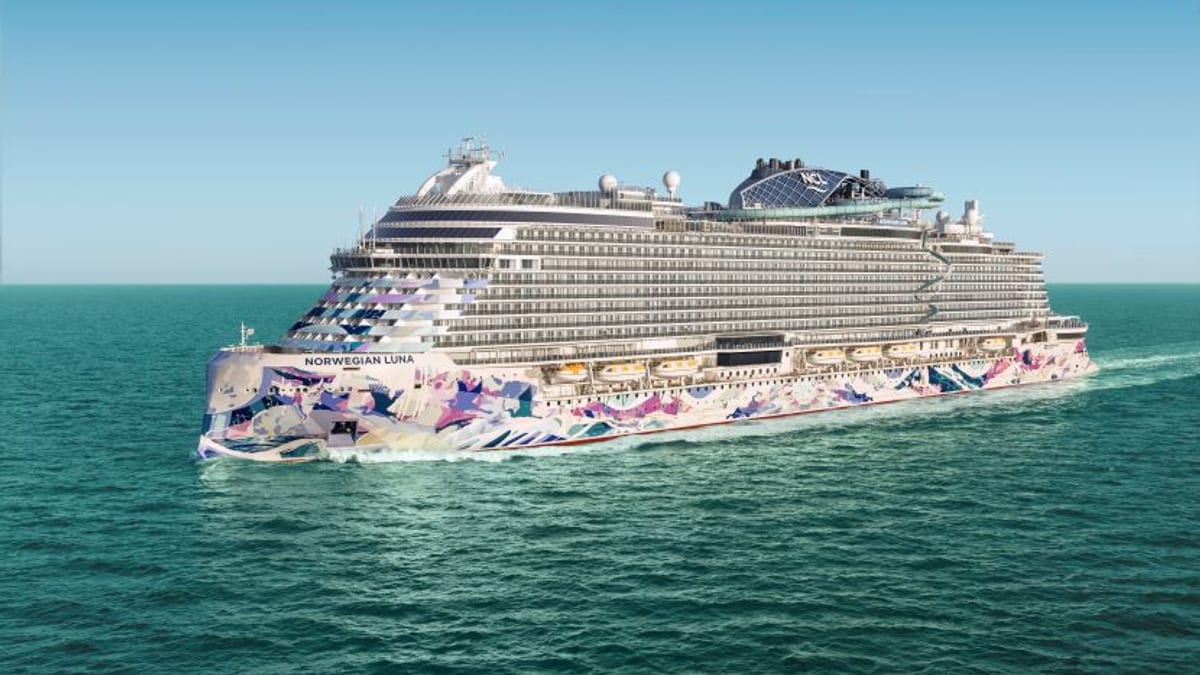
Image by International Cruise News: Latest Cruise Line & Cruise Ship News
A New Captain on the Bridge at NCLH
Norwegian Cruise Line Holdings, parent company of Norwegian Cruise Line, Oceania Cruises, and Regent Seven Seas Cruises, has moved quickly through a series of senior leadership changes that are redefining how the group is run. Publicly available filings and industry coverage indicate that former Subway chief executive John W. Chidsey has stepped into the top job at NCLH following the departure of longtime cruise executive Harry Sommer from the chief executive role. Chidsey had already been serving on the company’s board, positioning him as a known quantity to directors seeking a fresh operational approach.
Reports describe the transition as part of a broader strategic reset aimed at addressing investor concerns about debt, profitability, and competitive positioning relative to larger rivals. With an activist shareholder campaign pressing for stronger performance, the new chief executive is expected to focus closely on margins, returns on new ship investments, and more disciplined deployment of the fleet across key markets.
The appointment continues a pattern of leadership refresh across the group’s three brands. In recent months, Norwegian Cruise Line gained a new brand president in Marc Kazlauskas, while the luxury division saw Jason Montague take on a senior leadership role over high-end offerings. Taken together, the moves suggest that NCLH is trying to align boardroom decision-making more tightly with distinct brand strategies targeting very different types of guests.
For travelers choosing a cruise, the names on the executive roster can seem distant. Yet at a company with billions committed to new ships and a complex global network of itineraries, leadership priorities tend to ripple quickly into the kinds of vacations that end up on sale.
What Leadership Priorities Mean for Pricing and Value
Recent earnings updates and analysis from financial news outlets highlight two realities for NCLH: strong demand and persistent pressure from high interest costs and elevated debt. Meeting or modestly beating operational expectations has not fully silenced questions about long-term profitability. A new leadership team under Chidsey is widely expected to lean into cost control and sharper revenue management, trends that matter for what guests ultimately pay.
On the pricing side, this can manifest in more dynamic fares and a closer linkage between ship occupancy and discounts. Travelers may see fewer deep, last-minute cuts on in-demand sailings, with the company instead steering guests toward shoulder-season departures and newer destinations where capacity is still building. Value may increasingly be packaged into promotions that bundle Wi-Fi, beverages, and specialty dining rather than broad across-the-board fare reductions.
Cost discipline at the corporate level may also push the company to reshape what is included in the base fare versus what is sold as an add-on. Over recent years, cruisers have become accustomed to paying extra for everything from specialty coffee to premium loungers. Under leadership focused on returns, that trend is unlikely to reverse. However, to remain competitive, Norwegian and its sister brands will be under pressure to demonstrate that surcharges are matched by noticeably upgraded experiences and service.
For repeat guests and newcomers alike, the practical takeaway is that careful comparison shopping will matter even more. As NCLH’s leadership works to improve financial metrics, travelers willing to be flexible on dates, ship, and cabin type are likely to find the best balance between price and perks.
New Ships, New Classes, and a Younger Fleet
Beyond the corner office, one of the clearest signals of NCLH’s future direction is its growing orderbook. Cruise industry data compiled over the past year shows the company now committed to around 14 new ships across Norwegian, Oceania, and Regent to be delivered over the next decade. That pipeline includes expansions of the Prima and Prima Plus classes for Norwegian and new vessels for the ultra-luxury and upper-premium brands, all aimed at keeping the fleet young and energy efficient.
For passengers, the leadership emphasis on modern hardware translates into more contemporary design, expanded suite products, and increasingly elaborate top-deck attractions. Flagship Norwegian ships are expected to continue leaning into big-resort features, with waterparks, experiential dining, and expanded entertainment spaces. At the same time, Oceania and Regent are slated to receive vessels tailored to culinary enthusiasts and luxury seekers, with a focus on spacious accommodations and destination-intensive itineraries.
Strategy reports and shipyard announcements indicate a specific push to lower the average age of the fleet by the end of the decade. Younger ships typically mean more power-efficient engines, advanced waste-treatment systems, and technologies that help meet tightening environmental regulations. That focus is not purely regulatory; it also frees up more of the company’s budget over time for visible guest-facing upgrades rather than behind-the-scenes maintenance.
As NCLH’s leadership team signs off on each new build and refurbishment program, travelers can expect additional differentiation between brands and even between ships within each brand. Prospective cruisers may find it increasingly important to check not just the line, but the specific ship and class when deciding which sailing best matches their expectations for space, amenities, and atmosphere.
Shifts in Itineraries, Loyalty, and Onboard Experience
Leadership changes are also intersecting with a broader strategic rethink of where NCLH deploys its ships and how it keeps guests within the wider three-brand ecosystem. Fleet management reports from 2025 show the company moving vessels between Norwegian, Oceania, and Regent to better align ship size and style with routes and demographics, while bringing down average fleet age in each segment over time.
For travelers, this can mean seeing familiar ships reintroduced under a different flag, or new itineraries appearing in regions where the group sees higher yields. Some seasonal programs have already been adjusted or canceled as NCLH repositions tonnage, a sign that leadership is scrutinizing underperforming deployments and searching for more profitable alternatives.
At the same time, the company has rolled out a cross-brand loyalty recognition initiative, allowing status earned with Norwegian’s Latitudes Rewards, Oceania Club, or Regent’s Seven Seas Society to be honored across the portfolio on sailings departing from late 2025. While benefits vary by brand, the policy underscores a leadership push to treat the three lines as a connected ecosystem, encouraging guests to try different styles of cruising without feeling they are starting from zero.
Onboard, travelers can expect incremental changes rather than overnight transformations. Newly appointed brand leaders are likely to experiment with refined dining concepts, entertainment partnerships, and wellness programming that match their target clientele. Norwegian’s leadership has already signaled an intent to position the brand as a more “elevated” contemporary product, while Oceania and Regent sharpen their focus on culinary and inclusive luxury experiences, respectively. How successfully these initiatives land will depend in part on execution by shipboard teams, but the broad direction is being shaped in the boardroom now.
What Savvy Cruisers Should Watch Next
For prospective guests trying to understand what NCLH’s boardroom developments mean in practice, several indicators over the coming months will be worth monitoring. Analysts are watching closely to see whether the new leadership can sustain strong booking trends while gradually improving net yields and reducing leverage. Should financial metrics improve, travelers could see more investment in new itineraries, private destinations, and onboard innovations that directly enhance the vacation experience.
Another area to watch is how aggressively NCLH competes on headline pricing against Royal Caribbean Group and Carnival Corporation. If the new executive team leans toward premium positioning with more included perks, Norwegian sailings could continue to feel slightly higher priced but richer in inclusions. Conversely, if leadership prioritizes filling ships above all else, bargain hunters may find more flash sales and regional promotions, particularly on older vessels and shoulder-season routes.
Environmental commitments and sustainability reporting will also offer clues about longer-term priorities. With a younger fleet on the way and pressure from regulators and ports, leadership decisions around alternative fuels, shore power, and emissions-reduction technologies will influence where ships can sail and how ports welcome them. These choices increasingly resonate with guests weighing the environmental footprint of their vacations.
Ultimately, the recent leadership reshuffle at Norwegian Cruise Line Holdings is about more than corporate titles. For travelers booking a Caribbean getaway, a cross-Atlantic voyage, or a once-in-a-lifetime luxury itinerary, the decisions being made in NCLH’s boardroom today are likely to shape everything from cabin design and onboard cuisine to loyalty perks and the final price on the booking screen.