

More news on this day
A new generation of aviation maintenance technicians is entering the hangar with different expectations, prioritizing positive workplace culture alongside pay and progression, and quietly reshaping how airlines, repair stations, and training programs think about the job.
Get the latest news straight to your inbox!
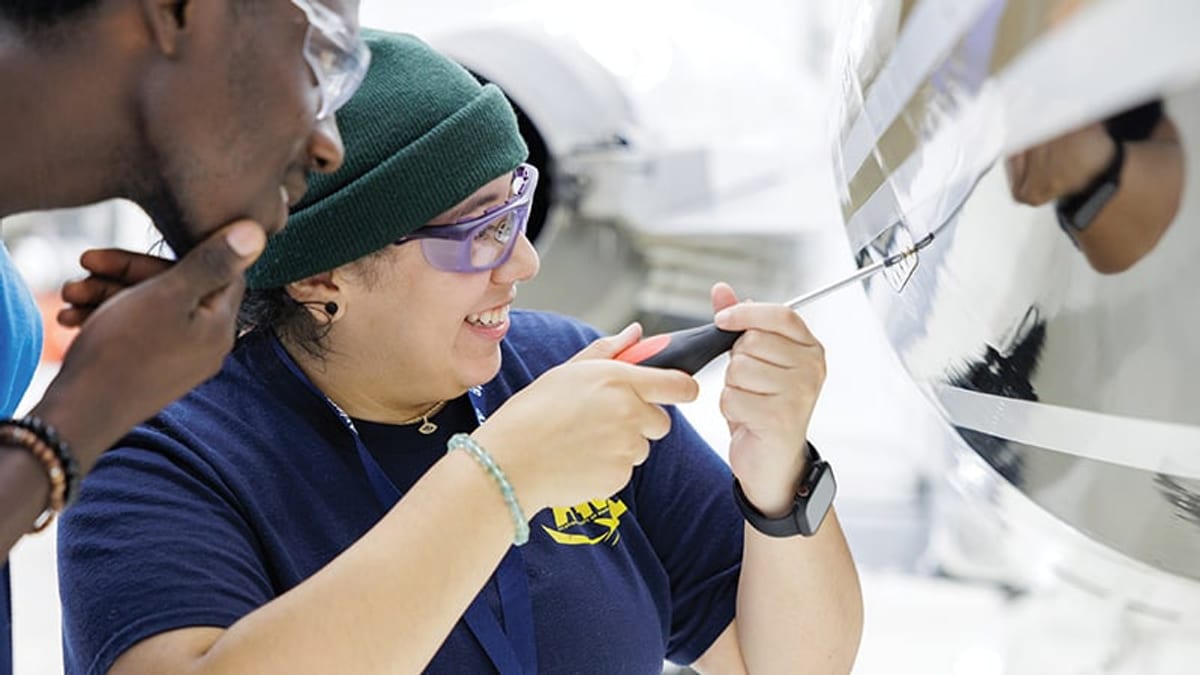
Image by AWN RSS by content source
A Shortage That Gives New Technicians Leverage
Aviation maintenance has moved to the center of the industry’s workforce conversation as reports indicate a persistent shortage of qualified aircraft maintenance technicians worldwide. Industry analyses and congressional testimony describe an aging workforce, a limited training pipeline, and rising demand for maintenance, repair, and overhaul services that outpaces current staffing levels. The imbalance is giving newly qualified technicians more leverage to evaluate not just pay scales but the culture of the organizations courting them.
Forecasts from aviation consultancies and government briefings suggest that unfilled maintenance positions could number in the tens of thousands in the United States alone within a few years if current trends continue. At the same time, business and commercial aviation operators report that competition for experienced mechanics has intensified, particularly at busy hubs and major repair centers. Against this backdrop, entry level technicians are discovering that they can be selective about where they work, using culture as a key filter.
Publicly available salary surveys and recent business press coverage highlight that top roles in aviation maintenance can now command six figure compensation, especially for technicians who accumulate type ratings and supervisory responsibility. Yet the narratives emerging from professional forums and trade coverage show that many new AMTs weigh scheduling, respect from management, and safety support at least as heavily as headline pay when choosing between offers.
This shift reflects a broader labor market reality. Younger workers in technical trades are entering a high demand field at the same time that other industries are also bidding aggressively for mechanically minded talent. Aviation employers that once relied on the prestige of working on aircraft are discovering they must compete on culture if they hope to keep new hires on the maintenance line.
Training Pipelines Emphasize Supportive Learning Environments
The culture shift begins before technicians ever sign on with an airline or repair station. Community colleges and technical schools have expanded aviation maintenance programs with an explicit focus on student support, according to grant documentation and state level economic development coverage. New facilities, FAA certified curricula, and outreach to underrepresented communities are framed not only as workforce solutions but as efforts to create more inclusive and sustainable training environments.
Federal Aviation Administration workforce development grants, revived and expanded under recent appropriations, are channeling millions of dollars into AMT programs nationwide. Program descriptions highlight mentorship, career exploration, and partnerships with local employers as core elements, reflecting a recognition that students are more likely to persist in demanding technical training when they feel seen, supported, and connected to clear career paths.
In several states, publicly funded initiatives describe aviation maintenance technology centers as community anchors where future technicians can experiment with composite repairs, avionics troubleshooting, and powerplant work in modern, well lit spaces. Promotional material frequently spotlights collaboration areas, break rooms, and student organizations alongside aircraft and tooling, an implicit signal that the social environment is part of the value proposition.
This investment in supportive learning culture feeds directly into workplace expectations. Graduates who experienced structured mentorship, predictable lab schedules, and clear communication in school often view disorganized, punitive, or opaque hangar environments as avoidable rather than inevitable, and are more willing to leave employers that fall short.
Gen Z Technicians Push for Respect, Flexibility, and Safety
Industry conferences and training events in recent months have focused intently on the arrival of Gen Z in aircraft maintenance roles. Presentations summarized in trade press describe a cohort that is digitally fluent, pragmatic about career mobility, and less tolerant of the long hours and harsh communication styles that older technicians may have accepted earlier in their careers.
Reports from maintenance and training forums suggest that new AMTs are particularly alert to how supervisors handle safety concerns and documentation pressure. Younger technicians are more likely to walk away from workplaces where they feel rushed to sign off work without sufficient time or resources, or where raising a concern is interpreted as a lack of toughness rather than a commitment to safety. This stance indirectly reinforces the safety culture that regulators and airlines publicly promote.
Work life balance also looms larger. While round the clock operations remain a reality for many maintenance organizations, technicians entering the field increasingly ask detailed questions about shift patterns, mandatory overtime, and rotation policies. Employers that can offer stable schedules, transparent bidding systems, or creative benefits such as education support and wellness programs often highlight these elements in their recruiting materials.
At the interpersonal level, new technicians tend to value collaborative problem solving over strictly hierarchical communication. Industry commentary notes that when experienced AMTs take time to coach rather than simply correct, retention improves. In hangars where supervisors are trained in modern leadership and feedback techniques, companies report lower turnover among early career technicians and smoother adoption of new digital tools.
Employers Reframe Culture as a Competitive Asset
For employers, the mounting evidence is that culture is no longer an intangible afterthought but a concrete competitive factor. Consultancy reports on maintenance operations point out that the loss of experienced mentors, combined with rapid fleet and technology changes, makes it harder to bring new hires up to full productivity. Organizations that cultivate patient, structured on the job training and protect time for learning are finding that they recoup the investment through higher retention and improved reliability metrics.
Public case studies from airlines, maintenance, repair and overhaul providers, and regional training hubs increasingly highlight initiatives such as safety reporting systems without retaliation, peer mentoring programs, and joint labor management committees focused on working conditions. These efforts are framed as ways to align workplace reality with the values of new technicians who want to advance their skills without sacrificing health or family life.
Some observers caution that not all employers have embraced the shift. Commentary from technicians in online communities frequently distinguishes between organizations that meaningfully address scheduling, pay compression, and communication gaps and those that respond only with branding campaigns. In environments where chronic understaffing persists and technicians perceive that management does not act on feedback, dissatisfaction and attrition remain high despite rising wages.
Still, the direction of travel appears clear. As the maintenance workforce tightens and new AMTs become more vocal about their priorities, aviation companies that invest in positive workplace culture are positioning themselves to become destinations of choice. Those that do not may discover that even generous signing bonuses cannot compensate for a hangar environment that feels unsafe, disrespectful, or unsustainable.
Technology and Culture Converge on the Hangar Floor
Technology is also reshaping expectations inside the hangar. Research on maintenance, repair, and overhaul operations points out that technicians often spend significant portions of their shift searching manuals and navigating legacy documentation systems. New tools that streamline access to procedures, integrate digital work cards, and reduce repetitive data entry are marketed as both productivity boosters and quality of life improvements.
For new AMTs raised on mobile devices and instant information, employers that adopt user friendly maintenance software, robust wireless connectivity, and modern diagnostic equipment signal that they value technicians’ time and cognitive load. Conversely, workplaces that rely heavily on outdated systems and workarounds can reinforce perceptions of neglect and contribute to frustration.
Ultimately, the emerging generation of aviation maintenance technicians is setting a higher bar for what a good job in the hangar looks like. Competitive pay and pathways to advanced ratings remain essential, but they are no longer sufficient. Positive workplace culture, defined in practical terms as safe staffing levels, respectful leadership, transparent communication, and thoughtful use of technology, is becoming a central factor in where new AMTs choose to build their careers.