

More news on this day
New York City, Las Vegas and Honolulu remain three of the most coveted U.S. destinations, but fresh data and growing local pushback show how overtourism is reshaping what travelers may encounter in 2026.
Get the latest news straight to your inbox!
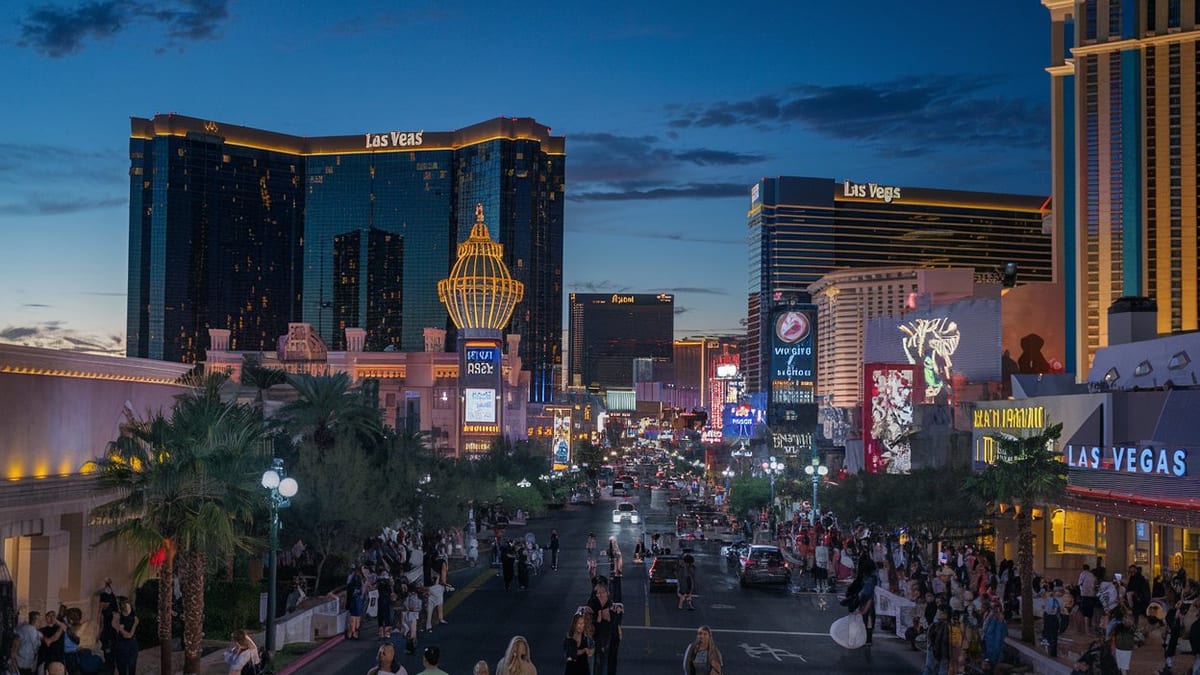
Image by Travel and Tour World – Tourism, Airline, Destination, MICE, Gobal Travel Market, Hotel news that you will find only over here.
Visitor Numbers Rebound, But Friction Grows on the Ground
After the pandemic downturn, tourism in major U.S. cities has largely roared back. Industry reports indicate that New York City hosted around the mid-60 million range in visitors in 2024, just shy of its 2019 record, with hotel occupancy near pre-pandemic levels. Publicly available city data and tourism analyses describe an economy once again leaning heavily on visitor spending for jobs and tax revenue.
Las Vegas followed a similar arc. Research aggregating state tourism statistics shows the city drawing more than 40 million visitors annually, with 2024 among its strongest years by both visitor spending and hotel performance, even as more recent 2025 data point to a cooling trend and noticeable dips over the summer months. For travelers, that means the Strip can still feel packed at peak times even when the overall totals soften compared with prior years.
Honolulu and the broader Hawaiian Islands also remain firmly on the global travel map. State tourism reports for 2024 show millions of arrivals and hotel metrics that underscore how central visitors are to the local economy. Yet officials and residents have increasingly framed the question not as how to lure more visitors, but how to better manage the ones already coming.
Across all three destinations, the numbers alone do not tell the full story. While aggregate visitation has been strong, particularly in 2023 and 2024, a parallel conversation has intensified around congestion, housing costs, environmental strain and the quality of life for year-round residents.
New York City: Times Square Crowds and a Squeeze on Space
In New York City, the return of tourism is most visible in the familiar crush around Times Square, the High Line and Lower Manhattan. Industry briefings highlight that hotel rooms in 2024 were filled at levels comparable to Las Vegas, suggesting that visitor activity is once again concentrated in a relatively small slice of urban space. Pedestrian counts and anecdotal reports from midtown show sidewalks that feel as crowded as before 2020, particularly during major events and holiday periods.
At the same time, forecasts for 2025 and 2026 show a more complicated picture. According to published coverage summarizing figures from NYC’s tourism agency, expectations for international visitors have been revised downward, with a notable projected drop in overseas arrivals. Analysts link this to a range of factors, including economic uncertainty abroad and shifts in U.S. entry policies, even as domestic travel to New York remains strong.
For residents, the renewed crowds come with familiar complaints. Publicly available city and state analyses point to tourism’s role in supporting jobs but also in intensifying pressure on transit, sidewalks and popular neighborhoods. Short-term rentals, while more regulated than in many cities, still draw scrutiny for their potential impact on rents and building stability in parts of Brooklyn and Manhattan.
For 2026 travelers, this means that core attractions are likely to be busy even if the headline visitor totals fluctuate. It also suggests that policies such as caps on tour buses, stricter enforcement on illegal short-term rentals and possible congestion pricing for vehicles entering Manhattan could reshape how visitors move through the city and what it costs to stay close to the main sights.
Las Vegas: Fewer Visitors, But a More Intense Strip Experience
Recent reporting on Las Vegas points to a tourism slowdown through mid-2025, with double-digit percentage drops in visitors in some summer months compared with 2024 and particularly sharp declines in international travel. Data cited from the Las Vegas Convention and Visitors Authority show fewer people on the Strip overall, along with lower hotel occupancy and a dip in convention attendance.
Yet from the traveler’s perspective, Las Vegas can still feel crowded. Historical patterns place annual visitation above 40 million people, with major events, sports fixtures and large-scale concerts drawing surges of guests over compressed periods. Visitor spending per person has generally remained high, supported by casino floors, entertainment, restaurants and surging room rates on marquee weekends.
Overtourism concerns in Las Vegas often focus less on sheer numbers and more on quality of experience and infrastructure strain. Accounts from visitors and local businesses describe the Strip as increasingly expensive, with high resort fees, paid parking at more properties and premium pricing for food and drink. At the same time, authorities and community groups continue to grapple with issues such as traffic congestion, pedestrian safety and the visibility of homelessness in areas adjacent to major resorts.
By 2026, travelers could find a destination that has fewer overall visitors than its pre-pandemic peak, but a more segmented pattern of intense peaks and softer lulls. That may translate into more noticeable crowding on big event weekends and potentially better deals during off-peak stretches, as hotels and airlines seek to smooth out demand.
Honolulu and Hawaii: Sustainability Rules Shape the Visitor Experience
In Honolulu, overtourism concerns are closely tied to the islands’ environmental limits and cultural heritage. State-level tourism statistics confirm that visitor counts in 2023 and 2024 approached or exceeded pre-2019 levels, even as some key international markets, such as Japan and South Korea, remained below their previous highs. This combination has intensified the ratio of visitors to residents, especially in high-density districts like Waikiki and on popular neighboring islands.
Publicly available information from Hawaii’s tourism authorities, local government and community organizations shows a clear shift toward managing tourism rather than simply marketing it. Measures have included reservation systems and fees for certain natural attractions, discussions around caps on short-term rentals in residential areas and higher taxes or fees on visitor accommodations to fund conservation and infrastructure.
Resident frustration has been widely reported in local media, highlighting concerns over crowded beaches, traffic congestion and strain on water and waste systems. There is also heightened sensitivity to how visitors behave in sacred or ecologically fragile sites, with campaigns urging travelers to respect signage, stay on designated trails and support locally owned businesses.
Looking toward 2026, travelers planning a Honolulu or broader Hawaii vacation should expect more rules, more advance planning and potentially higher costs. Securing timed-entry reservations for parks or popular hikes may become as routine as booking a hotel room, and visitors who ignore local regulations may encounter stricter enforcement and significant fines.
What 2026 Vacationers Should Expect in These Three Hotspots
For those mapping out 2026 trips, the emerging picture is not of empty cities, nor of unchecked crowd surges, but of destinations experimenting with new controls on visitor flows. In New York, that may mean congestion pricing for drivers entering Manhattan, continued limits on unlicensed short-term rentals and incremental adjustments to how tour operators use public space in already busy districts.
Las Vegas, meanwhile, may lean more heavily on pricing and event-driven demand. With signs of a tourism slowdown in 2025, industry analysts are watching to see whether properties respond with tactical discounts in off-peak periods or double down on premium events to maintain revenue. Travelers can expect continued pressure on budgets from resort fees and paid parking, even if midweek room rates soften at some properties.
In Honolulu and across Hawaii, the shift is more explicitly toward sustainability. Travelers in 2026 are likely to encounter expanded reservation systems, clearer visitor caps at certain attractions, and ongoing debates about limiting new accommodations in sensitive areas. Those who build flexibility into their itineraries and are willing to seek out less trafficked beaches and cultural sites may find a more rewarding experience than those who focus only on the most posted locations.
Across all three destinations, overtourism is less a single tipping point than a series of small, accumulating pressures that influence prices, rules and the feel of a trip. For visitors, the most practical response is to plan earlier, travel outside peak holidays and weekends where possible, and budget both time and money for the realities of popular urban and island destinations in the middle of the 2020s.