

More news on this day
Reykjavík, long marketed as one of Europe’s safest capitals, is confronting an unwelcome side effect of its tourism boom: a sharp rise in pickpocketing targeting visitors in the city centre and at Iceland’s most popular sights.
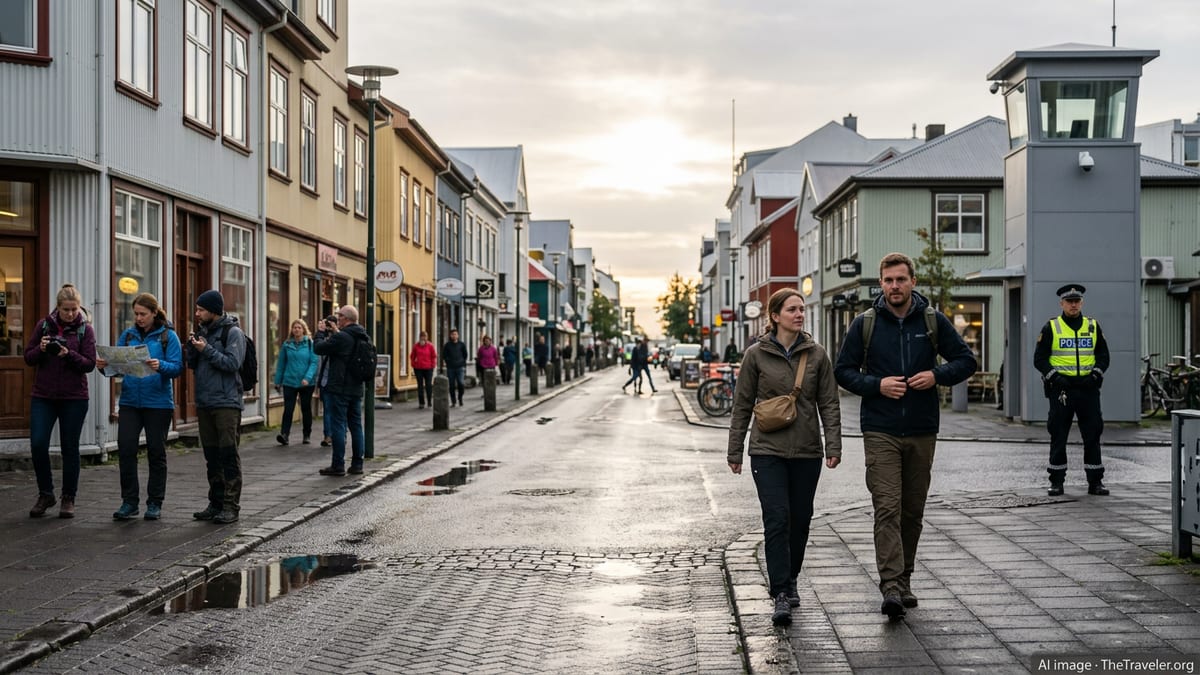
A Safe City Confronts a New Kind of Crime
Petty theft was once so rare in Iceland that tourists and locals alike routinely left bags unattended in cafes and cars unlocked outside homes. That reputation has been tested over the past two years as police and tourism officials report a marked increase in pickpocketing, particularly affecting foreign visitors. Officers in the Reykjavík metropolitan area say reports of theft from bags and pockets have climbed noticeably since 2024, in step with record visitor numbers and the return of organised criminal groups that follow Europe’s tourist trail.
The pattern, authorities say, is familiar from other European cities but relatively new for Iceland. Groups of two or more suspects blend into crowds at key attractions, work busy sidewalks and viewpoints, and move on quickly before victims realise their belongings are gone. Police stress that Iceland remains a low crime destination overall, but acknowledge that opportunistic theft is now a persistent reality in Reykjavík and along major touring routes such as the Golden Circle.
Travel analysts note that nearly 2.3 million people now visit Iceland annually, many funnelling through the compact downtown area and nearby landmarks. At peak times in summer and during northern lights season, visitors can outnumber residents in parts of central Reykjavík, creating ideal conditions for distraction-based thefts. Officials say the new wave of cases reflects this pressure rather than a broader collapse in public safety, but concede that the change has been jarring for a country accustomed to minimal street crime.
Police Roll Out Surveillance Towers and Targeted Patrols
In response, Reykjavík’s police have rolled out a visible security campaign centred on tall, grey watchtowers fitted with cameras in the downtown shopping and nightlife district. The structures, which some residents criticise as visually intrusive, give officers an elevated view over Laugavegur, Skólavörðustígur and other busy streets where pickpockets have been most active. Police say early results show the towers both deter thefts and provide crucial video evidence when crimes do occur.
The towers are part of a broader plan to expand closed circuit television coverage in the city centre over the coming years. Footage from the new cameras is stored under the same strict rules that already govern police surveillance in Reykjavík, with limited retention periods and oversight from national authorities. Law enforcement leaders argue that the technology is a proportionate response to organised pickpocket gangs that can otherwise be difficult to catch in the act.
Alongside surveillance, officers have stepped up foot patrols around cruise ship arrivals, airport shuttle stops and hotel clusters in central Reykjavík. Plainclothes teams monitor crowds at popular meeting points and respond quickly to reports of suspicious behaviour, particularly where tourists appear to be distracted while taking photos or checking phones. The increased presence is designed to reassure visitors as much as to intercept thieves, reinforcing that police are taking the issue seriously.
Tourist Hotspots Post Warnings and Coordinate With Police
Some of Reykjavík’s best known landmarks have begun taking matters into their own hands in partnership with law enforcement. Hallgrímskirkja, the hilltop Lutheran church that anchors the city skyline, has posted multilingual warning signs at its entrance after a spate of thefts inside the building. Church staff and volunteers now remind tour groups to secure bags and keep valuables out of sight while climbing the tower or pausing to take in the panoramic view over the city.
The Icelandic Tourist Board has issued alerts to tour operators and accommodation providers across the country, highlighting a rise in pickpocketing at high traffic sites including Hallgrímskirkja, Þingvellir National Park, Gullfoss, Geysir and other Golden Circle stops. Guides are being encouraged to incorporate safety briefings into their commentary, and hotels in Reykjavík are sharing printed advice at check in about safeguarding passports, phones and payment cards.
Officials say one challenge is that many visitors still arrive with an image of Iceland as virtually crime free and are reluctant to believe they might be targeted. Tourism bodies are therefore threading a careful line between preserving Iceland’s reputation for safety and giving realistic guidance about current risks. The message, they insist, is not that Reykjavík has become dangerous, but that it now requires the same common sense vigilance expected in any popular European capital.
How the Pickpocket Gangs Operate
Investigations by the Reykjavík Metropolitan Police suggest that many of the recent thefts are linked to loosely organised groups that travel to Iceland during peak tourism months. Officers report that suspects often pose as tourists themselves, dressed in outdoor gear and carrying cameras or daypacks, making them difficult for casual observers to distinguish from genuine visitors. In several cases, video evidence has shown pickpockets shadowing tour buses and hopping between major viewpoints over the course of a single day.
The techniques themselves are relatively simple. In crowded spots near bus stops, church entrances or viewpoints, one person creates a distraction by asking for directions or bumping into someone while another reaches into an open bag or pocket. Backpacks worn on both shoulders, handbags left hanging on the back of café chairs and phones placed loosely in coat pockets are particular targets. Police say many victims only realise what has happened long after the thieves have moved to a new location.
Authorities also warn about thefts in accommodations and at campsites, from unlocked cars or tents left unoccupied for short periods. While these incidents are fewer than street pickpocketing cases, they highlight a broader shift as criminals test how far they can exploit the country’s traditionally relaxed attitudes. Police are urging visitors to report every theft, however small, to help them map patterns and justify continued investment in preventive measures.
Practical Advice for Visitors Who Still Want to Travel Light
Despite the rise in pickpocketing, Reykjavík remains a city where many residents feel comfortable walking at night and serious violent crime is rare. Tourism officials emphasise that most visitors experience no problems at all, and that a few practical steps go a long way in reducing risk. They advise travellers to carry only the cash they need for the day, keep passports and spare cards locked in hotel safes whenever possible, and use money belts or inside jacket pockets for their most important documents.
In busy areas, visitors are encouraged to keep bags zipped and worn across the body at the front, rather than behind, and to stay alert to anyone crowding unusually close while they are queuing, boarding buses or looking at scenic viewpoints. Authorities also suggest that travellers avoid placing phones and wallets in back pockets or loose outer pockets, especially when stopping to photograph Reykjavík’s colourful streets, public art and harbour views.
Local safety guides underline that even in a relatively safe destination like Iceland, vigilance should extend beyond the city centre. The same habits apply at major nature sites such as national parks, waterfalls and geothermal areas, where visitors are often distracted by dramatic landscapes and less attentive to their belongings. Police say the goal is not to make tourists fearful, but to ensure that the country’s spectacular scenery remains the focus of their trip, rather than the administrative ordeal of replacing stolen passports and credit cards.