

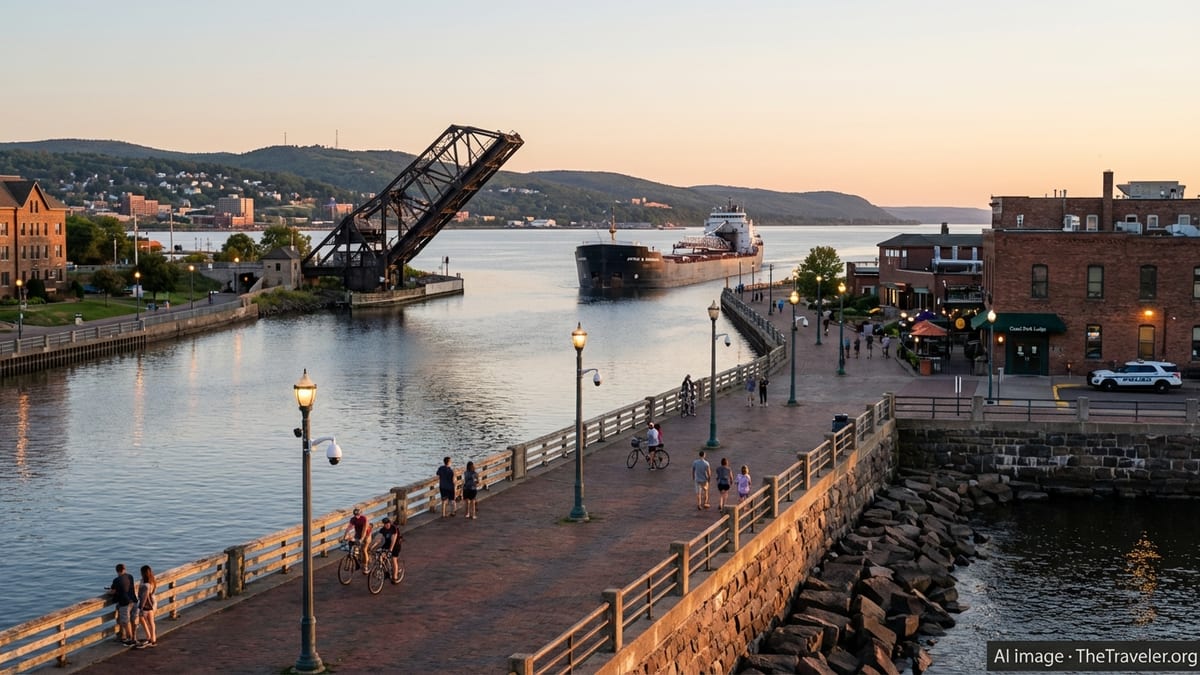
Duluth, Minnesota, sits on the rocky shore of Lake Superior, drawing visitors with freighters gliding under the Aerial Lift Bridge, hilly neighborhoods, and easy access to the North Shore. As tourism grows and more remote workers look north for a cooler, outdoor focused lifestyle, one question comes up again and again: how safe is Duluth in 2026 for visitors and residents? The answer is nuanced. Duluth is neither a crime free small town nor a large, high crime metropolis. It is a mid sized port city with specific risk patterns, clear safer and higher crime areas, and an active local focus on safety and livability. Understanding those details will help you make informed decisions, whether you are booking a hotel in Canal Park or considering a long term move.
Duluth at a Glance: Overall Safety Picture
In safety terms, Duluth sits in a middle ground that often surprises newcomers. It feels small and outdoorsy, yet its crime profile looks more like a compact city than a resort town. Recent analyses that draw on FBI data describe Duluth’s overall crime rate as significantly higher than the national average when both violent and property offenses are combined, largely because of property crime such as theft and vehicle break ins. At the same time, violent crime rates here are closer to or slightly below national levels and have been trending downward in recent years, which is important for visitors concerned about personal safety.
Looking at multi year patterns, Duluth has seen a gradual decline in both violent and property crime since the early 2020s, with some year to year fluctuations. Local police statistics show that violent incidents like aggravated assaults, robberies, and homicides have fallen from their early decade peaks, reflecting both broader statewide trends and targeted efforts in the city. Observers who compare Duluth to similar sized communities often note that while it is not among Minnesota’s safest cities by raw ranking, it is also far from the state’s most dangerous urban areas.
For day to day life, this means most residents and visitors can and do move around the city without serious trouble, especially in well traveled districts. Problems tend to cluster in certain neighborhoods and are often linked to property crime, substance use, and economic stress. Travelers who understand where crime is more common, when it tends to occur, and how to avoid typical risk factors usually find Duluth feels safe and manageable, particularly compared with larger port and industrial cities elsewhere in the United States.
It is also worth noting that perception of safety can differ from statistical reality. High profile incidents or social media chatter may make Duluth sound more dangerous than it is overall. Conversely, the city’s scenic setting can lull visitors into letting their guard down, especially around vehicles and personal belongings. A realistic view that balances the city’s strengths with its challenges is the best foundation for planning a safe visit or relocation.
Crime Trends and What They Mean in 2026
Recent crime data paint a mixed but generally improving picture for Duluth. Aggregated figures based on the most current FBI releases indicate that the city’s total crime rate sits well above the national average, driven primarily by property crime. Analysts estimate the overall crime rate to be roughly half again as high as the United States average, with property offenses like larceny and burglary especially elevated. At the same time, Duluth’s violent crime rate remains below or near national levels and is considerably lower than what you would find in major Midwestern metros.
Local law enforcement reports show that violent crime in Duluth has been on a steady decline since the early 2020s. The number of violent incidents, which includes aggravated assaults, robberies, and homicides, has fallen notably from earlier peaks. For example, police data show a reduction of dozens of violent cases over a span of just a few years, and officials credit proactive policing and community partnerships for the trend. While homicides in a given year can still draw regional attention, they remain relatively rare events in a city of roughly 86,000 residents.
Property crime is Duluth’s most persistent safety issue. Statewide compilations of FBI data rank the city among Minnesota’s higher property crime communities, with larceny theft particularly common. One recent breakdown of crime types shows Duluth among the top Minnesota cities for reported larceny, trailing only larger hubs like Minneapolis and St. Paul by raw count. That picture fits what locals experience on the ground: vehicle prowls in busy parking lots, shoplifting, and theft of unsecured items from yards, porches, and garages are recurring themes.
For someone deciding whether to travel here, the practical implication is clear. The odds of being the victim of a serious violent crime as a short term visitor are relatively low, especially if you stick to central, well lit districts and typical tourist hours. The more realistic risks involve opportunistic property theft if you leave gear visible in a car at a trailhead, a bag unattended in a coffee shop, or a bicycle unlocked in a downtown rack. Treat Duluth like any mid sized American city with busy tourist zones, and basic precautions will go a long way.
Neighborhoods, Tourist Areas, and After Dark Safety
Duluth is stretched along a steep hillside above Lake Superior, and safety can vary from block to block. For visitors, the most familiar districts are generally the safest. Canal Park, with its hotels, restaurants, and lakewalk access, is heavily patrolled, well lit, and busy from morning into late evening, especially in summer. Downtown around Superior Street and the skywalk system has a visible security presence and even a dedicated Clean and Safe team whose uniformed staff augment police by offering escorts, directions, and extra eyes on the street.
For travelers, these central areas usually feel secure, though you will likely see signs of urban challenges like panhandling, especially near transit stops and certain corners. Local safety ambassadors and outreach workers focus on these districts, but visitors should still use common sense: keep phones and wallets secure, walk with purpose, and avoid wandering into poorly lit side streets late at night. The harbor front and parks near the Aerial Lift Bridge are generally comfortable spaces for evening strolls when other people are around.
Crime patterns in Duluth are not evenly distributed. Neighborhoods immediately uphill and west of downtown, such as parts of Central Hillside and sections of Lincoln Park, experience more calls for service related to thefts, disorderly conduct, and occasional violence. Travel safety guides and local advice alike often flag these areas as higher crime, especially after dark. That does not mean they are off limits, and many residents live and work there without incident, but it does suggest extra awareness if your lodging or dining plans take you into those neighborhoods at night.
Elsewhere in the city, many residential districts on the eastern hillside, across the bridge in Superior, Wisconsin, or near the university have reputations as relatively calm, though they still see typical urban issues. Trailheads and shoreline access points along the North Shore Scenic Drive are more prone to vehicle break ins than personal assaults. Visitors who park in secluded lots should remove valuables or lock them out of sight and be alert at dawn or after dark when fewer people are around. As in any city, walking in groups, choosing main routes instead of shortcuts, and using licensed taxis or rideshares late at night will keep your risk much lower.
Law Enforcement, Community Programs, and Emergency Response
Duluth’s safety landscape is shaped by more than raw crime statistics. The city has invested in both traditional policing and complementary community programs intended to make downtown and tourist corridors feel secure. The Duluth Police Department operates its own online crime dashboard and mapping tools, updated regularly so residents can see patterns over the previous three years. This focus on transparency is part of a broader strategy to maintain public trust, encourage reporting, and guide patrol resources to problem areas.
In the city center, a Clean and Safe team funded by the downtown business community supplements sworn officers. These uniformed workers patrol on foot, bike, and even Segway through the skywalks and streets from Mesaba Avenue to 10th Avenue East and from Canal Park up to Second Street. Their role is partly environmental, dealing with litter and graffiti, and partly safety oriented, providing a visible presence, deterring panhandling, and escorting employees or visitors who feel uneasy walking alone. The same organization employs an outreach specialist who spends long days building connections with unsheltered residents and people struggling with chemical dependency, working to route them into housing and treatment instead of repeated low level offenses.
At the city and state level, recent years have seen an emphasis on data driven policing. Minnesota’s 2024 Uniform Crime Report shows violent crime in greater Minnesota slightly down compared with the previous year, and Duluth’s own figures fit within that broader pattern. Locally, police leaders attribute reductions in violent incidents to targeted enforcement on repeat offenders, partnerships with social service agencies, and a shift toward problem solving around chronic hot spots rather than simple reactive patrols.
For travelers, the practical advantage of this infrastructure is that help is generally close at hand. In tourist hubs you are likely to encounter both police and safety ambassadors, and response times to emergencies in central districts tend to be relatively quick. Visitors who need assistance can call 911 for urgent issues and rely on non emergency lines or in person contact with the downtown team for concerns that are more about comfort than imminent danger. The presence of multiple layers of visible guardianship contributes to why many visitors describe Duluth as feeling safer on the ground than its aggregate crime rate might suggest.
Common Risks for Visitors and How to Avoid Them
Most travelers in Duluth will never experience serious crime, but a handful of recurring issues are worth keeping in mind. The first is property theft in busy tourist zones and trailhead parking lots. In recent years, Duluth has ranked high among Minnesota cities for larceny incidents, which covers everything from shoplifting to stealing items from vehicles. Visitors who leave camping gear, electronics, or shopping bags visible in a parked car, even in seemingly safe districts like Canal Park, are more likely to come back to a broken window or missing belongings.
Simple prevention steps make a real difference. Keep your car interior clean and empty, lock doors every time you park, and bring valuables into your lodging. When hiking or visiting lakeshore parks, consider using a small daypack for essentials and leaving nonessential items at your accommodation instead of in the trunk. In crowded summer events near the harbor or at festivals, guard against pickpocketing by using crossbody bags that close securely and storing passports and large amounts of cash in a hotel safe rather than on your person.
Another set of risks in Duluth is environmental rather than criminal. Lake Superior’s weather can shift rapidly, producing sudden fog, strong winds, and slick conditions on rocks and pier surfaces. Each year, emergency responders handle rescues related to people who underestimate waves, cold water, or icy trails along the shore. Alcohol can compound these dangers around waterfront bars or late night walks near the canal, and falls or water incidents are a greater practical threat to many visitors than street crime.
Finally, like many communities, Duluth continues to grapple with visible homelessness and substance use, particularly in certain downtown blocks and underpasses. While most encounters are not dangerous, they can make some visitors uncomfortable. If you feel uneasy, step into a nearby business, cross the street, or seek out a busier route. Avoid confrontations, do not flash cash or valuables when giving money, and trust your instincts if a situation feels off. Remember that local outreach workers are active in the core districts, and many individuals you see are already connected with services or known to authorities.
Living in Duluth: Safety for Residents and Long Term Stays
For people considering Duluth as a place to live, work remotely, or study, safety questions extend beyond a weekend visit. Here the picture again is mixed but manageable. Long term residents experience the same elevated property crime rates that show up in FBI data, which translates into a need for sturdy locks, good exterior lighting, and awareness of what is left outside homes. Porch theft of packages, bicycle theft, and garage break ins are recurring frustrations in some neighborhoods.
On the other hand, many Duluth residents report that they feel comfortable walking dogs at night in their own areas, letting children play at neighborhood parks, and using city trails. Compared with larger Great Lakes cities, Duluth offers a quieter, less densely populated urban environment with ready access to nature. Violent incidents often involve people who know one another, substance use, or specific disputes rather than random attacks on strangers. For families, that context can be reassuring, although it does not eliminate risk.
Certain neighborhoods, particularly those closer to downtown on the hillside and parts of the west side, tend to see more calls for police service and higher concentrations of rental housing, lower incomes, and social service facilities. Potential movers should spend time walking and driving around at different hours, talk with future neighbors, and consult updated crime maps from the Duluth Police Department to get a realistic view of conditions on the blocks they are considering. In contrast, some eastern neighborhoods and hillside areas above the university have reputations as quieter and more residential, albeit with higher housing costs.
For longer stays, safety choices blend into quality of life decisions. Taking part in neighborhood associations, attending city meetings on public safety, and getting to know local officers or community liaisons can increase both actual safety and the feeling of security. Resilient communities tend to have strong informal networks that watch out for vulnerable residents, report suspicious behavior early, and advocate for improvements like better lighting, traffic calming, and youth programs. Duluth has many such pockets of civic engagement, which contribute to why the city remains attractive despite its statistical challenges.
The Takeaway
So how safe is Duluth, Minnesota in 2026? The most accurate answer is that Duluth is a generally safe city for attentive visitors and a livable, if imperfect, community for residents. Its overall crime rate looks high on paper largely because of property offenses, but serious violent crime has been on a downward trajectory and remains lower than in many comparable urban areas. Tourist districts like Canal Park and the downtown waterfront are well patrolled and heavily used, which reduces serious risks for most travelers.
At the same time, Duluth is not a resort bubble. It is a working port with visible homelessness, substance use issues, and certain higher crime neighborhoods near the urban core. Treating it like any mid sized American city, with standard precautions around valuables, nighttime movements, and situational awareness, is the best way to keep your risk low. The city’s investment in community policing, safety ambassadors, and transparent crime data suggests local leaders take these issues seriously and are working toward continued improvements.
If you arrive expecting a perfectly polished tourist town, you may be surprised by some of Duluth’s rougher edges. If you come expecting a gritty industrial port, you may be pleasantly surprised by how walkable, scenic, and welcoming much of the city feels, especially along the lakeshore. With clear eyes and a bit of preparation, most people find that Duluth offers a reasonable balance of safety and adventure amid one of the most dramatic freshwater coastlines in North America.
FAQ
Q1. Is Duluth, Minnesota safe to visit as a tourist?
Yes, Duluth is generally safe for tourists, especially in main visitor areas like Canal Park and the downtown waterfront, provided you use normal big city precautions.
Q2. Which areas of Duluth have higher crime rates?
Higher crime is more common in parts of Central Hillside, sections of Lincoln Park, and some blocks just uphill from downtown, particularly after dark.
Q3. How safe is Canal Park at night?
Canal Park is one of Duluth’s safer districts, with good lighting and regular patrols, but you should still stay on main routes and avoid isolated areas late at night.
Q4. What type of crime is most common in Duluth?
Property crime is the most common issue, including theft from vehicles, shoplifting, and stealing unsecured items from porches, yards, and garages.
Q5. Are Duluth’s violent crime rates high?
Duluth’s violent crime rate is around or below national levels and has been trending downward, although serious incidents can still occur, as in any city.
Q6. Is it safe to walk around downtown Duluth?
Downtown is generally safe during the day and early evening, with a visible safety presence, but it is wise to stay in busier areas and avoid poorly lit side streets late at night.
Q7. How safe are Duluth’s trails and lakefront areas?
The lakefront and nearby trails are usually safe, but the main risks are environmental, such as slippery rocks and changing weather, along with occasional vehicle break ins at trailheads.
Q8. Is Duluth safe for families with children?
Many families live in Duluth and feel comfortable using parks and schools; choosing a stable neighborhood and practicing basic safety habits are the keys to a positive experience.
Q9. Should I worry about homelessness when visiting Duluth?
You may see people experiencing homelessness downtown, but most encounters are nonthreatening; give people space, avoid confrontations, and seek help if a situation feels uncomfortable.
Q10. What can I do to stay safe while visiting Duluth?
Keep valuables out of sight, lock your vehicle, stick to well traveled areas, be cautious late at night, and follow local advice about neighborhoods and weather conditions.