

More news on this day
Years of tight staffing across airports, hotels and national parks collided with the 2025 federal government shutdown, creating rolling uncertainty for travelers and exposing how fragile the U.S. tourism economy has become.
Get the latest news straight to your inbox!
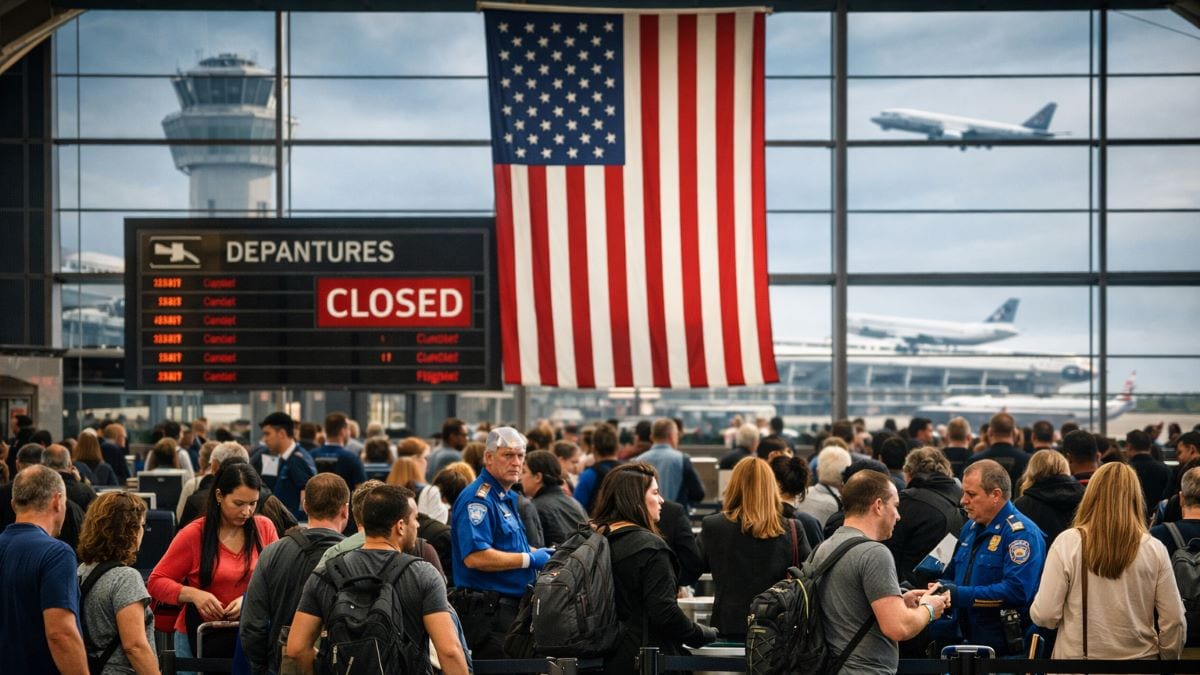
Image by Latest International / Global Travel News, Breaking World Travel News
From Chronic Labor Strain to Systemwide Stress
Well before the 2025 funding lapse, publicly available industry data pointed to an air travel system operating with little slack. Analyses of the Federal Aviation Administration workforce indicated that the United States was short several thousand certified air traffic controllers, with many large hubs operating below 85 percent of their staffing targets. Reports describe this as a structural shortfall that translated directly into congestion, longer delays and a reduced ability to recover from weather or operational disruptions.
At the same time, screening checkpoints were grappling with elevated attrition and high vacancy rates. Trade group summaries and former officers’ accounts have highlighted how Transportation Security Administration roles remain difficult to fill and retain, given relatively low pay compared with the stress and responsibility of the work. These pressures meant that any interruption to pay or training, such as during a shutdown, could quickly cascade into absenteeism and reduced capacity at already stretched checkpoints.
The shortages have not been confined to skies and terminals. Hotel operators have consistently reported that labor remains one of their toughest challenges even as travel demand stabilizes. A recent nationwide survey from the American Hotel & Lodging Association found that owners continue to cite workforce gaps, rising wages and training costs as major headwinds, even as they prepare for events such as the 2026 FIFA World Cup that are expected to drive demand. Hospitality businesses in gateway communities around national parks and cultural sites depend heavily on seasonal workers, making them especially vulnerable when staffing and federal operations falter at the same time.
These intertwined labor issues created a fragile backdrop heading into the 2025 fiscal standoff, setting the stage for relatively small shocks to generate outsize disruption for travelers and destinations.
Shutdowns Close Parks and Drain Tourism Spending
Historical data from previous shutdowns show how quickly travel-related losses can mount when federal sites close. National Park Service analyses of the 2013 shutdown found that nearly 8 million fewer visitors entered national parks during the 16-day closure, with estimates of around 400 to 500 million dollars in lost visitor spending in nearby communities. Museums, monuments and historic sites also shut their doors, cutting off a key source of foot traffic for restaurants, hotels and outfitters that cluster near federal attractions.
During the record 35-day shutdown of 2018 and 2019, the economic stakes grew even larger. A review by the Congressional Budget Office later calculated that the partial closure shaved an estimated 11 billion dollars from the national economy, with 3 billion dollars in losses not expected to be recovered. Visitor advocacy groups warned at the time that national parks were forfeiting roughly 20 million dollars per day in traveler spending as access was curtailed or services were sharply reduced.
Recent guides and travel advisories have emphasized that the impact on parks varies depending on the season and management decisions. In some past funding lapses, gates were locked and visitor centers closed. In others, parks remained physically open but with minimal staffing, meaning restrooms, campgrounds and information desks were shut. That approach has generated its own problems, including trash buildup, vandalism and safety concerns that can deter visitors even when formal closures are not in place.
These patterns created a clear template ahead of the 2025 shutdown: destinations heavily reliant on federal sites could expect immediate drops in visitation, while surrounding businesses would see bookings, dining revenue and tour sales weaken almost overnight.
2025 Shutdown Magnifies Aviation Workforce Gaps
When the 2025 federal government shutdown began, the aviation system did not grind to a halt. Air traffic controllers and most TSA personnel were classified as essential, meaning they continued to report for duty. However, they did so without pay for the duration of the impasse, and key support functions such as hiring, training and some inspection activities were put on hold according to public summaries of the episode.
Industry groups and transportation analysts warned that this combination could deepen existing staffing challenges. Previous shutdowns had already shown that unpaid work can lead to increased sick calls and resignations among federal aviation workers. Early tallies from recent coverage of the current political standoff show hundreds of screening officers leaving their posts, and double-digit percentages of scheduled staff not reporting to duty during some days of the funding lapse. That dynamic lengthened security lines, pushed wait times higher and forced airlines and airports to scramble schedules.
Separately from the shutdown, airlines have adjusted operations to account for chronic air traffic control staffing shortages. In the New York region, regulators and carriers agreed to schedule reductions in 2023 to relieve congested airspace, effectively lowering capacity on some of the country’s busiest routes. In 2025, news reports from Newark Liberty International Airport described long delays and flight cancellations tied to controller shortages, with arriving flights at points running hours behind schedule. The shutdown froze efforts to recruit and train new controllers, slowing progress toward easing these choke points.
For travelers, the combination of unpaid federal staff, paused hiring and preexisting workforce gaps translated into unpredictable queues and a heightened risk of delays. For tourism businesses, particularly those reliant on time-sensitive business travel and inbound international visitors with tight itineraries, this uncertainty made it harder to plan staffing, inventory and pricing.
Ripple Effects on Hotels, Cities and Gateway Communities
The tourism economy extends far beyond airports and park gates, and the disruptions of the shutdown period have exposed how interdependent local ecosystems have become. Urban centers reliant on convention and meeting business were among the first to feel the strain, as some federal meetings were postponed and corporate planners hesitated to schedule major events amid air travel uncertainty. Hotel operators reported juggling fluctuating occupancy forecasts, with some properties in major hubs seeing short-notice cancellations when news of delays and staffing strains intensified.
In smaller towns near national parks and historic sites, the effect was even more acute. When parks closed or operations were reduced, lodges, campgrounds, restaurants and guide services that count on federal visitor traffic saw abrupt drops in revenue. Historical analyses from 2013 and 2018 indicate that these gateway communities can lose millions of dollars in a matter of days when access is restricted. With many of these businesses already managing tight labor markets and higher input costs, even a short shutdown can tip finances into the red.
Workforce strain also shapes how quickly destinations can rebound when political standoffs end. Hotels and restaurants that cut hours or furlough staff during a slowdown may struggle to rehire or ramp up service quickly once demand returns. National parks may face backlogs in maintenance, safety inspections and staffing that delay the full reopening of trails, campgrounds and visitor services. In the aviation sector, paused training programs lengthen the time it takes to bring new controllers and screeners online, extending the period of fragile capacity.
For travelers, these aftershocks mean that uncertainty often lingers beyond the official end of a shutdown. Delayed repairs, limited tour availability and reduced operating hours at attractions can affect trip satisfaction and discourage repeat visits, particularly among international tourists planning once-in-a-lifetime itineraries.
Uncertainty as a Drag on Future Travel Decisions
Perhaps the most significant impact of the recent shutdown saga is harder to measure: the effect of uncertainty on how travelers make decisions. Surveys by trade associations have signaled that frequent travelers and meeting planners are watching government funding debates closely and adjusting plans when the risk of disruption seems high. For some, that has meant shifting bookings to dates outside potential shutdown windows. For others, it has meant choosing destinations where national parks, federally funded museums or long-haul flights through congested U.S. hubs are less central to the itinerary.
Destination marketers and tourism boards have responded by emphasizing flexibility, promoting refundable rates and highlighting attractions that are not directly tied to federal operations. Yet repeated episodes of brinkmanship can chip away at confidence in the reliability of core infrastructure such as airports, airspace management and signature public lands. Analysts note that when competing destinations abroad can promise a more predictable experience, some high-value visitors may simply look elsewhere.
Industry research over the past decade underscores how much is at stake. National Park Service reports have credited park visitors with contributing tens of billions of dollars annually to nearby economies, while national assessments of travel and tourism regularly describe the sector as a major employer and exporter. When funding lapses and workforce strains interrupt that flow, even temporarily, the losses ripple through jobs, tax revenues and long-term destination reputations.
As lawmakers and agencies look ahead, the combination of chronic labor shortages and recurring shutdown threats has become a central concern for the travel sector. The recent period of disruption suggests that strengthening workforce pipelines and insulating critical tourism infrastructure from political stalemates will be essential to keeping the United States competitive as a global destination.