

More news on this day
Short-form video has moved from entertainment to infrastructure for global tourism, and in 2026 TikTok sits at the center of how millions of people decide where, when, and how to travel.
Get the latest news straight to your inbox!
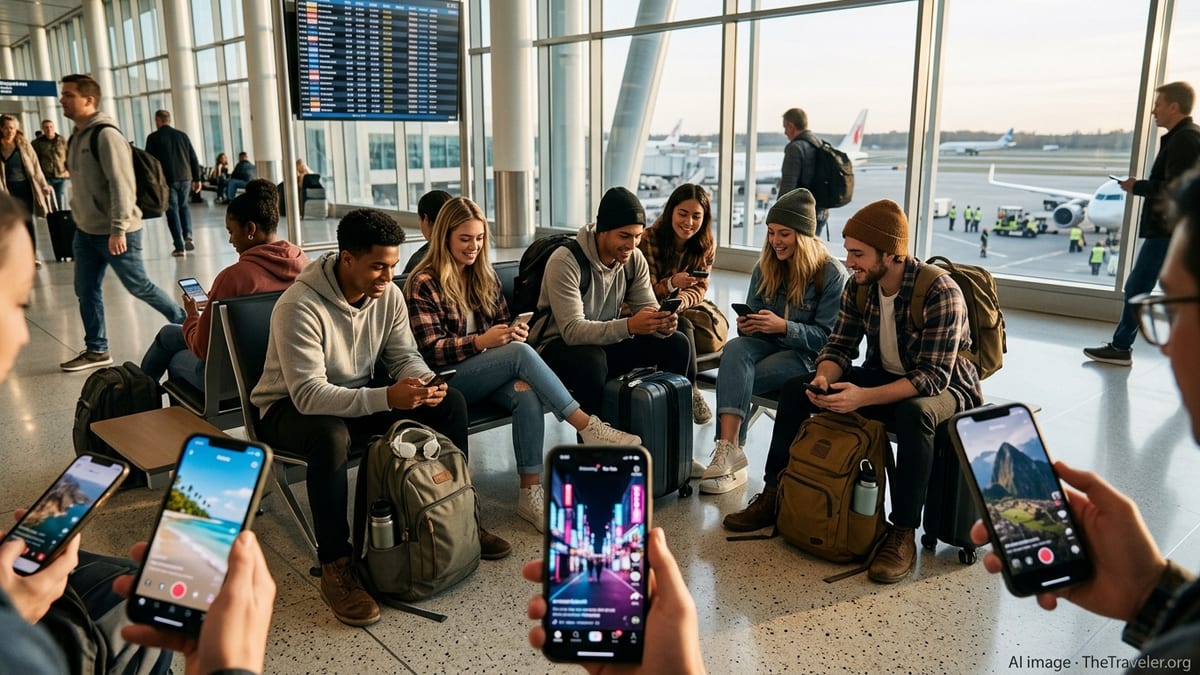
Short Videos Become the New Travel Search Engine
In 2026, TikTok is no longer just a place to scroll for inspiration at the end of the day. Industry research and marketing reports indicate that the platform has effectively become a first-stop search tool for trip ideas, rivaling traditional search engines and guidebooks. Travel-focused clips, often under 30 seconds, compress destination overviews, food recommendations, and cost breakdowns into a steady stream of highly tailored suggestions.
Recent tourism and marketing studies show that a clear majority of Gen Z and many millennial travelers now rely on social video for early-stage research. Surveys cited by travel analysts suggest that more than six in ten travelers discover or book trips based on TikTok content, while platform data shared in 2024 pointed to a more than fourfold increase in travel video views between 2021 and 2024. That momentum has carried into 2026 as international tourism climbs back above pre-pandemic levels and attention shifts to how those trips are being planned.
Reports from destinations and travel brands indicate that TikTok’s recommendation feed often functions as a personalized travel brochure. Instead of searching for “best things to do in Rome,” users are shown a succession of snackable videos that mirror their interests, budgets, and preferred travel styles. This dynamic increasingly shapes not only where people want to go, but also how long they stay, what they spend money on, and what they expect when they arrive.
For tourism boards and travel companies, the shift is forcing a rethink of everything from media budgets to visitor information. Marketing strategies that once centered on glossy brochures and static banner ads are being recalibrated toward short-form video that feels native to TikTok’s fast-moving culture, with a growing share of campaigns designed specifically for vertical viewing on mobile screens.
From Viral Hotspots to “Destination Dupes”
The most visible impact of TikTok’s rise in travel is the rapid creation of viral hotspots. Analysts tracking platform data describe a pattern in which a single creator’s clip of a viewpoint, street, or café can send searches and bookings soaring within days. Local media coverage has documented this effect from coastal towns in southern Europe to mountain villages in Asia, with some places experiencing sharp spikes in visitor numbers after trending under travel-related hashtags.
At the same time, travelers and creators are increasingly using TikTok to surface so-called “destination dupes.” These are lesser-known cities and regions that promise a similar atmosphere to heavily touristed centers at lower cost and with fewer crowds. Marketing studies from 2024 and 2025 show destination dupes gaining prominence in platform-led campaigns, helping spread visitor demand beyond the best-known capitals and resort hubs.
Insurance and travel comparison firms tracking TikTok search volumes report that destinations from Tromsø to Shibuya have seen interest swell over consecutive years, correlating with surges in short-form video output. In some cases, local authorities have responded by adjusting visitor management strategies, such as promoting off-season visits or highlighting alternative neighborhoods, to manage the sudden influx of visitors drawn by viral clips.
These swings in attention are not always positive. Environmental groups and community organizations have raised concerns about congestion, strain on local infrastructure, and the commodification of everyday spaces. However, tourism economists also point to measurable boosts for small businesses that appear in viral videos, including independent cafés, guesthouses, and tour operators that rarely benefited from traditional mass-market advertising.
Gen Z Expectations and the TikTok Travel Aesthetic
Across multiple studies of digital tourism communication, researchers describe TikTok’s travel content as fast-paced, emotionally charged, and authenticity focused. Short videos, often filmed on phones with minimal editing, invite viewers into what feels like an unfiltered version of the journey, from airport routines to street food tastings. Academic work published in 2025 links this format to heightened feelings of anticipation, social comparison, and fear of missing out among young travelers.
Reports on Gen Z travel behavior suggest that these audiences prize real-time, peer-generated information over traditional expert advice. Instead of consulting lengthy guidebooks, they look for specific, situation-based clips: how a neighborhood feels at night, what a local train ride actually looks like, or how crowded a beach appears on a weekend. This granular, visually driven approach is changing expectations around transparency and detail in destination marketing.
The TikTok travel aesthetic that has emerged over the past few years is also influencing behavior on the ground. Travelers often arrive with pre-saved lists of cafés, viewpoints, and hotels selected not from brochures but from quick clips that match their preferred visual style. Some trip planners describe organizing entire itineraries around a handful of videos saved months earlier, then using TikTok in real time on location to fill gaps or adjust plans.
Visual culture experts note that this aesthetic is spreading beyond TikTok itself. The same vertical, tightly edited travel videos now appear on rival platforms, in airline campaigns, and even in tourism conference presentations. In effect, the TikTok style of short-form travel storytelling has become a default language for showing and selling place in 2026.
Planning, Booking, and the Friction of Video-First Travel
While TikTok has excelled at inspiration, many travelers report challenges when trying to turn an endless feed of clips into a coherent plan. Online discussions in early 2026 are filled with complaints about overflowing folders of saved videos that are hard to organize by neighborhood, date, or price. This gap between inspiration and logistics has opened opportunities for third-party apps and travel tools that attempt to connect short videos with maps, itineraries, and booking flows.
Consultancies tracking digital habits report that short-form social video is increasingly tied to concrete purchases. Studies conducted in 2024 and 2025 found that a significant share of users were more likely to book a stay, tour, or flight after seeing it featured on TikTok. By 2026, travel startups and established platforms alike are experimenting with ways to push viewers more directly from clip to checkout while still keeping content feeling organic.
Industry outlooks for 2026 from major advisory firms highlight the convergence of short-form video, generative artificial intelligence, and travel planning. Some tools now summarize dozens of TikTok recommendations into a proposed route, while others overlay user-generated clips onto interactive maps, helping travelers gauge what a street or viewpoint is like before committing to a reservation.
At the same time, consumer advocates warn that an ecosystem dominated by algorithmically promoted clips can obscure important context, such as safety considerations, local rules, and sustainability issues. Observers urge travelers to balance TikTok-driven discovery with official tourism information, local news, and on-the-ground advice, especially in sensitive natural or residential areas.
Regulation, Platform Shifts, and What Comes Next
The travel industry’s reliance on TikTok has also been tested by regulatory shifts. In the United States, a nationwide ban on TikTok took effect in January 2025 and remained in place for about a year before being lifted in January 2026. During that period, many American users migrated to alternative short-form and social discovery platforms, underscoring how dependent some travelers had become on TikTok-style feeds for planning.
Researchers analyzing this platform migration describe a cohort of self-identified “refugee” users who attempted to recreate their travel inspiration habits elsewhere, from flight deals to city guides. For tourism marketers, the episode served as a reminder that any platform, no matter how central it seems, can be disrupted by policy, ownership changes, or shifting user preferences.
With TikTok once again widely available in the United States and still dominant in many other markets, travel organizations in 2026 are taking a more diversified approach. Marketing briefs and conference agendas emphasize short-form video as a format rather than a single-platform strategy, encouraging creators to produce clips that can live on multiple services and be embedded across booking sites, newsletters, and digital guides.
Analysts expect short vertical videos to remain the primary on-ramp to travel discovery for younger audiences over the next several years, even as the underlying platforms compete and evolve. For travelers, the result is a landscape in which the road to discovery increasingly starts with a swipe, and where a few seconds of well-framed footage can still redefine the fortunes of a place almost overnight.