

Idaho is a big state with big scenery, from the wheat fields of the Palouse to the jagged Sawtooths and the deep Salmon River canyons. Getting around that landscape takes a bit of advance planning, especially if you hope to rely on more than just a rental car. This guide walks you through the main ways travelers move around Idaho today, including driving, public buses, regional shuttles and flights, with practical tips on timing, safety and what to expect once you are on the road.
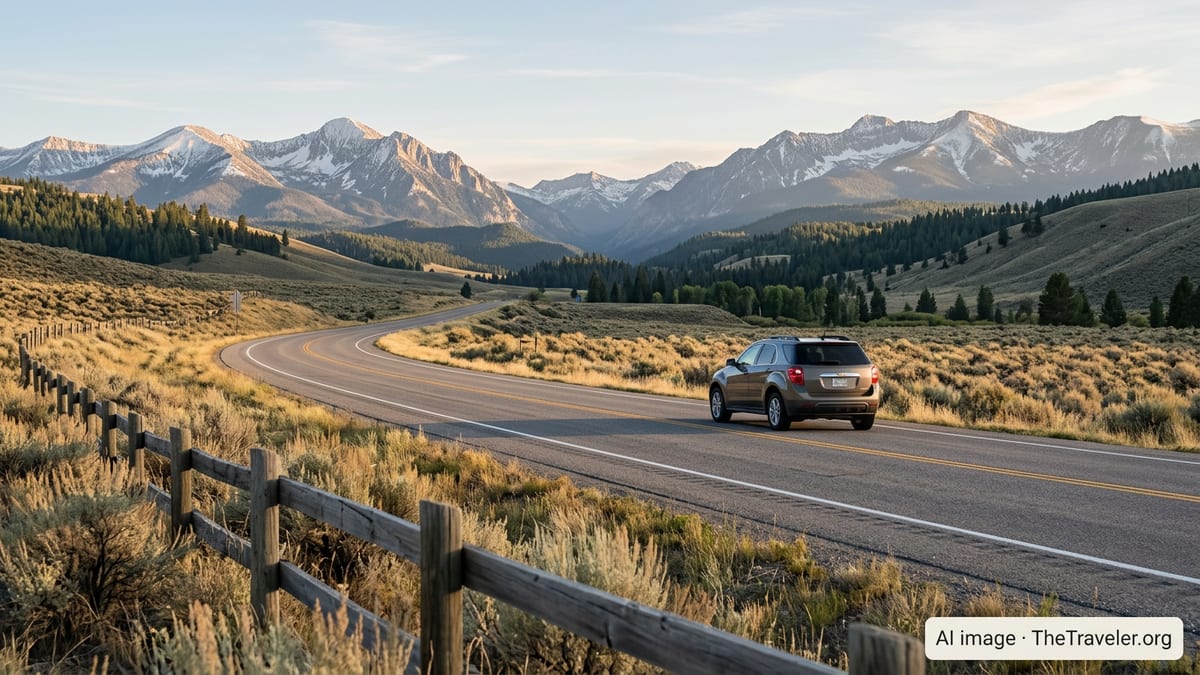
Understanding Idaho’s Geography and Distances
One of the first surprises for many visitors is just how large and sparsely populated Idaho really is. Distances that look manageable on a map can turn into half-day journeys once you factor in mountain passes, two-lane highways and weather. Boise to Coeur d’Alene, for example, is roughly an eight-hour drive even in good conditions, and reaching remote trail towns like Stanley or Salmon often involves winding roads with few services in between. Building in extra time is not just convenient, it is essential for traveling safely.
Population and services are concentrated in a few key corridors, particularly the Treasure Valley around Boise, the Magic Valley around Twin Falls, the eastern I‑15 corridor through Idaho Falls and Pocatello, and the Panhandle towns strung along US‑95. Between these hubs you will find long stretches of forest, rangeland and mountains with limited fuel, food and cell coverage. Travelers who are used to dense interstate networks and frequent rest areas will need to adjust their expectations and plan fuel and rest stops more deliberately.
Interstates 84, 86 and 15 form the backbone for north-south and east-west car travel in the southern half of the state, while US‑95 and US‑2 handle most long-distance traffic in the north. Scenic byways branch off these main routes into the central mountains and lake country, often narrowing to two lanes with steep grades and tight curves. These roads are beautiful but slow. For itinerary planning, assume that any route leaving the interstate will take longer than your navigation app suggests, especially in winter or during construction season.
Because of this geography, transportation options beyond private vehicles tend to be strongest in and between the larger population centers and more limited in rural areas. City buses, regional shuttles and commercial flights can link you between hubs like Boise, Idaho Falls, Twin Falls and Coeur d’Alene, but if your trip focuses on small towns, hot springs or remote trailheads, you will almost certainly need a car for at least part of your journey.
Driving in Idaho: Essentials for Visitors
For most travelers, driving remains the most practical way to get around Idaho. Major rental car companies operate at Boise Airport and at other commercial airports including Idaho Falls, Twin Falls, Pocatello and Lewiston, as well as in some city centers. Inventory can be tight during summer vacation season, winter ski holidays and major event weekends, so reserving vehicles well in advance is wise. If your plans include mountain passes, gravel roads or winter travel, look for vehicles with higher clearance and, ideally, all-wheel or four-wheel drive.
Idaho’s roads cover a wide range of conditions. Interstates are modern, generally well maintained and familiar to most U.S. drivers, but many of the state’s most scenic routes are two-lane highways without shoulders or passing lanes for long stretches. Local drivers may travel faster than posted speeds on dry pavement, while visitors may need to slow down dramatically on curves or in changing weather. Expect large trucks, farm equipment and wildlife, especially at dawn and dusk. Defensive driving, generous following distances and patience with slower traffic will make your trip more relaxing and safer.
Winter driving deserves particular attention. Snow, ice, fog and blowing wind can affect roads from late fall through early spring, especially in central and eastern Idaho and at higher elevations. Conditions can change rapidly as you climb into mountain passes, and a road that was bare and wet an hour earlier may develop compact snow and black ice after a storm front moves through. Carry basic winter gear in the car, keep your fuel tank at least half full in cold weather and be prepared to delay travel if conditions deteriorate or if authorities issue chain requirements or close high-risk segments.
Even in fair weather, plan your fuel and restroom stops ahead of time. While Idaho has a network of safety rest areas on interstates and some major highways, there are significant gaps between services once you leave urban corridors. Do not rely on a single small-town gas station being open late at night or on Sundays. Topping up your tank before heading into remote areas and checking distance to the next services will reduce stress and keep you from scrambling for fuel on dark, empty stretches of highway.
Road Conditions, Safety and Seasonal Travel
Staying informed about current road conditions is crucial in a state where mountain weather and seasonal hazards can reshape travel in a matter of hours. The Idaho Transportation Department operates a traveler information system that provides live updates on construction zones, closures, chain requirements and incidents across the state highway network. Before setting out each day, especially in winter or early spring, check for alerts along your planned route and consider alternative corridors if passes or canyon roads show significant delays.
Mountain highways such as State Highway 21 toward Stanley, the passes leading into Sun Valley and segments of US‑12, US‑93 and US‑95 can be affected by avalanches, rockfall and seasonal closures. Spring thaw often brings falling rock and potholes, while late-season snowstorms can briefly close passes even in April or May. In summer, wildfire activity can lead to smoky conditions and occasional road closures or pilot-car traffic control in active fire areas. Building flexibility into your itinerary gives you room to pause, reroute or wait out a closure rather than feeling pressure to push through marginal conditions.
Wildlife is another important safety consideration. Deer, elk and even moose inhabit much of Idaho and are frequently spotted along roadways, particularly around dawn, dusk and at night. When driving through forested or river corridor areas, slow down and scan the shoulders ahead for movement or eye shine from your headlights. If you encounter an animal on the road, brake firmly and in a straight line rather than swerving, which can lead to loss of control or head-on collisions. In rural areas, you may also encounter cattle or sheep being moved along or across roads; follow the directions of any herders and pass at a crawl when it is safe.
In winter, travelers should be prepared for traction laws and chain requirements in some mountain areas. Rental agencies may restrict which vehicles can be driven on certain roads during heavy snow periods, and they may not supply tire chains by default. If you are unfamiliar with winter driving, consider scheduling the most challenging routes, such as narrow canyon roads or passes, for midday when temperatures and visibility are generally better. When in doubt, local visitor centers, ranger stations and hotel front desks often have up-to-date, practical advice about current conditions nearby.
Public Buses and Local Transit in Idaho Cities
While Idaho is not known for extensive urban transit, several cities and regions do offer practical bus services that can be useful for visitors who plan to stay mostly within one metro area. In the Boise region, Valley Regional Transit operates fixed-route buses serving Boise, Meridian, Nampa and Caldwell, along with some express routes between downtown Boise and major employment or education hubs. Service frequencies and evening hours are more limited than in larger U.S. cities, but for trips between the airport, downtown and Boise State University, the system can be a convenient alternative to driving and parking.
Other Idaho communities maintain smaller-scale transit services, often focusing on seniors, people with disabilities and essential trips. Some of these systems also welcome the general public and may operate fixed routes or flexible deviated routes on weekdays. In places like Idaho Falls, Pocatello, Twin Falls and Coeur d’Alene, you may find local buses running along main corridors, often with modest fares and basic shelter stops. Because funding levels and contracts can change from year to year, it is important to check the latest schedules close to your travel dates rather than relying on older guidebooks.
For travelers, the most useful local transit applications are usually short urban hops: getting from the airport to a downtown hotel, traveling between a hotel and a university campus or commuting between lodging and a central transfer station. Many Idaho transit agencies now publish real-time information through their own websites or third-party trip planning apps, which can help you see whether a bus is actually running and how often it comes. When planning an airport connection by bus, allow generous time for delays and build a backup option such as a taxi or ride-hail, especially for early morning flights.
One key reality is that buses in Idaho rarely operate late into the night or with high frequency, particularly on weekends and holidays. This means local transit is typically best for daytime activities such as museum visits, downtown errands or campus tours. If your plans include late dinners, performances or brewery hopping, you will likely want a rental car or rideshare option for the trip back to your lodging. Always confirm last-trip times for your route in advance to avoid being stranded after service ends.
Regional Buses, Shuttles and Intercity Connections
Beyond city limits, regional and intercity buses provide important links between Idaho communities and neighboring states, though options are more limited than in many parts of the country. A few national and regional carriers connect Boise and other hubs to Salt Lake City, Spokane, Portland and other out-of-state cities, often stopping at intermediate towns along interstate corridors. These services are valuable for budget travelers, students and those who prefer not to drive long distances, but departures may be once daily or only a few times per week, and routes or stop locations can change with relatively little notice.
Within Idaho, privately operated shuttle services play a major role in connecting airports and ski or recreation destinations. During the winter season, resort shuttles typically run between nearby towns, ski base areas and parking lots, particularly around Sun Valley, Schweitzer and other major ski mountains. Some mountain towns also host seasonal services aimed at hikers and river runners, shuttling people to trailheads, rafting put-ins or popular hot springs. These services may require advance reservations and can sell out during peak periods, so it is wise to book once your travel dates are set.
College towns and regional employment centers sometimes support commuter-style buses that are open to the public, linking outlying communities with larger cities on weekday mornings and evenings. These can be useful if you are traveling between, for example, a smaller town and Boise or between campus communities in western Idaho, but they are not designed for flexible tourist schedules. Carefully check whether a route runs in both directions on the day you plan to travel, and be sure to understand pickup points, which may be simple roadside stops rather than staffed stations.
Because Idaho’s intercity and shuttle networks are fragmented and subject to change, successful trips often start with a hub-based strategy. Identify your main gateways such as Boise, Idaho Falls or Coeur d’Alene, then look at which regional buses or shuttles radiate from those points. In some cases you may combine a short flight into a smaller airport with a shuttle to your final destination, or pair a one-way car rental with a bus ride back to your starting point. Local visitor bureaus and resort websites can be particularly helpful in identifying seasonal shuttles that do not always appear in national booking platforms.
Airports and Regional Flights Across Idaho
Commercial air service plays an outsized role in connecting Idaho to the rest of the country and in bridging long in-state distances. Boise Airport is the state’s primary air hub, with multiple major airlines operating routes to large western and Midwestern cities and an increasing mix of seasonal and year-round flights. In recent years, airlines have added new connections from Boise to additional cities in the West and beyond, while also periodically adjusting or discontinuing routes in response to demand. As a result, it is worth checking flight options periodically while planning, as schedules can evolve closer to departure.
Beyond Boise, several regional airports provide scheduled passenger service and can significantly shorten your time on the road. Idaho Falls, Twin Falls, Pocatello, Lewiston and Sun Valley’s airport near Hailey all host commercial flights, primarily operated by regional carriers on behalf of larger airlines. These airports typically offer nonstop connections to one or more major hubs such as Salt Lake City, Denver, Seattle or Phoenix, which then link you to the broader national network. Because schedules and routes at smaller airports can be highly seasonal, direct flights may operate only during peak travel months or on particular days of the week.
For travelers headed to resort destinations, flying into a regional airport can be especially convenient. For example, visitors to Sun Valley may choose to fly directly into the local airport during winter and summer seasons when additional flights are scheduled, then rely on hotel shuttles or local transportation once on the ground. Likewise, Idaho Falls and Twin Falls can serve as gateways to Yellowstone, Grand Teton, Craters of the Moon and the central mountains, reducing driving time compared with flying into a distant metropolitan area and driving across multiple states.
In making your choice between flying and driving within Idaho, weigh the time savings against ticket prices, car rental availability and the need for flexibility once you arrive. Regional flights can save many hours over a long drive, particularly in winter, but smaller airports may have fewer rental car agencies or limited inventory at peak times. When planning tight connections between flights and ground transportation, give yourself a buffer in case of weather delays, which can be more common at high-elevation or mountain-adjacent airports.
Reaching Outdoor Destinations Without Your Own Car
Idaho’s draw for many visitors lies in its outdoor experiences: hiking in the Sawtooths, skiing in the Tetons, fishing remote rivers or soaking in natural hot springs. Reaching these places without your own vehicle is challenging but not always impossible, especially if you are willing to base yourself in a gateway town and use a mix of local shuttles, guided tours and walking or biking. Mountain resort areas often operate their own circulator buses in winter, connecting lodging, base areas and downtown shops. In summer, some communities add shuttle routes to trailheads or popular lakes to manage parking and reduce congestion.
Guided tour operators can also serve as effective transportation, particularly for activities like rafting, fishing or backcountry excursions. Many outfitters include pickup and drop-off in nearby towns as part of their packages, moving guests to and from river put-ins, trailheads or launch ramps that are otherwise difficult to access without a car. While these tours are focused on specific recreation experiences rather than general transport, they can help you see remote landscapes with less logistical stress and with the benefit of local expertise.
Cycling and bike rentals offer another way to get around certain communities, especially during the warmer months. Towns with established trail networks, riverfront greenbelts or downtown bike lanes make it easy to explore without driving. However, longer-distance cycling between towns is best left to experienced riders who are comfortable with narrow shoulders, changing weather and vehicle traffic on state highways. If you plan to rely heavily on cycling, research local rules about where bikes are permitted, and consider e‑bike rentals where available to help manage hills and higher elevations.
Ultimately, travelers who are determined to explore Idaho without driving should keep their geographic ambitions modest and focus on one or two regions with at least some transit or shuttle infrastructure. A week based in Boise with day trips by bus, bike and guided tour will feel very different from an itinerary that attempts to cross the entire state by public transportation. Clear communication with lodging hosts, visitor centers and tour operators ahead of time can reveal creative options you might otherwise miss, such as shared transfers or ride boards popular with seasonal workers and outdoor enthusiasts.
Practical Tips for Planning Your Idaho Itinerary
Because transportation networks in Idaho are less dense and less frequent than in many other destinations, successful trip planning often starts with transportation rather than with a list of sights. Begin by mapping out your arrival and departure points, whether that means flying into Boise, Spokane, Salt Lake City or another nearby hub, then sketch the main legs of your journey by car, bus or plane. Once you understand which days involve long drives or limited bus schedules, you can layer in sightseeing and activities around those fixed transportation commitments.
Building buffer days or half-days into your schedule is especially important if you will be traveling during winter, early spring or wildfire season. A single road closure on a mountain highway can cascade into missed connections, late arrivals at trailheads or lost deposit payments if your schedule is packed too tightly. Allowing an extra day between a remote backcountry excursion and your flight home, for instance, can relieve the anxiety of wondering whether an overnight storm or incident will derail your ability to get back to the airport on time.
Budgeting for transportation in Idaho also looks different from in big cities with robust transit networks. While fuel prices remain an important factor, the major costs for many visitors are likely to be rental cars, one-way drop fees, parking at resorts, regional flights and, in some cases, shuttle services to remote areas. Public buses are generally inexpensive where available, but their limited coverage means you may still need to combine them with taxis, rideshares or shared shuttles. Putting a realistic line item for transportation into your budget from the outset will help you compare options more clearly.
Finally, communication is key. Because smaller providers, particularly shuttle operators in rural areas, may adjust schedules seasonally or in response to events, it is wise to confirm details directly with the operator in the weeks leading up to your trip. Keep an eye on local news and tourism board updates, which may highlight major construction projects, detours or new flight and bus services that could influence your route. Staying flexible and informed will go a long way toward smoothing your journey across this expansive and rewarding state.
FAQ
Q1. Do I need a car to visit Idaho, or can I rely on public transportation?
For most itineraries, having a car gives you far more flexibility, especially for reaching small towns, trailheads and hot springs. Public transportation works best within a few metro areas and along certain corridors, but it is not comprehensive statewide.
Q2. Is winter driving in Idaho safe for visitors who are not used to snow?
Winter driving can be safe if you take it slowly, use an appropriate vehicle and are prepared to delay travel during storms. If you are very uncomfortable with snow and ice, consider focusing on lower-elevation areas or traveling outside the snowiest months.
Q3. Can I get from Boise to Coeur d’Alene without driving?
It is possible but not simple. You may be able to combine a regional flight with a shuttle, or use a mix of intercity buses and rideshares, but schedules are limited and routes can change, so expect a longer and less flexible trip than driving.
Q4. Are there buses from Idaho to nearby states like Utah, Washington and Oregon?
Yes, several regional and national carriers operate intercity routes linking Idaho with neighboring states, typically along interstate corridors. However, departures may be infrequent, and service levels can vary by season, so always check current timetables.
Q5. How early should I book rental cars in Idaho’s busy seasons?
During summer, major holidays and peak ski periods, it is smart to reserve a rental car as soon as your travel dates are firm. Popular vehicle types such as SUVs and all-wheel drive models often sell out first, especially at smaller airports.
Q6. Are there shuttles from Idaho airports to ski resorts?
In many cases, yes. Major ski destinations often have seasonal shuttles running between nearby airports, towns and the resort base areas, sometimes operated by the resorts themselves or by local transportation companies. Advance reservations are usually recommended.
Q7. Can I visit Idaho’s national parks and monuments without renting a car?
Reaching places like Yellowstone or Craters of the Moon from Idaho gateways without a car is challenging. Some tour companies offer day or multi-day trips that include transportation, but regular public transit to these sites is very limited or nonexistent.
Q8. How reliable are regional flights within and into Idaho?
Regional flights generally run reliably, but smaller airports and mountain weather can increase the risk of delays or cancellations, especially in winter. Building extra time into your itinerary around key flights is prudent.
Q9. Is cycling a practical way to get around Idaho towns?
Cycling can be a pleasant way to explore certain towns and greenbelt paths, particularly in places with established bike networks. For longer intercity travel, however, bike infrastructure is limited and highways can be challenging, so it is best suited to experienced riders.
Q10. What is the best way to handle long distances between Idaho towns?
For most travelers, driving is the most efficient way to cover long distances, supplemented by regional flights or buses where they align with your route. Planning fuel stops, rest breaks and overnight stays ahead of time will make these long legs safer and more comfortable.