

Endicott Arm is one of Southeast Alaska’s most dramatic fjords, a narrow waterway of sheer granite walls, drifting ice and views of Dawes Glacier that rival Glacier Bay. Yet its remote location inside the Tracy Arm Ford’s Terror Wilderness can make trip planning confusing. Cruise itineraries list it as a scenic cruising day, some tours depart directly from Juneau, and weather or ice can alter plans with little notice. Understanding how access actually works is the key to turning “Endicott Arm” on a brochure into a real-life glacier experience.
Understanding Where Endicott Arm Is and Why Access Matters
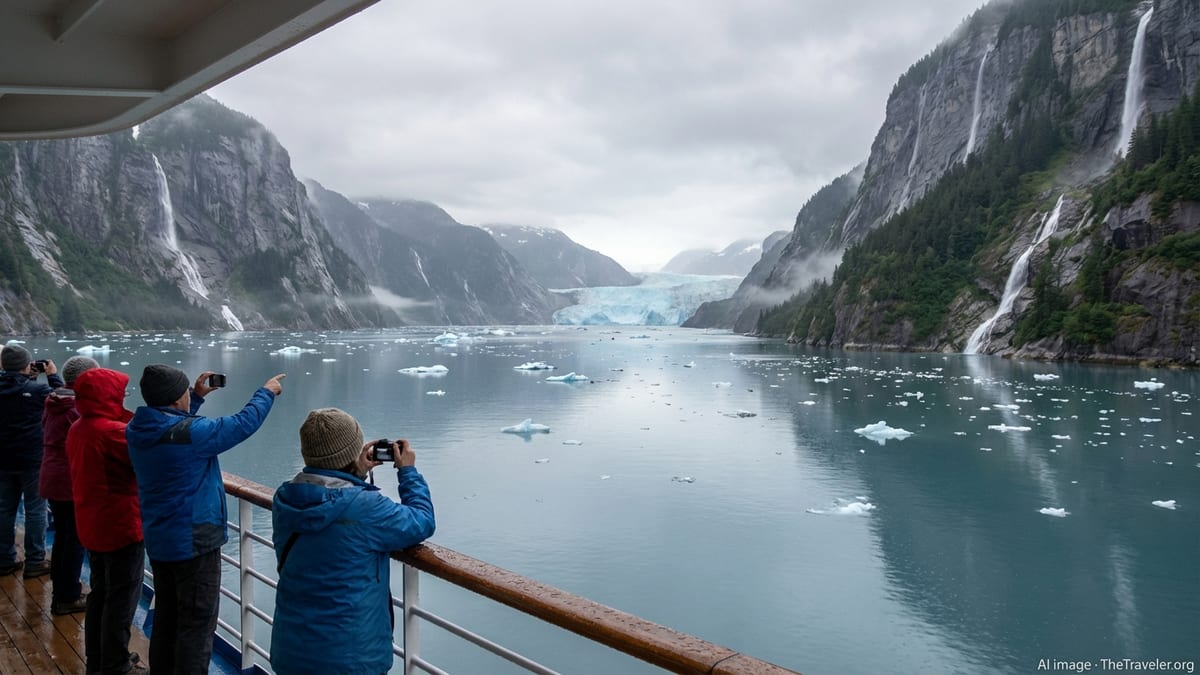
Endicott Arm lies about 45 miles southeast of Juneau as the crow flies, in a protected area known as the Tracy Arm Ford’s Terror Wilderness. It is a classic glacial fjord, carved by ice and now filled by the sea, with steep cliffs, waterfalls and dense temperate rainforest on its flanks. At the fjord’s head sits Dawes Glacier, a tidewater glacier that regularly calves icebergs into the water. The setting feels wild and remote, yet it is within reach of both large cruise ships and small tour boats.
Reaching this fjord is not like visiting a typical port town. There is no road access to Endicott Arm, no docks or visitor center and no settlements along its length. Every visitor arrives by water or by air, which means your options center on cruise ships, day boats and the occasional flightseeing trip. Because so many trips are constrained by tides, ice conditions and wildlife protection rules, it is important to treat any advertised Endicott Arm visit as weather dependent and subject to last minute changes.
Most travelers encounter Endicott Arm as part of a broader Inside Passage cruise. Ships originating in Seattle, Vancouver or San Francisco often spend a morning “scenic cruising” up the fjord, then continue to Juneau for an afternoon stop. Others choose to make Endicott Arm the centerpiece of a small ship expedition or a full day excursion from Juneau. Each approach offers a slightly different angle on the same landscape, from balcony views over the ice to kayak-level encounters with bergy bits in the water.
Visiting Endicott Arm on Major Cruise Lines
The easiest way for most people to reach Endicott Arm is on a mainstream Alaska cruise where the fjord appears as part of the itinerary. Several big ship brands periodically schedule voyages that include “Endicott Arm and Dawes Glacier” or similar wording. These cruises typically run seven days or longer, sailing round trip from Seattle, Vancouver, San Francisco or occasionally other West Coast ports, and pair Endicott Arm with stops in Juneau, Skagway, Ketchikan and sometimes Sitka or Victoria.
On these itineraries the ship usually enters Endicott Arm very early in the morning and spends several hours slowly navigating among the ice before reversing course. Passengers can watch from outer decks or private balconies as the captain maneuvers as close as conditions safely allow to the face of Dawes Glacier. When ice is light and visibility cooperative, the ship may approach to within a few ship lengths of the glacier front. On days with heavy ice or fog, the vessel may turn around miles short of the terminus, providing fjord scenery without a clear glacier view.
Cruise schedules commonly pair Endicott Arm with an afternoon and evening call in Juneau. A ship might list “Endicott Arm, morning” followed by “Juneau, afternoon to late evening,” giving passengers the chance to experience wilderness scenery and then step ashore in Alaska’s capital on the same day. Because the timing is tight, independent travelers who want additional excursions in Juneau need to pay attention to time in port and avoid overbooking. If you plan to tack on whale watching or a visit to Mendenhall Glacier, leave healthy buffers in case the scenic cruising runs long or disembarkation is delayed.
It is worth noting that large ship itineraries can evolve from year to year due to ice conditions, demand and operational constraints. Some departures that initially advertise Endicott Arm have later substituted other scenic cruising areas, or removed the fjord call altogether. Anyone booking primarily to see Dawes Glacier should read the fine print, monitor itinerary updates from the cruise line and understand that, even when the fjord remains on the schedule, access is always subject to safe navigation conditions on the day.
Small Ship Expedition Cruises and Overnight Voyages
For travelers who want more time immersed in Endicott Arm and the surrounding wilderness, small ship and expedition-style cruises provide an alternate route. These vessels, often carrying only a few dozen guests, usually embark or disembark in Juneau and spend several days weaving through the fjords, straits and islands of Southeast Alaska. Endicott Arm is often one highlight among many, alongside Frederick Sound, Tracy Arm and channels known for humpback whales and brown bears.
Small ships benefit from their size and flexibility. They can operate closer to shore, anchor overnight in protected coves and launch skiffs or kayaks that let guests experience the ice and shoreline at water level. When conditions permit, these cruises may linger longer near Dawes Glacier than a big ship can, shifting position as icebergs drift and wildlife appears. This does not mean they are immune to ice limits or safety rules, but the slower pace and smaller footprint usually translate to more intimate experiences.
Because expedition cruises are heavily focused on nature, they tend to operate in peak summer when daylight is long and wildlife activity is high. Sailings that include Endicott Arm typically run from late May through August and are marketed as adventure travel rather than classic resort-style cruising. Cabins are often simpler, time ashore may involve hiking or kayaking, and there is usually a team of naturalists on board interpreting glaciers, geology and marine life. Prices reflect the small-group nature of the product and are often significantly higher per day than mainstream big-ship cruises.
Travelers choosing this path should think carefully about their priorities and comfort level. The reward is more time near the ice and greater odds of unhurried glacier viewing. The trade-off is that you will not have the same range of entertainment or dining options found on the largest vessels, and you may feel the motion of the sea more acutely. For those who value wilderness immersion over onboard amenities, however, expedition-style voyages are one of the richest ways to experience Endicott Arm.
Day Trips to Endicott Arm From Juneau
Independent travelers staying in Juneau, or cruise passengers with a full day in port, can sometimes reach Endicott Arm by dedicated day boat tours. These trips are long, often ten to twelve hours from dock to dock, because of the distance from Juneau through Stephens Passage to the mouth of the fjord and then up to Dawes Glacier. When conditions align, they offer a chance to experience glacier country without committing to a full cruise vacation.
Commercial fjord tours typically depart Juneau’s cruise dock or nearby harbors in the morning and return in the early evening. Along the way, boats travel through productive marine habitat known for humpback whales, orcas, harbor seals, sea lions and porpoises. As the vessel turns into the fjord, the landscape tightens and the day shifts to glacial scenery: towering cliffs, braided waterfalls and ice in shades from milky white to deep blue. Most operators stop at safe distances from active ice faces to watch for calving and to give guests time for photos.
Travelers should be prepared for a physically long day in variable weather. Even in high summer, wind in the fjord can feel raw and cold, especially near the glacier where air cooled by the ice pushes down the valley. Dressing in layers, including waterproof outerwear, gloves and a warm hat, makes it more comfortable to spend time on outside decks where views are best. Since these trips keep you away from town for many hours, carrying snacks or a packed lunch is important, even when the operator includes food on board.
It is wise to check current offerings before planning a Juneau based Endicott Arm outing. Availability shifts based on demand, fuel costs and environmental considerations, and not every season sees multiple companies running day boats to the fjord. Some years there may be only a handful of departures, with seats selling out well in advance during peak months. If your heart is set on a specific glacier day trip, building flexibility into your Juneau schedule and booking early improves the odds of making it happen.
Ship-Based Endicott Arm Excursions That End in Juneau
An increasingly popular option for cruise passengers is the combination excursion that begins in Endicott Arm and ends in Juneau. On these tours, guests transfer from the cruise ship to a smaller tour vessel inside the fjord, often near the glacier, and then spend several hours exploring at close range before continuing by small boat all the way to Juneau’s harbor. The cruise ship sails out of the fjord and meets them later at the city pier.
This style of excursion offers two main advantages. First, the smaller vessel can usually navigate closer to the face of Dawes Glacier than a large cruise ship can safely approach, giving more detailed views of ice structure and calving events. Second, the ride back to Juneau becomes a dedicated wildlife search through Stephens Passage and neighboring waters. Guests may spot humpback whales, orcas, seals and sea birds along the route, with the flexibility to slow down or alter course when animals appear.
There are important logistics to understand before booking. These trips are typically sold by the cruise line as a shore excursion, even though they begin from the ship rather than from a dock. Departure is often early in the morning, sometimes before sunrise, and participants meet staff on board to transfer down to the tour vessel. Return is usually mid day or early afternoon at the Juneau dock, leaving time for additional activities ashore if planned carefully. Because these operations are tightly coordinated with the ship’s schedule, booking directly through the line rather than independently is common.
Space on these tours is limited and they can sell out months in advance, particularly on itineraries where Endicott Arm appears only once. If it is a priority experience, plan to reserve it as soon as excursions open for your sailing. It is also smart to build generous margins between this outing and any other Juneau plans, such as helicopter flights or independent whale watching, to account for potential timing shifts. If ice conditions prevent safe operation inside the fjord, the cruise line may modify or cancel the excursion, so having a mental backup plan for your day in Juneau helps soften any disappointment.
Flightseeing, Kayaking and Other Niche Access Options
While most visitors experience Endicott Arm from the deck of a ship or day boat, a small number of operators offer more specialized ways to approach the fjord and its glaciers. Depending on the season and current regulations, floatplane companies can sometimes provide flightseeing tours that include aerial views over the fjord and Dawes Glacier, either as a dedicated Endicott Arm flight or as part of a broader Juneau icefield itinerary. Seen from the air, the patterns of crevasses and the route of the valley carved by ice become dramatically clear.
Some multi day adventure voyages and chartered small boats incorporate kayaking amid the icebergs of Endicott Arm when conditions allow. These experiences are highly weather dependent and require careful risk management, as ice movement and calving can happen with little warning. When guides judge it safe, paddlers may launch into relatively sheltered pockets away from the active glacier face, gliding silently among small floating chunks of ice and listening to the distant creaks and booms of the glacier itself.
For independent travelers without a prearranged boat or expedition, opportunities to reach Endicott Arm via niche options are limited. There are no scheduled public ferries or regular water taxis that run directly from Juneau to the fjord solely as transportation. Private yacht charters do exist, but they are usually priced and structured as full scale trips rather than as simple one way or day runs. The remoteness of the area and the navigational challenges involved make unsupervised approaches riskier than they may appear on a map.
Travelers drawn to these more adventurous modes of access should prioritize working with reputable, safety focused companies and be realistic about their own comfort level in dynamic, cold water environments. Weather cancellations and route adjustments are common. Building flexibility into your itinerary and recognizing that the final call always rests with pilots, captains and guides will help ensure that, if you do reach Endicott Arm by these less conventional means, the experience is both memorable and responsible.
Timing, Seasons and What to Expect on the Water
Whether you arrive by cruise ship or from Juneau, timing shapes what you will see in Endicott Arm. The main visitor season runs from roughly May through early September, with mid summer offering the warmest air temperatures and the longest days. Early season trips may encounter more lingering snow on the surrounding peaks and potentially heavier ice in the fjord. Later in the summer, vegetation is at its fullest and wildlife activity can be robust, though autumn storms and shorter days begin to creep in by September.
Ice is the most important variable in determining how far any vessel can progress toward Dawes Glacier. After a winter of active calving, the fjord can be choked with icebergs of varying sizes, some of which extend far below the surface and pose hazards to hulls and propellers. Captains constantly balance the desire to deliver close glacier views with the obligation to keep passengers and crew safe. As a result, even trips marketed as “glacier viewing” may, on some days, offer only distant glimpses of the ice face or none at all if conditions are especially dense.
Weather in Southeast Alaska is famously changeable and most days involve some mix of low clouds, drizzle and brief windows of sunshine. In the narrow confines of the fjord, light can be muted and diffused, with mist curling around cliffs and waterfalls. These conditions can make photography rewarding but challenging, as scenes shift quickly from stark silhouettes to glowing sunlit rock. Waterproof, insulated layers, sturdy non slip footwear and protection for cameras and phones go a long way toward making several hours on open decks comfortable.
Seasickness is less common inside the protected waters of Endicott Arm itself than on open ocean routes, but travelers prone to motion issues may still feel the ship’s movements, especially in Stephens Passage on the approach to or from the fjord. Over the counter remedies and simple strategies such as spending time on deck in the fresh air and focusing on the horizon can help. Remember that even on a day when clouds hang low and rain falls steadily, the scale of the cliffs and the vibrant blues in the ice more than compensate for the lack of blue sky in the photos.
Planning Tips for Cruise Passengers and Independent Travelers
For travelers booking a big ship Alaska cruise, the most practical step is to decide early whether Endicott Arm is a must see or a welcome bonus. If it is central to your plans, filter itineraries to include the fjord by name and then read the day by day schedule carefully. Look for at least several hours allocated to “Endicott Arm and Dawes Glacier” rather than a vague scenic cruising description. Study how that day lines up with your time in Juneau, since the two typically share the same date on the calendar.
Once you have a sailing selected, keep an eye on itinerary updates from the cruise line. Schedules can shift many months before departure as lines fine tune routes, respond to changing conditions or adjust capacity. Closer to the sail date, check your cruise app or paperwork to see if Endicott Arm specific excursions such as small boat glacier tours are available and, if so, reserve them promptly. When booking any additional independent Juneau excursions on the same day, build in comfortable time buffers rather than stacking activities back to back.
Independent travelers based in Juneau face a different planning puzzle. Because Endicott Arm tours operate long days and are sensitive to ice and weather, it is unwise to thread them into tight flight connections or to assume that a specific day will be available late in the season. Aim to schedule your glacier day toward the middle of a multi day stay in Juneau rather than on the same day you arrive or depart by air. That way, if the operator needs to shift or cancel due to conditions, you may still have options to rebook within your visit window.
In all cases, be prepared for flexibility. Endicott Arm is not a theme park attraction with guaranteed views on a fixed clock. It is a dynamic glacial environment in a remote corner of Alaska, where decisions are made daily based on safety and conservation. Approaching your trip with realistic expectations and a sense of adventure makes it much easier to embrace whatever nature offers on the day, whether that is brilliant sunshine on a clear glacier face or moody clouds and the booming echoes of calving heard from farther down the fjord.
The Takeaway
Reaching Endicott Arm and Dawes Glacier is less about finding a specific road or ferry and more about choosing the style of journey that fits your travel ambitions. Big ship cruises give the broadest snapshot of Alaska’s Inside Passage, with a morning in the fjord often paired with an afternoon in Juneau. Small ship expeditions and Juneau based day trips, by contrast, trade large scale amenities for more concentrated time in glacial landscapes and closer encounters with the ice.
No matter which route you choose, the key is to understand that access to Endicott Arm is shaped by ice, weather and careful navigation rather than by fixed timetables. Itineraries that list the fjord are invitations, not promises, but even on days when conditions limit how far vessels can travel, the experience of entering such a deep, wild valley of rock, water and ice is memorable in its own right. With thoughtful planning, layered clothing and a willingness to let nature call the shots, your visit to Endicott Arm can become one of the defining moments of an Alaska journey.
FAQ
Q1. Can I get to Endicott Arm directly from Juneau without taking a cruise?
Yes, but only by boat or flightseeing tour. There are no roads to Endicott Arm, so access from Juneau is via long day boat excursions, chartered small vessels or occasional floatplane flights when offered.
Q2. How close will my cruise ship get to Dawes Glacier?
The distance varies with ice conditions and safety guidelines. On days with light ice, large ships may approach to within a few ship lengths of the glacier face, while on heavy ice days they might turn around miles away and provide only distant views.
Q3. Are Endicott Arm visits guaranteed on Alaska cruise itineraries?
No. Even when Endicott Arm appears on the schedule, access always depends on weather, visibility and ice. Cruise lines reserve the right to alter routes for safety, so treat the fjord call as planned but not guaranteed.
Q4. When is the best time of year to visit Endicott Arm?
Most visits happen between May and early September. Mid summer generally offers the longest daylight and the most frequent sailings, while early and late season trips may encounter more ice or stormier weather.
Q5. Will I have time to do other activities in Juneau on the same day as Endicott Arm?
Often yes, especially when your ship lists a morning in the fjord followed by an afternoon and evening in Juneau. However, because timing can shift, it is wise to leave ample buffers before booking additional excursions.
Q6. Do I need special gear for a day trip to Endicott Arm from Juneau?
You do not need technical equipment, but warm, layered clothing, a waterproof jacket, gloves, a hat and sturdy non slip shoes are strongly recommended. Bringing snacks and protecting cameras or phones from spray also improves comfort.
Q7. Are there public ferries from Juneau to Endicott Arm?
No. The Alaska Marine Highway and local ferries do not run regular service into Endicott Arm. Access is through dedicated tour boats, charter vessels, cruise ships or occasional flightseeing trips.
Q8. Is seasickness a concern on Endicott Arm trips?
Waters inside the fjord are usually relatively calm, but the approach through Stephens Passage can have some motion. Travelers who are sensitive to seasickness may wish to take preventive measures and spend time on deck in fresh air.
Q9. Can bad weather completely cancel an Endicott Arm excursion?
Yes. Heavy ice, poor visibility or strong winds can lead captains and pilots to shorten, reroute or cancel trips. Operators prioritize safety, so having flexible expectations and backup plans is important.
Q10. How far in advance should I book an Endicott Arm excursion?
For cruise line operated small boat tours and popular Juneau day trips, securing a spot several months ahead is prudent, especially in peak summer. Last minute availability is possible but cannot be relied on, particularly in July and August.