

More news on this day
As families return to the skies in growing numbers, more parents are discovering that the most unsettled passenger on board is not a nervous adult but an anxious child gripped by a fear of flying.
Get the latest news straight to your inbox!
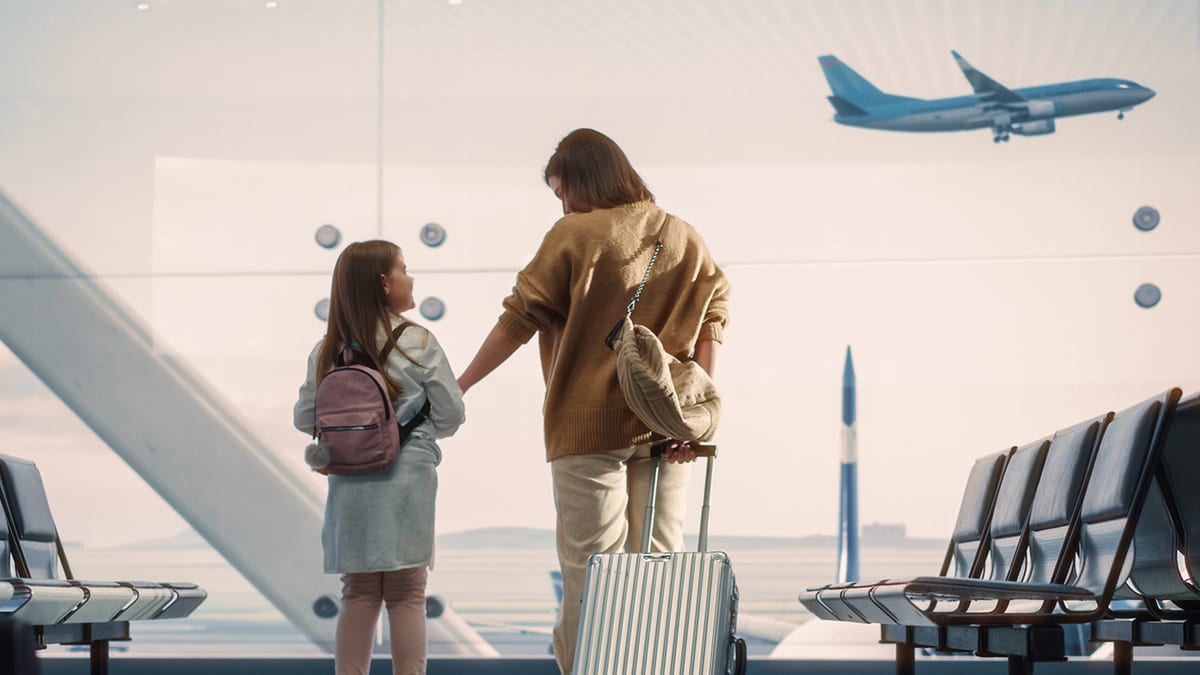
Image by Travel News – Tourism Tips, Guides & Deals | New York Post
Travel Anxiety in Children Is On the Rise
Clinicians and family travel specialists report that anxiety linked to flying has become more common among children, mirroring wider increases in childhood anxiety since the pandemic. Publicly available information from pediatric practices and mental health organizations notes that worries about turbulence, crashes or being far from home can surface even in children who have flown calmly in the past.
Travel anxiety in children often shows up days or weeks before departure. Reports describe recurring questions about safety, resistance to packing, trouble sleeping, stomach aches and tears at the airport. During the flight, some children cling to caregivers, refuse to sit down, or complain of dizziness and rapid heartbeat, which are physical signs of the body’s fight-or-flight response.
Specialists in child psychology emphasize that these reactions are not defiance but a stress response to a situation that feels unpredictable or out of control. Understanding that fear of flying is a recognized form of anxiety, rather than a behavior problem, is often the first step for parents trying to support a worried child.
Experts also note that some children inherit fear of flying from adults around them. Studies of family anxiety patterns suggest that when a parent is visibly tense about air travel, children quickly pick up on the cues, reinforcing their own sense that flying is dangerous.
Preparing Kids Before Takeoff Makes a Difference
Evidence-based guidance from child anxiety programs highlights preparation as one of the most effective tools for easing flight fears. Rather than waiting until arrival at the airport, parents are encouraged to talk through the trip several days in advance in calm, simple language appropriate to the child’s age.
Mental health resources recommend explaining the steps of the journey in order: arriving at the airport, passing through security, waiting at the gate, feeling the engines accelerate, and hearing unfamiliar sounds during takeoff and landing. Visual supports such as picture books, airport social stories and child-friendly videos about how planes work can help make the process more predictable.
Many children respond well to “previewing” sensations they may feel in the air, such as pressure in their ears or the bumpiness of turbulence. Travel medicine and aviation psychology materials suggest that when children know in advance that the plane may shake briefly and that this is normal, they are less likely to interpret turbulence as a sign of impending danger.
Parents are also urged to avoid shaming or dismissing language. Recent parenting guidance on travel anxiety warns that phrases such as “there’s nothing to be afraid of” or “don’t be silly” can shut down conversation. Instead, acknowledging the fear, validating feelings and then offering information about safety can help children feel understood and more willing to use coping strategies.
Borrowing Tools From Cognitive Behavioral Therapy
Cognitive behavioral therapy, or CBT, is widely regarded in clinical literature as a leading treatment for specific phobias, including fear of flying. While full treatment belongs in the hands of licensed professionals, several core CBT ideas can be adapted at home in simple ways for children facing an upcoming trip.
One strategy highlighted in recent psychology articles is helping children identify and name their anxious thoughts, such as “the plane will fall” or “I will not be able to breathe.” Parents can gently guide them to check those thoughts against facts, including the strong safety record of commercial aviation and the extensive training of pilots and crew, presented in age-appropriate terms.
Exposure-based approaches, often used within CBT, encourage gradual, controlled contact with feared situations. For flight anxiety, that might mean starting with looking at pictures of airplanes, then watching videos of takeoffs and landings, visiting an airport observation area if available, and finally taking a short flight before a longer journey. Clinical resources stress that the aim is to increase tolerance slowly, not to force a child into overwhelming situations.
Relaxation skills are another CBT-informed tool. Child-focused anxiety programs commonly teach diaphragmatic breathing, where children are coached to take slow breaths that fill the belly rather than the chest. Practicing this at home before the trip, sometimes paired with counting or visual imagery, makes it easier for children to use the technique during stressful moments in the air.
Keeping Parents Calm and Planful in the Air
Specialists in child development frequently point out that children read their caregivers’ emotions closely. If a parent grips the armrest, talks about being terrified or reacts strongly to every sound from the engines, a child’s anxiety is likely to escalate. Many counseling resources therefore encourage anxious parents to seek their own support well before flying with children.
Therapists who work with adult flight anxiety often recommend that parents practice their own coping strategies in advance, including breathing exercises, grounding techniques and factual reassurance about aviation safety. When parents can model steady breathing, relaxed posture and neutral or positive language during the flight, children tend to mirror that calmer state.
Simple planning choices on the day of travel can also reduce stress. Family travel advice suggests booking flights at times when children are usually well-rested, allowing extra time to get to the airport, and packing familiar comfort items such as a favorite stuffed animal, blanket or headphones. Having snacks, water and quiet activities within easy reach can prevent minor discomforts from tipping into major distress.
Some pediatric and mental health sources note that, for a subset of families, professional help may be appropriate, particularly if a child’s anxiety is so intense that it disrupts daily life or makes air travel impossible. In those cases, clinicians can assess whether structured CBT, family-based therapy or, in rare circumstances, short-term medication support is warranted.
Practical Coping Strategies Kids Can Use in Their Seats
On board, experts recommend giving children a small toolkit of coping strategies they can use independently. Many child anxiety guides describe grounding exercises such as the “five senses” technique, where a child silently identifies several things they can see, feel, hear, smell and taste to bring their attention back to the present moment.
Other recommended approaches include simple games or tasks that occupy both hands and mind, such as drawing, puzzle books or listening to stories. These activities can interrupt cycles of rumination about worst-case scenarios and help the flight time pass more quickly.
Children can also be coached to use private, reassuring statements, sometimes called coping thoughts. Examples highlighted in clinical materials include “I am safe with my family,” “Pilots know what they are doing,” or “Bumps are uncomfortable but not dangerous.” Repeating these quietly during takeoff or turbulence can counter catastrophic images.
Importantly, professionals stress that progress is often gradual. A child who manages to stay in their seat for the full flight, use breathing exercises once or ask for help before a panic escalates has already taken significant steps toward managing travel anxiety. Families are encouraged to notice and praise these efforts after each trip, reinforcing the idea that fear of flying can be reduced over time with practice, information and support.