

Planning a trip across multiple New England states is as rewarding as it is overwhelming. Six compact states, hundreds of small towns, and a short but spectacular peak season can make it hard to know where to start. With some smart timing, realistic routing, and a clear sense of priorities, you can turn a rough idea of “doing New England” into a focused itinerary that fits your style, budget, and available days.
Choosing the Best Time of Year for a Multi‑State Trip
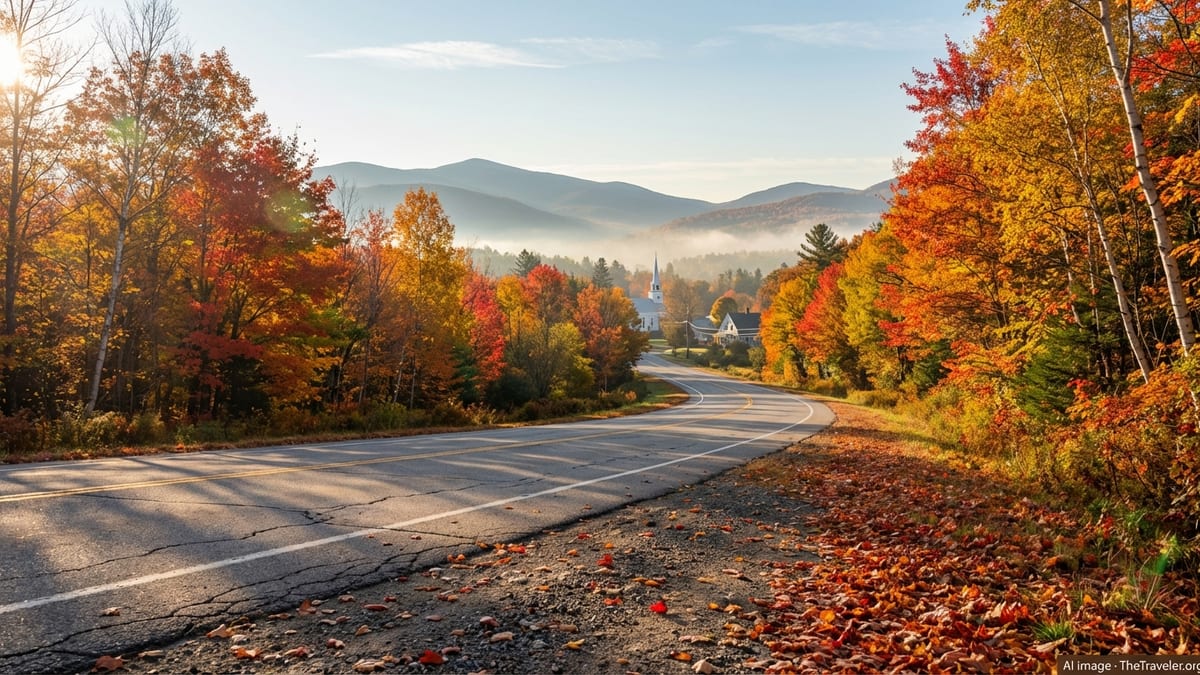
Before you sketch any route, decide when you want to travel. Seasons in New England are sharply defined and dramatically change what you can see and do. Late September through late October is the most sought‑after period, when fall foliage typically peaks first in northern Maine, Vermont, and New Hampshire, then rolls south into Massachusetts, Rhode Island, and Connecticut. Forecasts for recent years show that peak color in northern New England often arrives from late September into the first days of October, with central and southern New England usually peaking in the second and third weeks of October. Weather patterns vary from year to year, so treat any dates as a window, not an exact guarantee.
Summer, from late June through August, offers warm days, long daylight, and the best conditions for coastal and island destinations such as coastal Maine, Cape Cod, and Rhode Island’s beaches. It is also the most crowded and expensive time to visit, particularly around Fourth of July week and school vacation periods. Spring can be beautiful, especially from mid‑May into June, when towns re‑open after the quiet mud season and hiking trails dry out. Winter brings a different kind of trip, centered on skiing, snowshoeing, and mountain towns rather than road‑tripping between many states.
Leaf‑peeping travelers should stay flexible. Recent forecasts from outlets such as Old Farmer’s Almanac and regional foliage trackers suggest that drier, warmer summers can prompt earlier or shorter color seasons, with northern mountain areas sometimes reaching peak color by very late September and southern valleys not far behind. Build your trip around a general week‑long window and be ready to adjust which sub‑regions you visit first, driving north earlier if reports show fast color change or lingering in coastal Massachusetts and Rhode Island if cooler weather is slow to set in.
If you are not fixed to school holidays, consider planning for shoulder periods such as early September, late October after peak in the mountains, or late May and early June. You will often find lower lodging rates, easier restaurant reservations, and less congestion on scenic roads, while still enjoying many of the region’s classic experiences.
Deciding Which States and Regions to Combine
New England is compact, but trying to see all six states in a short trip can leave you rushing from one photo stop to the next. A practical way to plan is to think in regional clusters. For a first‑time visit of 7 to 10 days focused on fall or summer scenery, many travelers choose a northern arc that includes Vermont, New Hampshire, and Maine. This might mean flying into Boston, driving north through New Hampshire’s White Mountains, continuing to Vermont’s Green Mountains along scenic Route 100 or into small towns like Stowe and Woodstock, then heading east to coastal or inland Maine before looping back to Massachusetts.
If you have slightly less time or prefer more coastal and city experiences, a central‑southern combination can work better. This could anchor you in Boston and coastal Massachusetts, with side trips to Cape Cod, Rhode Island’s Providence and Newport, and select towns in Connecticut such as Mystic or the lower Connecticut River valley. Roads between these states are relatively short, which makes it easier to maintain a slower pace while still crossing multiple borders.
Travelers with two full weeks can realistically link all six states without turning the holiday into a marathon. One common approach is to design the route as a large loop: start in Boston, head north to New Hampshire and Vermont for mountains and small villages, swing east into Maine for coastline or Acadia‑area towns, then return south through inland or coastal Maine and New Hampshire before continuing through Massachusetts to Rhode Island and Connecticut. As you connect these points, think in terms of overnight “bases” rather than individual towns, choosing two or three hubs where you spend several nights and explore nearby areas on day trips.
When deciding which states to prioritize, consider your personal themes. For lighthouses, working harbors, and rocky coastline, Maine and coastal Massachusetts are essential. For covered bridges, rolling farmland, and classic small‑town greens, Vermont and New Hampshire stand out. For maritime history and food‑focused city breaks, Rhode Island and Connecticut punch well above their size. Matching your wish list to these strengths will help you build an itinerary that feels coherent instead of scattered.
Building a Realistic Route and Daily Itinerary
Once you have chosen a seasonal window and a core set of states, translate that into driving days that feel realistic. Distances between major New England destinations are shorter than on many U.S. road trips, but travel times can stretch because of winding two‑lane roads, traffic near Boston and New York, and frequent stops for photos or small‑town detours. A useful starting rule is to limit yourself to three to four hours of actual driving on most travel days, leaving the rest of the day for walking, meals, and local exploration.
To connect scenic highlights efficiently, use well‑known routes as spines. In New Hampshire, the Kancamagus Scenic Byway cuts through the White Mountain National Forest for roughly 30 miles, offering mountain passes, trailheads, and viewpoints without services directly along the road. In Vermont, long stretches of Route 100 run through the heart of the Green Mountains and are widely regarded as one of the state’s most attractive drives, particularly in autumn when surrounding hillsides turn shades of red, orange, and gold. Along parts of the Maine coast, a mix of U.S. Route 1 and smaller side roads leads you through working fishing villages and quieter peninsulas that showcase the region’s mix of rugged shorelines and harbor towns.
When you sketch out each day, balance one “headline” drive with time in one or two anchor towns. For example, a day in northern New England might combine a morning crossing of the Kancamagus Byway with an afternoon exploring a small town, taking a short hike, or visiting a local farm or cider mill. On coastal days, you might drive a modest stretch between two harbor towns, stopping at beaches, state parks, and lighthouses along the way. The goal is to avoid packing the schedule so tightly that every viewpoint is a quick roadside photo instead of a chance to walk, linger, and talk with locals.
Try to build in light days that do not involve changing hotels. In mountain regions, these could be days devoted to loop hikes and short drives to viewpoints, covered bridges, or waterfalls. In coastal areas, they might be slower days spent visiting islands by ferry, exploring historic districts, or simply relaxing at a beach. These pauses help keep long multi‑state itineraries enjoyable and reduce the stress that can come from constant packing and unpacking.
Transport, Lodging, and Getting Around Across States
For most travelers planning to visit several New England states in one trip, renting a car remains the most flexible option. Public transportation serves major cities and some intercity routes, but regional trains and buses rarely reach the smaller towns, trailheads, and coastal byways that many visitors have in mind. If you prefer not to drive in or out of major airports, you can combine rail and car rental by taking Amtrak into Boston or Portland and picking up a vehicle there. Regional routes such as the Downeaster, which runs multiple daily trips between Boston and Brunswick in Maine with stops along the coast, can form part of a hybrid itinerary where you rely on trains for longer legs and rent a car for local exploring.
When choosing where to stay, think in terms of character and convenience rather than raw distance covered. Classic New England lodging ranges from historic inns and bed‑and‑breakfasts in village centers to simple roadside motels and larger chain hotels near highway exits. In the busiest weeks of fall foliage and mid‑summer, small towns in Vermont, the White Mountains, coastal Maine, Cape Cod, and parts of Rhode Island can book out months ahead, so it is sensible to reserve early if your dates are fixed. Shoulder‑season travelers will often find more flexibility and occasional last‑minute options, especially on weekdays.
Nightly minimums are another important factor. Vacation rentals, coastal cottages, and some resort properties may require two‑ or three‑night stays, particularly on weekends. If you are trying to cover multiple states in a limited time, these requirements can shape how you divide your trip, nudging you toward a few longer bases instead of a chain of one‑night stops. There is no single correct approach; some travelers enjoy moving every day, while others prefer to unpack once and explore in loops. The key is to match your lodging pattern to your energy level and the amount of driving you are comfortable with.
Parking and city driving deserve consideration as well. In Boston, Providence, and parts of coastal Massachusetts and Rhode Island, parking can be expensive and traffic dense, especially at rush hours and on summer weekends. Many travelers choose to begin or end their trip with a car‑free city stay, relying on local transit, walking, and ride‑hailing, then picking up or dropping off their rental car on the way in or out. In smaller towns, by contrast, you will usually find free or low‑cost parking near main streets and trailheads, though popular scenic pullouts may fill early on peak foliage weekends.
Budgeting, Reservations, and Crowd Management
Costs on a multi‑state New England trip vary widely depending on season, lodging style, and how much you move around. In peak foliage season and mid‑summer, nightly rates in sought‑after areas like coastal Maine, Vermont ski towns, and Cape Cod tend to rise, and restaurant reservations can be hard to secure at short notice. If your budget is tight, consider staying just outside the most famous destinations, in less‑publicized neighboring towns that still allow easy day access. A small inland town near the coast or a village just beyond a ski resort can often provide more moderate prices without sacrificing atmosphere.
Advance planning pays off most when it comes to lodging and a handful of key activities. Booking accommodations several months in advance is wise for October weekends in northern New England, long summer weekends along the coast, and holiday periods. Popular attractions such as ferry crossings, whale‑watching trips, and some national and state park services may require reservations or timed entries, particularly in heavily visited locations. Check current requirements close to your travel dates, as policies can change with demand and staffing.
On the road, crowds tend to concentrate in predictable places and times. Scenic mountain passes and popular overlooks can be busiest from late morning through mid‑afternoon on weekends, especially during peak foliage. Aim for early morning or late‑day visits to reduce congestion and improve light for photography. Coastal towns with busy harbor districts, such as those in Maine and Rhode Island, may feel calmer if you arrive on a weekday or stay overnight, enjoying the early and late hours when many day‑trippers have not yet arrived or have already left.
Building flexibility into your plan is one of the best ways to manage crowds and weather. Try to identify alternate hikes, viewpoints, or nearby towns for each day so that if a primary route is closed or overwhelmed, you have a ready backup. Monitor local news and tourism sources for construction updates and seasonal closures, particularly in mountain passes and on smaller coastal roads. Accept that you may not see every “must‑see” location in a single trip, and allow yourself to enjoy quiet secondary roads and unplanned stops that often provide a more relaxed taste of New England life.
Safety, Weather, and Practical Tips Across State Lines
Even on a carefully planned itinerary, conditions can shift quickly across New England’s varied landscapes. In the mountains of New Hampshire and Vermont, weather can change within hours from clear skies to fog, rain, or early snow in spring and autumn. Pack layers, waterproof outerwear, and sturdy footwear, even if your itinerary is heavy on scenic drives rather than long hikes. On the coast, fog can roll in suddenly, reducing visibility on narrow roads; allow extra following distance and be prepared to slow down or pause at pullouts until conditions improve.
Road conditions also vary. Some of the most beautiful byways are two‑lane roads with limited shoulders, frequent curves, and occasional wildlife crossings. In places such as the Kancamagus Scenic Byway, there are no services directly on the route, so it is important to fill your gas tank beforehand, carry water and snacks, and confirm where restrooms are available. In winter and early spring, snow and freeze‑thaw cycles can create slick or potholed surfaces, so check local advisories and be cautious on less‑traveled side roads.
Mobile coverage is reasonably strong in and around cities and larger towns but can diminish in remote valleys, national forest areas, and parts of rural Maine and northern New Hampshire or Vermont. Download offline maps before leaving a larger center, keep a paper map as a backup if you plan to venture far from major routes, and share your approximate daily plan with a friend or family member if you are exploring more remote regions. Most popular trailheads and viewpoints see regular traffic, but it remains wise not to rely entirely on a mobile signal.
As you cross state lines, basic rules around speed limits, seatbelt use, and distracted driving enforcement are broadly similar, but speed limits can drop quickly when entering town centers or scenic areas. Pay close attention to posted signs to avoid fines, and remember that many small communities depend heavily on tourism; driving courteously, yielding to pedestrians, and respecting residential parking restrictions all help maintain a positive relationship between visitors and locals.
Sample Multi‑State Itinerary Ideas
Every traveler will customize their route, but it can help to see how a realistic multi‑state itinerary looks in practice. For a one‑week autumn trip focused on northern scenery, you might fly into Boston, spend a night in the city without a car, then pick up a rental and head north to New Hampshire’s White Mountains for two nights. From there, continue west into Vermont for two nights in a small town along Route 100, using your full day for a mix of scenic drives and short hikes. Wrap up with a final night in coastal Maine or back in Massachusetts before returning to Boston to fly home.
In summer, a different one‑week plan could center on Massachusetts, Rhode Island, and coastal Maine. After a day in Boston, you could spend two or three nights on Cape Cod exploring beaches and historic villages, then drive into Rhode Island for one or two nights in a coastal or city base. From there, travel north to Maine’s southern coast for a couple of nights, visiting a mix of busy and quieter harbor towns, then return to Boston for your departure. This approach limits long driving days while still including three distinct states and a variety of landscapes.
Travelers with 10 to 14 days might design a large loop that takes in all six New England states without feeling frantic. Starting in Boston, head first to coastal Maine for several nights, then travel inland toward the lakes and mountains on your way into New Hampshire and Vermont. After time in the Green and White Mountains, return south through western Massachusetts, perhaps stopping in the Berkshires, before curving into Connecticut and Rhode Island for a final coastal or city stay. By planning three to four primary bases rather than many one‑night stops, you see a broad range of states while preserving time to walk, dine, and explore at a human pace.
If this is your first visit and you prefer not to drive at all, you can still sample multiple states using trains and buses, though at the cost of some flexibility. For example, you could base in Boston and take day or overnight trips by rail to cities such as Providence, Portland, or smaller hubs along well‑served corridors, then rely on local tours and ride‑hailing to reach nearby attractions. This approach will not reach every scenic byway, but it can provide a stress‑free introduction to New England’s urban centers and select coastal areas.
The Takeaway
Planning a multi‑state New England trip is less about ticking off all six states and more about choosing a season, a theme, and a driving pattern that fit your interests and energy. With thoughtful timing, even a week can deliver a satisfying mix of mountain passes, village greens, and rocky coastlines, while longer itineraries allow for slower days and more in‑depth exploration. Focusing on a few well‑chosen bases, keeping driving days reasonable, and reserving key lodgings and activities in advance will go a long way toward ensuring a smooth experience.
Equally important is leaving space for spontaneity. Many of the most memorable moments in New England happen off the main routes: a last‑minute detour to a lakeside picnic spot, a conversation with a farmstand owner, or a foggy harbor walk that slowly clears into sunshine. By combining solid planning with a willingness to adjust to weather, crowds, and local tips, you give yourself the best chance to experience the region not just as a checklist of famous towns and scenic drives, but as a series of lived‑in, everyday places that reward unhurried attention.
FAQ
Q1. How many days do I need for a multi‑state New England trip?
Most travelers find that 7 to 10 days is enough to visit two or three states at a comfortable pace. With two full weeks, you can reasonably include all six states without turning the trip into a constant series of one‑night stays.
Q2. What is the best month to see fall foliage across several New England states?
If your goal is foliage, early to mid‑October is often the most reliable window to see color in multiple states, though some northern mountain areas may peak in late September and southern areas can hold color into the latter half of October depending on yearly weather patterns.
Q3. Should I try to visit all six New England states on my first trip?
It is possible, but not necessary. Many first‑time visitors focus on a northern trio such as Vermont, New Hampshire, and Maine or combine Massachusetts, Rhode Island, and Connecticut, then return on a future trip to explore the regions they missed.
Q4. Is public transportation enough for a multi‑state itinerary?
Public transportation works well between major cities and along a few key corridors, but it usually does not reach the smaller towns, trailheads, and scenic byways that define much of New England. For the most flexibility, most visitors rely on a rental car for at least part of the trip.
Q5. How far in advance should I book hotels for a fall foliage trip?
For October weekends in popular foliage areas, it is prudent to book several months ahead, especially in small towns with limited lodging. Weekday stays and shoulder‑season visits may offer more flexibility, but advance reservations still help you secure the locations and price range you prefer.
Q6. Are scenic drives in New England difficult or dangerous for new drivers?
Most major routes are well maintained and suitable for drivers with moderate experience, but some scenic byways are narrow, winding, and without services. If you are a newer driver, avoid driving long mountain passes after dark, build in extra time, and stop at designated pullouts rather than trying to sightsee while driving.
Q7. How can I avoid crowds on popular scenic routes?
Traveling on weekdays, visiting viewpoints in early morning or late afternoon, and exploring secondary roads and lesser‑known towns are effective ways to reduce crowding. Shoulder seasons just before or after peak foliage and high summer also tend to be quieter.
Q8. What should I pack for a multi‑state New England trip in autumn?
Layered clothing, a waterproof jacket, comfortable walking shoes, a hat and gloves for cooler evenings, and a small daypack are practical choices. Weather can shift quickly between coastal areas and mountains, so packing for a range of temperatures is wise.
Q9. Do I need to worry about crossing state borders by car?
For U.S. citizens and most visitors, crossing state lines in New England by car is straightforward, with no checkpoints. Be mindful of varying speed limits and local driving laws, but you will generally move between states as easily as between counties.
Q10. Is it better to start and end in the same city or use an open‑jaw itinerary?
Starting and ending in the same city often makes flights and car rentals simpler and cheaper, and New England’s compact size makes loop routes practical. Open‑jaw itineraries, where you arrive in one city and depart from another, can reduce backtracking if you have extra budget and want to cover more distance in a single trip.