

Dar es Salaam, Tanzania’s commercial and cultural powerhouse on the Indian Ocean, is often treated as a gateway to Zanzibar and the safari parks, but it is very much a destination in its own right.
Planning a trip here means thinking carefully about how you will arrive and move around, how to stay safe in a busy African megacity, and how to make the most of its coastal setting, markets, and emerging food scene.
With new bus rapid transit lines, expanding air links, and regular ferries along the coast and to Zanzibar, Dar es Salaam is easier to navigate than ever, provided you prepare in advance.
Understanding Dar es Salaam Before You Go
Dar es Salaam is a sprawling port city that has grown rapidly over the past few decades, now home to an estimated six million people. Its neighborhoods range from the bustling streets of Kariakoo and the historic city center to leafy embassy districts like Oysterbay and Msasani, and industrial suburbs stretching inland. The city’s geography matters for trip planning: traffic congestion can be intense and distances longer than they look on the map, so where you stay will shape how you experience Dar.
The climate is tropical and coastal, with high humidity year-round and temperatures that regularly sit in the high twenties or low thirties Celsius. There are two rainy seasons: the “long rains” roughly March to May and the “short rains” around November and December. Downpours can be heavy, flooding some streets and creating traffic gridlock, so consider this when choosing travel dates and planning daily activities. The dry months of June through October are generally more comfortable for moving around and sightseeing.
Most international visitors arrive in Dar es Salaam either for business, regional conferences, or as part of a longer itinerary that includes Zanzibar, the southern safari circuit, or overland journeys toward Malawi and Zambia. That mix of travelers means you will find both high-end business hotels and more modest guesthouses, plus midrange beach hotels along the peninsula. Booking accommodation close to where you expect to spend most of your time will save you hours in traffic and simplify your daily logistics.
Finally, you should be aware that Tanzania has, at times, been subject to higher-level travel advisories due to crime, potential unrest, and concerns for specific groups of travelers. Advisories and on-the-ground conditions can change, so it is important to check your government’s latest guidance shortly before departure and register your trip if your foreign ministry offers that service. Treat these notices as one planning tool among many, not as a reason to panic, and use them to fine-tune your safety strategy.
Arriving in Dar es Salaam and Getting Into the City
Most visitors arrive at Julius Nyerere International Airport, commonly referred to as DAR, which sits around 10 to 15 kilometers from the central business district depending on the route. The airport has three terminals, with Terminal 3 handling most international flights, Terminal 2 primarily for domestic services, and Terminal 1 for some charters and smaller operators. Distances between the terminals are walkable, though with luggage and heat you may prefer a short taxi ride if you need to transfer.
Getting from the airport into town is straightforward but requires a bit of negotiation. The simplest option is a licensed taxi from the rank directly outside arrivals. Taxis do not use meters, so you must agree on the fare before you get in. Typical rates to hotels in the city center or along the peninsula cluster around a fixed price in Tanzanian shillings that usually equates to the high teens in US dollars, with higher prices late at night or in heavy traffic. Have small local notes ready, and clarify whether the price quoted is per ride or per person.
Ride-hailing services such as Bolt and sometimes Uber operate in Dar es Salaam and can be a good alternative if you prefer app-based pricing and electronic receipts. Coverage is usually good in the central areas and around the airport, though surge pricing and patchy mobile data can occasionally complicate things. If you plan to rely heavily on ride-hailing, pick up a local SIM card at the airport or in town so you are not dependent on roaming data.
Budget-conscious travelers can use public transport to and from the airport. Local commuter buses stop roughly 500 to 1,000 meters from the terminals, with routes heading toward the city center, main bus terminals, and railway stations. Fares are a fraction of what you would pay for a taxi, but buses can be crowded, and they are less practical with bulky luggage or after dark. A limited commuter rail service also connects a station near the airport to the downtown rail terminus a few times per day, offering another low-cost option if your schedule aligns.
Getting Around: Buses, BRT, Taxis, and Ferries
Dar es Salaam’s size and traffic mean that your choice of local transport has a big impact on your trip. For everyday movement within the city, taxis and ride-hailing cars will be the most comfortable option for many visitors. Negotiate taxi fares clearly, ask your hotel about typical prices for common journeys, and avoid getting into unmarked or unofficial vehicles. With ride-hailing, double-check the driver and car details before boarding and share your trip with a friend or family member through the app when possible.
The city’s bus network is extensive and heavily used by residents. Conventional minibuses, often called daladala, and larger city buses ply dozens of routes between markets, suburbs, and transport hubs. They are very cheap but can be intimidating for first-time visitors due to crowding, lack of clear timetables, and limited English signage. If you plan to use them, it helps to ask hotel staff or local contacts to write your destination and nearest stop in Swahili on a piece of paper you can show conductors.
One of Dar es Salaam’s major infrastructure upgrades in recent years is the Bus Rapid Transit system, known locally as DART. Dedicated bus lanes and modern stations now serve key corridors, with additional phases continuing to roll out and an expanded fleet of articulated buses entering service. For visitors, the BRT can be an efficient way to cross the city more predictably than by car, especially during peak hours when regular traffic stalls. You will typically pay a modest fare at station kiosks or gates and then board high-capacity buses that run on marked routes.
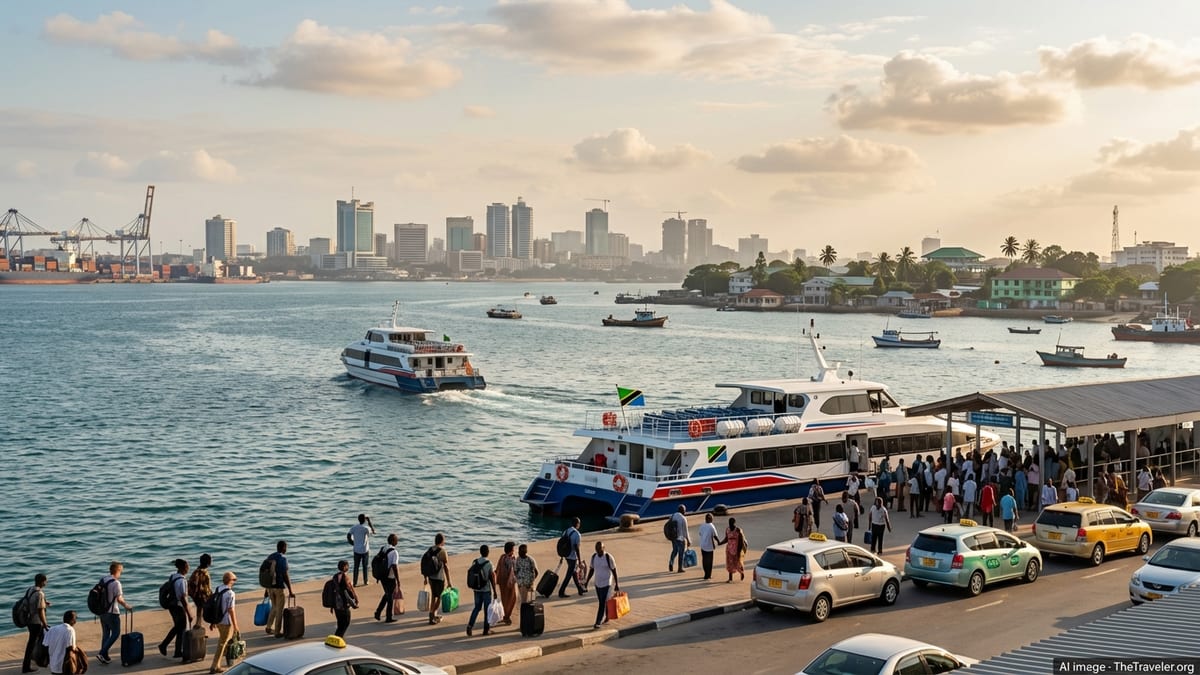
Because Dar es Salaam is a port city, water transport also plays a role. Regular passenger ferries connect the city center with Kigamboni, a district across the harbor that offers quieter beaches and residential areas. These short crossings are part of the fabric of daily life and can be a memorable way to see the skyline and port operations up close. For longer journeys, high-speed ferries connect Dar es Salaam to Zanzibar, usually taking around an hour and a half to a bit over two hours, with multiple sailings per day in both directions. Book reputable operators, arrive at the terminal early for security checks, and expect separate classes of seats at different price points.
Regional Links and onward Travel from Dar es Salaam
Dar es Salaam is more than a city destination; it is a major regional hub that stitches together East and Southern Africa’s roads, rails, and sea routes. If you are planning a wider itinerary, it is important to understand how and when you can leave the city and what kind of transport to expect. Many travelers use Dar as the launching point for Zanzibar, Southern Tanzania’s national parks, the coast near Kilwa, or even overland routes toward Zambia, Malawi, and the Democratic Republic of Congo.
For Zanzibar, you can either fly or take the ferry. Dozens of daily flights connect Dar es Salaam’s domestic terminal with Zanzibar’s airport, with flying time of about 20 minutes. This option is more expensive than the ferry but can be worth it if you value speed, flexibility, and the relative certainty of airline schedules. Alternatively, several fast ferry operators run modern catamarans and large passenger vessels between central Dar es Salaam and Stone Town. Depending on the vessel, crossing times range from about one hour and twenty minutes to around three hours for slower services. Economy seats are typically the most affordable, with higher-priced VIP or business classes offering more space and quieter cabins.
For inland travel, the Ubungo bus terminal is the main departure point for intercity coaches heading to Arusha, Moshi, Mwanza, Mbeya, and other regional centers. These long-distance buses range from basic to relatively comfortable, and most leave early in the morning. Because of the distances involved, travel times can be very long, and roads vary in quality once you are beyond the main corridors. Buying tickets a day or two in advance, or arranging them through a trusted agent or your hotel, reduces stress on departure day.
Rail travel is slowly reemerging as an option in Tanzania, with legacy lines operated by the national rail company and, in some cases, upgraded services coming online. Schedules and reliability can fluctuate, so if you plan to take the train from Dar es Salaam toward the interior, build in flexibility. The port itself occasionally offers passenger or mixed cargo routes along the coast or to nearby islands, but these are highly variable and require on-the-ground investigation, so they should not be the backbone of a tightly timed itinerary.
Safety, Security, and Cultural Awareness
Like many large cities, Dar es Salaam presents a mix of warm hospitality and real urban risks. Most visits are trouble-free, but petty crime and occasional violent incidents do occur, particularly in crowded areas, transport hubs, and some neighborhoods after dark. Planning with safety in mind will help you move around more confidently and reduce the chance of problems disrupting your trip.
Street crime such as pickpocketing and bag snatching can happen in busy markets, on public buses, and in nightlife areas. Keep valuables out of sight, carry only the cash you need for the day, and use a money belt or concealed pouch for passports and bank cards. Avoid walking while using your phone near busy roads, as opportunistic thieves on motorbikes can snatch devices. If you must navigate with your phone, step into a shop doorway or courtyard rather than stopping on a crowded sidewalk.
After dark, it is safest to take taxis or ride-hailing cars door to door rather than walking long distances, especially if you are unfamiliar with the area. Ask hotel staff which neighborhoods are considered safe for evening strolls and where you should be more cautious. Some coastal areas and waterfront promenades can be lively and pleasant in the early evening but quiet down later, so trust your instincts and do not be afraid to cut an outing short if you feel uncomfortable.
Culturally, Dar es Salaam is relaxed but conservative, with a strong Muslim presence as well as Christian and other communities. Modest dress is appreciated away from beach clubs and hotel pools, particularly in markets and residential neighborhoods. Public displays of affection are generally frowned upon, and laws and social attitudes can be particularly restrictive toward LGBTQ+ visitors. Travelers in same-sex relationships should be discreet and stay updated on the legal and social environment before and during their trip.
Practical Tips: Money, Connectivity, and Everyday Logistics
Practical planning can make the difference between a frustrating or a seamless stay in Dar es Salaam. The currency is the Tanzanian shilling, and while US dollars are widely recognized for larger transactions like hotel bills and some tours, everyday expenses are better handled in local currency. ATMs are common in shopping centers, fuel stations, and around central districts, although outages are not unheard of, so it is wise to withdraw cash when you can and keep a buffer on hand. Inform your bank of your travel dates to avoid card blocks.
Credit and debit card acceptance is growing, especially in international hotels, upscale restaurants, and supermarket chains, but you should not rely on cards alone. Smaller guesthouses, neighborhood eateries, local taxis, and street vendors often operate strictly in cash. Mobile money is widely used by residents, and some tour operators or drivers may accept transfers via local platforms, but foreign visitors typically find it easier to manage with a combination of cash and cards.
Staying connected is relatively straightforward. Mobile coverage in Dar es Salaam is good, and local SIM cards with data packages are inexpensive by international standards. You will need your passport to register a SIM, in line with Tanzanian regulations. Many hotels, cafes, and co-working spaces offer Wi-Fi, although speeds and reliability may vary. If you plan to use navigation apps and ride-hailing extensively, a local data plan is the most reliable option.
Day-to-day logistics include allowing ample time for traffic, staying hydrated in the heat, and planning your activities around the hottest part of the day. Morning and late afternoon are the most comfortable times for walking tours or open-air markets, while midday can be well spent in air-conditioned museums, shopping centers, or by the hotel pool. Always carry a basic supply of bottled water, sunscreen, insect repellent, and any prescription medications you need, as specific brands may be harder to find or more expensive than at home.
Health, Food, and Responsible Travel
Health preparation for Dar es Salaam begins before you board your flight. Consult a travel clinic or your doctor several weeks in advance to discuss recommended vaccines and malaria prevention, as Tanzania is in a malaria zone in many areas. Insect bites can also transmit other diseases, so packing and using repellent, wearing long sleeves and trousers in the evening, and sleeping under a mosquito net where provided are important habits. Travel insurance that covers medical evacuation is strongly recommended, particularly if you plan to visit remote areas beyond the city.
In Dar es Salaam itself, healthcare ranges from basic public facilities to private clinics with higher standards and English-speaking staff. In a serious emergency, you may be stabilized locally and then evacuated to another regional hub, which can be extremely costly without insurance. Keep a digital and paper copy of your insurance policy and emergency contact numbers with you, and know which clinics or hospitals your embassy or insurer recommends.
The city’s food scene is one of its highlights, blending Swahili coastal flavors with Indian, Middle Eastern, and international influences. You will find everything from fresh seafood grills on the waterfront to Indian vegetarian restaurants, beach clubs serving wood-fired pizzas, and simple local eateries offering rice, beans, and stews. To reduce your risk of stomach upsets, favor busy places with a high turnover of food, eat freshly cooked dishes served hot, and be selective with raw salads or street snacks if you have a sensitive stomach.
Responsible travel in Dar es Salaam also means being conscious of your impact on local communities and the environment. Choose locally owned hotels, guides, and restaurants where possible so more of your spending stays in the local economy. Be cautious about visits to orphanages or unregulated “slum tours,” which can do more harm than good. On the environmental side, plastic waste is a major issue in coastal cities; carry a reusable bag and bottle where safe potable water is available, and dispose of rubbish responsibly.
The Takeaway
Planning a trip to Dar es Salaam is about understanding the rhythms of a fast-growing African port city and preparing for its practical realities. Transport is varied and improving, from expanded bus rapid transit routes and increasingly busy air links to coastal ferries and ride-hailing cars. Safety requires common-sense precautions and awareness of your surroundings, but with planning most travelers move around the city without serious problems. Respecting local culture, dressing modestly in everyday settings, and being discreet with valuables will go a long way toward a smooth visit.
On the ground, everyday logistics such as managing cash, staying connected with a local SIM, and allowing extra time for traffic are just as important as choosing the right beach bar or seafood restaurant. Health preparation, including up-to-date vaccinations, malaria precautions if recommended, and comprehensive travel insurance, provides an essential safety net for your time in Tanzania. Finally, whether you use Dar es Salaam as a springboard to Zanzibar and the national parks or linger to explore its markets, neighborhoods, and waterfront, a bit of advance thought about transport, safety, and etiquette will help you experience the city in a more relaxed and rewarding way.
FAQ
Q1. Is Dar es Salaam safe for tourists?
Dar es Salaam is generally safe for visitors who take sensible precautions, but it does experience higher levels of petty crime and occasional violent incidents compared with many smaller destinations. Most problems involve pickpocketing, bag snatching, or opportunistic theft in crowded areas and at night. Staying in reputable accommodation, avoiding walking alone after dark, using licensed taxis or ride-hailing services, and keeping valuables out of sight will significantly reduce your risk.
Q2. How do I get from Julius Nyerere International Airport to the city center?
The most straightforward option is a taxi from the official ranks outside arrivals, with fares typically negotiated in advance and travel times ranging from about 20 to 40 minutes depending on traffic. Ride-hailing apps also operate and can be convenient if you have mobile data. Budget travelers can walk to nearby bus stops to catch commuter buses into town, but this is less practical with heavy luggage or after dark.
Q3. Is the public transport system in Dar es Salaam easy to use?
Public transport is extensive but can be confusing for first-time visitors. The bus rapid transit system, DART, is the most user-friendly option, with dedicated lanes and recognizable stations along key corridors. Conventional minibuses and city buses are cheap and numerous but crowded and less clearly signposted, so they are best tackled with some local advice and a clear idea of your route.
Q4. What is the best way to get to Zanzibar from Dar es Salaam?
You can either fly or take the ferry. Flights from Dar es Salaam to Zanzibar are very short and frequent, making them the quickest and often most convenient choice if your budget allows. Fast ferries from the city’s main port are more economical and offer a scenic crossing of around one and a half to three hours depending on the vessel. Whichever you choose, use reputable airlines or ferry companies and book in advance during busy seasons.
Q5. When is the best time of year to visit Dar es Salaam?
The most comfortable months are usually the drier, slightly cooler period from June to October, when humidity is a bit lower and heavy downpours are less frequent. The long rains from roughly March to May can bring intense showers and localized flooding, which may disrupt travel plans. That said, Dar es Salaam can be visited year-round if you are prepared for heat and occasional storms.
Q6. Do I need to worry about malaria and other health issues?
Tanzania is a malaria zone in many areas, and travelers should consult a medical professional about preventive medication and vaccines well before departure. In Dar es Salaam, mosquito exposure is a concern, particularly in the evening and near water, so use insect repellent, sleep under nets when provided, and wear long sleeves and trousers at night. Travel insurance that covers medical care and emergency evacuation is strongly recommended.
Q7. Is it easy to get cash and pay by card in Dar es Salaam?
ATMs are widely available in central districts, shopping centers, and around major roads, and they usually accept international cards, although outages can occur. Credit and debit cards are increasingly accepted in large hotels, upscale restaurants, and supermarkets. However, many smaller businesses, taxis, and local eateries still operate on a cash-only basis, so you should always carry some Tanzanian shillings for everyday expenses.
Q8. What should I wear to be respectful of local culture?
Dar es Salaam is relatively relaxed but remains conservative by global city standards, especially in residential neighborhoods and markets. Modest clothing that covers shoulders and knees is appreciated in most public settings, with beachwear best kept to hotel pools, beach clubs, or designated coastal areas. Light, loose fabrics are ideal for the heat while still being respectful of local norms.
Q9. Can I drink tap water in Dar es Salaam?
Tap water in Dar es Salaam is generally not considered safe for visitors to drink. It is best to stick to bottled or filtered water for drinking and brushing your teeth, and to be cautious with ice in drinks unless you know it is made from purified water. Many hotels and reputable restaurants use treated water in kitchens, but if in doubt, ask how water is handled.
Q10. How many days should I spend in Dar es Salaam?
If you are using the city primarily as a gateway, one or two nights may be enough to rest after your flight and explore the waterfront and markets. To get a more rounded sense of Dar es Salaam’s neighborhoods, food scene, and coastal setting, consider spending three or four days. This allows time to adjust to the pace of the city, explore at off-peak times to avoid the worst traffic, and perhaps fit in a day trip to nearby beaches or across the harbor.