

Huntsville, Alabama has evolved from quiet Southern town to "Rocket City" powerhouse, with space history, mountain trails, and a growing arts and food scene.
Planning a smooth trip here is less about ticking off a few museums and more about balancing science, nature, and relaxed Southern charm. This step by step guide walks you through everything from when to visit and how long to stay to choosing a neighborhood, booking activities, and navigating the city once you arrive.
Step 1: Decide When to Go and How Long to Stay
Huntsville is a year round destination, but your experience will change with the seasons. Spring and fall are generally the most comfortable, with mild temperatures that make it easy to split your time between outdoor spots like Monte Sano Mountain and indoor attractions such as the U.S. Space & Rocket Center. Summer brings heat and humidity, but it also coincides with school breaks and a busy calendar of festivals, baseball games, and outdoor concerts. Winters are usually cool rather than harsh, and many major attractions remain open, which can make this a quieter and often more affordable time to visit.
For a first trip focused on highlights, plan at least two full days, ideally three. The U.S. Space & Rocket Center alone can easily fill most of a day, especially if you enjoy interactive exhibits and simulators. Adding the Huntsville Botanical Garden, a stroll in Big Spring International Park, and an afternoon or morning on Monte Sano State Park trails quickly fills a long weekend. If you want to add day trips to nearby attractions such as Unclaimed Baggage in Scottsboro or spend more time on hiking and paddling, extend your stay to four or five days.
As you choose dates, check Huntsville’s events calendar for large conferences, sports tournaments, and major concerts. The city hosts minor league baseball with the Rocket City Trash Pandas, hockey games, soccer, and big name shows at venues like the Orion Amphitheater, which can affect hotel availability and rates. Booking early for spring, fall, and popular event weekends helps you secure the best choice of lodging and keeps your trip stress free.
Weather can shift quickly, so build some flexibility into your plans. Aim for a rough outline that includes both indoor and outdoor options each day. That way, if a thunderstorm rolls over Monte Sano or a summer afternoon becomes hotter than you like, you can swap in a museum, brewery, or gallery visit without feeling that you have derailed your entire itinerary.
Step 2: Set a Realistic Budget for Rocket City
Huntsville is generally more affordable than larger U.S. cities, but costs can still add up once you factor in museum tickets, dining, and transportation. Start by estimating your fixed expenses: transportation to Huntsville, accommodation for each night, and a ballpark figure for local transport. Because Huntsville is spread out, especially if you plan to visit Monte Sano or explore beyond downtown, most visitors find that having a car or renting one at the airport offers the best mix of convenience and value.
Next, research ticket prices for signature attractions. The U.S. Space & Rocket Center charges admission, with additional options for things like the INTUITIVE Planetarium or certain simulators. The Huntsville Botanical Garden charges a separate fee and sometimes offers discounted entry for children, seniors, or members of partner gardens. Many outdoor spaces, including parts of Monte Sano and greenway trails, are low cost or free, while state park day use or camping involves modest fees. Building your budget around a mix of paid and free activities keeps your overall spend manageable.
Food and drink costs in Huntsville range from budget friendly barbecue and meat and three diners to midrange farm to table restaurants and craft cocktail bars. Decide early whether you prefer to splurge on one or two special dinners or spread your dining budget evenly across the trip. If you book a hotel with breakfast included or choose a vacation rental where you can prepare simple meals, you can free up more of your budget for experiences like guided tours, live music, or an extra visit to a museum.
Finally, include a small buffer for unexpected finds. Huntsville has an active maker and arts community, with local shops selling space themed souvenirs, regional art, and handcrafted goods. Leaving a bit of room in your budget means you can say yes to an intriguing gallery piece or an unplanned coffee stop without needing to recalculate every other part of your trip.
Step 3: Choose How You Will Get There and Around
Planning your route to Huntsville is straightforward once you know your starting point. Huntsville International Airport, located just outside the city, offers direct flights to several major hubs, making it easy to connect from other U.S. and some international cities. If you are within a day’s drive, arriving by car can be very practical, especially if you want to explore the wider region or build Huntsville into a longer road trip through the Tennessee Valley, Nashville, Birmingham, or Chattanooga.
After you arrive, your transportation choices will shape how you experience the city. Huntsville does have public transit, but routes and frequency are limited compared with big metropolitan systems. Taxis and rideshare services operate in and around the city and can work well if you plan to stay mostly in the downtown area and only occasionally venture to specific attractions. However, if your plans include the U.S. Space & Rocket Center, Huntsville Botanical Garden, Monte Sano State Park, and evening events spread across town, renting a car usually provides the most flexibility and can even reduce your total spend compared with multiple rideshare trips each day.
When you map out your days, group attractions by area to cut down on travel time. For example, you might devote one day to the U.S. Space & Rocket Center and the nearby Huntsville Botanical Garden, since they sit close to each other off the same highway corridor. Another day might focus on downtown Huntsville, Big Spring International Park, the Huntsville Museum of Art, and surrounding neighborhoods. A separate half day or full day could focus on Monte Sano Mountain, Burritt on the Mountain, or the Monte Sano Nature Preserve trails. Planning this way keeps your days from becoming long strings of disconnected drives.
If you are visiting during a busy event or staying downtown, parking is worth planning ahead. Many hotels offer on site parking for a daily fee, and public lots and garages serve major attractions. At the U.S. Space & Rocket Center and most parks, parking is typically ample and straightforward. Build a few extra minutes into your schedule the first time you drive to a new area so you can navigate new roads calmly and arrive at your timed entries or tours relaxed.
Step 4: Pick the Right Neighborhood and Book Your Stay
Huntsville’s compact size means you are rarely more than a short drive from key attractions, but choosing the right base can still make your trip smoother. Downtown Huntsville suits travelers who want to explore on foot in the evenings, with restaurants, bars, and Big Spring International Park within walking distance. Staying downtown also makes it easy to visit the Huntsville Museum of Art and enjoy events on the square or in nearby venues without worrying about driving after a late show.
The area near the U.S. Space & Rocket Center and Huntsville Botanical Garden works well if your trip centers on space and science or you are visiting with children. Hotels here tend to be modern and geared toward families and business travelers, with quick access to the interstate. You can reach the museum complex in just a few minutes, which simplifies mid day breaks or returning to your room if younger travelers need downtime. This area also keeps you conveniently positioned for drives to the airport and major highways.
If you are drawn to green space, Monte Sano State Park offers cabins and campsites atop the mountain, with cool breezes and trailheads right outside your door. Waking up to views over the Tennessee Valley and watching the sun set from an overlook adds a distinctly different feel from a typical in town stay. Keep in mind that you will still need to drive down the mountain to reach most attractions and restaurants, so this option suits visitors comfortable with a daily commute in exchange for a woodland setting.
Once you have chosen a general area, narrow your options based on your priorities. Families might look for larger rooms, pools, and included breakfast. Couples may prioritize boutique style hotels or rentals with character. Business travelers often favor properties with strong Wi Fi, workspaces, and proximity to research parks. Read recent guest reviews for comments on noise, cleanliness, and access, and then book as early as is reasonable for your travel window, especially if your visit overlaps with a major conference, sports season, or holiday period.
Step 5: Build a Day by Day Huntsville Itinerary
With dates, budget, and lodging in place, the next step is designing a day by day plan that balances must see attractions with time to wander. Many visitors start with the U.S. Space & Rocket Center, which showcases rockets, spacecraft, interactive exhibits, and artifacts from the U.S. space program. The center features items such as a Saturn V rocket displayed horizontally, space capsules, and hands on simulators that give a taste of astronaut training. Recent additions like advanced planetarium shows and updated exhibits keep the experience fresh even for repeat visitors.
Pair the U.S. Space & Rocket Center with the Huntsville Botanical Garden, located nearby. The garden covers well over 100 acres and includes themed areas, a children’s garden, and seasonal events that range from flower festivals to holiday light displays. Walking paths wind through wooded sections, open lawns, and water features, making this a pleasant counterpoint to the high tech environment of the rocket center. If you are traveling with younger children, plan extra time in the children’s areas and pack a change of clothes if water play is a possibility.
Another day could focus on Huntsville’s urban and cultural core. Begin in Big Spring International Park, where fountains, ponds, and open lawns sit steps from downtown streets. From there, visit the Huntsville Museum of Art, which hosts changing exhibitions alongside its permanent collection. Nearby, you can explore historic neighborhoods, browse local shops, or stop for coffee and lunch at independent cafes. In the evening, look for live music, comedy, or theater at venues across the city, or plan ahead for a performance at major sites like the Orion Amphitheater during its active seasons.
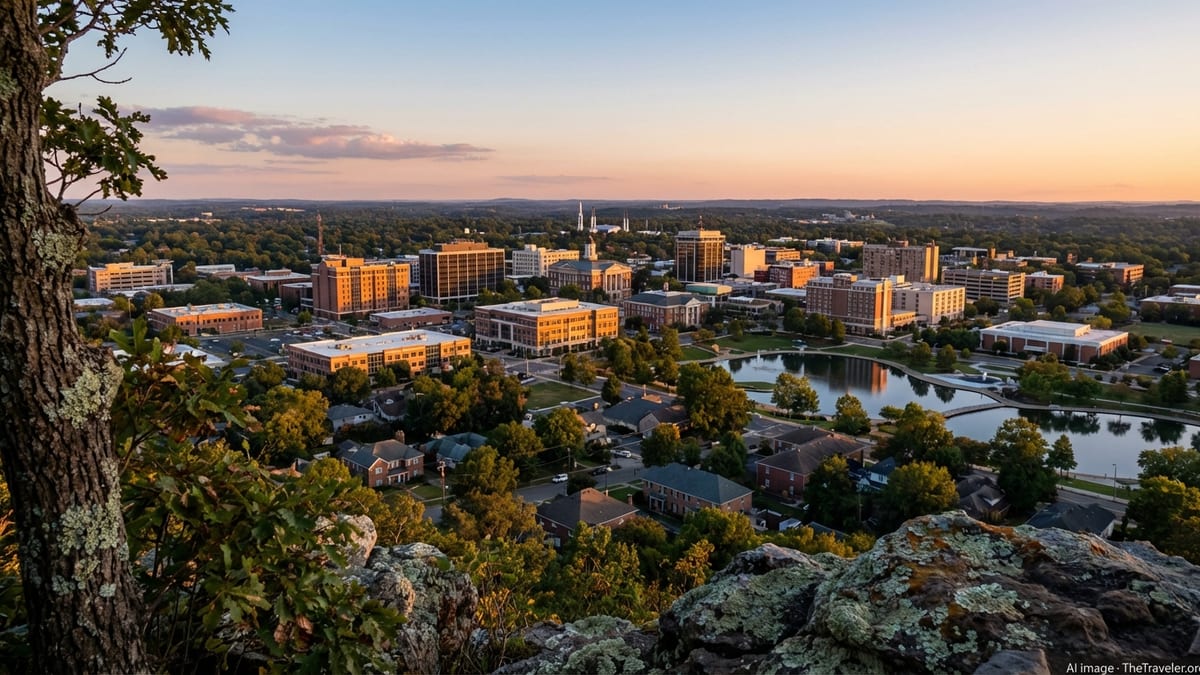
For your final full day, head toward the mountains that frame Huntsville. Monte Sano Mountain and the adjoining Monte Sano Nature Preserve offer miles of trails suitable for different ability levels, from short nature walks to longer hikes. Burritt on the Mountain, perched on a neighboring peak, combines a historic mansion, open air museum buildings, and sweeping views over the city and valley. If you are visiting on a clear evening, consider timing your visit to enjoy sunset from an overlook or schedule a trip to the Von Braun Astronomical Society’s observatory and planetarium events when available, where local enthusiasts share views of the night sky.
Step 6: Factor in Food, Nightlife, and Local Culture
Food is a key part of understanding Huntsville’s character, which blends traditional Southern comfort dishes with influences from a growing, technology driven population. As you plan your days, mark down at least one barbecue spot, one classic Southern restaurant, and one place that reflects the newer side of Huntsville, such as a contemporary bistro or international eatery. This mix will give you a more complete sense of how the city is evolving while still rooted in regional flavors.
Huntsville’s craft beer scene has expanded in recent years, with breweries and taprooms spread across different neighborhoods. Many host food trucks, live music, or community events, making them relaxed evening options after a day at the museum or on the trails. If you prefer wine or cocktails, look for bars and lounges downtown or in emerging districts that focus on well made, straightforward drinks rather than over the top presentations. Most venues are casual and welcoming, reflecting the city’s laid back personality.
For nightlife beyond food and drink, live music is a natural fit in Huntsville, from small stages to major venues. Check schedules at local amphitheaters, halls, and bars before your trip and consider anchoring one night around a concert or show. Sporting events like hockey games, soccer matches, and baseball also contribute to the city’s after dark energy and can be an easy way to connect with locals. Even if you are not a diehard fan, the experience of cheering along with the crowd adds color to your visit.
Finally, look for chances to experience Huntsville at a slower pace, whether that means renting a kayak on a nearby river or lake, strolling farmer’s markets in season, or simply sitting in Big Spring International Park watching families and office workers share the same green space. These quieter moments often provide your most lasting memories and balance out the high energy of simulators, stadiums, and packed event calendars.
Step 7: Plan for Day Trips and Regional Add Ons
Once you have a solid handle on your core Huntsville days, consider whether you want to add short excursions. One popular option is a drive to Unclaimed Baggage in Scottsboro, a unique retail destination that sells items from lost airline luggage. The store displays a wide range of goods, from clothing and electronics to more unusual finds, and has drawn national attention as a distinctive Alabama experience. Visiting here works best as a half day trip, giving you time to drive, browse, and return without rushing.
Nature lovers may choose to extend their time in the surrounding region. The Tennessee River and its reservoirs offer opportunities for boating, fishing, and lakeside picnics within driving distance. State parks beyond Monte Sano feature additional trails, waterfalls, and scenic drives. If you are combining Huntsville with other Southern cities, you might travel on to places like Nashville, Birmingham, or Chattanooga, each of which lies roughly a few hours away by car and offers its own blend of cultural and outdoor attractions.
As you add day trips, be realistic about your energy levels. A full day at the U.S. Space & Rocket Center followed by a long evening drive to another city is likely to feel rushed rather than rewarding. Try to position longer drives on arrival or departure days, or insert a lower key day between big outings. For example, you could sandwich a day trip to Scottsboro between a busy museum day and a relaxed day of downtown strolling and light hiking.
When mapping these add ons, double check opening hours and potential seasonal closures. Some attractions scale back operations in winter or early spring, while outdoor facilities may have specific seasons for guided tours and rentals. Confirm basics like hours and major holiday schedules as you finalize your itinerary so that you do not arrive to find a gate locked or a tour fully booked.
The Takeaway
Planning a trip to Huntsville step by step gives you the freedom to enjoy both its world class space heritage and its quieter side, from mountain trails to city parks. Starting with the basics of timing, budget, transportation, and neighborhood choice, you can build a stay that fits your interests and pace rather than following a rigid template. Grouping attractions by area, mixing indoor and outdoor activities, and allowing time for unexpected discoveries all help your days feel full but not frantic.
Whether you stand beneath a towering Saturn V rocket, wander among flowers in the Huntsville Botanical Garden, watch the sun set from Monte Sano, or listen to live music under the stars, Huntsville rewards curiosity. With a thoughtful plan in place, you will have the structure you need and enough flexibility to say yes when something catches your eye. That balance is the heart of a successful Rocket City getaway.
FAQ
Q1. How many days do I need for a first trip to Huntsville?
Most visitors are satisfied with two to three full days, which allows enough time for the U.S. Space & Rocket Center, Huntsville Botanical Garden, downtown sights, and at least a short visit to Monte Sano. If you want day trips or a slower pace, consider four or five days.
Q2. What is the best time of year to visit Huntsville?
Spring and fall typically offer the most comfortable weather, with mild temperatures that suit both outdoor activities and sightseeing. Summer is busier and hotter but good for families on school break, while winter brings fewer crowds and can be budget friendly if you do not mind cool, occasionally damp days.
Q3. Do I need a car in Huntsville?
Having a car is highly convenient, especially if you plan to visit the U.S. Space & Rocket Center, Monte Sano, and outlying neighborhoods. Rideshares and limited public transit can work for a short, downtown focused stay, but a rental car or your own vehicle provides the most flexibility and can save time.
Q4. Is Huntsville a family friendly destination?
Yes. The U.S. Space & Rocket Center, Huntsville Botanical Garden, children’s museums, parks, and easy access to nature make Huntsville very appealing for families. Many hotels cater to families with pools and larger rooms, and restaurants are generally casual and welcoming to kids.
Q5. Where should I stay if I want to walk to restaurants and nightlife?
Downtown Huntsville is your best option if you prefer to walk to dinner, bars, and evening events. Hotels in and around the central district put you close to Big Spring International Park, the Huntsville Museum of Art, and a variety of dining and entertainment venues.
Q6. Can I visit the U.S. Space & Rocket Center and Huntsville Botanical Garden in one day?
Yes, many travelers combine them in a single day since they are located near each other. Plan to spend several hours at the rocket center in the morning, then move to the garden in the afternoon. If you like to read every exhibit panel or linger in the garden, you may prefer to give each attraction more time.
Q7. What should I pack for a trip to Huntsville?
Pack comfortable walking shoes, layers for changing temperatures, and rain protection in case of sudden showers. For outdoor time on Monte Sano or along trails, bring a small daypack, reusable water bottle, sun protection, and insect repellent, especially in warmer months.
Q8. Is Huntsville expensive compared with other U.S. cities?
Huntsville is generally more affordable than many larger coastal or resort cities. Accommodation, food, and tickets to attractions are usually midrange, and you can control costs by mixing paid experiences with free parks and trails and by choosing budget friendly dining options.
Q9. Are there safety concerns for visitors in Huntsville?
Huntsville is similar to many mid sized American cities in that most visitor areas feel safe during normal travel hours. Use standard precautions such as locking your car, keeping valuables out of sight, and being aware of your surroundings at night, and check with your lodging for any neighborhood specific advice.
Q10. Can I combine Huntsville with other destinations on the same trip?
Yes. Huntsville works well as part of a wider Southern itinerary. Many travelers pair it with Nashville, Birmingham, or Chattanooga, all of which are within a reasonable driving distance and offer complementary mixes of culture, history, and outdoor experiences.