

Traveling from Montreal to Quebec City is one of the most rewarding short journeys in Canada, linking two historic, culturally rich cities in just a few hours.
Whether you prefer the comfort of a train, the savings of a bus, the freedom of a road trip, or the speed of a short flight, there are clear step by step options to suit every style and budget. This guide walks you through each major mode of transport, how to plan and book, and what to expect along the way.
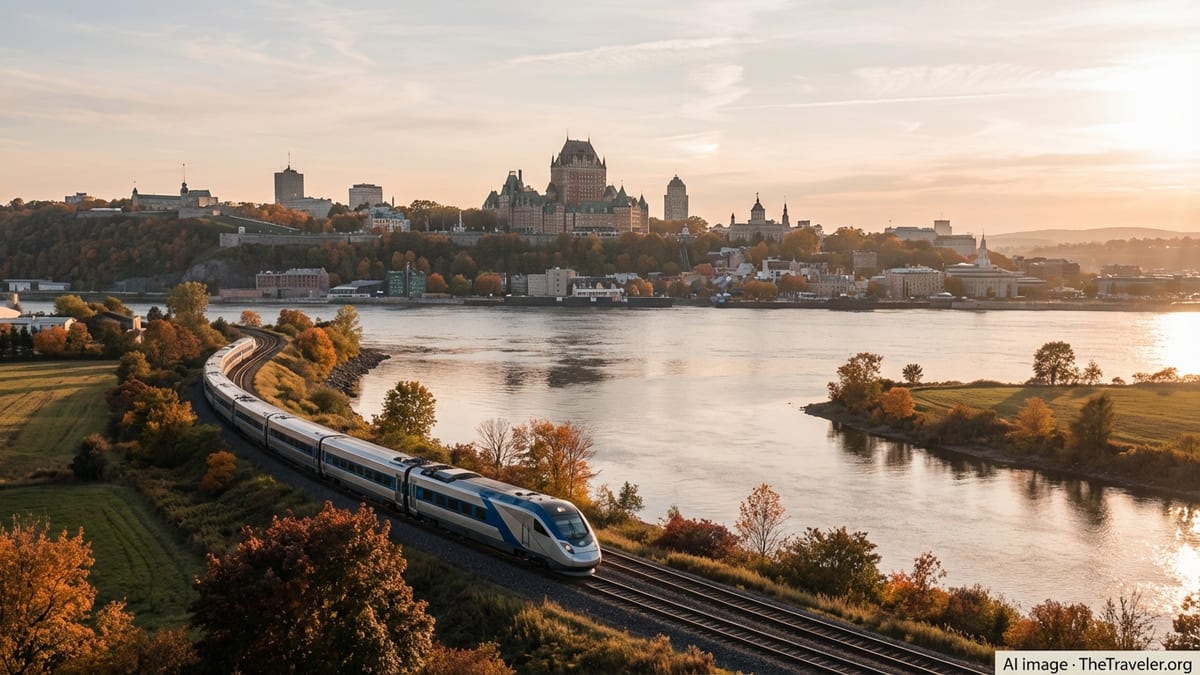
Understanding Your Route From Montreal to Quebec City
The distance between Montreal and Quebec City is roughly 250 kilometers by road, and the most common travel time ranges from about 3 to 4 hours depending on your chosen mode of transport and traffic conditions. The route is well served by highways, rail lines and intercity buses, so you can choose convenience, price or comfort as your main priority.
Montreal sits in southwestern Quebec, while Quebec City lies farther northeast along the Saint Lawrence River. Most routes follow this river corridor. By car and bus, the standard path is along Autoroute 20 or Autoroute 40. By train, intercity services follow the rail line that roughly parallels the river, linking downtown Montreal to downtown Quebec City with no need to navigate local transit at either end.
The journey is entirely within the province of Quebec, which means no border crossings or customs are involved for most travelers. However, international visitors should always travel with valid identification and any required visas, especially if their broader trip includes crossing into the United States before or after this segment.
Seasonal conditions can affect travel times. Winters in Quebec bring snow and ice that may slow highway traffic and occasionally disrupt schedules. Summer weekends and holiday periods can mean heavier traffic leaving or entering Montreal and Quebec City. When planning, it is wise to allow a small buffer of time, particularly if you are catching a connection, such as a tour or cruise departure.
Step by Step: Taking the Train From Montreal to Quebec City
For many travelers, the train is the most comfortable and straightforward way to get from Montreal to Quebec City. The main intercity passenger rail operator in Canada runs several daily trains on this route, linking central Montreal with central Quebec City. The journey typically takes around 3 to 3.5 hours, and you can sit back and enjoy the river and countryside views without worrying about traffic or navigation.
The first step is to check schedules for your preferred date. Services normally run multiple times per day, but frequency can vary between weekdays and weekends or during certain holiday periods. Online booking is standard and allows you to compare departure times, travel classes and approximate fares. Booking at least a few days in advance often offers better availability and pricing than last minute purchases, especially during peak summer and holiday seasons.
On the day of travel, plan to arrive at Montreal Central Station around 30 to 45 minutes before departure. This gives you time to find your platform, print or load any tickets to your phone if needed, and locate your car and seat. Central Station is connected to Montreal’s underground city and metro network, so reaching it by public transit or on foot from many downtown hotels is relatively easy. If you are carrying large luggage, allow a little more time to navigate the station comfortably.
Once on board, an announcement or display will confirm the stops and approximate arrival time in Quebec City. Trains usually arrive at the main station close to the historic center. From there, you can take a short taxi or rideshare to Old Quebec, or use local public transit. The train experience is relaxed, with assigned seating, restrooms, and usually onboard Wi Fi and power outlets, making it a practical choice for travelers who want to work, read or simply enjoy the scenery.
Step by Step: Taking the Bus From Montreal to Quebec City
If budget is a key consideration, the bus is often the best value option for traveling between Montreal and Quebec City. Several companies operate on this corridor, offering direct services throughout the day. Travel times generally range from about 3 to 3.5 hours depending on the operator and number of intermediate stops.
To begin, research current bus companies serving the route and compare schedules and approximate fares. Online platforms usually allow you to filter by departure time, duration, and price. Buying tickets in advance is recommended, particularly for busy travel days such as Friday evenings, Sunday afternoons, and long weekends, when buses can fill up.
In Montreal, major intercity buses typically depart from central terminals that are accessible by metro and local bus. When you book, double check which terminal or stop your service uses and how long it will take you to get there from your hotel or accommodation. Aim to arrive at the terminal at least 30 minutes before departure so you can check any large luggage if required, locate your boarding gate, and line up in good time.
On board, expect comfortable coach style seating, climate control, and varying levels of onboard amenities such as Wi Fi or power outlets depending on the company and vehicle. Buses generally arrive at Quebec City’s main bus terminal, which is linked to local public transport and a short drive from the historic Old Quebec area. From the terminal, you can continue by taxi, rideshare or local bus to reach your final destination in the city.
Step by Step: Driving From Montreal to Quebec City
Driving from Montreal to Quebec City gives you the most flexibility, especially if you plan to explore smaller towns and countryside along the way. The journey typically takes around 2.5 to 3 hours in light traffic, but you should plan for closer to 3 to 3.5 hours to account for potential congestion, weather and rest stops. The main highways are well maintained and signed, and the route is straightforward for drivers who are comfortable on multi lane roads.
The first planning step is to decide whether you will use your own car or rent one. If renting, compare options from reputable rental companies at Montreal’s international airport or downtown branches. Pay close attention to mileage allowances, insurance coverage, and policies related to winter tires if you are traveling between roughly late fall and early spring. Quebec law has specific requirements for winter tire use during parts of the colder season, and rental companies usually provide compliant vehicles during that period.
When leaving Montreal, you will choose between the south shore route on Autoroute 20 or the north shore route on Autoroute 40. Both lead to Quebec City, and travel times are broadly similar. Autoroute 20 is often favored for its slightly more direct path and river views in certain sections, while Autoroute 40 passes through or near other towns and can offer different stopping options. Use a reliable navigation app to check live traffic before departure and choose the faster option on the day.
During the drive, respect posted speed limits and be especially cautious in winter, when snow and ice can appear quickly, even if conditions seemed clear at departure. Plan short breaks at service areas or fuel stations every couple of hours, particularly if you are traveling with children. As you approach Quebec City, signage clearly indicates the exits for downtown and the historic district. Once there, be aware that parking in and around Old Quebec can be limited and subject to time restrictions. Consider using paid parking garages on the edge of the old town and exploring the rest on foot.
Step by Step: Flying From Montreal to Quebec City
Flying between Montreal and Quebec City is the least common option for this corridor, mainly because the distance is short and ground transport is usually more practical. However, flights can be useful for travelers connecting from longer international routes or for those who prefer air travel for mobility or timing reasons. The flight time itself is generally under one hour, but you must build in airport transfer and security screening time on both ends.
To start, check whether there are flights matching your travel dates and approximate budget. Direct flights between the two cities are available but may not run as frequently as services on major national or international routes. Booking early tends to provide more options. When comparing, remember to factor in the time and cost of getting from downtown Montreal to the international airport and from Quebec City’s airport into the historic center.
On your day of travel, plan to arrive at the airport at least 90 minutes before a domestic flight, and allow extra time during very busy travel periods. Check in online where possible, and be aware of baggage rules, especially for smaller regional aircraft which may have stricter carry on limits. Once you land in Quebec City, follow airport signs to the taxi or rideshare pickup zone, or look for public transit options that can take you toward downtown and Old Quebec.
For most visitors, the total door to door time for flying is similar to taking a train or bus, and sometimes longer once all steps are considered. That means flying is generally most attractive when it integrates smoothly into a broader itinerary, such as back to back connections with longer domestic or international flights that begin or end in either Montreal or Quebec City.
Tickets, Reservations, and When to Book
Regardless of your chosen mode of transport, organizing tickets and reservations in advance helps your journey from Montreal to Quebec City run smoothly. For trains and buses, online booking portals typically show live availability, estimated fares, and any discount categories such as youth, senior, or advance purchase. Fares on popular departures and peak travel days can rise as seats fill, so locking in your preferred time early often makes sense.
When booking train tickets, pay attention to seat class and flexibility. Economy class is usually sufficient for the relatively short journey, but business or higher classes may offer extra space, quieter cars or complimentary refreshments. Flexible tickets may cost more but allow changes if your plans are uncertain. For buses, some companies offer non refundable promotional fares alongside more flexible options. Read the conditions carefully before confirming, especially regarding changes, cancellations, or missed departures.
For rental cars, reservations are highly recommended, particularly during summer, festival periods, and around major holidays when demand increases. Compare what is included in the base rate and what counts as extras. Common add ons include additional driver fees, GPS units, or child safety seats. Clarify fuel policies, such as whether you must return the car with a full tank, and understand any potential one way drop off charges if you do not plan to return to Montreal.
If you decide to fly, booking several weeks or months ahead is often the only way to secure better fares on this relatively short route. Because flight schedules and routes can change periodically, always verify the latest information close to your travel date and keep an eye on email notifications from your airline for any adjustments to departure times or terminal information.
Seasonal Considerations and Travel Tips
The time of year you travel between Montreal and Quebec City can strongly influence both your journey and your experience on arrival. Winters in Quebec are cold and snowy, with temperatures frequently below freezing. This makes warm clothing and sturdy footwear essential, especially if you plan to walk outdoors in either city. On the transport side, winter weather can slow highway traffic and occasionally affect schedules for buses, trains or flights, though major operators are well accustomed to operating in cold conditions.
In winter, if you are driving, ensure your vehicle is equipped with appropriate tires, and give yourself extra time. Keep an eye on official weather advisories before departure and consider shifting to a train or bus if a storm is forecast and you are not comfortable with winter driving. For buses and trains, look for service alerts on the morning of your journey. It is rare for the entire route to shut down, but minor delays can occur during heavy snowfall or freezing rain.
Summer and early fall tend to be the most popular times for visitors. The road trip can be especially scenic, and trains and buses are usually busy with tourists and residents visiting friends and family. During peak periods, book accommodation in both cities well in advance and give yourself a little extra time at terminals and stations, as lines for check in or boarding may be longer.
Year round, simple practices improve your journey. Pack a small day bag with water, snacks, essential medications, and copies of key documents. Keep your phone charged and consider downloading offline maps of both cities and your route in case you encounter weak mobile coverage. If you are not fluent in French, remember that both Montreal and Quebec City are bilingual to varying degrees, and staff in transportation hubs often speak English, though learning a few basic French phrases is always appreciated.
The Takeaway
Traveling from Montreal to Quebec City is a manageable and rewarding journey, with multiple reliable options that cater to different budgets and preferences. Trains provide comfort and a city center to city center experience, buses offer excellent value, driving gives you freedom to explore along the way, and flights can fit neatly into more complex itineraries. None of the modes are particularly complicated once you understand the basic steps.
By starting with a clear view of your priorities, checking up to date schedules, and building in a modest time buffer for connections, you can move between the two cities with confidence. Seasonal planning, from winter road awareness to summer crowd expectations, further reduces stress. With these practical details in place, your focus can shift from logistics to enjoying the history, culture and cuisine that make both Montreal and Quebec City standout destinations on any Canadian itinerary.
FAQ
Q1. How long does it take to travel from Montreal to Quebec City by train?
The train journey usually takes about 3 to 3.5 hours, depending on the specific departure, intermediate stops and any minor delays on the line.
Q2. Is the bus from Montreal to Quebec City cheaper than the train?
In most cases, bus fares are lower than train fares, especially if you book in advance or choose less busy travel times, making the bus a good budget option.
Q3. Which is better for comfort, the bus or the train?
Many travelers find the train more comfortable because of smoother motion, more spacious seating options and the ease of boarding directly in central stations.
Q4. Do I need to book tickets in advance for trains and buses?
Advance booking is strongly recommended, particularly during weekends, holidays, and summer, to secure a seat at a reasonable fare and at your preferred time.
Q5. How difficult is it to drive from Montreal to Quebec City in winter?
The highways are well maintained, but winter conditions like snow and ice can be challenging if you are not used to them, so extra caution and winter tires are important.
Q6. Are there direct flights between Montreal and Quebec City?
Direct flights are available but may not be as frequent as major national routes, and they are often most useful when connecting with longer domestic or international flights.
Q7. Which route should I take by car, Autoroute 20 or Autoroute 40?
Both reach Quebec City in a similar time. Many drivers choose Autoroute 20 for its direct path, while Autoroute 40 can offer different scenery and stopping points.
Q8. How far in advance should I book my train tickets?
Booking a few weeks ahead is usually enough for most dates, but during peak summer, festivals or holidays, earlier booking improves your chances of better schedules and fares.
Q9. Is it easy to reach Old Quebec from the train or bus stations?
Yes, both the main train and bus stations are a short taxi, rideshare or local bus ride from Old Quebec, and some travelers even choose to walk in good weather.
Q10. Do I need to speak French to travel between Montreal and Quebec City?
French is the primary language, but many staff in transportation hubs speak English, and visitors usually manage fine with basic phrases and a little preparation.