

France’s high speed trains are often the fastest and most comfortable way to cross the country, linking Paris with major cities and neighboring countries in a matter of hours. If you understand how tickets, reservations, luggage rules and on board etiquette work, the experience is usually smooth, scenic and surprisingly stress free, even if you do not speak French. This guide walks you through every step of using France’s high speed TGV services, so you can plan with confidence and travel like a local rather than a first timer.
Understanding the French High Speed Train System
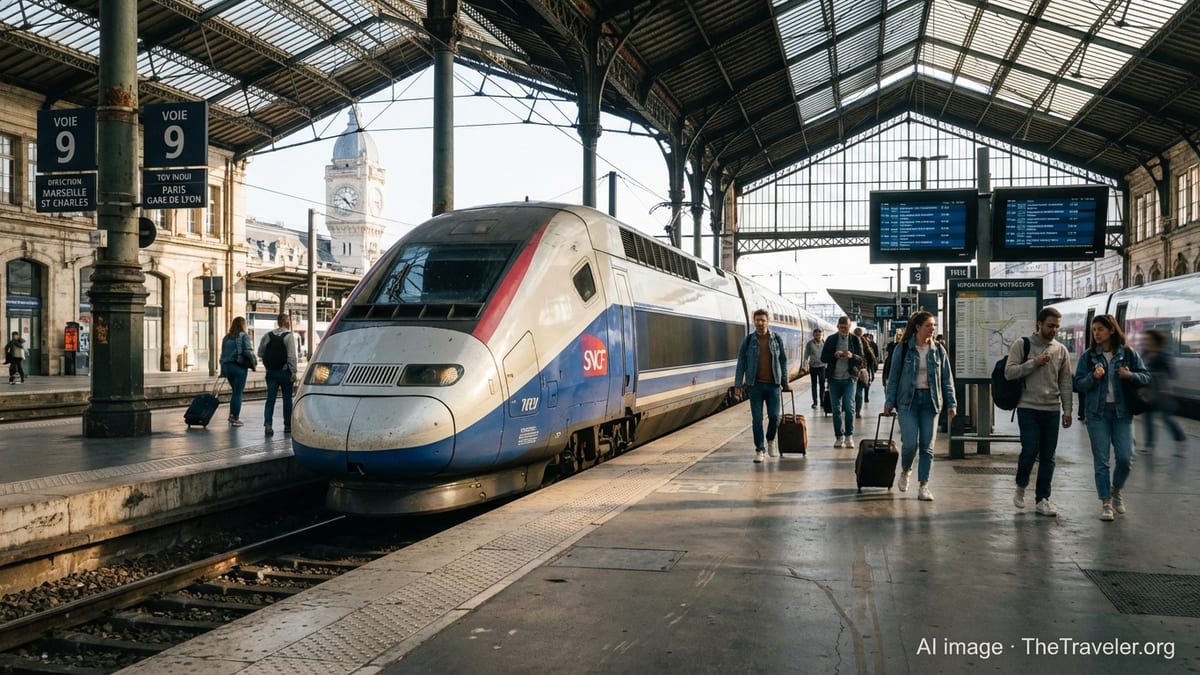
High speed trains in France run primarily under the TGV brand, which stands for Train à Grande Vitesse. These services operate on dedicated high speed lines that allow travel at up to around 300 kilometers per hour, connecting Paris with cities such as Lyon, Bordeaux, Marseille, Lille, Strasbourg and Nice, as well as international destinations in countries including Belgium, Germany, Switzerland, Italy and Spain. For many journeys within France, a TGV is significantly faster than driving and can be competitive with flying once airport transfers and security lines are taken into account.
The core national operator is SNCF Voyageurs, which runs two main categories of long distance high speed service: the classic TGV InOui trains and the lower cost Ouigo brand. TGV InOui offers the widest network, a choice of first and second class, quiet carriages on many routes and optional extras such as at seat catering. Ouigo is a budget product with simpler comfort, stricter luggage rules and a pricing model similar to low cost airlines. You will see both brands when searching for tickets, and the differences between them have a direct impact on luggage, flexibility and on board amenities.
Alongside these domestic services, several high speed routes are operated in partnership with or under distinct brands. TGV Lyria links France and Switzerland, while some routes toward Italy and Spain involve cross border services where French and foreign operators collaborate. For travelers arriving from the United Kingdom, Eurostar connects London to Paris and onward French destinations using high speed lines, and many travelers will transfer between Eurostar and TGV services at Paris Gare du Nord or other Paris stations.
Although the focus of this guide is on high speed trains, you will often combine them with slower Intercités and regional TER trains, especially if your final destination is a smaller town away from the main lines. Understanding how the TGV network fits into the wider system helps you judge when a high speed ticket makes sense and when a slower regional service is a better option in terms of cost or flexibility.
Tickets, Reservations and Rail Passes
On French high speed trains, every passenger needs both a valid ticket and a specific seat reservation, and there is no standing allowed in the aisles as you might see on some regional services. If you buy a regular point to point ticket for a TGV, the reservation is automatically included and will show your carriage and seat number. Most journeys now use e tickets accessed through the SNCF Connect app or a confirmation email, though you can still obtain printed tickets at station machines and ticket counters if needed.
Prices for high speed trains in France are dynamic and can vary considerably depending on demand, time of booking and travel date. Booking earlier usually secures lower fares, particularly for popular routes such as Paris to Lyon, Bordeaux, Marseille or the Mediterranean coast in summer. Flexible tickets that allow changes or refunds cost more but can be valuable if your travel plans are not fixed. Non flexible tickets are cheaper but may be non refundable or carry change fees, so it is worth checking the conditions during the booking process before you confirm payment.
If you plan to make several long distance journeys, a rail pass such as a France specific pass or a Eurail or Interrail pass can be economical, especially in first class. However, these passes do not include the mandatory seat reservations on TGV trains. You must still book and pay separately for a reservation for each high speed journey, and the number of pass holder seats on some international TGV services is limited. In busy periods such as July and August or major holidays, those quota controlled seats can sell out, so it is sensible to reserve as early as you reasonably can once you know your itinerary.
For travelers already in Europe, reservations for pass holders can be arranged through partner booking services or at station ticket counters, though queues may be long in major cities. Reservation fees vary by route and class but are typically modest compared with the cost of a full fare ticket. If you find that the high speed trains you want are fully booked, consider adjusting your departure time, choosing a slower Intercités route where possible or combining high speed and regional services to reach your destination with a different connection.
How and Where to Book Your Journey
Most visitors will find it easiest to plan and book French high speed trains online before travel. The SNCF Connect website and app show schedules, fares and train types, with clear labels for TGV InOui and Ouigo. Many international booking platforms also sell French tickets and can be helpful if you prefer an interface and customer service in your own language. When searching, always check the departure and arrival station carefully, as large cities such as Paris and Lyon have multiple major stations with similar names.
In Paris, high speed lines radiate from several separate terminals. Paris Gare de Lyon handles routes to Lyon, Marseille, the Riviera and parts of eastern and southern France. Paris Montparnasse covers much of western France, including Bordeaux and Brittany. Paris Gare du Nord is the hub for Lille, northern destinations and international trains to Belgium, the Netherlands and the United Kingdom. Paris Est and Paris Austerlitz serve eastern and some southern routes, though fewer are pure high speed. It is entirely possible that you will arrive at one Paris station and depart from another, so allow enough connecting time and factor in the need to use the metro, RER or a taxi between them.
When comparing tickets, pay attention to whether you are looking at a direct train or one with a connection. Direct high speed services are usually simplest, but a slightly slower combination of TGV and TER regional train can sometimes save money or offer better departure times. Note also whether the high speed section uses a dedicated TGV station outside the city, such as some airports and out of town hubs. In those cases you may need a short regional train, tram or bus ride to reach the actual city center.
For travelers inside France who prefer to buy tickets in person, the self service ticket machines at larger stations are relatively straightforward and typically offer English language menus. Staffed ticket counters are helpful for complex itineraries or if you need special assistance, but you may face longer waits during peak hours or on days affected by strike action. Whichever method you choose, aim to finalize your high speed bookings several days ahead during busy seasons to secure both a good fare and a seat at your preferred time.
Classes, Seating and On Board Comfort
French high speed trains usually offer two classes of service: first class and second class. Second class provides comfortable, modern seating with power outlets available on most refurbished or newer trains, especially on the TGV InOui fleet. First class adds wider seats, more legroom, a quieter atmosphere and, on many services, a layout with one seat on one side of the aisle and two on the other, which is attractive for solo travelers seeking extra space. The basic speed and arrival time are the same in both classes; the difference lies mainly in comfort, crowding and ambiance.
Many TGVs, particularly on busy routes, are double decker Duplex trains. You can choose a seat on the upper or lower level when booking through most platforms. The upper deck offers better views of the countryside and a slightly airier feel, while the lower deck can be easier for passengers with heavy luggage or limited mobility since it involves fewer stairs once on board. Families often appreciate the tables for four in both classes, which are useful for games, work or picnics during the journey.
Seat reservations show a coach number and a seat number, sometimes accompanied by a letter indicating window or aisle. Carriage numbers are displayed on the exterior and inside near the doors. In practice, it is generally acceptable to swap seats with other passengers if everyone agrees, which can be helpful for couples or groups who were assigned seats apart. If you find another traveler already in your reserved seat, a polite conversation and showing your ticket usually resolves the situation quickly. Train staff can assist if necessary.
On board facilities on TGV InOui trains typically include luggage racks at the ends of each carriage, smaller racks over seats, at least one toilet per coach, and a cafe bar carriage on many medium and long distance routes. Wi fi is available on most newer TGV InOui trains, though reliability can vary by line and section of route. Power sockets are widely available, but it is always wise to board with your devices charged and, if possible, a portable battery for longer trips. Ouigo trains are more basic, with fewer added services and more limited or no dedicated bar coach, which reflects their lower fare structure.
Luggage, Boarding and Station Know How
French high speed trains have specific luggage rules that are increasingly enforced, particularly on TGV InOui and Ouigo. On TGV InOui, the current guidelines allow most passengers to bring up to two larger pieces of luggage of defined maximum dimensions plus one smaller carry on sized item, with all bags clearly labeled with your name and contact details. Special items such as folded strollers, scooters, skis or musical instruments in cases are allowed within certain size limits, and you should always store luggage only in the dedicated racks or overhead spaces so that aisles and doors remain clear.
Ouigo services operate with stricter baggage rules that resemble low cost airlines. A basic Ouigo ticket typically includes a limited hand luggage allowance, with any larger bags or extra items requiring paid options added during booking or at the station, often at a higher price if purchased at the last moment. Staff on Ouigo trains are known to check luggage more systematically, and oversize or extra bags without the correct option can incur additional charges. Because policies can be updated, it is sensible to check luggage conditions during the booking process rather than assuming they are identical across all high speed services.
When approaching departure, high speed train boarding in France is generally simpler than airport boarding but more structured than purely regional services. At most large stations you will see departure boards listing train numbers, destinations and departure times, with a platform number announced or displayed shortly before boarding. In Paris and other major hubs, ticket checks may take place at gates before the platform, especially for Ouigo and some international TGVs, while on many domestic TGV InOui services staff will check tickets on board once the train is moving. Either way, have your e ticket or printed ticket ready to scan or show.
Arrive at the station at least 20 to 30 minutes before departure for domestic TGVs, and earlier if you are unfamiliar with the station or traveling during a busy holiday period. That gives you time to find your platform, walk along the train to your carriage, stow luggage safely and settle into your seat without rushing. On particularly long trains, coach numbers may not be sequential along the platform, so follow overhead signs and markings on the platform or ask station staff if you are unsure where to stand. Remember that trains do not wait for late passengers; doors close shortly before departure and reopen only after the train reaches the next station.
Travel Etiquette, Safety and What to Expect On Board
Life on board a French high speed train is usually calm and relaxed. Travelers are expected to keep noise to a reasonable level, especially in designated quiet cars where phone calls and loud conversations are discouraged. Many passengers use journey time to work, read or simply watch the countryside, and you will notice that locals rarely treat the train as a place for loud entertainment. Using headphones for music or videos is standard courtesy, and phone calls are best kept brief and made in vestibule areas near the doors if they might disturb others.
Food and drink are allowed on board, and it is common to see passengers bring picnics, snacks or coffee from station cafes. On longer routes, the cafe bar sells drinks, sandwiches, light meals and basic travel items, though availability can vary and popular items may sell out during peak times. Bringing your own provisions is a good idea, especially if you have dietary requirements or are traveling at times when catering might be limited, such as late at night or on very early services. Alcohol is generally tolerated in moderation when consumed discreetly, but rowdy behavior is not.
From a safety perspective, high speed trains in France have a strong record, and on board security is generally unobtrusive. You may see patrols by railway security staff or, occasionally, police, particularly on international routes or during heightened alert periods. As with any public space, keep valuables close, avoid leaving electronics unattended and be cautious about displaying wallets or passports openly. Luggage theft is not widespread but can occur, most often with small bags left near doors. Using luggage racks within sight of your seat where possible, or securing zippers with small locks, can provide peace of mind.
Announcements on TGV InOui are typically made in French and, on major routes, also in English. Information screens in the carriages show next stops, connections and sometimes real time speed. If you are unsure about a stop or connection, do not hesitate to ask train staff; many are used to helping international travelers and can communicate at least basic information in English. Having your route and key station names written down or saved on your phone can make these interactions smoother, especially if pronunciation is challenging.
Delays, Strikes and How to Build in Flexibility
French high speed trains are generally punctual, but delays do occur due to congestion, technical issues, weather or external factors. In most cases, delays are modest, but they can disrupt tight connections. If you have an important onward commitment, such as a long haul flight, avoid planning the minimum possible transfer time between a TGV and your next leg. Building in an extra buffer of at least one or two hours at the connecting station reduces stress and guards against missed departures.
Rail strikes are a recurring feature of travel in France and can affect high speed services, sometimes with significant notice and sometimes on relatively short timelines. During major strike periods, SNCF usually publishes modified timetables that prioritize certain TGV routes while reducing or canceling others. In recent years some strike days have led to almost normal service on many TGV lines, while others have caused more substantial disruption. Checking closer to your travel date and again the day before your departure is prudent, as patterns can vary even within a single strike episode.
When a high speed train is canceled or significantly delayed, passengers are often entitled to rebooking or partial refunds, with the exact conditions depending on the type of ticket and the extent of the disruption. Station staff and announcements will normally direct affected travelers to specific counters or online forms. During busy strike days, lines at ticket offices can be long and alternative transport modes such as long distance buses or carpooling platforms may see a surge in demand. Booking an alternative as soon as you are aware of a cancellation, if your plans are inflexible, can make the difference between a manageable detour and being stranded.
To stay informed, use the SNCF Connect app or website to track your specific train number and sign up for alerts where available. Local media and national outlets also report widely on major strikes, often including forecasts of which days and lines will be most affected. If you are planning a trip months in advance, you do not need to obsess over the possibility of strikes, but remaining flexible about travel times and building some slack into your itinerary will help you adapt quickly if the situation changes.
The Takeaway
Using high speed trains in France is one of the most efficient and enjoyable ways to move between cities and regions. With a bit of preparation around tickets, reservations, luggage rules and station navigation, even first time visitors can move through the system with confidence. Understanding the differences between TGV InOui and Ouigo, choosing the right class of travel for your budget and comfort level, and arriving at the station with a reasonable margin of time all contribute to a smooth experience.
High speed rail does more than simply connect point A to point B. It knits together diverse landscapes, from the plains of the north to the vineyards of the southwest and the mountains and coastline of the south. The journey can be as memorable as the destinations, especially if you treat the train as part of your travel experience rather than just transportation. By staying informed about potential delays or strikes, packing within luggage limits and following basic on board etiquette, you can enjoy the advantages of one of Europe’s most extensive high speed networks while minimizing stress.
FAQ
Q1. Do I need a seat reservation on French high speed trains?
Yes. On TGV services every passenger needs a specific seat reservation, whether you hold a regular ticket or a rail pass. Reservations are included automatically with point to point tickets but must be added and paid for separately when using most passes.
Q2. How early should I book TGV tickets in France?
Booking several weeks ahead usually gives you more choice and better prices, especially for busy routes and peak periods. For travel in July, August and around major holidays, aim to secure high speed tickets as soon as you are sure of your dates rather than waiting until the last minute.
Q3. What is the difference between TGV InOui and Ouigo?
TGV InOui is the standard high speed service with more comfort, flexible fare options and generally looser luggage allowances. Ouigo is a budget brand that often departs from certain stations, has stricter baggage rules and fewer extras, but can offer significantly lower prices if you are willing to accept those conditions.
Q4. Are there luggage limits on French high speed trains?
Yes. TGV InOui allows a limited number of larger bags plus a smaller item, all labeled and stored in designated racks or overhead spaces. Ouigo has tighter limits and may charge extra for larger or additional bags, so always check your ticket conditions to avoid surprises at boarding.
Q5. How early should I arrive at the station for a TGV?
For domestic high speed trains, arriving 20 to 30 minutes before departure is usually sufficient. If you are unfamiliar with the station, have a lot of luggage or are traveling at a very busy time, plan a slightly longer margin so that you can find your platform and carriage without rushing.
Q6. Can I use a Eurail or Interrail pass on French high speed trains?
Yes, many French TGV routes accept Eurail and Interrail passes, but you must still obtain a paid seat reservation for each journey. The number of pass holder seats on some international TGVs is limited, so make these reservations early during busy seasons.
Q7. What happens if my TGV is delayed or canceled?
If your high speed train is significantly delayed or canceled, you are often entitled to rebooking on a later service or to compensation, depending on the fare and the length of the disruption. Follow instructions from station staff or in the app, and consider alternative transport only if official options do not meet your needs.
Q8. Is first class worth it on French high speed trains?
First class offers wider seats, more legroom and a quieter environment, which many travelers value on longer routes. If the price difference to second class is modest, especially when booked in advance, upgrading can be worthwhile, but in terms of speed and basic service both classes arrive at the same time.
Q9. How do I find my coach and seat on a TGV?
Your ticket or reservation shows a coach number and seat number. At the station, platform signs and markings usually indicate where each coach will stop, and the numbers are displayed near the train doors. If you are unsure, ask staff or fellow passengers; it is a normal question and quickly resolved.
Q10. Are French high speed trains safe and suitable for solo travelers?
Yes. TGVs are widely used by solo travelers, including many locals commuting for work. As with any public transport, keep your valuables close and stay aware of your surroundings, but in general high speed trains in France are considered a safe and reliable option for people traveling alone.