

More news on this day
As conflicts and diplomatic rifts continue to reshape the Middle East, Türkiye is working to reassure would-be visitors that its beaches, cultural cities and resort towns remain open, calm and closely monitored by security forces, even as regional tensions weigh on bookings for 2025 and 2026.
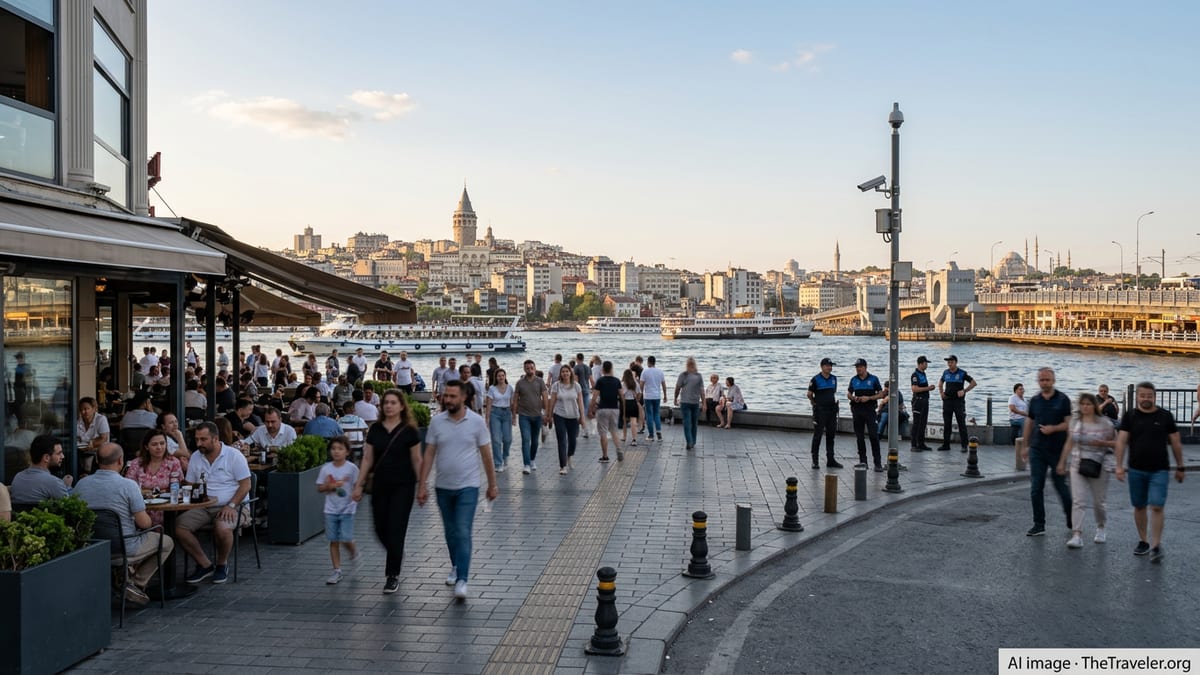
Tourism Boom Continues Despite a Rough Neighborhood
Türkiye’s geography has long been both a selling point and a challenge: it borders Syria, Iraq and Iran while sitting within a short flight of the Gaza conflict. Yet the country remains one of the world’s busiest holiday destinations, drawing tens of millions of visitors each year to Istanbul, Cappadocia and the Mediterranean resorts. Industry data for 2024 and early 2025 show foreign arrivals close to record highs and revenues still growing, even as nearby countries struggle with disrupted travel.
Official figures and sector reports indicate that Türkiye welcomed well over 50 million international visitors in 2024, cementing its place among the top four most visited countries globally. Early snapshots from 2025 point to a modest softening in numbers from some Western markets, but also higher average spending per visitor, suggesting that the country’s tourism economy remains resilient rather than retreating.
Analysts note that regional tensions and images of conflict have prompted some travelers to delay bookings or look for last-minute deals, particularly in traditional source markets such as Germany and the United Kingdom. Yet tour operators across Istanbul and the southern coast describe a familiar pattern: initial jitters followed by a return of demand once travelers realize that daily life in the main tourism corridors continues with little visible disruption.
That divergence between perception and reality is starkest when comparing Türkiye with active conflict zones just across its borders. While fighting and political upheaval in northern Syria and parts of Iraq remain a concern for diplomats and security planners, those front lines are hundreds of kilometers from the country’s principal holiday resorts, which operate under a separate and tightly controlled security environment.
How Official Travel Advisories Frame the Risk
For many travelers, the starting point is their own government’s travel advice, and recent updates have placed Türkiye in a nuanced middle category. The country is typically rated as a moderate-risk destination that warrants increased caution, reflecting its proximity to regional conflicts and a history of isolated security incidents, but not on par with active war zones where travel is strongly discouraged.
Current advisories from Western governments tend to distinguish between the vast majority of Türkiye and its far southeast, close to the Syrian and Iraqi borders. Non-essential travel is often discouraged in those border provinces due to the risk of spillover violence or military activity, but coastal regions such as Antalya and Muğla, as well as Istanbul and central Anatolian hubs like Cappadocia, are generally cleared for tourism with routine safety guidance.
Security experts point out that these advisories have changed only incrementally in response to the latest Gaza-related tensions and flare-ups between Israel and Iran. While airlines have occasionally adjusted routes and flight frequencies, there has been no broad move to classify Türkiye itself as a high-risk or no-go destination. Instead, the language typically urges travelers to stay informed about regional developments and avoid demonstrations, diplomatic missions and large political gatherings.
Insurance and risk consultancies echo that assessment. Global risk maps for 2024 and 2025 place Türkiye in a medium security tier, markedly safer than neighboring Syria and Iraq and broadly comparable to some Southern European destinations that also carry cautions related to petty crime, road safety and crowd management rather than armed conflict.
Security on the Ground in Key Tourist Hubs
On the streets of Istanbul’s historic peninsula, in Antalya’s marina district or along Bodrum’s waterfront, heightened security is visible but often unobtrusive. Police patrols are a routine feature around major attractions such as Sultanahmet, Taksim Square and popular coastal promenades, part of a long-standing strategy to deter both ordinary crime and potential terror threats in crowded public spaces.
Turkish authorities have expanded the use of cameras, vehicle checks and plainclothes officers in areas with heavy tourist footfall. Hotel districts and transport hubs are integrated into these systems, with local police coordinating closely with airport security and municipal authorities. Travel industry representatives say this network allows rapid response to suspicious activity and has contributed to a long period without major attacks on tourist infrastructure in the country’s main holiday regions.
Border security has also been reinforced in the southeast, where Türkiye has spent years building physical barriers, electronic surveillance and fortified crossings along stretches of the frontier with Syria. While military operations across the border continue to draw international scrutiny, tour operators stress that these zones are far removed from mainstream tourism areas and largely inaccessible to casual travelers.
Within resorts themselves, private security has become increasingly professionalized. Large hotel complexes, shopping centers and marinas typically deploy metal detectors, bag checks and controlled vehicle access, measures that have become part of the background of daily life for both locals and visitors. Industry sources say that while these protocols can be more visible after major regional incidents, they are now standard practice rather than short-term reactions.
Lessons From Recent Incidents and Safety Upgrades
While concerns often focus on geopolitics, recent incidents inside Türkiye have underlined more everyday safety challenges, from traffic accidents to building standards. A deadly hotel fire at a mountain resort in early 2025 prompted public debate about fire regulations and emergency preparedness, particularly in older properties and smaller ski destinations that had not seen the same level of scrutiny as flagship coastal resorts.
In the aftermath, authorities pledged intensified inspections, especially at accommodation licensed for large tour groups and package holidays. Tourism officials and local municipalities have announced campaigns to verify fire exits, alarm systems and evacuation procedures ahead of the upcoming high season, with industry associations urging members to adopt international best practices in safety management.
Health tourism, another fast-growing segment, has also faced reputational challenges amid scattered reports of malpractice and inadequate oversight at some low-cost clinics. Regulators have responded with tighter licensing requirements and public awareness campaigns encouraging foreign patients to verify the credentials of hospitals, surgeons and intermediary agencies before committing to treatment.
For mainstream leisure travelers, these developments translate into a more visible emphasis on compliance among reputable operators. Major international hotel chains, cruise lines and established tour brands continue to apply their own global safety standards on top of Turkish regulations, offering multiple layers of risk management that can be reassuring for cautious visitors.
What Travelers Should Know Before Booking
Travel planners and security analysts say that for most visitors considering a trip in 2025 or 2026, the key is to distinguish between headline regional tensions and conditions in the specific city or resort they plan to visit. Booking into established tourism centers, checking recent local news and monitoring official travel advisories in the weeks before departure are among the most effective ways to make an informed decision.
Travelers are also advised to pay attention to practical details that can matter more than geopolitics once on the ground. This includes choosing accommodations with clear safety information, visible fire exits and 24-hour reception; arranging airport transfers with reputable firms; and keeping copies of passports and travel insurance details separate from original documents in case of loss or theft.
Avoiding political rallies, steering clear of border regions and following instructions from local authorities in the unlikely event of a security incident remain standard recommendations. In large cities, visitors are encouraged to treat crowded tourist areas as they would in any major metropolis, remaining alert to pickpocketing and using licensed taxis or well-reviewed ride services at night.
Despite the backdrop of regional volatility and periodic diplomatic spats, airlines continue to add capacity into Türkiye’s main airports, and hotel investment has not slowed. For now, the message from both officials and industry insiders is consistent: the country’s tourism engine is still running, its core destinations are operating calmly, and with sensible precautions, holidays in Türkiye remain a viable option for travelers weighing their next trip.