

More news on this day
Passengers traveling through Texas on Monday faced mounting disruption as major airports in Dallas, Houston and Austin recorded more than 460 flight delays and several cancellations, affecting operations for Delta Air Lines, United, Mesa Airlines and a range of other domestic and regional carriers.
Get the latest news straight to your inbox!
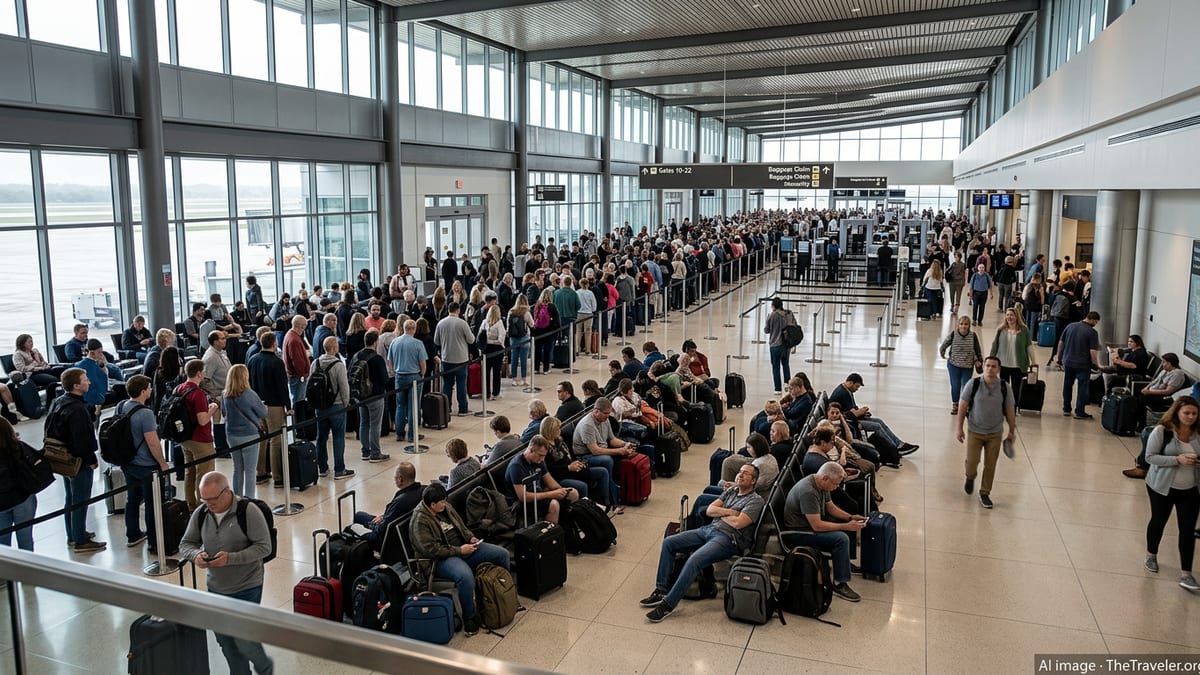
Texas Hubs Register Spike in Delays and Cancellations
Publicly available flight-tracking data for Monday indicates that Dallas Fort Worth International Airport, Dallas Love Field, Houston’s George Bush Intercontinental and William P. Hobby airports, along with Austin-Bergstrom International Airport, collectively saw at least 463 flight delays and six cancellations. The disruption hit a mix of mainline and regional operators, with Delta Air Lines, United Airlines, Mesa Airlines and several other carriers all showing affected services.
While the number of outright cancellations remained limited compared with major winter weather events earlier in the year, the volume of delayed departures and arrivals created knock-on effects across domestic networks. Travelers connecting through Texas hubs reported extended waits, gate changes and rebooked itineraries as airlines worked to reposition aircraft and crews.
The latest interference comes at a time when U.S. carriers are already managing a busy spring travel period and lingering operational strains from winter storms and staffing pressures. Industry observers note that even modest schedule disruptions at large hub airports can ripple through national route maps, particularly on days with high load factors.
Weather, Congestion and Staffing Add to Operational Strain
Reports from regional broadcasters and weather outlets describe unstable conditions across parts of Texas, including gusty winds and scattered storms around North and Southeast Texas, contributing to air traffic control programs that slow arrivals and departures. When airspace flow is reduced, airlines often face ground holds at origin airports, which in turn delay subsequent legs flown by the same aircraft.
In Houston, recent coverage of airport operations has highlighted persistent congestion at security checkpoints and crowded terminal areas during peak hours. Longer security wait times can complicate boarding procedures, especially when flights are already operating on tight turnaround windows. Operational updates from Austin and Dallas have similarly underlined that spring travel demand is pushing airports close to capacity across parts of the day.
Airline schedule planning for March and April typically assumes solid on-time performance, but a combination of weather interference, heavy passenger volumes and continued hiring and training cycles for crew and ground staff can leave little margin when conditions deteriorate. Even when flights ultimately depart, they may do so after extended taxi times, reroutings around storm cells or reduced arrival rates at hub airports.
Delta, United and Regional Partners Among Affected Carriers
According to flight-status boards and airline operational summaries, the impact in Texas has been spread across several major carriers and their regional partners. Delta Air Lines, which has recently been managing disruption tied to infrastructure issues at New York LaGuardia, showed a number of delayed services on routes touching Dallas, Houston and Austin. United Airlines, which operates a significant hub at George Bush Intercontinental, also recorded delays on both domestic and international sectors.
Mesa Airlines, operating regional flights on behalf of larger network carriers, appeared among the list of operators with delayed departures and arrivals at Texas airports. For passengers, regional and mainline disruptions are largely indistinguishable, as both can result in missed connections and altered itineraries when inbound flights arrive late into a hub.
Low-cost and hybrid carriers serving Austin-Bergstrom and Dallas Love Field were not immune, with schedule data showing scattered delays across point-to-point routes. Industry analysts note that when a single region experiences broad slowdowns, it is common for delays to appear across multiple airline business models, from full-service legacy networks to budget operators.
Knock-On Effects for Spring Break and Business Travel
The latest wave of delays arrives in the midst of the U.S. spring break period, when family travel, school holidays and leisure trips sharply increase demand for seats through Sun Belt and coastal gateways. Separate travel-industry research in March has already highlighted a rise in itinerary changes and cancellations tied to global tensions and weather-sensitive vacation plans, adding another layer of complexity for airlines and passengers.
Texas airports function as key connecting points for travelers heading to beach destinations in Mexico and the Caribbean, as well as major cities across the United States. When hubs such as Dallas Fort Worth and Houston Intercontinental fall behind schedule, customers flying from smaller regional airports can experience missed onward flights and overnight stays, even if their home airports are not directly affected by poor weather.
Business travelers, who often rely on tight same-day connections through Dallas and Houston, may also face renewed uncertainty. Corporate travel managers have been advising clients to build extra buffer time into itineraries during peak spring weeks and to monitor real-time flight status tools closely in case of rolling ground delay programs or schedule adjustments.
What Passengers Can Do When Flights Stall
Consumer advocates and travel-advice outlets recommend that passengers affected by the Texas disruptions keep airline mobile apps and notifications enabled, since many carriers now push automatic rebooking options directly to devices when a delay or cancellation is posted. Same-day confirmed changes, standby lists and self-service rebooking tools can help travelers secure earlier or more reliable connections when irregular operations unfold.
Guidance from the U.S. Department of Transportation encourages travelers to review each airline’s customer service commitments regarding delays and cancellations, including when meal vouchers, hotel accommodation or fee-free changes may be available. Some recent media coverage has pointed passengers to the federal Cancellation and Delay Dashboard as a way to compare how individual airlines handle disruptions.
Travel-insurance providers and credit card issuers sometimes offer trip-interruption benefits when delays extend beyond a specified number of hours or result in missed connections. Policy documents and cardholder agreements typically outline whether additional expenses for hotels, meals or alternative transport can be reimbursed, which may be relevant for passengers stranded overnight at major hubs such as Dallas and Houston.
With forecasts indicating continued unsettled weather across parts of Texas and the broader United States, aviation analysts suggest that travelers remain prepared for intermittent disruptions in the weeks ahead. Building flexibility into travel plans, allowing longer connection times through large hubs and regularly checking flight status may help reduce the impact of further interference at key Texas airports.