

More news on this day
Passengers traveling through Texas are facing mounting disruption as major airports in Dallas, Houston and Austin report 463 flight delays and six cancellations, affecting operations at Delta Air Lines, United Airlines, regional carrier Mesa Airlines and several other operators, according to early data from flight-tracking and airline-status boards on March 29.
Get the latest news straight to your inbox!
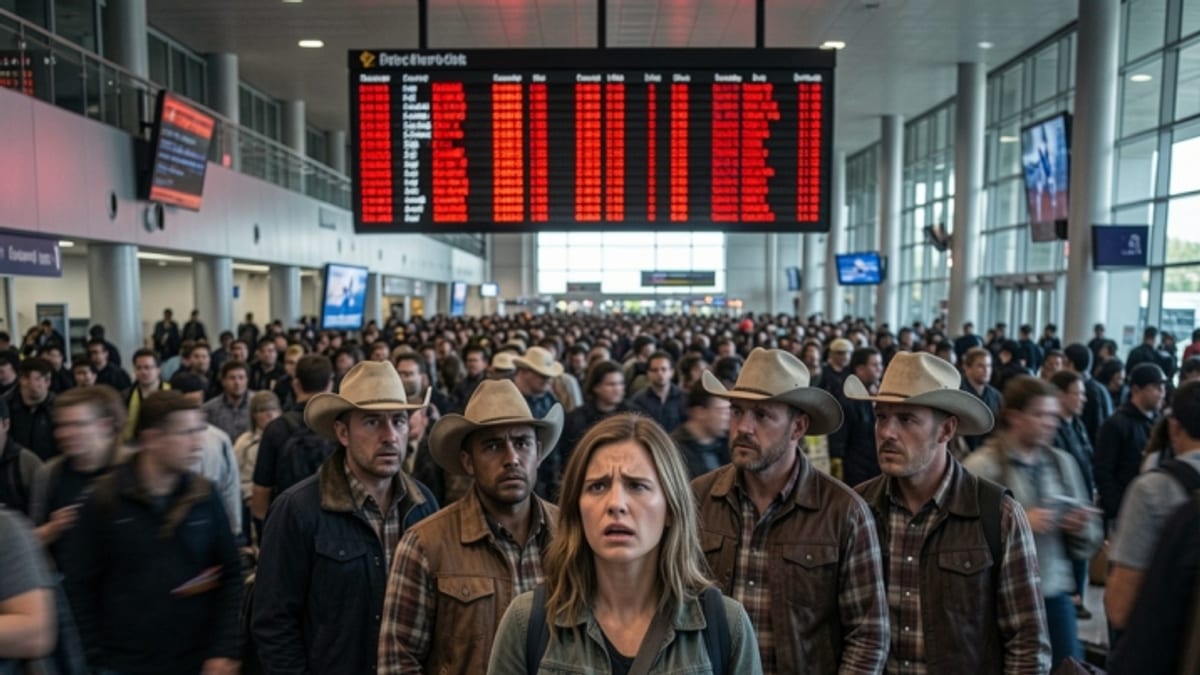
Image by Travel And Tour World
Delays Mount Across Dallas, Houston and Austin Hubs
Flight-status boards at Dallas, Houston and Austin airports on March 29 show a sharp uptick in late departures and arrivals, with a combined 463 delays and six cancellations disrupting travel plans for thousands of passengers. Publicly available tracking data indicates that the vast majority of affected flights are operating late rather than being removed from the schedule, but the cumulative impact is significant at three of the busiest air gateways in Texas.
Dallas Fort Worth International and Dallas Love Field, which together handle a substantial share of domestic connections through North Texas, account for a large proportion of the delayed operations. In Houston, George Bush Intercontinental and Hobby Airport are also seeing knock-on schedule problems, while Austin Bergstrom International Airport is reporting a smaller but still notable cluster of late-running flights as congestion ripples through the regional air network.
Published airport and tracking dashboards suggest that the disruption is concentrated in short and medium haul domestic services, with both inbound and outbound flights affected. While long haul operations appear to be moving with comparatively fewer schedule changes, travelers connecting through Texas are encountering extended ground times, missed connections and revised itineraries.
Multiple Carriers Affected, Including Major Network Airlines
The latest operational snapshots show that several major U.S. carriers are involved in the Texas disruption, with flights operated by Delta Air Lines, United Airlines and regional operator Mesa Airlines among those running behind schedule. Additional delays are being recorded across a range of other domestic airlines that maintain significant schedules through Dallas, Houston and Austin.
According to publicly available airline-status pages, the pattern of delays varies by carrier and route. Some operators are reporting moderate schedule slippage of 30 to 60 minutes, while others show individual flights pushed back by several hours as aircraft and crews fall out of position. Regional jets operated under major-airline brands appear particularly exposed where tight turn times leave little margin to recover from upstream issues.
Network effects are magnifying the disruption as late-arriving aircraft from other parts of the country cascade into the Texas hub operations. Reports from travelers and airport operations summaries indicate that once early-morning flights slip, the delays tend to accumulate throughout the day, affecting both Texas-originating passengers and those simply connecting through the state’s large hub airports.
Weather, Congestion and Airspace Constraints Drive Interference
Preliminary information from weather services and aviation tracking platforms points to a combination of adverse conditions and airspace management constraints contributing to the current wave of interference. Periods of unsettled weather in parts of Texas and neighboring regions have prompted spacing requirements and traffic-management initiatives that reduce the number of aircraft that can move through key corridors at any given time.
When traffic-management measures are introduced, flights bound for congested airfields are frequently held at departure airports or assigned longer routes, which can quickly translate into multi-hour delays during peak travel banks. Even when conditions gradually improve, the time needed to work through accumulated airborne and ground queues often means that schedule irregularities persist well into the evening.
Operational summaries from recent weeks show that Texas hubs have experienced several bouts of weather-related constraints, and the current day’s pattern of 463 delays appears to reflect another of these pressure points. While only six flights have been canceled outright so far, the extended waits and rolling pushbacks are producing a level of disruption that many passengers experience as equivalent to a full-scale outage.
Impact on Travelers and Options for Disrupted Passengers
For travelers, the immediate effect of the latest interference is longer waits at gates, tighter or missed connections and uncertainty around arrival times. Business travelers and families heading into or out of Texas are reporting extended ground holds, late-night arrivals and the need to rebook itineraries when minimum connection times can no longer be met.
Public guidance from airlines and airport information channels continues to emphasize the importance of monitoring flight status frequently on the day of travel, particularly for passengers connecting through Dallas, Houston or Austin. Same-day schedule changes are common during elevated delay periods, and carriers often adjust departure times repeatedly as updated air traffic control flow information becomes available.
Passenger-rights and consumer-advocacy resources note that compensation and assistance policies vary by airline and by cause of delay. In many cases of weather or airspace-related interference, U.S. regulations do not require cash compensation, but carriers may offer meal vouchers, hotel accommodation or complimentary rebooking when disruptions become severe. Travelers are generally advised to review their airline’s published customer-service commitments and to retain documentation of delays when seeking assistance.
With delays still accumulating as of the latest reporting window on March 29, additional schedule adjustments remain possible into the evening hours. Travel advisories recommend that passengers flying through the affected Texas airports build extra time into connections, consider earlier departures where feasible and be prepared for evolving conditions as airlines work to restore their schedules.