

More news on this day
Hundreds of Israeli travelers have been left stranded at King Hussein International Airport in Aqaba after Jordan abruptly suspended commercial flights, highlighting how quickly the widening regional conflict is reshaping air links and overland escape routes across the Red Sea corridor.
Get the latest news straight to your inbox!
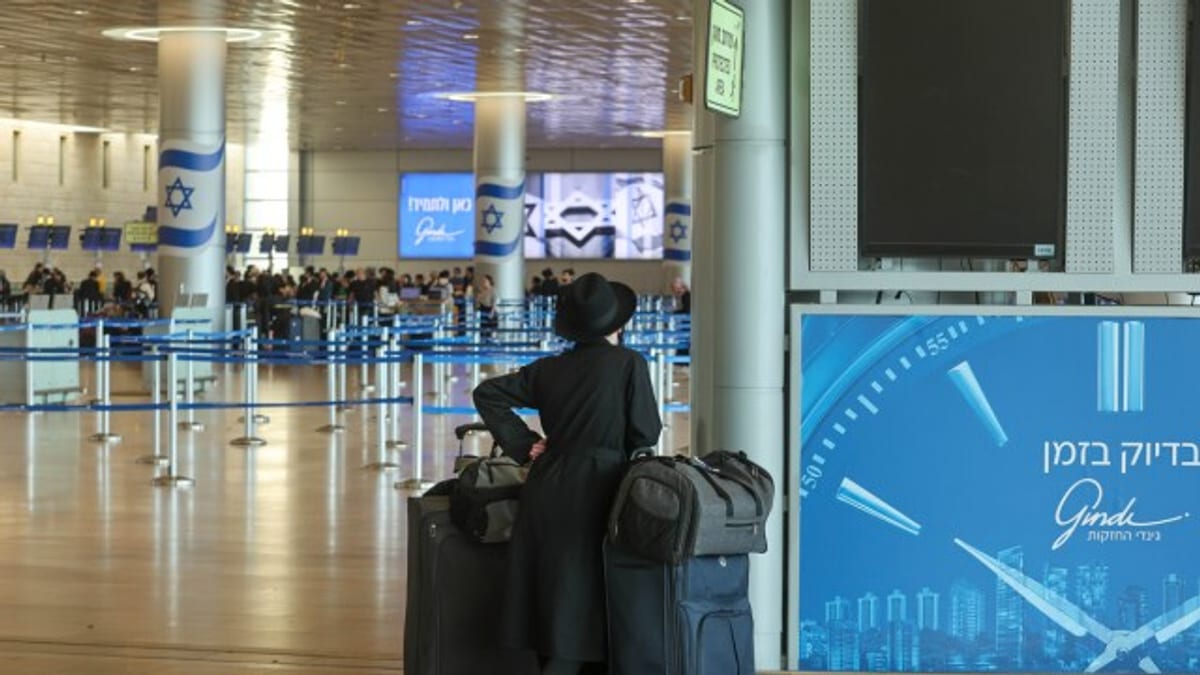
Image by middleeastmonitor.com
Flight Suspension Leaves Travelers in Limbo
Reports from regional and international media indicate that commercial services at Aqaba’s King Hussein International Airport were halted after Jordan moved to restrict flights in response to the latest round of missile and drone threats in the Middle East. The decision came as several neighboring states tightened control of their airspace, contributing to a patchwork of closures and diversions that has rippled throughout global aviation.
According to published coverage, Israeli passengers who had routed themselves through Aqaba as an alternative to Israel’s heavily constrained airspace found themselves unable to depart once the suspension took effect. Many had already crossed the Wadi Araba land border from Eilat or arrived in Jordan via earlier flights, expecting Aqaba to remain a functioning regional exit point.
Publicly available information suggests that only limited special or government‑coordinated operations are being permitted to use the airport, while regular commercial services remain on hold. That has left ordinary travelers, including families and tour groups, with little clarity on when they might be able to leave or whether dedicated repatriation flights will be organized.
Regional aviation analysts cited in recent coverage note that airport‑level suspensions such as the one in Aqaba are often implemented with minimal notice, as authorities react to real‑time risk assessments about potential strikes on critical infrastructure. For passengers already in transit, that can translate into sudden and prolonged delays with few immediate alternatives.
Regional Conflict Disrupts Middle East Aviation Network
The suspension of flights from Aqaba is unfolding against a broader backdrop of large‑scale disruption to air travel across the Middle East. Flight‑operations monitoring groups and travel industry reports describe extensive closures and restrictions affecting the skies over Israel, Iran, Iraq, Bahrain and Kuwait, with tight controls also reported over parts of Jordan and the Gulf.
These constraints follow the escalation of hostilities involving Israel and Iran, and subsequent military activity that has raised concerns about the safety of civilian aviation routes. Airlines have been forced to reroute long‑haul services around sensitive airspace, adding hours to some journeys, while others have opted to cancel flights into the region entirely.
Trade and tourism publications indicate that the wider disruption is costing the sector hundreds of millions of dollars per day in lost international visitor spending. Before the current crisis, industry forecasts had projected record tourism revenues for Middle Eastern destinations in 2026, with Jordan, Israel and Gulf states positioning themselves as key stopovers and holiday markets.
With large portions of regional airspace constrained, secondary airports such as Aqaba had initially served as overflow gateways for travelers attempting to exit or bypass Israel’s main hubs. The latest suspension undercuts that strategy, underscoring how quickly a perceived safe corridor can close when risk levels change.
Israeli Travelers Turn to Land Routes and Alternative Hubs
In the weeks leading up to the Aqaba suspension, publicly available traveler accounts and local media coverage described a growing reliance on Jordan as a transit country for Israelis stranded by the closure or scaling back of flights at Ben Gurion Airport. Many used overland routes to reach Aqaba or Amman, from where they hoped to secure seats on flights to Europe or other onward destinations.
The halt in flights from Aqaba has now pushed affected Israelis to consider yet more complex itineraries. Some are reportedly exploring overland transfers to Amman’s Queen Alia International Airport, where limited services are still operating, while others are looking at ferry crossings from Aqaba to Egypt to connect with flights from Sharm el Sheikh or Cairo.
These improvised routes come with logistical and financial challenges. Travelers must navigate multiple border formalities, changing visa conditions and rapidly shifting airline schedules, often while managing expiring hotel bookings and work or family obligations back home. Insurance coverage for trips through active conflict zones is also uneven, leaving some travelers exposed to additional costs.
Travel advisory notices published by foreign governments in recent days reiterate warnings about potential missile and drone activity affecting Jordan and surrounding airspace. While these notices are not targeted specifically at Israelis, they contribute to a broader climate of uncertainty that can complicate decisions about whether to move, stay put or wait for organized repatriation options.
Jordan Balances Security Concerns and Tourism Dependence
Jordan’s decision to suspend flights from Aqaba illustrates the difficult balance the country faces between safeguarding its territory and sustaining a tourism‑dependent economy. Aqaba, promoted as a Red Sea leisure hub and gateway to sites such as Wadi Rum and Petra, relies heavily on steady air links to European and regional markets.
According to regional tourism data cited in industry reports, Jordan has been working to rebuild visitor numbers following earlier downturns related to the pandemic and previous bouts of regional instability. Charter flights and low‑cost carriers using Aqaba have been central to that strategy, delivering package tourists directly to the country’s southern resorts.
The current pause in flights risks undermining that progress, especially if potential visitors perceive Aqaba as an unreliable entry point. However, analysts note that governments often prioritize short‑term security measures when confronted with immediate threats to aviation, accepting near‑term economic pain to avoid the consequences of a successful strike on an airport.
Local business owners quoted in prior coverage of similar disruptions in the region have emphasized that clarity and communication are crucial. Even if suspensions remain in place, clear timelines, refund policies and guidance on alternative routes can help hotels, tour operators and transport providers manage cancellations and assist stranded guests more effectively.
Uncertain Timeline for Resuming Normal Operations
As of the latest available reports, there is no publicly announced timetable for the full resumption of regular commercial flights at Aqaba. Aviation risk bulletins and travel‑industry updates suggest that any decision to reopen will depend on a sustained reduction in perceived threats to Jordanian airspace and key infrastructure.
In previous regional crises, airspace and airport closures have sometimes been eased in phases, starting with limited daytime operations or a small number of approved routes and carriers. Observers note that a similar approach could emerge in Aqaba, with initial flights potentially focused on repatriation services for stranded travelers and essential connectivity for residents.
For the hundreds of Israelis currently stuck at the airport, attention is now turning to whether special arrangements will be made through coordination between airlines and regional governments. Public information from earlier episodes of disruption in the Middle East shows that such efforts can take days to organize, particularly when multiple states and carriers are involved and security considerations remain fluid.
Travel experts recommend that passengers affected by the Aqaba suspension monitor airline announcements, consult official travel advisories and remain flexible about routing, as options may open or close with little warning. Until a clearer picture emerges, Aqaba’s stranded travelers remain a visible example of how geopolitical shocks can swiftly upend even the most carefully planned journeys.