

More news on this day
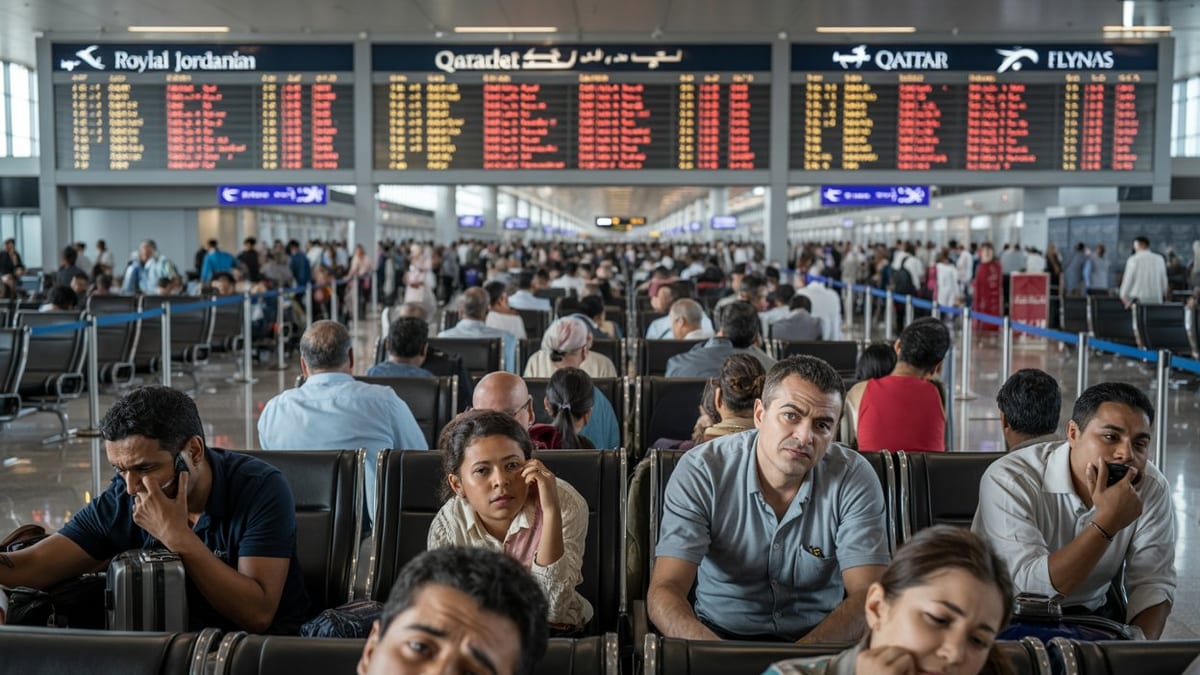
Several hundred passengers were left in airport concourses across the United States after a fresh round of flight disruptions led to 245 cancellations and 445 delays at major hubs including Atlanta, Los Angeles, Chicago O’Hare, Denver, New York John F. Kennedy, Dallas Fort Worth, San Francisco, Seattle Tacoma, Houston Bush, and Cincinnati/Northern Kentucky.
Get the latest news straight to your inbox!
Network Disruptions Ripple Across Key US Gateways
Publicly available flight-tracking data for the latest disruption cycle indicate that the 245 cancellations and 445 delays were concentrated at some of the country’s most heavily used connecting hubs. These include Hartsfield Jackson Atlanta International, Los Angeles International, Chicago O’Hare, Denver International, John F. Kennedy in New York, Dallas Fort Worth, San Francisco International, Seattle Tacoma, George Bush Intercontinental in Houston, and Cincinnati/Northern Kentucky. Together, these airports handle hundreds of thousands of passengers on a typical day, so even a few hundred disrupted flights translate into significant numbers of stranded travelers.
Reports from airport operations dashboards and aviation analytics platforms show that many of the affected services were domestic connections linking major business and leisure markets. Routes between the West Coast, the Northeast corridor, and the Southern and Midwestern hubs were particularly exposed, creating a chain reaction as late inbound aircraft and crews failed to arrive in time for subsequent departures.
According to published coverage from aviation and travel outlets, the latest round of disruptions builds on several days of elevated cancellations and delays across the United States, with major hubs repeatedly appearing near the top of national disruption tallies. This pattern suggests a system operating with limited slack, where operational shocks can quickly cascade through interconnected schedules.
Passengers Face Long Queues, Missed Connections, And Limited Alternatives
For travelers on the ground, the statistics translated into crowded concourses, long rebooking lines, and limited same day alternatives. At Atlanta, Chicago O’Hare, and Dallas Fort Worth, where multiple large carriers operate complex banks of connecting flights, passengers reported via social media and travel forums that available seats on later departures quickly disappeared as airlines tried to consolidate disrupted traffic.
At coastal gateways such as Los Angeles, San Francisco, Seattle Tacoma, and New York’s John F. Kennedy, the impact extended beyond domestic connections. Published reports indicate that some travelers arriving from or heading to international destinations also missed onward US legs because of the knock-on effect of earlier delays. In those cases, passengers often faced overnight stays or lengthy rerouting via secondary hubs as carriers attempted to rebuild their networks.
Consumer advocacy organizations note that when a disruption reaches the scale of hundreds of flights, airport resources also come under strain. Seating, food outlets, and customer service counters at the affected hubs can quickly become congested, particularly during peak evening departure waves. Travelers without confirmed new itineraries often choose to remain airside in hopes of last minute seats, contributing to the perception of terminals filled with stranded passengers.
Multiple Factors Behind The Latest Wave Of Cancellations And Delays
While precise causes vary by carrier and route, aviation analysts point to a familiar mix of contributing factors. Seasonal weather patterns in the central and eastern United States frequently affect operations at Atlanta, Chicago, Denver, and Dallas Fort Worth, where thunderstorms, low visibility, or strong winds can trigger flow control programs that reduce takeoff and landing rates.
At the same time, staffing and fleet utilization remain tight across much of the industry. According to recent coverage of US airline performance, many carriers continue to run schedules that leave little room for recovery when aircraft or crews fall out of position. Once a bank of flights at a hub like Houston Bush or Cincinnati/Northern Kentucky is disrupted, the effects can propagate across multiple time zones over the course of the day.
Infrastructure constraints at coastal hubs also play a role. Airports such as Los Angeles, San Francisco, Seattle Tacoma, and John F. Kennedy operate in dense airspace with limited runway capacity relative to peak demand. When arrival or departure programs are adjusted, even modest reductions can force airlines to trim flights or accept extended ground delays, adding to the national totals captured in disruption data.
Operational Strain Highlights Vulnerabilities In The US Hub System
The clustering of 245 cancellations and 445 delays at a relatively small group of airports underlines the central role these hubs play in US air travel. Hartsfield Jackson Atlanta, for example, consistently ranks among the world’s busiest airports by passenger volume, while Chicago O’Hare, Dallas Fort Worth, and Denver serve as primary connecting points that tie together regional networks across the country.
When operations at these locations falter, passengers far from the affected airports can feel the impact. A canceled flight out of Cincinnati or Houston Bush can ripple through connections in Atlanta or Los Angeles hours later, as aircraft and crew rotations are adjusted. Aviation data from previous disruption days show similar patterns, with waves of delays spreading outward from one or two problem hubs until schedules stabilize late in the evening or roll into the following morning.
Industry observers note that these episodes have become more visible to the traveling public as real time flight tracking and disruption dashboards gain wider use. Travelers are now able to see national tallies of delays and cancellations in near real time, making it easier to link their personal experience at a given airport to broader system wide challenges.
What Travelers Can Do When Stranded At A Major Hub
Travel experts recommend that passengers caught in large scale disruption events act quickly to secure options, especially when cancellations begin to mount at hub airports. Publicly available guidance from airline and consumer sites suggests using airline apps and websites to request rebooking as soon as a delay appears likely to cause a missed connection, instead of waiting in physical queues.
Independent flight tracking and schedule tools can help travelers identify alternative routings, including connections via less congested airports that may still have seats available. Some passengers also look at nearby airports within driving distance, such as considering both Houston Bush and other regional fields, or pairing Cincinnati with airports in neighboring states, to improve their chances of finding a workable itinerary.
Consumer advocates also emphasize basic preparation. During periods when national disruption levels are high, carrying essential medications, chargers, and a change of clothing in cabin baggage can make an unexpected overnight stay at hubs like Atlanta, Denver, or Seattle Tacoma more manageable. Monitoring announcements and operations dashboards throughout the travel day can provide early warning that conditions are deteriorating, allowing travelers to proactively adjust plans before they become stranded.