

More news on this day
Hundreds of travelers were left stranded across Brazil today as a fresh wave of disruptions hit key airports in São Paulo, Campinas, Porto Alegre, Recife and Confins, with 234 flights delayed and 23 cancelled across domestic and international routes.
Get the latest news straight to your inbox!
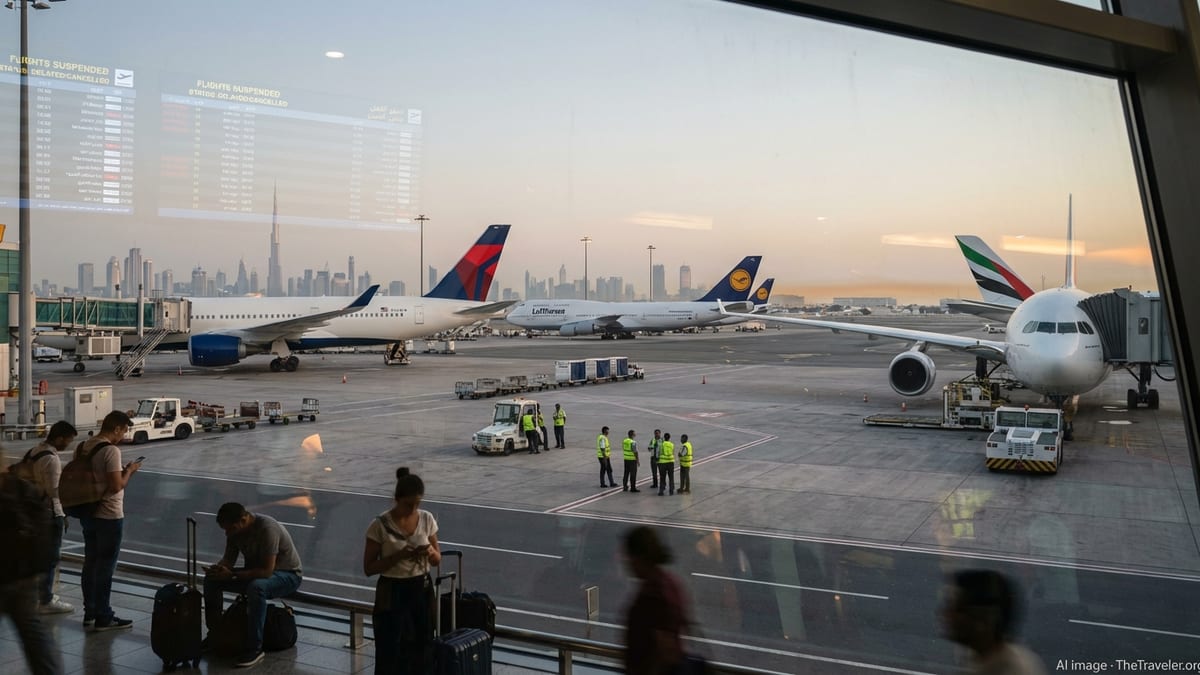
Network disruption spreads across major Brazilian hubs
Operational data compiled from Brazil’s main aviation hubs on April 7 indicate widespread schedule disruption, mirroring similar patterns reported in recent weeks at São Paulo Guarulhos and Belo Horizonte Confins. Flight tracking boards at Guarulhos, Viracopos in Campinas, Salgado Filho in Porto Alegre, Recife Guararapes and Tancredo Neves in Confins showed a combined 234 delayed operations and 23 outright cancellations, affecting morning and afternoon banks of departures.
The impact has been most visible at São Paulo Guarulhos, the country’s primary international gateway, where recent maintenance works and heavy traffic have repeatedly pushed the airport close to capacity. Earlier this week, industry coverage highlighted multiple waves of delays and a cluster of cancellations at Guarulhos, with knock on effects for connections to Rio de Janeiro, Brasília and northeastern capitals. The latest figures suggest that pressure has now spilled across Brazil’s broader airport network, tightening the margin for recovery when irregular operations occur.
At Campinas Viracopos and Porto Alegre, delays have concentrated on domestic trunk routes to São Paulo, Rio de Janeiro and Brasília, reducing the reliability of key feeder services. Recife and Confins, both important regional hubs, have reported a mix of late arriving aircraft, extended turnrounds and weather related operational constraints, resulting in rolling delays throughout the day.
The aggregate picture is of a network struggling to absorb small operational shocks, with each late departure increasing the likelihood of missed connections and overnight strandings across Brazil’s interconnected air system.
LATAM, GOL, Azul and TAP among most affected carriers
Brazil’s largest airlines have borne the brunt of the disruption. Publicly available movement logs and media reports from recent weeks show LATAM Brasil, GOL Linhas Aéreas Inteligentes and Azul Brazilian Airlines repeatedly appearing among the carriers with the highest numbers of delayed and cancelled flights, reflecting their dominant market share at Guarulhos, Congonhas, Viracopos and Confins.
On days of heightened disruption, analysis of departure boards at Confins has shown Azul and LATAM cancelling and delaying a combined several dozen flights across Belo Horizonte, São Paulo, Brasília and Fortaleza. Similar patterns have been reported at Guarulhos, where LATAM, GOL and Azul share peak hour banks that are highly sensitive to runway and air traffic constraints. The current wave of 234 delays and 23 cancellations follows that established pattern, with large domestic carriers disproportionately exposed whenever operational performance deteriorates.
International services are also being drawn into the turbulence. TAP Air Portugal, which codeshares extensively within Brazil and markets connections from Lisbon to cities including São Paulo, Rio de Janeiro and Curitiba, has been affected where its Brazil bound and domestic feeder flights rely on punctual operations at Guarulhos and Confins. Recent timetable data show TAP codeshare services on GOL and other Brazilian operators linking São Paulo to Belo Horizonte and other regional centers, creating an additional layer of complexity when domestic rotations fall behind schedule.
Smaller and regional airlines, including affiliates and feeder brands for the big three groups, have seen knock on effects as aircraft and crews struggle to maintain published rotations. Although their absolute numbers of delayed flights are lower, their limited fleets reduce flexibility to recover from disruptions, particularly on thinner routes that may have only one or two daily services.
Runway works, weather and tight schedules strain resilience
The current disturbances are unfolding against a backdrop of infrastructure constraints and seasonal weather patterns. Earlier coverage of the situation at São Paulo Guarulhos has pointed to ongoing runway maintenance that is scheduled to run into 2026, temporarily limiting operating capacity and increasing susceptibility to even minor deteriorations in visibility or wind conditions. Reduced runway throughput during busy banks of international and domestic departures makes it harder to clear backlogs once delays have built up.
Meteorological conditions across southern and southeastern Brazil have also played a role in recent months, with periods of heavy rain and low ceilings affecting Porto Alegre, São Paulo and Belo Horizonte. When these weather systems coincide with peak travel days, airlines are often forced to impose ground holds or adjust approach procedures, slowing arrivals and departures and forcing schedule compressions later in the day.
Analysts note that post pandemic capacity restoration has left many carriers operating tight aircraft rotations and ambitious utilization patterns. High load factors and minimal slack in daily schedules can improve financial performance in normal conditions, but they also reduce resilience when disruptions occur. A single delayed inbound flight from the northeast can cascade into missed departure slots at Guarulhos or Viracopos, triggering further delays on subsequent legs to Porto Alegre, Recife or Confins.
The combination of infrastructure works, congested airspace and tightly timed schedules therefore acts as a multiplier on days of irregular operations, turning local issues at one airport into a national pattern of delays and cancellations.
Passengers face missed connections and overnight strandings
For travelers, the practical impact of today’s disruption has been immediate. Reports from Brazilian and international media in recent weeks have documented passengers sleeping in terminal areas at Guarulhos and Confins after evening cancellations left them without same day rebooking options. The latest tally of 23 cancellations across the five airports, combined with more than two hundred delays, has again left hundreds of travelers waiting for alternative flights or scrambling to rearrange ground transport and accommodation.
Missed connections are a particular concern at Guarulhos and Recife, both of which serve as international gateways with onward domestic links. Long haul arrivals from Europe and North America often feed banks of domestic departures to the northeast and interior. When those domestic flights depart late, or are cancelled outright, international passengers can struggle to secure timely alternatives, particularly in high season or on routes with limited daily frequency.
Travel advisory outlets and consumer advocacy groups have been urging passengers flying within or via Brazil to allow generous connection times, especially when itineraries involve separate tickets or self connections between different carriers. They also recommend monitoring airline apps and airport displays frequently on the day of travel, as delay estimates can change rapidly when storms develop or runway works temporarily constrain capacity.
Some passengers with disrupted itineraries may be eligible for refunds, rebooking or assistance under applicable consumer protection rules, depending on the cause of the delay and the terms of their ticket. Rights and remedies can differ substantially between purely domestic itineraries and those involving international sectors operated or marketed by foreign carriers such as TAP Air Portugal.
Industry faces renewed questions over capacity and contingency
The recurrence of large scale disruptions across Brazil’s air network is prompting renewed debate over how airlines and airports are planning for capacity, resilience and passenger care. Data from aviation trend bulletins show that key Brazilian airports, including São Paulo, Recife and Belo Horizonte, have been handling steadily rising passenger numbers, yet infrastructure expansion has not always kept pace with demand.
Airlines are simultaneously balancing rising fuel and operating costs with competitive pressure to keep fares attractive, leading to leaner scheduling strategies and high seat occupancy. While this approach can optimize short term financial metrics, repeated episodes in which hundreds of travelers are left waiting for hours at gate areas raise questions about whether enough margin is built in to accommodate weather, maintenance and air traffic control constraints.
Policy discussions in recent months have therefore focused on potential upgrades to runway and terminal capacity at major hubs, more robust contingency planning for days of severe disruption, and clearer communication standards for airlines when delays exceed published thresholds. Observers note that as Brazil prepares for new long haul links and rising inbound tourism, the reliability of its domestic and regional network will remain a central factor in the country’s overall travel appeal.
For now, travelers planning journeys through São Paulo, Campinas, Porto Alegre, Recife or Confins are being encouraged by public advisories and travel publications to build extra time into their itineraries and remain alert to operational updates, as Brazil’s aviation system navigates another period of acute strain.