

More news on this day
Hundreds of U.S. passengers were stranded across Southern California on February 27, 2026, as airports in Los Angeles, Burbank, San Diego and Palm Springs reported 323 flight delays and 19 cancellations, disrupting operations for Frontier, United, WestJet, Alaska Airlines and several other carriers.
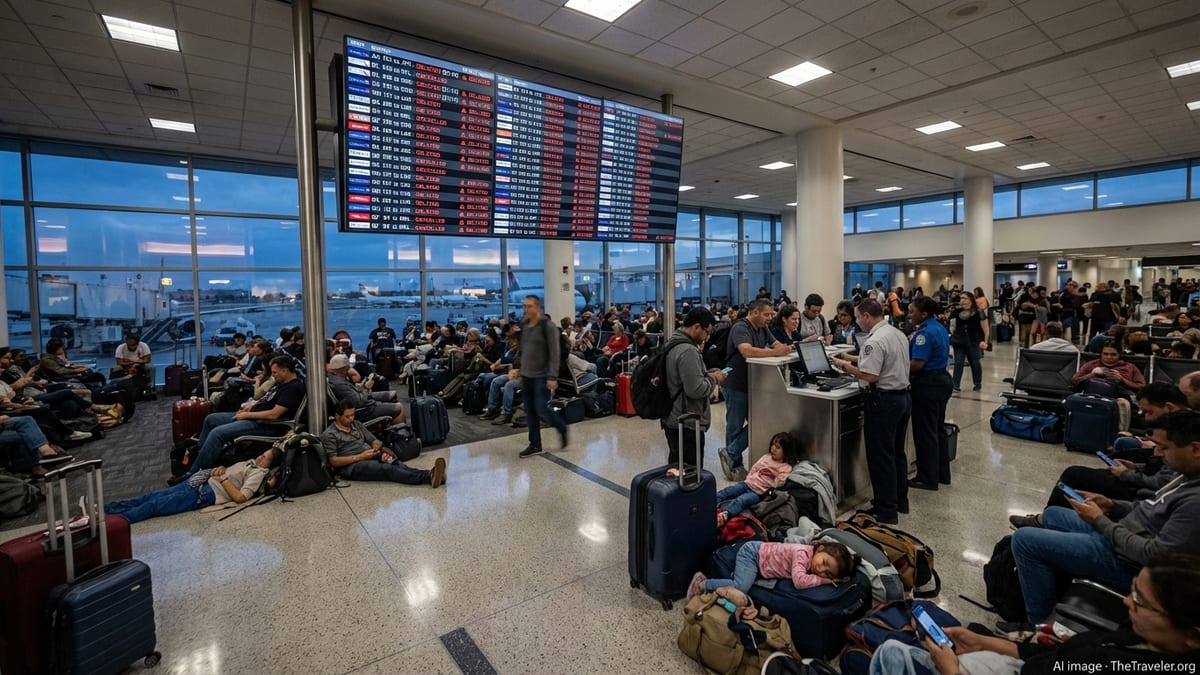
Regional Hubs Grapple With Widespread Schedule Disruptions
The most acute disruption was recorded at Los Angeles International Airport, where 199 flights were delayed and six were cancelled, according to operational data compiled from flight-tracking services. Given LAX’s role as one of the nation’s busiest gateways, even a relatively small percentage of impacted services translated into thousands of disrupted journeys and crowded gate areas, with passengers queuing for rebooking and customer assistance.
San Diego International Airport also emerged as a major trouble spot, with 74 delays and seven cancellations logged. The combination of high leisure demand and a dense schedule of regional and transcontinental routes meant that missed connections reverberated beyond Southern California, affecting onward travel to destinations across the United States.
Hollywood Burbank Airport and Palm Springs International Airport, both smaller but strategically important regional gateways, each reported 25 delayed flights and three cancellations. While the raw numbers are lower than at LAX or San Diego, the more limited flight options at these airports made it harder for travelers to secure same-day alternatives, prolonging wait times and forcing some to seek ground transport or overnight stays.
Combined, the four airports recorded more than 340 schedule disruptions in a single day, underscoring the vulnerability of an interconnected aviation network where delays at a few hubs can quickly ripple across multiple states and carriers.
Airlines From Legacy Giants to Low-Cost Carriers Affected
A wide mix of airlines was caught up in the disruption, cutting across full-service, regional and low-cost operators. Data indicated that SkyWest Airlines, a major regional carrier operating flights on behalf of several large U.S. airlines, logged 33 delays at Los Angeles alone, the highest individual delay count among carriers serving the affected airports.
United Airlines and Alaska Airlines, both key players along the West Coast, saw their schedules significantly disrupted. United recorded a combined 30 delays and two cancellations into and out of Los Angeles and San Diego, affecting both domestic connections and cross-country itineraries. Alaska Airlines reported four cancellations and five delays across the two airports, with West Coast point-to-point travelers particularly impacted as popular morning and evening departures were pushed back or scrapped.
Low-cost and international operators were similarly affected. Frontier Airlines experienced two cancellations and multiple delays split between Los Angeles and San Diego, compounding challenges for budget-conscious travelers who often have fewer backup flight options. Canadian carrier WestJet reported disrupted services at both Los Angeles and Palm Springs, complicating transborder travel for passengers heading to and from Western Canada.
Additional carriers, including Southwest Airlines, Delta Air Lines, Air Canada, Jazz Aviation, Horizon Air and others, also reported a mix of cancellations and late departures. For many travelers, the chaos manifested not only in missed flights but also in extended time on aircraft awaiting departure slots or gate availability, as operations teams worked to untangle congested schedules.
Knock-On Effects for Tourism, Business Travel and Local Economies
The concentrated disruption across Southern California is expected to have short-term knock-on effects for the region’s tourism and business sectors. Los Angeles, a major hub for entertainment, conferences and international tourism, relies heavily on predictable air arrivals to keep hotel occupancy, ride-hailing demand and event logistics running smoothly. With nearly 200 disrupted flights at LAX alone, hotel check-in patterns were skewed, and ground transport operators reported erratic demand spikes.
In San Diego, where leisure travelers form a substantial share of arrivals, delayed and cancelled flights forced visitors to adjust or curtail beach vacations, cruise departures and theme-park visits. Tour operators and excursion providers that depend on tight arrival windows saw some guests miss pre-booked outings, particularly morning tours that could not be rescheduled within the same day.
Palm Springs and Burbank, both important gateways for niche travel segments, also felt the impact. Palm Springs, a desert resort city that draws golfers, spa visitors and conference attendees, experienced cancellations that left some travelers scrambling for last-minute hotel changes or ground transport from other airports. Burbank, a preferred entry point for visitors headed to nearby studios and attractions in the San Fernando Valley, faced compressed arrival waves as delayed flights arrived in quick succession, stretching airport services and local ground transport.
Although the disruption is currently concentrated within a single day, industry analysts note that even short-lived events can leave lingering effects. Aircraft and crew repositioning often takes several cycles to normalize, meaning that some early-morning flights on subsequent days may still depart out of sequence or with limited spare capacity for rebooked passengers.
Advice for Affected Passengers Navigating the Chaos
For travelers caught up in the latest wave of disruptions, consumer advocates and airline operations experts recommend leaning heavily on official airline apps and text alerts, which typically provide the most up-to-date gate and schedule information. In many cases, schedule changes are pushed to mobile devices before they are reflected on airport departure boards, giving passengers a head start on rebooking options.
Those whose flights have been cancelled are urged to act quickly by joining rebooking queues in multiple channels at once: speaking with gate agents, reaching out via customer service hotlines and using online or app-based rebooking tools. At busy hubs like Los Angeles and San Diego, same-day alternatives on United, Alaska, Frontier and other carriers can fill rapidly, particularly on high-demand routes along the West Coast and to major connection cities.
Passengers experiencing lengthy delays are advised to retain all receipts for meals, transport and, if necessary, accommodation, in case they are eligible for reimbursement or goodwill vouchers under airline policies. While U.S. regulations do not mandate broad compensation for weather-related delays, passengers may be entitled to certain amenities when disruptions are linked to controllable operational issues.
Travel planners suggest that those with upcoming trips through Southern California monitor conditions closely over the next 24 to 48 hours, build additional buffer time into connections and consider earlier departures in the day, when schedules are less affected by rolling delays from prior flights. With hundreds of passengers already stranded and aircraft still being repositioned, the regional aviation system is likely to remain fragile until operations fully stabilize.