

More news on this day
Spring break travelers at Orlando International Airport are facing a mounting disruption as publicly available tracking data shows 323 flight delays and 11 cancellations affecting carriers including Spirit Airlines, Icelandair, Delta Air Lines and several other domestic and international operators.
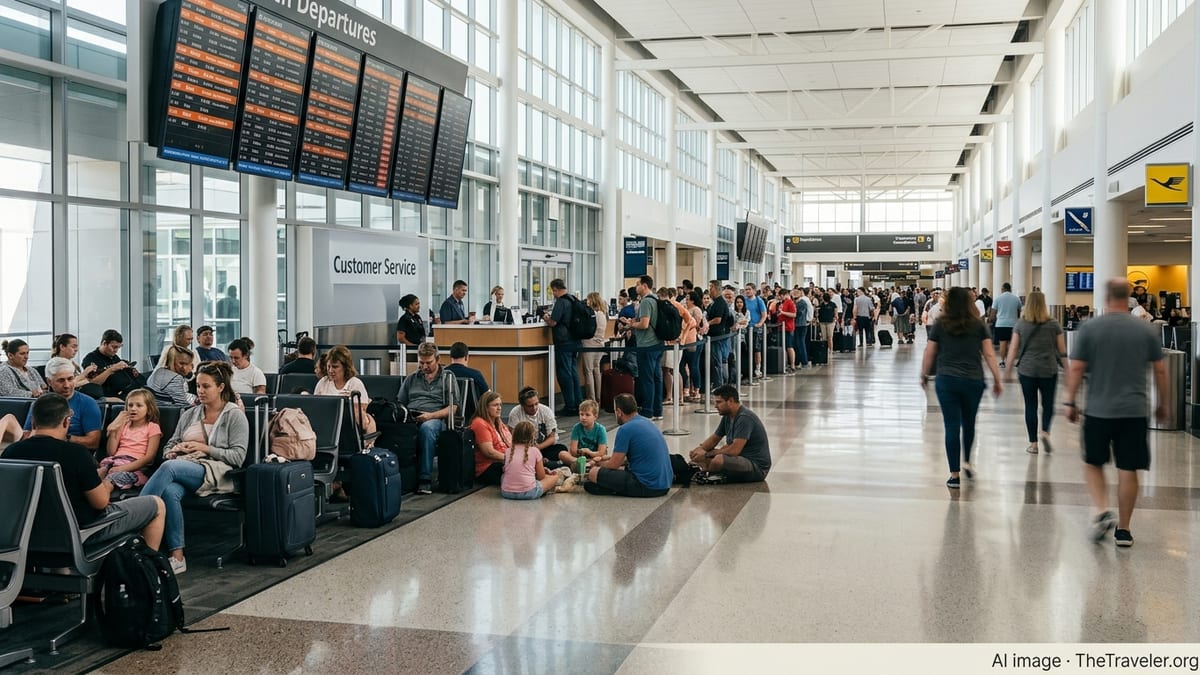
Heavy Disruptions Hit Major Carriers at MCO
The latest data for Orlando International Airport indicates that the operational strain is spread across a wide mix of airlines serving one of the country’s busiest leisure gateways. Ultra low cost carrier Spirit Airlines, transatlantic operator Icelandair and full service giant Delta Air Lines are among those with flights delayed or scrubbed, alongside a roster of other U.S. and foreign carriers.
The 323 delayed flights and 11 cancellations represent a notable share of Orlando’s typical daily schedule in March, a period that is already among the highest volume months of the year for the airport. Recent airport planning documents show that airlines such as Southwest, Delta, JetBlue, Spirit and Frontier account for the bulk of departures, which means schedule snags at even a few of these carriers can quickly ripple through the terminal.
The disruption is landing at a time when Orlando is handling strong passenger volumes and a dense schedule of departures to domestic hubs, Caribbean destinations and major European gateways. With many travelers on fixed holiday dates tied to school calendars, even a modest number of cancellations can leave limited options for same day rebooking.
Travelers at the airport have reported crowding at gate areas and long lines at customer service desks as they attempt to secure alternative routings or overnight accommodation. Publicly shared accounts depict congested concourses and departure boards showing waves of orange and red status updates, underscoring the scale of the schedule challenge.
Weather, Staffing and Network Strain Behind the Numbers
Early assessments point to a mix of factors behind the spike in delays and cancellations. Published coverage and traveler reports suggest that recent bouts of unsettled weather across parts of the eastern United States have led to ground stops and flow control programs, constraining the number of flights that can arrive or depart within set time windows. When those restrictions intersect with peak holiday schedules, recovery can take many hours.
In addition to weather, operational staffing remains a recurring theme. Accounts shared by passengers and aviation observers in recent months have highlighted tight crew availability at some low cost carriers, where reserve pilots and flight attendants may be stretched thin across fast growing networks. If a crew times out under federal duty regulations or cannot be repositioned in time, an otherwise serviceable aircraft can still be forced to wait or cancel.
Similar dynamics apply on the air traffic management side. Orlando has recently experienced periods of delay linked to constraints at regional air traffic control facilities, with some travelers describing long lines and reduced capacity on certain days. When that happens, airlines must sequence departures more conservatively, which can quickly transform minor schedule slips into multi hour delays.
Network design also plays a role. Airlines that rely heavily on tight aircraft turn times and high aircraft utilization are more vulnerable to knock on effects when an early morning flight is delayed or cancelled. As the day progresses, each additional disruption compounds, pushing later departures ever further behind schedule unless extra aircraft and crews can be brought into the rotation.
Impact on Passengers: Missed Connections and Overnight Stays
For travelers, the statistics translate into very tangible headaches. Families heading home from theme parks or setting out on international trips face missed connections, unexpected hotel bills and rebooked itineraries that sometimes depart a full day later than planned. Social media and community forums have filled with accounts of passengers spending much of the day at the airport only to see flights pushed back multiple times or cancelled outright.
Some travelers describe boarding aircraft at Orlando, waiting through lengthy ground delays and then being instructed to deplane, adding frustration and uncertainty to an already long travel day. Others report receiving early morning notifications that mid day or afternoon flights had been cancelled, leaving them scrambling for alternatives before even leaving their hotels.
With a large share of Orlando’s passenger base traveling on leisure tickets, many do not have access to premium rebooking channels or same day confirmed changes that can soften disruption at full service carriers. Travelers on the most affordable fare types can find themselves at the back of long standby lists, particularly when multiple flights on the same route are affected in quick succession.
For international passengers using Orlando as a gateway, the stakes can be even higher. A cancelled transatlantic or long haul flight may operate only a few times per week, meaning a lost seat could translate into a significantly shortened vacation or an unplanned additional night in Central Florida while awaiting the next available departure.
Advice for Upcoming Travelers Through Orlando
With March and early April typically among the busiest periods for Orlando International Airport, travel experts are advising passengers with upcoming trips to build significantly more flexibility into their plans. Publicly available guidance points to arriving at the airport earlier than usual, especially for morning departures that can determine the trajectory of the entire travel day.
Travelers are also encouraged to monitor their flight status closely in the 24 hours leading up to departure, using airline apps and airport flight status tools to stay ahead of any schedule changes. Same day alternatives are more easily secured when travelers react quickly to the first sign of disruption rather than waiting until a delay stretches into several hours.
Those connecting through Orlando to international destinations may wish to book longer layovers than they might choose in quieter seasons, reducing the risk that an inbound delay causes a missed long haul segment. Flexible hotel reservations and travel insurance that covers delays and cancellations can also provide a financial buffer when plans change unexpectedly.
For now, there is no indication that the current spike in delays and cancellations at Orlando International Airport represents a long term structural issue, but the episode highlights how weather systems, staffing constraints and high seasonal demand can intersect to create a sharp and sudden travel dilemma for thousands of passengers in a single day.
Airlines Adjust Schedules as MCO Growth Continues
Even amid the current disruption, recent airport planning data underscores how central Orlando remains to the networks of U.S. and international airlines. Updated traffic summaries for early 2026 show that carriers such as Southwest, Delta, Spirit, JetBlue, Frontier and American continue to operate dozens of daily departures from the airport, while international airlines including Icelandair and others connect Central Florida to Europe and beyond.
As demand has rebounded and surpassed pre pandemic levels, airlines have been fine tuning schedules at Orlando to balance growth with reliability. Some have added early morning departures and additional aircraft overnighting at the airport to provide more resilience when the first flights of the day encounter slowdowns elsewhere in the system.
Industry observers note that Orlando’s terminal expansion and ongoing investments in infrastructure are designed to support this growth, but that smooth day to day operations still depend on a complex choreography involving airlines, airport operators and national air traffic control systems. When any part of that chain is stressed, the effects quickly become visible on departure boards.
For travelers booked on Spirit, Icelandair, Delta or any of the other carriers currently experiencing delays and cancellations at Orlando International Airport, the coming days will reveal whether the disruption was a short lived spike or an early sign of a more protracted period of schedule volatility during the peak spring travel season.