

I had three full days in the Netherlands and wanted a trip that felt real: not just ticking off Amsterdam’s big sights, but also seeing another city, using public transport the way locals do, and tracking what I actually spent. Here is the honest breakdown of my 3 day itinerary, how much it cost in 2025 prices, and what I would do differently if I went back tomorrow.
How I Planned 3 Days in the Netherlands
I started with a simple structure: two days based in Amsterdam and one day for a side trip by train. That balance gave me time for the classic canal views and museums without feeling like I was only seeing a postcard version of the country. I chose March, knowing the weather would be changeable, but flight prices and hotel rates were noticeably lower than in summer, when tourism and festivals push demand much higher.
For accommodation, I booked a mid range hotel in Amsterdam West, a 15 minute tram ride from Centraal Station. In March 2025, typical mid range doubles in central or near central Amsterdam run roughly between 140 and 220 euros per night, with cheaper options in outlying neighborhoods and hostels. I paid near the lower end of that band by booking early and accepting a smaller room without a canal view, which was a fair trade off for my budget.
On the transport side, I decided to rely on contactless payments and regional train tickets instead of buying a complicated tourist pass. In 2025, you can usually tap in and out of almost all public transport in the Netherlands with a contactless bank card or phone, charged at the same basic rate as the local smart card system. That meant I did not need to pre purchase an OV chip card and could instead watch my usage day by day.
My total on the ground budget, excluding flights, ended up around 150 to 200 euros per day including accommodation, food, city transport, one intercity train, and admission to a few paid attractions. You can spend more or less depending on your travel style, but this range reflects an honest, mid range experience without luxury upgrades or extreme cost cutting.
Day 1: First Impressions of Amsterdam
I landed at Amsterdam Schiphol early in the morning and took the train to Amsterdam Centraal. A standard second class ticket for this 15 to 20 minute ride typically costs under 7 euros in 2025, and trains run frequently throughout the day. From Centraal, I transferred to a GVB tram for the short ride to my hotel area, tapping in and out with my contactless card at the tram doors.
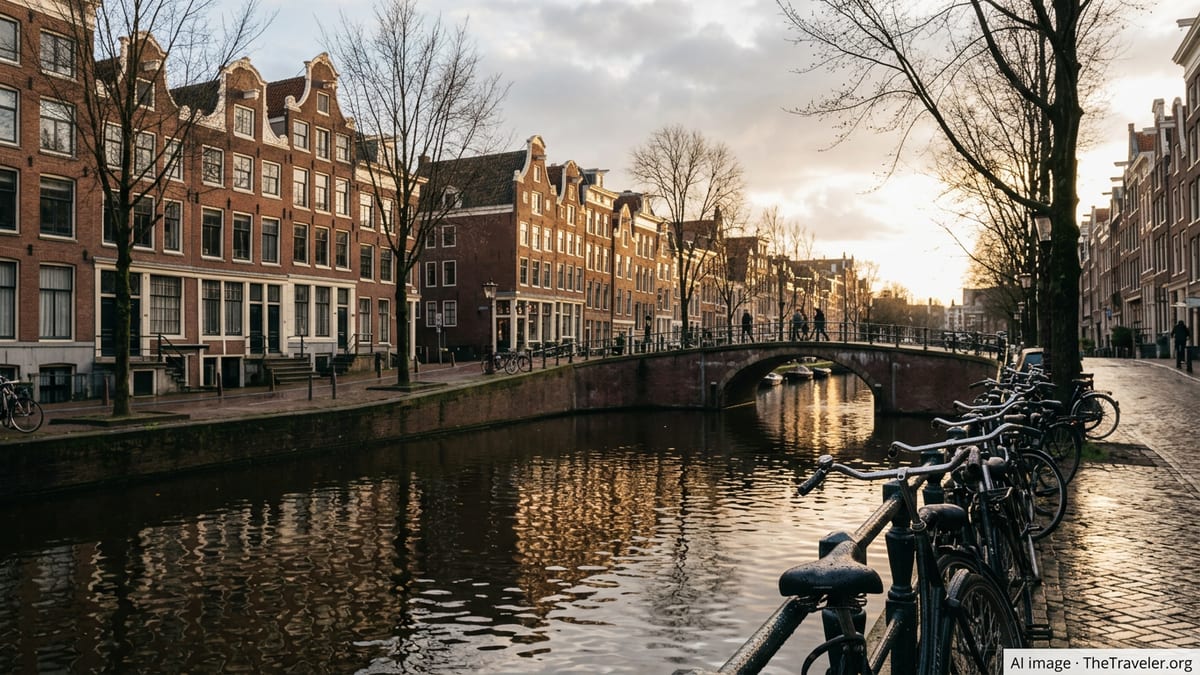
After dropping my bag, I walked back toward the historic center along the canals. Amsterdam’s core is compact, and you can easily spend several hours just wandering between Jordaan, the Nine Streets, and the ring of canals without paying for anything more than a coffee. This first day, I kept paid attractions to a minimum and treated it as an orientation walk, letting myself get lost down side streets and watching the boats slide past in the late winter light.
In the afternoon, I took a one hour canal cruise, which is one of the few tourist staples I genuinely recommend. Typical prices in 2025 range around 15 to 20 euros for a shared boat with audio commentary, with small group or evening cruises costing more. I chose a standard daytime departure from near Centraal, and seeing the gabled houses from water level made the city layout much easier to understand.
Food on day 1 stayed simple: a bakery breakfast at the station, a casual lunch of a broodje (sandwich) and coffee, and a mid range dinner in Jordaan. In March 2025, you can expect to pay roughly 3 to 4 euros for a takeaway coffee, 6 to 10 euros for a basic sandwich, and 18 to 25 euros for a main course in a sit down restaurant in central Amsterdam. With one glass of wine and tap water, my dinner bill came to just under 30 euros including service, which felt typical for the neighborhood.
Day 2: Museums, Neighborhoods, and Getting Around
Day 2 was about culture and practical navigation. I started in Museumplein for the Rijksmuseum. Adult tickets in 2025 fall in the 20 to 25 euro range for major national museums, and timed entry is common, especially in popular places. I booked a morning slot, arrived by tram, and spent about three hours among the Dutch masters. The building itself, with its vaulted halls and natural light, is almost as impressive as the paintings.
If you plan to visit several museums across the country, the Dutch Museum Card can be good value, especially for longer stays. The regular card price for adults is roughly in the mid 70 euro range in 2025 and grants repeated entry to hundreds of museums across the Netherlands for a year, while temporary versions for visitors are valid for a shorter period and a limited number of visits. For three days, I decided it was not essential, but if I had a week or more, I would strongly consider it.
Public transport costs in Amsterdam are one of the main line items for a short stay, especially if your accommodation is outside the immediate center. A typical 1 day city transport pass in 2025, valid on GVB trams, buses, and metro within the city, usually falls in the high single digit to low double digit euro range and can quickly pay for itself if you ride multiple times per day. I bought a day pass for about the cost of three separate rides and used it for at least six trips, including to and from the museum area, out to De Pijp, and back to my hotel at night.
In the afternoon, I walked through Vondelpark and then into De Pijp, where the pace feels younger and more residential. Cafes and bars here are often slightly less expensive than the most touristed canal belt streets, though the difference is not dramatic. I spent about 20 euros on a lunch of soup, bread, and a drink, then later in the evening, another 25 to 30 euros on shared snacks and two local beers at a neighborhood bar. By the end of day 2, my running total for food and drink over two days was around 120 euros, which felt realistic rather than restrained.
Day 3: Easy Day Trip Beyond Amsterdam
On day 3, I wanted to see a different side of the Netherlands without losing hours in transit. I chose Utrecht, a university city less than an hour by train from Amsterdam, though similar costs and timings apply if you opt for cities such as Haarlem or The Hague instead. From Amsterdam Centraal, standard second class tickets to Utrecht in 2025 usually cost in the range of about 8 to 12 euros each way, depending on the exact train and any discounts. Trains are frequent and straightforward to use; you simply tap in at the station gates, board the next Intercity, and tap out on arrival.
Utrecht’s old town is centered around canals that sit several meters below street level, with quayside cafes and warehouses converted to restaurants. I spent the morning climbing the Dom Tower, exploring the cathedral area, and wandering through small independent shops. Entry to prominent churches or towers often ranges from a few euros up to the mid teens, which is modest if you limit it to one or two key sights.
Lunch in Utrecht cost slightly less than my equivalent meals in Amsterdam, with a canal side cafe offering a main and drink for about 18 euros. Across the Netherlands, food prices do not vary dramatically between cities, but the most tourist heavy zones tend to charge a premium. In Utrecht, away from the main squares, I could feel that premium soften a little, and cafes felt more oriented to locals and students than short stay visitors.
By late afternoon, I took the train back to Amsterdam, arriving in time for one last walk through the canals at dusk. Factoring in about 20 to 24 euros for the round trip train fare, a 10 to 15 euro spend on local transport at both ends, and roughly 40 to 50 euros for food and small attractions, my day trip cost in the region of 80 to 100 euros. It felt worthwhile for the change of pace and for a glimpse of a less globally famous Dutch city.
What I Actually Spent in 3 Days
It is easy to underestimate costs in the Netherlands if you only look at one category at a time. When I added everything up, my three day trip excluding flights came in roughly between 450 and 600 euros, depending on how you allocate shared accommodation and small purchases. That translates to about 150 to 200 euros per day for a solo mid range traveler staying in a decent hotel in Amsterdam.
Accommodation was the single largest expense. At around 150 to 180 euros per night for a good but not luxurious double room in a near central neighborhood in March 2025, three nights totaled roughly 450 to 540 euros before city tourist tax. Tourist tax in Amsterdam is typically charged per person per night and can add several euros to the bill, so you should expect a small additional charge at checkout beyond the room rate shown on many booking platforms.
Public transport within Amsterdam and for the Utrecht day trip came to approximately 60 to 80 euros in total. That included a return train between Schiphol and Amsterdam, three days of trams and metro within the city, a one day city transport pass, and the return Intercity trip to Utrecht. Using contactless payment kept things simple, but it is important to remember to tap in and out every time, as forgetting can result in the system charging a higher default fare.
Food and drink averaged about 40 to 60 euros per day. Breakfasts were light and sometimes included with the hotel; when they were not, I could find bakery or cafe options for 7 to 10 euros. Lunch hovered around 15 to 20 euros with a drink, and dinners in casual but atmospheric restaurants reached 25 to 35 euros before any additional drinks. I avoided high end fine dining, which can easily double or triple those figures in popular neighborhoods.
Practical Tips I Learned Along the Way
Three days in the Netherlands taught me that small habits make a big difference to both budget and comfort. First, walking and cycling can replace many short tram rides if you choose your accommodation carefully. Distances in central Amsterdam are modest, and with good pedestrian infrastructure, I found it practical to walk 20 to 30 minutes between neighborhoods rather than paying for every connection. Bicycle rental is widespread, and daily rates are usually in the mid teens to low twenties in euros, though you must be confident handling busy urban cycling conditions.
Second, public transport is efficient but not cheap by European standards. Where possible, traveling outside peak commuter hours can sometimes offer better value, especially for longer rail journeys with certain discount products. For a short trip, though, most visitors will simply pay the standard rate, so budgeting generously for trains and city transport prevents surprise. Remember that the yellow OV chip card system is gradually being phased out in favor of account based options and contactless bank cards, which is good news for short term visitors who no longer need to buy a separate card for a brief stay.
Third, museum and attraction costs add up quickly. If you are a dedicated museum goer planning several major visits in Amsterdam and beyond, researching whether a city card or Museum Card suits your plans can be worthwhile. These passes typically require a decent up front spend, often in the 70 to 100 euro range or higher depending on type and validity, but can pay off if you visit multiple paid attractions every day. For a three day itinerary with just two or three big ticket entries, paying individually is usually simpler.
Finally, cash is increasingly optional in Dutch cities. I carried a small amount of euros for markets and small cafes, but nearly everywhere accepted debit and credit cards, and contactless payment was the norm. That said, it is helpful to have at least one backup card and to check any foreign transaction fees with your bank before arrival, as those charges can quietly inflate your total spending.
The Takeaway
Looking back, three days in the Netherlands felt short but satisfying. By focusing on Amsterdam for two days and adding a simple day trip to Utrecht, I was able to experience canals, world class museums, historic streets, and a slice of everyday local life without rushing constantly between cities. The itinerary was realistic rather than aspirational, shaped by opening hours, train timetables, and my own energy levels.
Costs were higher than in some other European destinations, particularly for accommodation and trains, but they remained manageable with thoughtful choices. Staying just outside the most famous postcards of Amsterdam, limiting paid attractions to a few highlights, using day passes when they made sense, and embracing walking kept my daily budget within the 150 to 200 euro range that many mid range travelers will recognize.
If I returned, I would strongly consider adding a fourth or fifth day to visit another city such as Rotterdam or The Hague, or to time my visit with tulip season and the famed flower fields. Even so, three days were enough to see why the Netherlands consistently ranks high for quality of life and visitor satisfaction: it is compact, well connected, and easy to navigate, with a calm, lived in atmosphere just beneath the tourist surface.
Most of all, my short trip reminded me that an honest itinerary does not need to be crammed with every possible sight. A handful of carefully chosen experiences, a realistic budget, and a willingness to wander without a rigid checklist can deliver a richer connection to the Netherlands than any exhaustive, rushed schedule ever could.
FAQ
Q1. Is three days in the Netherlands really enough for a first visit?
Three days is enough for a solid introduction focused on Amsterdam plus one nearby city, but you will only scratch the surface. If you have more time, four to six days allows a slower pace and additional destinations.
Q2. How much should I budget per day in the Netherlands in 2025?
For a mid range traveler staying in a hotel in Amsterdam, a realistic daily budget is around 150 to 200 euros, including accommodation, food, local transport, and a modest number of paid attractions, but excluding flights.
Q3. Is it worth buying a city card or Museum Card for just three days?
It depends on how many museums and attractions you plan to visit. If you only see two or three major sights, paying individually is usually cheaper. Cards become good value when you plan multiple paid visits every day.
Q4. Do I need an OV chip card, or can I just use my contactless bank card?
Most short term visitors can simply use a contactless debit or credit card to tap in and out on public transport, paying the standard fare. The traditional OV chip card is being phased out, so for a brief stay, it is rarely essential.
Q5. Are trains in the Netherlands expensive?
Train prices can feel high compared with some neighboring countries, especially for longer routes, but for short trips such as Amsterdam to Utrecht or Haarlem, single tickets are generally in the single to low double digit euro range each way.
Q6. When is the best time of year to visit for this three day itinerary?
Spring and early autumn offer a good balance of moderate weather, long enough daylight, and slightly softer prices than peak summer. Winter can be cheaper but colder and darker, while July and August bring higher demand and room rates.
Q7. Is Amsterdam safe to walk around at night?
Central Amsterdam is generally safe, with a visible police presence and many people out until late. As in any city, stay aware of your surroundings, avoid overly intoxicated areas, and keep an eye on your belongings in crowded nightlife districts.
Q8. How much will I spend on food each day?
If you eat a light breakfast, a casual cafe lunch, and a mid range restaurant dinner, expect to spend roughly 40 to 60 euros per day on food and non alcoholic drinks, with alcohol adding extra.
Q9. Is it necessary to book museums and attractions in advance?
For major museums and popular experiences, especially in Amsterdam, advance reservations are strongly recommended. Timed entry systems and limited capacities mean that walk up tickets may sell out on busy days or in peak seasons.
Q10. Can I see another city besides Utrecht in a single day from Amsterdam?
Yes. Cities such as Haarlem, Rotterdam, and The Hague are all within roughly one hour by train from Amsterdam and work well as day trips. Choose based on your interests, whether that is historic streets, modern architecture, or government and international institutions.