

More news on this day
The International Air Transport Association has introduced DG Digital, a new online platform designed to digitize dangerous goods declarations for air cargo, cutting paperwork, reducing errors and accelerating global freight flows.
Get the latest news straight to your inbox!
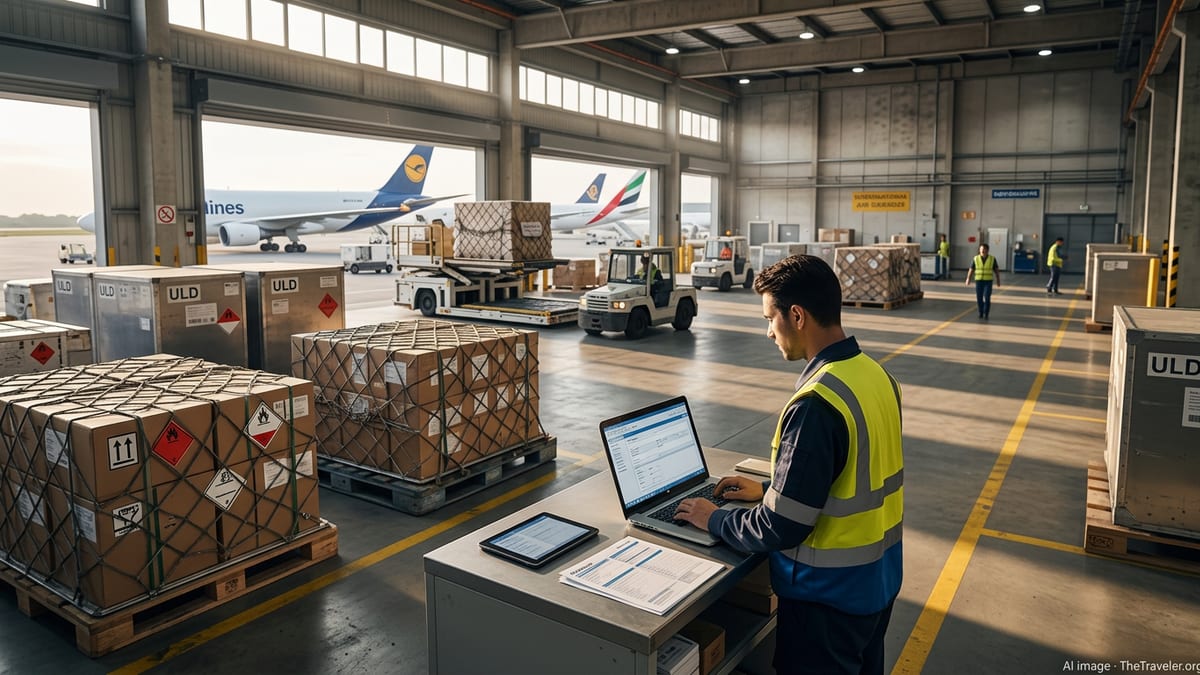
A New Digital Backbone for Dangerous Goods
DG Digital is IATA’s latest step in modernizing how hazardous materials move by air. The web-based tool allows shippers, freight forwarders and airlines to create, capture and share electronic Dangerous Goods Declarations in a standardized format, replacing today’s predominantly paper-based process.
At the heart of the platform is structured data entry built around IATA’s Dangerous Goods Regulations, which are used globally as the reference for packing, labeling and documentation requirements. By guiding users through each field and applying the same rules that underpin the manual, DG Digital is designed to prevent common documentation mistakes that can delay shipments or trigger costly rejections.
The system enables users to preview the declaration in IATA’s standard layout, generate a compliant PDF when paper is still required, and store digital records for audits. This helps operators align with regulators’ expectations while they transition toward fully electronic processes along the air cargo supply chain.
DG Digital also supports established industry data standards such as IATA’s Cargo XML schema for dangerous goods, ensuring that information can be exchanged smoothly between different systems and partners. That compatibility is crucial as airlines and handlers roll out their own digital tools and seek to avoid fragmented, proprietary formats.
Linking DG Digital to DG AutoCheck and Connect API
DG Digital sits at the starting point of an increasingly automated chain for hazardous cargo. Once a declaration is created, the data can be pushed directly into DG AutoCheck, IATA’s digital rules engine that automatically compares shipment details with the Dangerous Goods Regulations and carrier variations to verify compliance.
This automated acceptance check replaces the traditional process of manually cross-referencing paper forms against thick regulations books and checklists. IATA has previously reported that DG AutoCheck can reduce the time needed to process a dangerous goods shipment from close to an hour to just a few minutes in routine cases, while also surfacing more detailed compliance findings for complex consignments.
From there, the Connect API links DG AutoCheck outputs to cargo management platforms and notice-to-captain systems, providing flight crews with near real-time information on dangerous goods in the aircraft hold. Recent deployments with carriers and ground handlers in Asia and the Middle East have demonstrated how this data pipeline can eliminate delays between documentation, acceptance and load planning decisions.
By feeding high quality, structured data into DG AutoCheck and the Connect API, DG Digital aims to close one of the remaining gaps in air cargo digitalization. The combination of these tools is intended to give operators an end to end electronic process, from the moment a shipper creates a declaration to the moment a captain receives a load sheet.
Speed, Safety and Compliance for a Growing Hazmat Market
Airlines and logistics providers face growing volumes of dangerous goods as e commerce, pharmaceuticals and high energy batteries become more prevalent in global trade. Each shipment must be prepared and declared in strict accordance with international and national requirements, and even minor documentation errors can lead to delays, penalties or returns.
DG Digital is positioned as a response to this pressure. By capturing declarations in a controlled digital environment, the system can flag missing or inconsistent entries immediately, rather than leaving errors to be discovered later at the airport acceptance counter. This saves time for shippers and reduces congestion for ground handlers processing flights under tight schedules.
Safety benefits are another key selling point. Accurate declarations ensure that hazardous materials are packed, segregated and loaded in line with the Dangerous Goods Regulations and airline or state variations. With a consistent digital record, operators can more easily trace what is on board, how it is packaged and where it is stowed, supporting incident prevention and emergency response.
For regulators, wider use of tools such as DG Digital creates a more transparent documentation trail. The standardized data format makes it easier to analyze trends in non compliance, assess risk, and target oversight where it is most needed. In parallel, IATA has been working with the International Civil Aviation Organization on aligning technical standards, enabling national authorities to accept electronic data as equivalent to traditional paper forms.
Implications for Travel and Global Supply Chains
While DG Digital is aimed primarily at cargo stakeholders, the initiative has broader implications for the travel and tourism ecosystem. Modern passenger journeys increasingly rely on complex just in time supply chains, from aircraft parts and catering to vaccines, electronics and batteries that move by air freight alongside travelers’ luggage.
Faster and more reliable handling of dangerous goods can make routes more resilient to disruptions caused by documentation issues or last minute cargo rejections. Airlines that integrate digital tools for hazardous shipments may be better positioned to maintain flight schedules, especially on busy intercontinental corridors where cargo and passenger demand are closely linked.
The tool may also influence airport infrastructure planning. As more operators adopt digital declarations, cargo terminals can redesign acceptance counters, storage areas and data interfaces around electronic workflows instead of paper documentation. This, in turn, could support smoother connectivity between freighters, passenger flights and onward trucking, improving the reliability of deliveries that underpin tourism and business travel.
For shippers and logistics providers serving travel hotspots, the shift to electronic dangerous goods processes may become a competitive differentiator. Companies that can move sensitive cargo such as lithium batteries, specialty chemicals or medical products quickly and compliantly are likely to secure preferred carrier status on high value routes.
Adoption Challenges and Next Steps
Despite its potential, widespread adoption of DG Digital will depend on how quickly the air cargo community can align systems, training and regulatory acceptance. Many smaller shippers and forwarders still rely on manual documentation workflows and may be cautious about migrating to a new platform.
IATA is positioning DG Digital as both a standalone tool and a feature integrated into existing solutions such as DG AutoCheck, giving companies flexibility in how they implement it. Industry observers expect early uptake from large airlines, ground handlers and global forwarding networks that already have digitalization programs under way and can connect DG Digital to their in house cargo systems.
Training will be a central element of the rollout. Staff responsible for preparing and checking declarations will need to understand not only the Dangerous Goods Regulations, but also how to enter and validate data in the new platform. IATA and its partners have been expanding digital training modules for dangerous goods personnel, aiming to support this transition.
As adoption spreads, DG Digital is expected to evolve through new releases and closer integration with emerging data standards and platforms. For the air cargo industry, which has long been criticized for its reliance on paper, the launch marks another concrete step toward a fully digital future in which dangerous goods move more safely and efficiently across the globe.