

More news on this day
Global aviation faces a protracted jet fuel crunch after weeks of war-related disruption around the Strait of Hormuz, with the International Air Transport Association warning that supplies and prices could take months to return to more normal levels even if key shipping lanes reopen.
Get the latest news straight to your inbox!
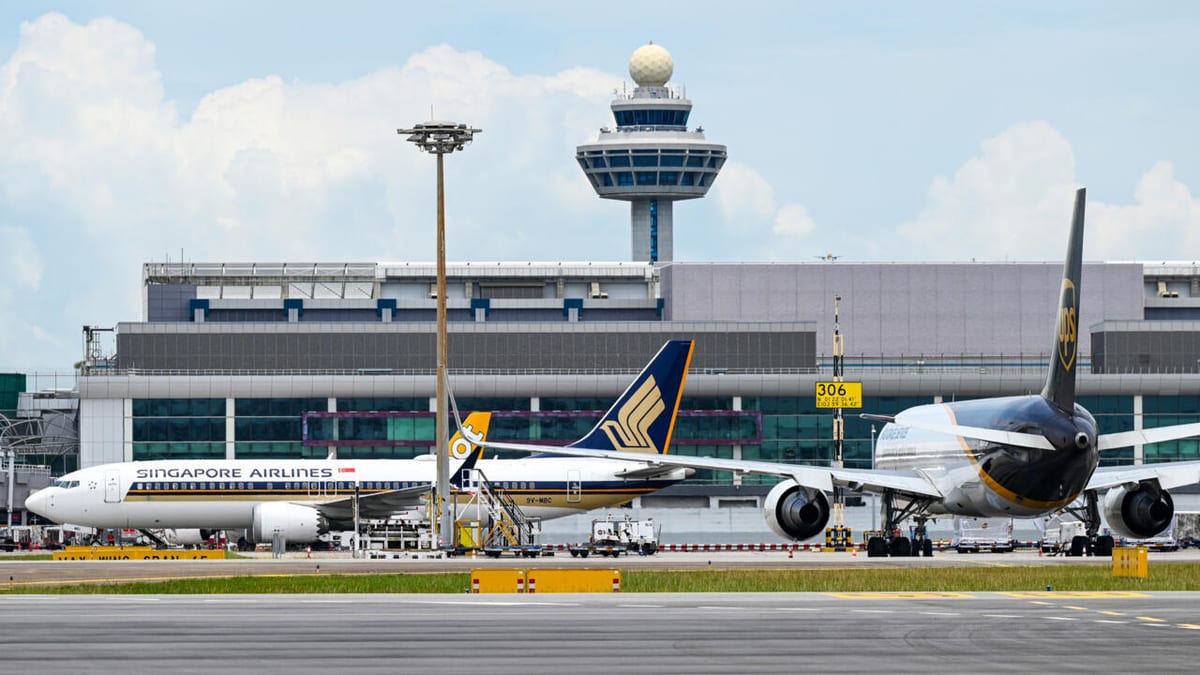
War fallout ripples through global jet fuel market
Publicly available information shows that the closure of the Strait of Hormuz during the Iran war has created one of the most significant shocks to jet fuel supply in recent history. The narrow waterway is a critical artery for crude oil and refined products flowing from major producers in the Gulf to refineries and airports worldwide. Interruptions to tanker traffic have sharply reduced the availability of jet fuel and pushed prices higher for airlines across regions.
Coverage from international outlets indicates that while a ceasefire has raised the prospect of safer passage through Hormuz, the physical disruption to supply chains has already been severe. Many refineries in the Middle East that normally process crude into aviation fuel have cut runs or temporarily halted output because feedstock deliveries were interrupted or export routes became too risky. The resulting shortfall is now working its way through storage hubs and airport fuel systems.
Industry data cited in recent reports suggest that jet fuel inventories at several major hubs have been drawn down to cover the gap, masking the full scale of the disruption in the first weeks of the crisis. As those stocks thin, airlines are beginning to encounter more frequent refueling limits, tighter allocation rules and higher surcharges, particularly on routes linking Europe and Asia with the Gulf region.
The International Air Transport Association, which represents hundreds of carriers, has cautioned that these distortions will not disappear quickly. According to recent reporting, IATA director general Willie Walsh has drawn parallels with earlier shocks, noting that aviation fuel markets typically require several months to rebalance even once the underlying geopolitical trigger begins to ease.
Refining disruptions mean recovery will lag any Hormuz reopening
Analysts tracking the fuel market stress that the biggest challenge now lies not only in the reopening of the Strait of Hormuz but in the time it will take to restore refining and distribution patterns. Reports from financial and energy news services highlight how refineries in the Gulf region reduced throughput or reconfigured production away from jet fuel as shipping risks escalated and insurance costs soared.
Reversing those shifts is expected to be gradual. Public information from commodity researchers indicates that refineries must secure reliable crude supplies, recalibrate equipment, and rebook product tankers before jet fuel exports can ramp back up. Even under optimistic assumptions, those operational steps can take weeks, and the current situation involves multiple facilities across several countries all adjusting simultaneously.
Market commentary suggests that once more fuel begins to flow, it will first be directed to refill depleted storage tanks at coastal terminals and major airports. Only after inventories return to more comfortable levels will prices and spot availability begin to normalize for airlines. That sequencing is one key reason IATA and independent analysts are pointing to a multi month recovery path rather than a rapid snapback.
Historical comparisons used in recent coverage also reinforce the warning. After previous large scale disruptions, such as terrorist attacks or regional conflicts, the balance between jet fuel supply and demand typically remained strained for three to six months. In the present case, the sheer importance of Hormuz to global oil flows, combined with damage to regional refining patterns, raises the prospect of an even more extended adjustment.
Airlines brace for higher costs, schedule pressure and fare volatility
For airlines, the jet fuel squeeze arrives on top of an already complex operating environment. Fuel is usually one of the largest expense items for carriers, and reports from Asia, Europe and the Middle East describe operators racing to secure alternative supplies, hedge exposures and adjust schedules. Some carriers have turned to more distant suppliers, adding voyage days and transport costs for each barrel of fuel.
Travel industry observers note that extended routings for fuel shipments can make certain city pairs more expensive to serve, especially long haul routes that require heavy fuel loads. Where local airport fuel providers cannot guarantee full refueling, airlines may be forced to tanker extra fuel from other airports, adding weight and further increasing consumption. In practical terms, this can translate into payload limits, routing changes or selective capacity cuts.
Publicly available commentary from aviation analysts suggests that ticket prices on some routes are likely to feel upward pressure in the coming weeks, particularly if carriers pass on higher fuel costs through surcharges. However, weak consumer demand in some regions and intense competition on major corridors could limit how much of the fuel spike airlines are able to recover from passengers. That tension may strain balance sheets if the disruption persists deep into the year.
Network planning teams are also watching for potential localized shortages. Notices of limited jet fuel availability have already appeared at several airports in recent weeks, according to operational bulletins and flight planning forums. While outright cancellations linked solely to fuel have been rare so far, contingency planning has become more prominent, with airlines exploring refueling stops, aircraft swaps and temporary reductions in frequency on vulnerable routes.
Regional impacts: Europe and Asia confront tight supplies
The geography of the disruption means that Europe, the Gulf and large parts of Asia are bearing the brunt of the jet fuel crunch. Coverage from European outlets points to a growing reliance on imports of middle distillates, including jet fuel and diesel, from the Gulf region in recent years. With those flows curtailed, European buyers are competing with Asian refiners and North American traders for alternative cargoes.
Energy specialists quoted in recent analyses indicate that refiners in India, South Korea and Southeast Asia are increasing runs where possible, but shipping distances and limited spare capacity constrain how quickly they can backfill the shortfall from the Middle East. This has led to a reshuffling of trade routes, with some tankers sailing longer paths around Africa or detouring to less congested terminals, adding to delivery times and freight costs.
In Asia, several major hubs have reportedly tightened allocation policies for airlines or encouraged voluntary fuel conservation measures. That can include recommendations to optimize flight planning for lower burn, prioritize more efficient aircraft on fuel constrained routes, and reduce discretionary tankering. Local regulators in a few markets are also reviewing fuel reserve requirements and contingency plans in case the crisis lengthens.
Smaller and more remote markets with limited storage and fewer supply options may face the sharpest pinch. Travel industry observers warn that leisure destinations at the edge of major networks could see disproportionate schedule adjustments if carriers need to redeploy capacity toward routes where fuel is more readily available. For travelers, that could mean fewer frequencies or more seasonal volatility in flight options.
What travelers can expect in the months ahead
For passengers, the war driven jet fuel disruption is likely to manifest less as a sudden breakdown in global connectivity and more as a period of elevated prices, occasional schedule changes and heightened uncertainty. Industry commentary suggests that most large carriers have enough financial and operational flexibility to maintain the bulk of their networks, even under tighter fuel conditions, by reshuffling aircraft and optimizing routes.
However, publicly available information about past supply shocks indicates that travelers should be prepared for episodic disruption. That may take the form of last minute aircraft swaps, re timings or consolidation of lightly booked flights, particularly on long haul routes and services that depend on fuel constrained hubs. Frequent flyers may also notice changes in fares or ancillary fees as airlines try to balance demand with higher operating costs.
Consumer advocates recommend that travelers booked on complex itineraries in the coming months build in extra connection time and monitor airline communications closely for schedule updates. Flexible tickets, travel insurance that covers schedule disruption, and booking with carriers that offer multiple daily frequencies on key routes can provide additional resilience if the fuel situation deteriorates further.
Ultimately, the pace at which jet fuel markets normalize will depend on the durability of any ceasefire, the speed of reopening and securing the Strait of Hormuz, and the ability of global refiners and shippers to reestablish efficient trade flows. Until those pieces fall into place, IATA and market analysts alike expect the jet fuel shock to remain a central risk factor for the aviation and travel industry well beyond the immediate end of hostilities.