

More news on this day
Iberia Group is preparing for one of its busiest Easter periods on record, announcing a major increase in seats and flights from Madrid for Holy Week 2026 as demand for leisure travel across Spain, Europe and the Americas continues to surge.
Get the latest news straight to your inbox!
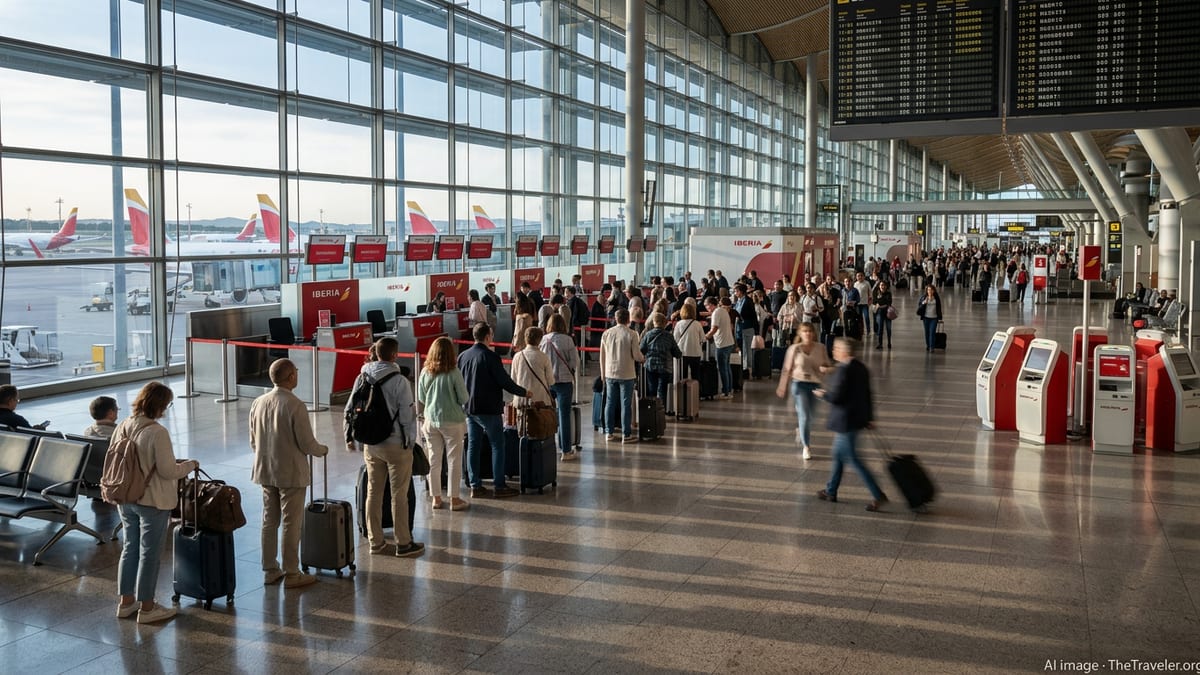
Record-Breaking Easter Operation From Madrid
Publicly available information from Iberia Group indicates that the company, which includes Iberia, Iberia Express and Iberia Regional Air Nostrum, will offer nearly 1.2 million seats for Easter 2026. Between 27 March and 7 April, the group plans to operate 7,329 flights, representing around 10 percent more services than during the same holiday window in 2025. The expanded schedule positions Madrid as one of Europe’s most dynamic Easter travel hubs, with additional services both within Spain and on key international routes.
The reinforced operation is designed around peak travel days at Adolfo Suárez Madrid Barajas Airport, when passenger traffic traditionally spikes as residents head to the coast, city-break travelers disperse across Europe and long haul demand picks up. Schedules for Iberia and its affiliates have been adjusted to add frequencies and upgauge aircraft on the most popular routes, while also maintaining banked connections that allow travelers to use Madrid as a transfer point to other destinations.
The move forms part of Iberia’s broader Flight Plan 2030 growth roadmap, which seeks to consolidate Madrid’s role as a primary European gateway, particularly for transatlantic traffic. Industry reports note that the airline group has been steadily increasing capacity since 2024, and the Easter 2026 program marks a new high point in seasonal offerings.
European City Breaks Lead Easter Demand
Across Europe, the strongest Easter demand from Madrid is concentrated on classic city break and religious tourism destinations. Rome stands out as one of the biggest winners in Iberia’s Easter 2026 schedule, with the airline assigning widebody aircraft on select Holy Week dates. These twin aisle jets, normally deployed on long haul routes, substantially increase the number of seats available between the Spanish and Italian capitals and reflect the enduring popularity of Rome at this time of year.
Capacity is also being reinforced on other short and medium haul routes to major European cities, responding to sustained interest in cultural and culinary escapes. Schedules indicate extra flights and larger aircraft on routes to destinations such as Paris, Lisbon and other primary Western European gateways, with timings designed to facilitate long weekend getaways and onward connections through Madrid.
The strategy allows Iberia Group to spread demand across different days and time bands, helping reduce bottlenecks at peak times while still capturing strong leisure flows. For travelers, the added frequencies translate into more choice of departure times, better chances of finding lower fares and increased flexibility for combining multiple destinations in a single trip.
Latin America and North America See Continued Growth
Beyond Europe, Easter 2026 reinforces Madrid’s function as a bridge between Europe and the Americas. Iberia has already reported record capacity to Latin America in recent seasons, with more than 5.5 million seats scheduled across the year, and the Easter period benefits from this wider expansion. Flights to key Latin American capitals and major Brazilian cities are set to operate with high frequency, giving travelers from Spain and the rest of Europe multiple daily options via Madrid.
North America is another pillar of the Easter build up. Publicly available data on Iberia’s plans highlight record seat offerings to the United States, with capacity for 2026 growing compared with the previous year. Services to major U.S. gateways such as New York, Miami and other established routes are reinforced around Holy Week, leveraging strong demand from both leisure travelers and diaspora communities taking advantage of the holiday period to visit family and friends.
This dual focus on Latin America and North America fits with Iberia Group’s long term strategy for Madrid as a transatlantic super hub. Expanded seat supply during Easter helps feed connecting traffic between secondary European cities and long haul destinations, while the use of modern widebody aircraft contributes to more efficient operations and an improved onboard experience.
Spanish Holiday Hotspots and Regional Connectivity
Domestically, Iberia Group is also stepping up service from Madrid to Spain’s perennially popular coastal and island destinations. Easter traditionally marks the informal start of the warm season for many travelers, and routes from Madrid to the Canary Islands and Balearic Islands show notable increases in seats and frequencies. These additional flights are intended to absorb heavy demand for short breaks on Tenerife, Gran Canaria, Palma de Mallorca and other sun destinations.
Regional connectivity is further supported by Iberia Regional Air Nostrum and Iberia Express, which adjust their schedules to reinforce service between Madrid and medium sized Spanish cities. Information released by the regional affiliate indicates that it has been incrementally increasing its Easter seat supply year on year, ensuring that travelers from across the country can access the expanded network via Madrid with convenient same day connections.
The domestic build up also benefits inbound tourists using Madrid as a first stop before exploring other parts of Spain. With more flights to regional airports and better timed connections, visitors arriving from Europe or the Americas during Holy Week can more easily combine a city stay in Madrid with a beach escape or a cultural circuit through other Spanish regions.
What the Capacity Surge Means for Travelers
The Easter seat surge has several practical implications for travelers planning trips in late March and early April. The headline increase in capacity generally points to a broader selection of fares and travel dates, particularly for those booking early. With Iberia Group spreading flights across different days and deploying larger aircraft on busy routes, passengers are more likely to find options that match preferred departure times and connection windows.
At the same time, demand during Easter remains intense and some routes can still sell out quickly, especially to in demand leisure destinations such as Rome, the Canary Islands and certain Latin American cities. Travel industry analyses recommend early booking for peak dates, flexible travel plans where possible and attention to off peak departure times that may be less crowded.
The reinforced operation also underscores Madrid’s strengthening status as a central European air hub. For international travelers, the expanded Easter schedule offers more opportunities to use the Spanish capital as a convenient connecting point between Europe and the Americas, while for local passengers it enhances choice for both short getaways and long haul journeys during one of the country’s most important holiday periods.