

More news on this day
Iberia is reshaping the competitive map over the Atlantic, rolling out record-breaking capacity, new routes and dense schedules across Latin America that are turning Madrid into the dominant European gateway for travelers heading to the region.
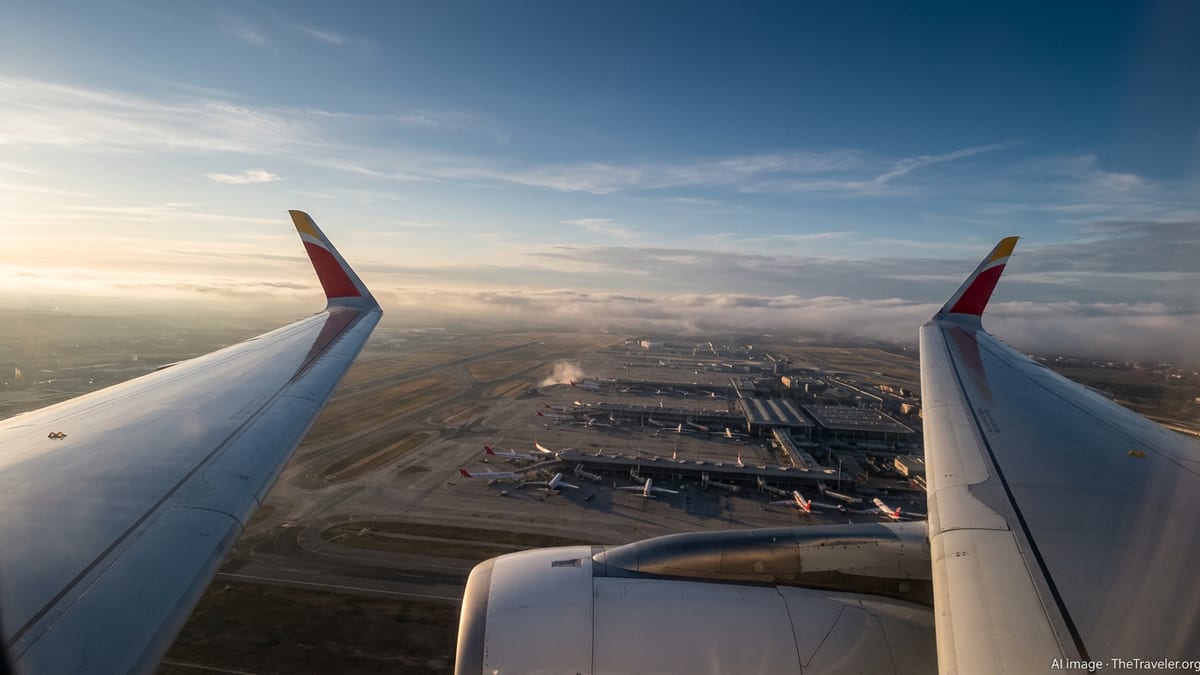
Record Capacity Between Europe and Latin America
The Spanish flag carrier is setting new records in the Europe–Latin America corridor, confirming its strategy of making this long-haul market the backbone of its global network. For 2025 the airline has scheduled more than 5.5 million seats between the two regions, a new high and around 5 percent more than the already elevated levels seen in 2024.
That growth comes on top of a sharp expansion over the past two years. Iberia’s 2024 offering of roughly 5.3 million seats to and from Latin America was about 16 percent higher than in 2023 and more than 20 percent above pre-pandemic levels, according to company figures and industry data. The airline operated more than 320 weekly flights in 2024 and is now surpassing 350 weekly frequencies as the new schedule beds in.
This surge in capacity has helped push Iberia’s overall traffic to new highs. The Iberia Group carried almost 31 million passengers in 2024, and executives point directly to the strength of Latin American routes as a key driver. The strategy is clear: dominate the busiest long-haul flows, then use Madrid as a fast-connecting hub for passengers from across Europe, North America and beyond.
Industry analysts note that, measured by seats and weekly flights, Iberia is now the reference carrier between Europe and Latin America, outpacing regional rivals whose growth has been more cautious. The airline’s stated Flight Plan 2030 aims to reinforce that leadership further, with Latin America positioned as the centerpiece of long-haul expansion.
Triple Daily Giants and Beefed-Up Hubs
The numbers behind the growth are most visible on Iberia’s flagship Latin American routes. Mexico City, Bogotá and Buenos Aires have each been boosted to triple daily service in both directions, giving these capital cities 21 weekly frequencies from Madrid during peak periods. For travelers, that density translates into a choice of departure times, smoother connections and more resilience when disruptions occur.
Santiago de Chile and Lima are also moving into the big-league category in terms of frequency. Iberia’s latest long-haul schedule for the 2025 to 2026 winter season lifts Santiago to 12 weekly flights, while Lima climbs to 14 weekly services, effectively two flights a day and markedly higher than pre-pandemic offerings. Capacity to these markets is set to grow by double digits year on year, according to the airline’s published figures.
Brazil, a fiercely contested market among European network carriers, is another major winner. São Paulo now enjoys two daily flights, while Rio de Janeiro’s operation has been reinforced to up to five weekly services in winter and more in peak periods, some operated by widebody Airbus A350 aircraft. Over the course of 2025 Iberia’s total seats to Brazil jumped by more than a quarter compared with 2024, and the airline plans to add tens of thousands of extra seats again in 2026.
Across the Caribbean and northern South America, Iberia is also lifting frequencies to Santo Domingo, San Juan in Puerto Rico, and other key leisure and visiting-friends-and-relatives markets. In some months Santo Domingo is scheduled to reach up to 13 weekly flights, while San Juan moves toward daily and beyond, underlining Iberia’s intention to dominate both business and leisure flows from Europe into the wider Latin world.
New Latin America Routes Reshape the Map
Beyond raw capacity gains, Iberia is redrawing its Latin American footprint with a wave of new destinations that open up secondary cities to non-stop European service. In Brazil, the airline is doubling its number of destinations by adding Recife and Fortaleza, two key gateways in the country’s northeast. Operated with new-generation single-aisle aircraft tailored for long sectors, the routes launched in late 2025 and early 2026 with three weekly flights each.
Industry data show that the Recife and Fortaleza services alone are expected to carry tens of thousands of passengers in their first full season, contributing the majority of Iberia’s added Brazilian seats in early 2026. Their launch allows Iberia to diversify beyond the traditional São Paulo and Rio pairing, tapping into strong outbound leisure demand from Europe and growing inbound traffic from Brazil’s fast-developing coastal cities.
In Mexico, Iberia is also moving beyond the powerhouse Mexico City market. A new three-times-weekly service from Madrid to Monterrey, one of the country’s most important industrial and technology hubs, entered the schedule for the northern summer season. The route complements the carrier’s already dense operation to Mexico City and reflects the increasing corporate and trade flows between Spain, wider Europe and northern Mexico.
These additions join an already broad Latin American network that spans 18 destinations in 16 countries, including Buenos Aires, Montevideo, Lima, Santiago, Bogotá, Guayaquil, Quito, San José, Guatemala City, San Salvador, Panama City, Caracas, Havana, Santo Domingo and San Juan. Combined with growing connectivity to the United States, they help turn Madrid into a powerful crossroads for itineraries that link cities such as Rome, Paris or Berlin with Latin American destinations that once required multiple stops.
Madrid’s Hub Strategy and the Fight for Dominance
Iberia’s push in Latin America is not happening in isolation. It is part of a broader strategic contest as European groups seek to capture long-haul traffic and consolidate their positions on key global corridors. With the planned acquisition of a rival Spanish carrier having fallen through, Iberia has made clear that organic growth and smart partnerships are now central to its approach, especially in Latin markets where it already enjoys strong brand recognition.
Central to this vision is turning Madrid Barajas into a primary gateway between Europe and the Americas. By stacking multiple daily departures to the biggest Latin American cities and adding new points served by fuel-efficient aircraft, Iberia is able to offer tightly timed connections from dozens of European and domestic Spanish destinations. The strategy is designed not only to attract passengers originating in Spain, but also to lure travelers from across Europe who might otherwise connect through Paris, Frankfurt or Amsterdam.
The airline’s Flight Plan 2030, presented to investors and unions as a roadmap for the next several years, emphasizes Latin America as a growth engine. It highlights new-generation aircraft such as the Airbus A321XLR, which allow Iberia to profitably serve thinner long-haul markets and seasonal routes that would be uneconomical with larger widebodies. That flexibility underpins the launch of cities like Recife, Fortaleza and Monterrey, and could open the door to further new destinations in Brazil and elsewhere in the Americas.
At the same time, Iberia is shoring up its competitive position through investments in premium cabins, digital services and loyalty initiatives, targeting high-yield business and affluent leisure travelers who frequently cross the Atlantic. Executives argue that by pairing a dense Latin American network with a strong product, they can defend Madrid’s role as a hub even as other European airlines increase their own presence in markets such as São Paulo, Buenos Aires and Mexico City.
What It Means for Travelers
For travelers, Iberia’s Latin America surge is already changing how they can move between continents. The record number of seats and expanded list of destinations translate into more choice on departure times, greater availability of non-stop options and improved resilience when irregular operations strike. Those based in Latin American cities now have more direct access to Madrid and, by extension, to an extensive European network without the need for intermediate connections through other hubs.
The airline is also using its Hola Madrid stopover program to encourage passengers to spend time in the Spanish capital on their way to or from Latin America, offering the possibility to stay in the city for several nights at no additional airfare. For Iberia, this not only helps fill flights but also supports Madrid’s tourism industry, turning the hub strategy into a broader economic play.
For price-sensitive travelers, increased competition and capacity can put downward pressure on fares, especially outside the busiest holiday peaks. Conversely, the strong demand that has enabled Iberia’s expansion means that premium cabins and peak dates are likely to remain tight, rewarding early bookers and loyal customers.
With new routes, higher frequencies and a clear long-term plan focused on the region, Iberia is signaling that its bet on Latin America is only just beginning. For many travelers on both sides of the Atlantic, that will increasingly mean connecting through Madrid as the airline cements its reputation as the dominant bridge between Europe and the Latin world.