

More news on this day
Travel across Iceland faced major disruption on March 20, 2026, as Icelandair, British Airways, SAS, Finnair and Icelandair’s domestic operations grounded a combined 93 flights, affecting key routes through Keflavík, Reykjavík, Akureyri, Egilsstaðir and Ísafjörður.
Get the latest news straight to your inbox!
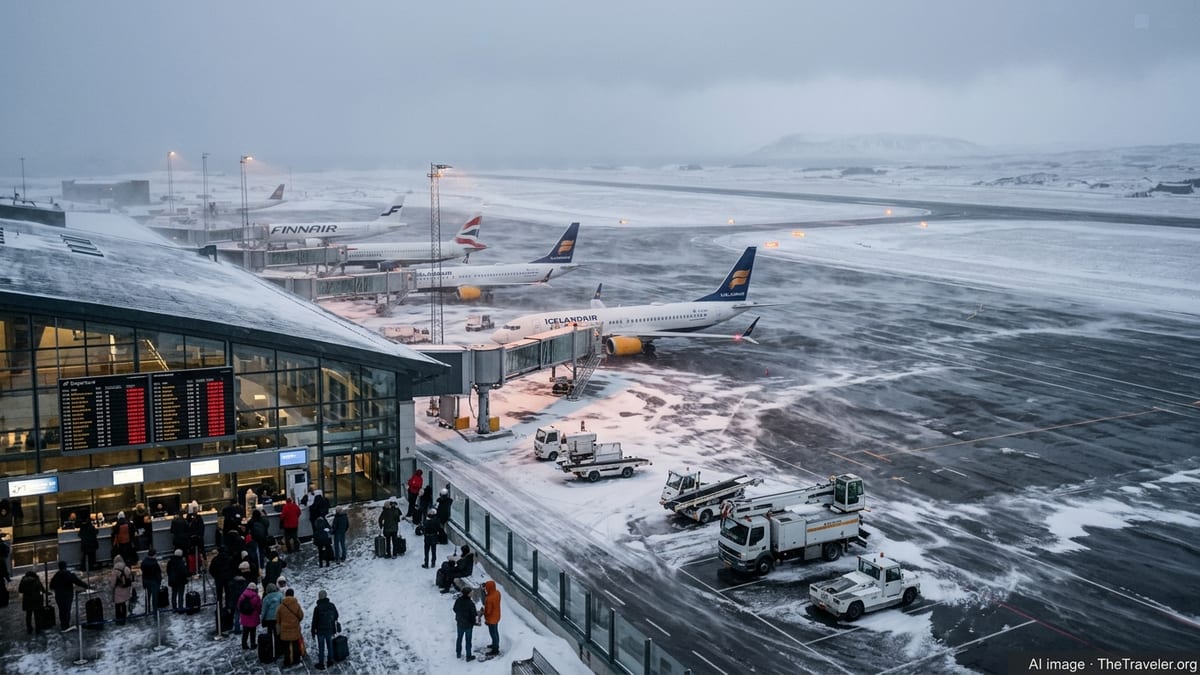
Severe Weather Halts Operations at Key Icelandic Airports
Publicly available flight and passenger reports indicate that a powerful low-pressure system over the North Atlantic triggered widespread cancellations across Iceland’s air network, with conditions deteriorating rapidly overnight into March 20. The combination of strong crosswinds, poor visibility and blowing snow led airlines to suspend operations on numerous routes, citing safety considerations for aircraft movements at exposed coastal and regional airports.
Keflavík International Airport, Iceland’s main international gateway, experienced the largest concentration of cancellations as transatlantic and European services were pulled from the schedule. British Airways, SAS and Finnair all cut departures linking Keflavík to major hubs such as London, Copenhagen and Helsinki, while Icelandair removed both long-haul and regional flights from its programme.
Reykjavík Airport, the country’s primary hub for domestic and short-haul services, also saw significant disruption. Icelandair’s domestic arm, which operates former Air Iceland Connect regional routes under the Icelandair brand, curtailed operations on several popular corridors, including the busy northbound and eastbound links that connect the capital with regional centres.
The ripple effect extended beyond Iceland’s two main airports to smaller regional gateways. Flights attempting to connect through Keflavík and Reykjavík were unable to operate as scheduled, resulting in knock-on delays and cancellations across the day and into subsequent rotations.
Regional Centers Akureyri, Egilsstaðir and Ísafjörður Hit Hard
Regional travellers were among the most affected as cancellations disrupted links between Reykjavík and key population centres in the north and east. Akureyri, the largest town in North Iceland and an increasingly important entry point for winter tourism, saw multiple services grounded as strong winds and drifting snow created challenging conditions along the fjord approach.
In the east, Egilsstaðir Airport experienced similar interruptions. This airport is an essential lifeline for residents in East Iceland and frequently serves travellers heading onward by road to coastal communities and the highlands. With flights grounded, passengers faced extended overland journeys or enforced overnight stays while waiting for the weather to ease and schedules to be rebuilt.
Further west in the Westfjords, Ísafjörður Airport, known for its dramatic terrain and demanding approach procedures, was particularly vulnerable to the adverse conditions. Reports from tracking services and local coverage showed significant disruption to the limited number of daily flights, leaving some passengers temporarily stranded in one of the country’s most remote regions.
These regional cancellations underscored how quickly Iceland’s domestic connectivity can be affected when severe weather moves across multiple parts of the country simultaneously. The grounding of flights in Akureyri, Egilsstaðir and Ísafjörður effectively severed air links for many communities for much of the day.
International Carriers Adjust Schedules at Keflavík
International airlines serving Keflavík were forced to make rapid schedule adjustments as the storm system intensified. According to airport operations data and airline advisories, British Airways, SAS and Finnair collectively removed a series of arrivals and departures to and from Keflavík, focusing on routes that would have crossed the North Atlantic or the Norwegian and Baltic seas at times of strongest winds.
British Airways trimmed services between Keflavík and London, a key route for both leisure and connecting traffic to onward long-haul destinations. SAS scaled back flights between Iceland and its Scandinavian hubs, affecting passengers travelling via Copenhagen and other Nordic cities. Finnair, which has been growing its presence in Iceland, also cancelled services linking Keflavík with Helsinki, impacting travellers using the Finnish hub for connections to Asia and the rest of Europe.
For Icelandair, the disruption spanned both long-haul and European operations. North American departures were among those affected, particularly services scheduled to leave in the morning and early afternoon, when crosswinds at Keflavík were most severe. Passengers bound for major US and Canadian cities reported cancellations and lengthy rebooking processes as the airline worked to consolidate remaining capacity.
With multiple carriers adjusting their schedules simultaneously, available seats on alternative flights quickly became scarce. Travellers attempting to rebook for later the same day or the following morning in some cases encountered limited options, longer transit times and revised routings through mainland European hubs.
Knock-On Effects for Passengers and Tourism
The grounding of 93 flights in a single day created significant challenges for passengers already in transit as well as those planning imminent departures. Publicly shared traveller accounts described long queues at service desks, busy phone lines and heavy use of airline apps and self-service tools as customers sought to modify itineraries, secure overnight accommodation or adjust connecting travel plans.
For tourists arriving in Iceland at the tail end of the winter season, the disruption affected carefully planned itineraries that often include tight connections to domestic flights, rental cars and pre-booked excursions. Cancellations on regional routes meant that some visitors were unable to reach destinations such as Akureyri for northern lights tours or Egilsstaðir for trips into East Iceland’s wilderness.
Businesses in the tourism sector also faced uncertainty. Hotels near Keflavík and in central Reykjavík experienced sudden surges in demand from stranded passengers, while operators in regional areas reported last-minute cancellations and delayed arrivals. For those relying on short, tightly scheduled trips, the loss of even a single day of travel represented a significant portion of their time in the country.
The broader economic impact of a one-day disruption is still emerging, but previous episodes of severe weather in Iceland have shown that concentrated periods of cancellations can temporarily depress visitor spending in affected regions while increasing costs for airlines and service providers managing rebookings and accommodation.
What Travellers Should Know and How to Respond
Publicly accessible guidance from consumer organisations and regulatory information highlights that passengers affected by weather-related disruption typically have the right to re-routing or refunds, although compensation rules differ between jurisdictions and airlines. In Europe and the United Kingdom, regulations set out specific obligations for carriers regarding care and assistance, such as providing meals and accommodation when travellers are stranded overnight.
Travel experts often recommend that passengers keep all receipts for unforeseen expenses, monitor airline communication channels closely and check both airline and airport status pages before heading to the airport. Given Iceland’s rapidly changing weather, same-day conditions can improve or worsen quickly, leading airlines to adjust schedules at short notice.
For those planning upcoming trips to or within Iceland, the latest events serve as a reminder to build flexibility into itineraries. Allowing extra time between international arrivals and domestic connections, considering travel insurance that covers weather disruption and preparing contingency plans for overland travel can help mitigate the effects of sudden cancellations.
While operations are expected to gradually normalise as the weather system moves away and airlines reposition aircraft and crews, the grounding of dozens of flights across Keflavík, Reykjavík, Akureyri, Egilsstaðir and Ísafjörður illustrates the vulnerability of even well-developed aviation networks to intense North Atlantic storms, particularly in a country where air travel remains central to both domestic life and international tourism.