

Idaho surprises many first-time visitors. Beyond its reputation for potatoes, the state is a patchwork of dramatic mountains, deep river canyons, high desert, college towns and a fast-growing capital city. Distances are long, seasons are distinct, and each region has its own rhythm. This guide breaks Idaho into manageable areas, highlights what makes each one special, and shares practical advice to help you travel safely and confidently on your first visit.
Understanding Idaho’s Regions
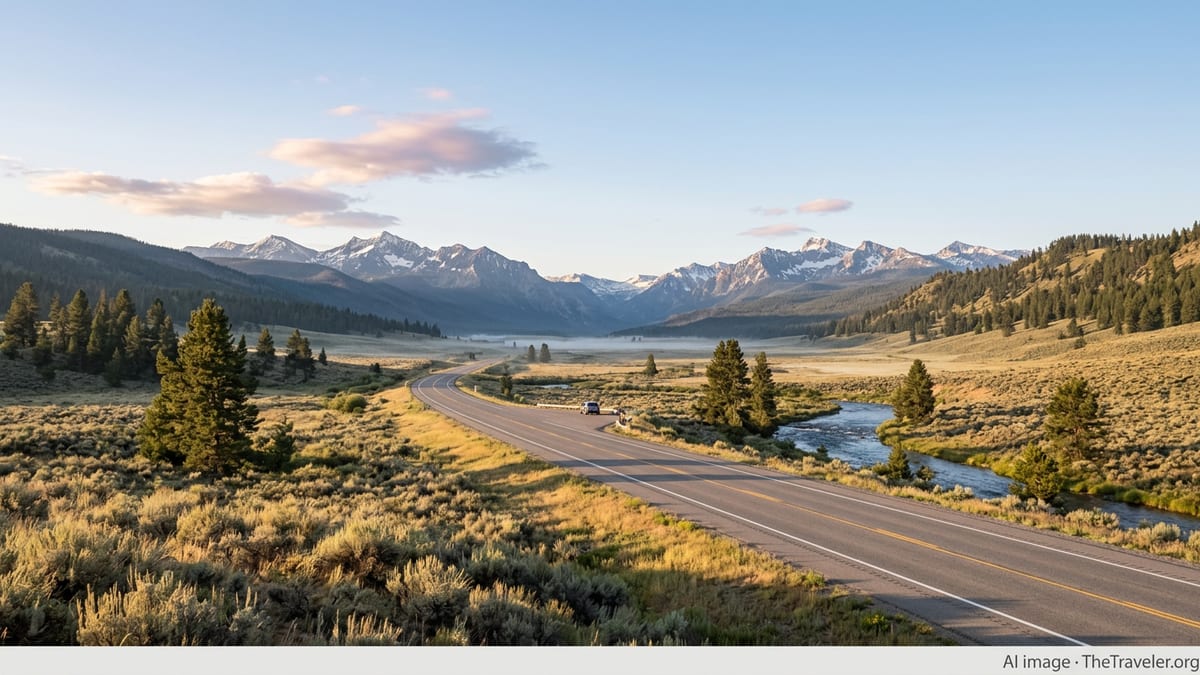
Idaho’s tourism agencies and state reports generally divide the state into seven broad travel regions: the Panhandle in the far north, North Central, Southwest, South Central, East, Southeast and the Salmon or Upper Snake region. These groupings mirror county and economic boundaries and help visitors make sense of a very large, sparsely populated landscape. For first-time travelers, thinking in terms of regions is the easiest way to plan a route that feels coherent instead of trying to “do it all” in one trip.
Each region has a distinct character. The Panhandle is thick with lakes and forests and has a closer cultural tie to the Pacific Northwest. North Central is shaped by wild rivers and a strong Indigenous and frontier history. Southwest Idaho is anchored by Boise and its surrounding wine country and foothills. South Central is a landscape of lava fields, river gorges and agricultural towns. Eastern and Southeastern Idaho bring you close to Yellowstone, the Tetons, broad valleys and some of the state’s most reliable hot springs. Understanding these differences helps you match your expectations and activities with the right corner of the state.
Travel logistics also change from region to region. Mountain passes, two-lane highways and winter storms can slow travel between North Idaho and the rest of the state, while interstate corridors and airport access make Boise and Idaho Falls more straightforward entry points. Before mapping a first-time itinerary, it is useful to pick one or two neighboring regions and explore them well rather than rush across the state.
Because many of Idaho’s most memorable places sit near national forests, recreation areas and small rural communities, services can be widely spaced. Fuel, groceries and lodging may not appear as frequently as visitors from dense coastal cities expect. Approaching the state as a collection of large but distinct regions encourages a more deliberate, better-prepared style of travel.
Panhandle & North Idaho: Lakes, Mountains and Small Resort Towns
Idaho’s Panhandle, stretching north from around Lewiston and Moscow to the Canadian border, is a classic introduction to the state for travelers who love lakes and evergreen forests. Towns such as Coeur d’Alene and Sandpoint sit on the shores of major lakes and offer marinas, waterfront paths, breweries and easy access to ski areas and hiking trails. Scenic routes link these small cities with river valleys and mountain passes, creating a network of day trips for boating in summer or skiing and snowshoeing in winter.
First-time visitors often base themselves in one of the larger lake towns. Coeur d’Alene has a compact downtown, a paved lakeside trail and a mix of family-friendly and upscale dining. Sandpoint feels more laid-back and arts oriented, with a walkable core and a prominent ski hill nearby. From either base, you can follow designated scenic byways to explore smaller communities, forested state parks and viewpoints that overlook the Selkirk and Cabinet ranges. The combination of accessible amenities and wild landscapes makes this region comfortable for those new to mountain driving, provided they monitor weather and road conditions in cooler months.
Because this part of Idaho shares weather patterns with eastern Washington and western Montana, conditions can change quickly, especially from late autumn through early spring. Winter storms can cover passes and lake-effect snow can reduce visibility. State transportation and emergency management agencies encourage travelers to check updated road reports and, in winter, to carry basic cold-weather gear in the car. Even in summer, smoke from regional wildfires can affect air quality and views, so it is wise to stay informed through local news and official channels as you move around the Panhandle.
For a first Idaho trip focused on the Panhandle, many visitors plan three or four nights in one town and then add a night or two farther north or south. That pace allows time to discover local beaches, hike to lake viewpoints, rent kayaks or bicycles and experience the region’s slower, outdoors-centered lifestyle without rushing between distant attractions.
North Central Idaho: River Canyons and Quiet College Towns
South of the Panhandle, North Central Idaho is defined by deep river canyons, rolling agricultural hills and forested high country. The Clearwater and Salmon river systems cut through the region, creating dramatic drives and access to rafting, fishing and backcountry trailheads. Towns like Lewiston, Moscow and Grangeville act as small hubs, while long, curving highways connect them to even smaller communities tucked into valleys or perched on plateaus.
Moscow, home to a major university, offers a pedestrian-friendly downtown, a weekly farmers market in season and a mix of cafes, bookstores and galleries that can be a welcome contrast to long stretches of rural driving. Lewiston sits at the confluence of the Snake and Clearwater rivers and serves as a starting point for jet boat tours into Hells Canyon, one of North America’s deepest river gorges. Inland from these towns, the Palouse region’s patterned hills and the forests of Clearwater National Forest provide opportunities for scenic drives, photography and hiking.
Travelers new to Idaho should understand that North Central distances can be deceptive. Winding river roads and mountain grades mean that even short-looking segments on the map can take longer than expected. It is common to average slower speeds than on interstates, especially if you are stopping at viewpoints or sharing the road with logging trucks and recreational traffic. Planning conservative daily mileage and leaving time for fuel, rest stops and photo breaks leads to a far more relaxed experience.
Weather varies with elevation. Low-lying canyon areas can be hot in midsummer, while forested high country nearby can feel cool even on sunny days. In shoulder seasons, rain, snow and fog are all possible on the same day as you move between valleys and passes. Packing in layers and paying attention to local forecasts allows first-time visitors to stay comfortable as they explore riverbanks, historic sites and small-town main streets.
Southwest Idaho & Boise: Urban Energy, Wine Country and Foothills
For many first-time visitors, Southwest Idaho is the easiest entry point thanks to Boise, the state capital and main air hub. Boise offers a lively but approachable downtown with restaurants, independent shops, galleries and an extended riverside greenbelt path favored by walkers and cyclists. Parks along the river provide shade in summer and connect to museums, a small zoo and cultural institutions, which makes this region an appealing starting point for travelers who like a mix of city comforts and outdoors access.
Beyond the city core, Boise’s foothill trail network and nearby public lands allow you to experience high desert and sagebrush landscapes within a short drive. Short hikes and biking routes flow out from trailheads near town, and many locals take advantage of these paths before or after work. A short drive west leads to one of Idaho’s key wine areas, where tasting rooms sit amid vineyards and agricultural fields. South of Boise, older mining and ranching communities offer glimpses of the state’s frontier past and access points to reservoirs and hot springs.
Boise’s climate generally features four distinct seasons. Summers can be hot and dry, ideal for river floats and patio dining but intense for midday hiking without shade. Winters bring periods of snow and ice, though accumulation in the valley is often less than in surrounding mountains. Spring and autumn can be particularly pleasant for walking the greenbelt, visiting museums and exploring neighborhoods on foot. Within an hour or two of Boise, higher elevation roads lead to ski areas, alpine lakes and small mountain towns, where winter conditions may be significantly more challenging than in the city itself.
New visitors should be aware that Boise’s popularity has increased, particularly for weekend events, festivals and sports. That growth can put pressure on lodging, dining reservations and trailhead parking. Booking accommodation ahead, especially in peak summer and during major events, and arriving early for popular outdoor activities can help keep a trip running smoothly. Downtown and near-river neighborhoods make the most convenient bases for exploring both the city and the broader Southwest region.
South Central Idaho: Canyons, Lava Landscapes and Big-Sky High Desert
South Central Idaho, sometimes referred to as part of the Magic Valley and Wood River Valley areas, offers a very different feel from the forested north. This region is shaped by the Snake River and broad expanses of volcanic terrain. Agricultural towns sit alongside dramatic canyons, basalt cliffs and irrigated fields. For first-time visitors arriving from Boise or from Utah along the interstate, it is often the first glimpse of how varied Idaho’s geology can be.
Larger communities in this region function as gateway bases. Around them you will find viewpoints over deep river gorges, waterfalls that surge in spring runoff and access roads to lava fields and protected landscapes formed by past eruptions. The Wood River Valley to the north combines a long history of tourism with year-round recreation, from skiing and snowboarding in winter to hiking, fly-fishing and mountain biking in summer. Scenic roads here rise quickly into national forest lands and designated recreation areas, offering broad views of mountain ranges and valley floors.
Driving in South Central Idaho is relatively straightforward in good weather thanks to wide valleys and long sightlines, but conditions can shift with wind, snow and ice, particularly on higher elevation segments and plateaus. Travelers unfamiliar with high desert environments should be prepared for strong sun, rapid temperature swings and limited shade on hikes. Carrying more water than you think you need and paying attention to trailhead notices about distances and conditions is especially important in open, exposed areas.
Because services thin out quickly once you leave the main towns and interstate corridors, it is sensible to fuel up before detouring to more remote viewpoints, hot springs or backroads trailheads. Many of the most memorable sights are not far from pavement but may have rough gravel access for the final stretch. Taking your time on these roads and being willing to turn around if conditions deteriorate helps protect both your vehicle and the fragile high desert environment.
Eastern & Southeastern Idaho: Gateways to Yellowstone, Hot Springs and Valleys
Eastern and Southeastern Idaho are natural choices for first-time visitors combining Idaho with a trip to Yellowstone or Grand Teton national parks. Towns such as Idaho Falls and Pocatello have regional airports, chain hotels and dining, making them familiar-feeling bases. To the east and north, broad river valleys lead toward the Montana and Wyoming borders, while smaller communities and resort areas cluster near lakes, ski hills and trail networks.
This part of Idaho is generous with natural hot springs, ranging from rustic pools near rivers to developed facilities with lifeguards and changing rooms. In winter, soaking under cold air and starry skies can be a highlight, but it is essential to understand access roads, opening hours, and safety rules, as conditions can be icy and remote pools lack services. In summer, evening soaks are a pleasant way to unwind after a day of hiking, paddling or wildlife viewing in neighboring forests and refuges.
Many of the region’s roads parallel rivers or cross open plains dotted with farms and ranches. Wind and weather can be significant factors, particularly from late autumn through early spring. Snow squalls, drifting snow and ice can impact visibility and traction, even when forecast totals look modest. Local transportation and emergency agencies repeatedly urge travelers to slow down, increase following distance and check road information services before setting out in winter.
Because Eastern and Southeastern Idaho attract both national park visitors and regional travelers, accommodations near park gateways and popular lakes can book quickly during peak summer and holiday periods. Planning your route and reservations well in advance is especially important if you are traveling with a family group or have limited flexibility in your dates. Outside of those peaks, you may find quieter towns, clearer roads and easier access to trailheads, but some seasonal businesses will be closed or operating reduced hours, so checking details in advance remains important.
When to Visit Idaho: Seasons, Weather and Crowds
Idaho delivers four distinct seasons, and the experience of the same region can differ dramatically between July and January. Summer is typically the busiest travel period, especially from June through August, when school holidays, long days and mostly clear roads encourage road trips, camping and lake vacations. In many mountain and highland areas, this is the only time of year when all scenic passes, alpine trails and backroads are reliably snow free. Warm temperatures and cool evenings make it a prime season for river trips and outdoor events.
Spring and autumn can be rewarding shoulder seasons for first-time visitors who value fewer crowds and cooler hiking temperatures. Lower elevation trails near cities often melt out and become accessible earlier in spring than higher mountain routes. In autumn, foliage in river corridors and mountain valleys can be striking, and wildlife viewing opportunities may improve as animals move with changing food sources. However, these seasons can also be unpredictable, with rain, early or late snows and rapidly changing temperatures, so packing flexible layers and waterproof outerwear is key.
Winter transforms large swaths of Idaho into a destination for snow sports and cozy small-town stays. Ski resorts in the Panhandle, South Central and Eastern Idaho offer downhill and Nordic skiing, snowboarding and snowshoeing. At the same time, winter driving poses the most significant challenge for new visitors. State and local agencies repeatedly emphasize preparation: equipping vehicles with suitable tires, carrying emergency supplies, slowing down on icy or snowy roads and checking official road condition services before and during travel. Many seasoned locals will delay or reroute a trip to avoid the worst of a storm.
In any season, it is important to remember that Idaho covers a large range of elevations and microclimates. A hot, dry day in Boise can coincide with cool, windy conditions in nearby mountains or thunderstorms in a distant valley. Likewise, a winter system may bring heavy snow to a mountain pass while leaving a city lightly dusted. Building some flexibility into your plans, having backup activities for poor weather and staying informed through local forecasts will help you enjoy Idaho across its changing seasons.
Essential Travel Tips for First-Time Visitors
For many first-time visitors, the biggest surprise in Idaho is not the scenery but the distances. Towns that look close on a map may be separated by mountain ranges, river canyons or curving two-lane highways. Plan conservative daily driving goals, especially if your route includes scenic byways or passes, and remember that stopping for photos, short walks and meals will add to your travel time. Being realistic about how far you can comfortably drive in a day helps keep your trip enjoyable rather than exhausting.
Road safety deserves special attention. In winter and shoulder seasons, check official road condition resources and weather forecasts frequently, especially before crossing mountain passes or remote stretches. Even in summer, construction, wildlife and agricultural vehicles can slow traffic. It is good practice to keep your fuel tank at least half full in rural areas, carry drinking water and snacks in the car, and store basic emergency items such as a flashlight, warm clothing and a paper map in case connectivity drops.
Idaho’s altitude and dry climate can affect visitors who are used to lower, more humid environments. Many communities and trailheads sit several thousand feet above sea level, so you may tire more quickly on hikes and need more time to acclimate. Drinking extra water, taking it slow the first day or two and wearing sun protection can make a large difference in how you feel. If you plan to spend time at higher elevations, schedule a lighter activity day at the start of your trip.
Culturally, Idaho blends Western ranching traditions, outdoor recreation culture and the influences of growing university and tech communities. Casual dress is common, and visitors who follow basic outdoor etiquette and show respect for private property and local customs are usually welcomed warmly. Simple habits such as yielding on narrow trails, packing out all trash, giving wildlife plenty of space and supporting local businesses in small communities all contribute to a positive experience for both visitors and residents.
The Takeaway
Idaho rewards travelers who slow down, choose a couple of regions and explore them with curiosity and care. From the lakes and forests of the Panhandle to the foothills around Boise, from lava fields and canyons in the south to national park gateways in the east, the state offers more variety than many first-time visitors expect. Distances are real, seasons are pronounced and services can be sparse once you leave towns, but thoughtful planning turns those challenges into part of the adventure.
By understanding how Idaho is divided into travel regions, matching your interests to the landscapes that appeal most and respecting the realities of mountain and high desert travel, you can build a first trip that feels both manageable and memorable. Whether you arrive for a long weekend around Boise or a two-week road journey through multiple corners of the state, Idaho’s combination of open space, outdoor opportunity and down-to-earth communities makes a compelling introduction to the American West.
FAQ
Q1. How many days should a first-time visitor plan for an Idaho trip?
Most first-time visitors find that five to seven days is enough to explore one or two regions without rushing, while a longer stay allows a more relaxed road trip across multiple areas.
Q2. What is the best time of year to visit Idaho for good weather?
Late spring through early autumn generally offers the most reliable road conditions and comfortable temperatures, with June through September especially popular for hiking, lakes and road trips.
Q3. Is Idaho safe to drive for someone not used to mountain roads?
Yes, many routes are straightforward, but mountain passes and winter conditions require caution. Taking it slowly, checking road reports and avoiding storms makes driving much more manageable.
Q4. Which Idaho region is best for a first visit focused on cities and culture?
Southwest Idaho, centered on Boise, is ideal, offering museums, restaurants, a walkable downtown and easy access to foothill trails and nearby wine country.
Q5. Do I need a four-wheel-drive vehicle to explore Idaho?
For most main highways and well-traveled routes in good weather, a standard vehicle is sufficient. Four-wheel drive becomes more useful on snowy roads, unpaved tracks and remote trailhead access roads.
Q6. How should I prepare for Idaho’s changing weather?
Pack layers, including a warm jacket and rain shell, even in summer. Weather can vary by elevation and region, so flexible clothing and sturdy footwear help you stay comfortable.
Q7. Are there any permits or passes I should know about?
Some popular recreation sites, day-use areas and parking lots require passes or fees. Check ahead for any needed state park passes, national forest permits or recreation area fees along your route.
Q8. Can I combine Idaho with a visit to Yellowstone or Grand Teton?
Yes, many travelers base in Eastern Idaho to visit Yellowstone or Grand Teton, using towns along major highways as gateways to the parks and exploring nearby hot springs and valleys along the way.
Q9. What should I know about wildlife when traveling in Idaho?
Wildlife is common, especially near forests and rivers. Drive attentively at dawn and dusk, never feed wild animals, store food securely and give all animals plenty of space on trails and roadsides.
Q10. How reliable is mobile phone coverage across Idaho?
Coverage is generally good around cities and larger towns but can be patchy or absent in remote valleys, mountains and forested areas, so download maps in advance and share plans when driving into sparsely populated regions.