

Alaska has become shorthand for big, untamed adventure: calving glaciers, roaming bears, fjords that swallow the horizon. Yet for many travelers, the very things that make the “Last Frontier” so compelling also make it intimidating: long flights, complex logistics, changeable weather and high costs once you arrive. The good news is you do not have to commit to a full-scale Alaskan expedition to experience similar drama. From the Pacific Northwest to the European Arctic, several destinations deliver that same jolt of wild, edge-of-the-map excitement while staying relatively accessible and, in many cases, more travel-friendly.
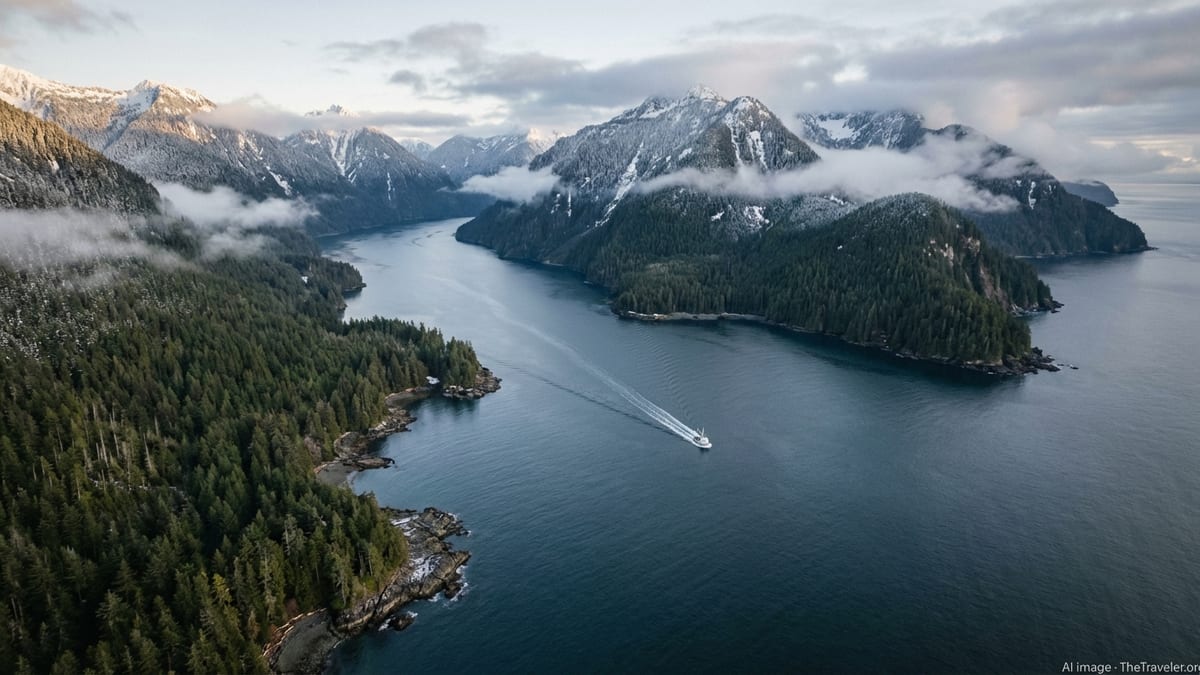
The Canadian Yukon: Alaska’s Southern Soulmate
If you are drawn to Alaska for its wide skies and pioneer feel, the Yukon may be the most convincing stand‑in. Sharing a border and many of the same mountain chains, this Canadian territory offers glacier-fed rivers, grizzly country and frontier towns that look like they were lifted straight from a gold rush film set. Yet its main hubs, particularly Whitehorse, are often easier to reach from major Canadian cities, and road-tripping is simpler thanks to clear highway networks and relatively modest traffic.
Whitehorse makes a practical base for travelers who want a rugged experience without cutting ties to urban comforts. Within a short drive, you can be hiking alpine ridges with views of icefields, paddling cold, clear lakes or soaking in hot springs under northern skies. Outfitters offer guided rafting, backcountry trekking and fat-biking, so you can dial up or down the intensity depending on your skills and appetite for risk.
Farther west, Kluane National Park and Reserve showcases some of the most dramatic mountain scenery in North America, with soaring peaks and vast icefields that mirror the feeling of Alaska’s interior ranges. Access is managed via highways and small communities rather than remote bush planes, which makes day hikes, overnight backpacking routes and scenic flightseeing tours comparatively straightforward to arrange. Wildlife encounters are similar in spirit to Alaska: expect chances to see Dall sheep, bears and moose, along with pristine, glacier-fed rivers that still feel genuinely wild.
Crucially, the Yukon balances this sense of remoteness with solid infrastructure. You can road-trip the territory with rental vehicles, stay in modest motels or wilderness lodges, and resupply in small towns. It is a destination where you can still feel like you are at the edge of the map, while remaining firmly on the grid.
Norway’s Fjord Country and the European Arctic
Alaska’s coastal fjords and icy waterways are one of its biggest draws. For a similar blend of jagged peaks, cold seas and wildlife-rich shores, Norway is an exceptional alternative. The country’s western coastline is deeply carved by glacial fjords, with snow-streaked mountains plunging straight into the water and small fishing villages dotting sheltered coves. Unlike Alaska, however, this scenery is threaded together by efficient ferries, tunnels and scenic rail routes that make independent travel relatively seamless.
Bergen and Ålesund act as natural gateways to the fjords, with cruises and day boats running year-round on major routes. In summer, you can kayak beneath sheer rock walls, hike to panoramic viewpoints high above the water or join small-boat safaris that search for porpoises, seals and sea eagles. The feeling is very similar to exploring Alaska’s Inside Passage, but with frequent departure times, well-marked hiking trails and easy access to supermarkets, cafés and public transport.
For those chasing the Arctic thrill that many associate with Alaska, northern Norway delivers in spades. Tromsø and nearby coastal communities sit above the Arctic Circle yet are connected by regular commercial flights, making aurora-hunting and midnight sun adventures surprisingly easy to arrange. Winter visitors can combine whale-watching safaris with backcountry skiing, snowshoeing or dog sledding. The combination of rugged mountains, icy seas and long northern light shows captures much of the magic travelers look for in places like Anchorage or Fairbanks, with the added benefit of European-style infrastructure.
Importantly, Norway also tends to be more compact in terms of travel time. You can experience fjords, high peaks, Arctic coastline and vibrant small cities within a single, well-connected region, rather than needing multiple domestic flights. That makes it a compelling option for travelers who have limited vacation time but still want adventure that feels raw and elemental.
Patagonia: The Southern Hemisphere’s Alaska
Patagonia, spanning southern Chile and Argentina, is often compared to Alaska for good reason. Both regions sit at the edges of their continents, both are sculpted by glaciers, and both offer a potent blend of wind, weather and wilderness that challenges even seasoned adventurers. Yet Patagonia can feel more accessible to those willing to tackle a single long-haul flight, thanks to robust trekking infrastructure and well-established tourism hubs.
On the Chilean side, Puerto Natales serves as the gateway to Torres del Paine National Park, where granite towers, turquoise lakes and sprawling icefields deliver the same jaw-dropping impact as many of Alaska’s marquee landscapes. Here, however, classic multi-day routes such as the W and O circuits are supported by refugios, campsites and guiding companies, meaning you can plan demanding hikes without needing to arrange air taxis or specialist bush logistics. Trails are signed, park rules are clearly posted, and weather information is widely available, though conditions can still change quickly.
Across the border in Argentina, El Calafate and El Chaltén form a natural pairing for glacier and mountain fans. Perito Moreno Glacier’s towering ice walls crack and calve with the same drama you might see in Alaska’s tidewater glaciers, yet boardwalks and boat tours make the spectacle an easy day trip from town. El Chaltén, meanwhile, offers a network of marked trails beneath the Fitz Roy massif, where hikers can experience rugged, wind-scoured landscapes without straying too far from a cluster of lodgings and restaurants.
While Patagonia is by no means tame, it does channel its wildness through a relatively organized tourism system. Regular buses connect key towns, outfitters can provide rental gear, and seasonal staffing means you are rarely the only person on a major trail. For travelers who want the drama of Alaska’s backcountry but prefer having a clear framework around their adventure, the southern Andes present a powerful alternative.
Iceland: Compact Adventure With Big-Alaska Energy
Iceland manages a rare trick: it compresses glacial lagoons, active volcanoes, black‑sand beaches and roaring waterfalls into an island roughly the size of Kentucky, all within reach of an international hub. For travelers intrigued by Alaska’s elemental forces but anxious about long internal journeys and remote bush communities, Iceland’s compact scale is a major advantage. Virtually every classic Icelandic landscape, from blue ice caves to steaming geothermal valleys, can be reached within a day’s drive of Reykjavík.
The country’s famous Ring Road ties together its highlights in a clear and mostly paved loop, allowing self-drivers to experience shifting coastal, mountain and highland scenery with relative ease. Along the southern coast in particular, glaciers spill down toward black beaches and coastal lagoons where icebergs drift just offshore. Guided glacier walks and ice-caving tours offer that same sense of stepping into another world that many travelers seek in Alaska’s glacier regions, with professional guides and safety gear built into the experience.
Wildlife encounters may be less dominated by bears and moose, but marine life still plays a starring role. Whale-watching departures from towns such as Húsavík and various West Iceland ports search for humpbacks and other cetaceans, while sea bird colonies and coastal cliffs echo the feel of Alaska’s maritime refuges. Puffins, in particular, delight visitors who might otherwise have gone north to watch bald eagles and coastal raptors.
Perhaps most importantly, Iceland’s tourism infrastructure has grown rapidly in recent years. Accommodation options range from simple farm stays to design-forward hotels, and emergency services are well coordinated by a national system. The landscapes still feel untamed and exposed to the North Atlantic’s moods, but you rarely have to venture more than a couple of hours from a service station or guesthouse to experience them.
The Pacific Northwest and British Columbia: Alaska Lite Close to Home
For travelers based in the United States, the quickest way to capture Alaska’s spirit without the same logistical leap is to head for the Pacific Northwest and neighboring British Columbia. This region offers snow-capped volcanoes, dense conifer forests, rugged coastlines and abundant wildlife, often with the support of extensive road, ferry and park networks. In effect, it is a softer, more approachable version of Alaska’s coastal and temperate rainforest landscapes.
Within the United States, Washington’s Olympic Peninsula and North Cascades region feel particularly Alaskan in mood. The Olympic Mountains rise sharply from storm-lashed beaches and moss-draped temperate rainforest, giving hikers the chance to move from coastline to alpine meadows in a single day. The North Cascades, meanwhile, feature steep, glaciated peaks, emerald lakes and remote-feeling valleys, yet trailheads are often reachable by standard vehicles on paved roads. This makes backpacking, mountaineering courses and long day hikes accessible to a wide range of fitness levels.
Just north across the border, coastal British Columbia ramps up the wild factor another notch. Vancouver Island’s remote west coast, with small communities tucked between rainforests and the Pacific, delivers the same moody skies and pounding surf that many travelers associate with Alaska’s outer coasts. Inland and to the north, the Coast Mountains and Great Bear Rainforest support grizzly and black bears, salmon runs and deep fjord-like inlets. Here, guided boat safaris and coastal lodges make it possible to watch bears fishing or whales breaching without needing a full expedition crew.
Because these regions are threaded with highways and regularly scheduled ferries, they are forgiving to explore independently. You can fly into major hubs like Seattle or Vancouver, rent a vehicle and be walking among giant conifers or gazing at glacier-hung peaks within hours. The landscapes are undeniably dramatic, but the travel logistics are as straightforward as any standard North American road trip.
The Scottish Highlands: A Celtic Echo of the Last Frontier
While Scotland may not boast Alaska’s towering icefields or massive brown bears, the Scottish Highlands offer a surprising echo of that far-north atmosphere. Think big skies, rugged peaks, quick-changing weather and a strong sense of isolation once you step away from the main roads. It is an excellent option for travelers who want a landscape that feels wild but is layered with history and accessible via a tightly knit network of roads, buses and small airports.
The North West Highlands in particular deliver a stripped-back, elemental panorama that may remind Alaska fans of low coastal ranges and moody seascapes. Here, lonely single-track roads wind past sea lochs, peatlands and rocky headlands where wind and weather often set the agenda. Hillwalkers can tackle Munros and coastal trails that feel remote yet are well mapped and widely documented in guidebooks and local visitor centers.
Wildlife is part of the appeal too. Red deer, sea eagles and seals are classic sightings, and in some coastal areas you may spot whales and dolphins offshore. The experience of scanning a grey, wind-ruffled sea for animals or watching cloud shadows sweep across a treeless ridge will feel familiar to anyone who has dreamed of standing at the edge of the Alaskan wilderness.
Scotland’s great advantage is how easily its wild corners connect to well-served towns. After a day navigating stormy passes or rain-soaked trails, you are rarely far from a pub meal, a hot shower and reliable public transport onward. It is a gentler, culturally rich way to tap into the same yearning for far horizons that draws travelers north to Alaska.
How to Choose the Right “Not-Quite-Alaska” for You
Deciding where to go instead of or before Alaska starts with clarifying what you most want from the experience. For some, it is the visual drama of glaciers and fjords; for others, it is the sense of remoteness, the wildlife, or the feeling of undertaking a true expedition. Because the destinations above emphasize different strengths, matching them to your priorities will help ensure your trip feels satisfying rather than like a compromise.
If you want a near one-to-one match with Alaska’s visuals and culture, the Yukon and coastal British Columbia are especially strong candidates. They share ecosystems, Indigenous histories and frontier towns with Alaska, yet major gateways are often closer to mainstream air routes. If fjords and Northern Lights top your list, Norway and Iceland deliver those in spades, with the added benefit of efficient, well-funded infrastructure and compact, easy-to-navigate travel corridors.
Travelers keen on big, challenging hikes in a dramatic setting might gravitate toward Patagonia or the Scottish Highlands. Patagonia brings a strong element of physical challenge, with multi-day treks in volatile weather and long distances between towns. The Highlands, by contrast, balance raw scenery with a denser network of services, making them ideal for those who want serious landscapes without committing to long wilderness exposures.
Budget, time and comfort levels also play a role. Some of these regions, such as Iceland and Norway, can be expensive per day but offer short, high-impact trips. Others, including the Yukon and parts of Patagonia, reward longer stays and slower travel. Thinking honestly about how much logistical complexity you are comfortable managing, and how far you want to be from medical care and urban infrastructure, will help you choose an Alaska alternative that feels adventurous but still aligns with your personal risk tolerance.
The Takeaway
Alaska will always occupy a special place in the adventure travel imagination: a vast, ice-sculpted frontier at the edge of the map. Yet you do not need to cross half a continent or charter bush planes to taste that same mix of exhilaration and humility in the face of nature. From the Canadian North to the European Arctic, from Patagonia to the Pacific Northwest, several regions offer similarly powerful encounters with wild landscapes in more accessible, often better-supported packages.
Choosing an Alaska alternative does not mean settling for something smaller. It can mean finding a destination whose infrastructure, scale and style of adventure better match your available time and comfort level, while still delivering the big, cinematic moments you are craving. Whether you are standing on a cliff above a Norwegian fjord, watching sunrise ignite Patagonia’s granite towers or driving a quiet road through the Yukon at midnight, the sensation is strikingly familiar: the world feels bigger, your daily concerns feel smaller and the horizon keeps tugging you forward.
FAQ
Q1. Which destination feels most similar to Alaska overall?
The Canadian Yukon and coastal British Columbia probably offer the closest overall match, with similar forests, mountains, wildlife and frontier-style communities but generally easier logistics.
Q2. Where can I see glaciers without traveling to Alaska?
Strong options include Norway’s fjord country, Iceland’s south coast, Chile’s Torres del Paine region and Argentina’s Perito Moreno Glacier near El Calafate.
Q3. What is the easiest Alaska alternative for first-time international travelers?
Iceland is often the most straightforward, thanks to its compact size, clear road network, strong tourism services and the variety of dramatic landscapes within short driving distances.
Q4. Are these Alaska-like destinations suitable for families?
Yes, many are. Norway, Iceland, the Pacific Northwest and parts of the Yukon have family-friendly guided tours, shorter hikes and wildlife excursions that can be tailored to different ages.
Q5. Where can I experience Northern Lights without going to Alaska?
Good aurora-viewing bases include Tromsø and other parts of northern Norway, various regions of Iceland and interior areas of the Yukon during the darker months.
Q6. Which alternative is best for serious trekking and backpacking?
Patagonia stands out for multi-day wilderness treks, while the Scottish Highlands, the Yukon and certain regions of British Columbia also offer extensive, well-documented trail systems.
Q7. Are these destinations less expensive than Alaska?
Costs vary. Some, like Iceland and Norway, can be as costly or more per day, while parts of the Yukon, Patagonia and the Scottish Highlands can be comparable or slightly cheaper depending on season and style of travel.
Q8. Do I still need to worry about wildlife safety?
In many of these regions, yes. Bears, moose and other large animals are present in places like the Yukon and British Columbia, while marine wildlife rules apply in Norway, Iceland and Patagonia. Local guidance should always be followed.
Q9. Can I visit these Alaska alternatives year-round?
Most can be visited in all seasons, but experiences shift dramatically. Summer generally offers the most accessible hiking and road travel, while winter can bring Northern Lights, snow sports and more challenging conditions.
Q10. How far in advance should I book trips to these regions?
For peak seasons, especially summer in Iceland, Norway and Patagonia or autumn in the Yukon and the Highlands, booking several months ahead is wise to secure flights, rentals and key accommodations.