

More news on this day
IHG Hotels & Resorts is preparing a fresh wave of openings and brand entries across London, Berlin, Paris and Reykjavik over the next three years, targeting high‑demand city hubs and a rebounding European hotel market.
Get the latest news straight to your inbox!
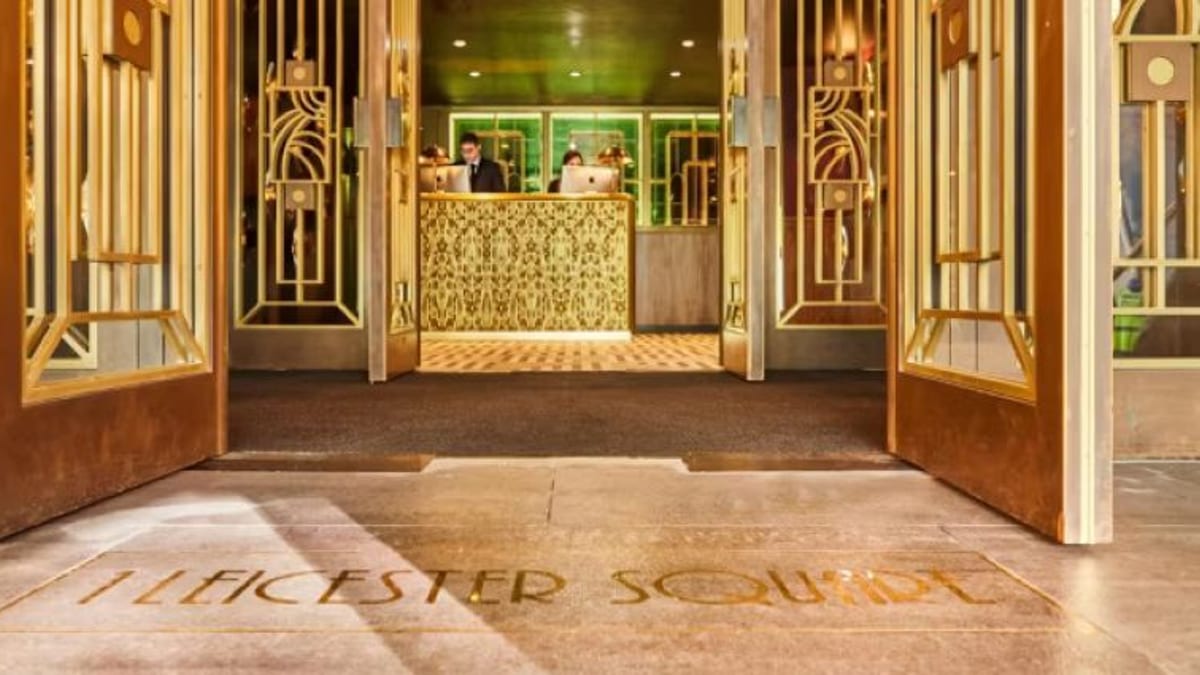
Image by International Hotels News, Hotel Industry & Hospitality News
Strategic Push In Europe’s Most Competitive Markets
Publicly available information on IHG’s development pipeline indicates that Europe remains one of the company’s most active regions, with a particular focus on gateway capitals such as London, Berlin and Paris. These cities have led recent hotel transaction activity in the region, underscoring investor confidence in urban demand and international travel recovery.
Industry data for 2025 show London overtaking Paris as Europe’s most liquid single‑asset hotel market, with Berlin and other German cities also attracting stronger portfolio investment. In this context, IHG appears to be positioning its brands to capture both corporate and leisure traffic, combining long‑stay, premium and luxury offerings in key districts that already have strong recognition among global travelers.
The group’s strategy in these capitals is broadly consistent with its wider European approach, which has emphasized brand diversification and conversions alongside new builds. Recent brand launches and alliances in the region suggest that more independent properties in city‑center locations could transition into IHG’s system through collection or conversion‑friendly flags.
Analysts following the European hotel sector note that rising air connectivity, major events and infrastructure upgrades in these cities are expected to support room demand between 2026 and 2028. IHG’s forthcoming additions in London, Berlin, Paris and Reykjavik are therefore being framed as part of a medium‑term play on sustained city‑break and business travel growth.
London: Layering More Brands Onto A Dense Footprint
London already ranks among IHG’s most mature urban markets worldwide, with an established presence from midscale through to luxury. The company’s development documentation and third‑party project lists show a pipeline of additional hotels in and around the UK capital over the next several years, ranging from select‑service properties to higher‑end offerings designed for business and lifestyle travelers.
Planned new hotels are expected to add capacity in emerging commercial corridors and regenerated districts outside the most traditional tourist zones. This approach mirrors a wider pattern in London, where developers have increasingly shifted attention to areas benefitting from new transport links and mixed‑use schemes, rather than focusing solely on the historic core.
Reports indicate that IHG is also using London to showcase newer and recently refreshed brands, including next‑generation midscale and premium concepts aimed at cost‑conscious city visitors. With overall transaction activity in the capital rising, the company’s expanded portfolio is likely to play into a growing mix of corporate travel, meetings and events, and short leisure stays.
For travelers, the impact over the next three years is expected to be greater choice across price points and neighborhoods, with more options tied into IHG One Rewards. For owners, the brand family’s breadth offers multiple positioning routes depending on building size, location and target segment.
Berlin And Paris: Conversions, Collections And Brand Diversity
In Berlin and Paris, IHG is pursuing growth that combines traditional flagged hotels with newer conversion‑led strategies. Existing InterContinental and other long‑standing properties in both cities remain part of the core portfolio, while development reports highlight opportunities for additional signings under premium and lifestyle brands.
In Germany, a broad cooperation and franchise agreement signed in 2024 with Novum Hospitality created scope for multiple properties to be rebranded over time into IHG families such as Holiday Inn, Holiday Inn Express, Candlewood Suites and Garner. Although many of these hotels are spread across the country, observers note that Berlin and other major cities are likely to benefit as the multi‑year integration program progresses.
In Paris, hotel investment and redevelopment activity has remained strong, supported in part by infrastructure improvements and major events. Industry coverage points to continuing demand for globally recognized brands in central arrondissements as well as high‑traffic business districts. Within this landscape, IHG’s existing luxury and upscale hotels in the French capital are expected to be complemented by additional properties as the company rolls out new collection and lifestyle concepts across Europe.
Development specialists suggest that over the next three years, both Berlin and Paris will see a greater presence of flexible, design‑driven hotels under the IHG umbrella, including brands that appeal to travelers seeking more localized experiences. This would align with the company’s broader push to grow its luxury and lifestyle rooms count in Europe through a mix of signings and conversions.
Reykjavik: First Iceland Property Signals Nordic Ambitions
IHG’s planned entry into Iceland through the capital Reykjavik is one of the most notable pieces of its near‑term regional expansion. Company announcements from late 2025 and subsequent trade coverage describe the signing of Candlewood Suites Reykjavik, a midscale extended‑stay hotel that will introduce the brand to the country and mark IHG’s first property in Iceland.
The Reykjavik project sits within a wider Nordic strategy that has seen IHG add or announce hotels in Sweden, Denmark and Finland in recent years. The group has highlighted the region’s strong tourism fundamentals, year‑round appeal and growing demand for flexible accommodation, particularly from long‑stay guests who value in‑room kitchens and residential‑style amenities.
Travel industry reports describe the forthcoming Candlewood Suites as located within easy reach of central Reykjavik attractions, positioning it to capture both business travelers and leisure guests using the city as a base for tours around Iceland. With visitor numbers to the country recovering and then surpassing pre‑pandemic levels, additional branded capacity from major international groups is viewed as a sign of continued confidence in the market.
Looking out to around 2028, commentators expect Reykjavik to see further international brand entries beyond this first IHG hotel, especially in the upper‑midscale and lifestyle segments. IHG’s early positioning with an extended‑stay product could give it a differentiated foothold in a city where traditional hotel rooms have historically dominated.
New Brands, Collections And The Three‑Year Outlook
Beyond individual properties, IHG’s European growth over the next three years will be shaped by its newer brand platforms and collections. The company has continued to expand its luxury and lifestyle offering through Vignette Collection and other boutique‑style flags, and in February 2026 it introduced Noted Collection as a premium collection brand designed to sit alongside Crowne Plaza, voco and Ruby within its portfolio.
Noted Collection is described in corporate materials as a conversion‑friendly option aimed at distinctive upscale hotels, complementing existing collections that allow owners to retain a property’s character while plugging into IHG’s distribution and loyalty engines. Industry reaction suggests that cities such as London, Berlin and Paris, which have deep inventories of independent hotels, are natural targets for these concepts in the 2026 to 2028 window.
At the same time, integrations and alliances that touch European inventory, including arrangements with regional operators and selective partnerships in resort markets, are expected to broaden IHG’s footprint beyond traditional city‑center business hotels. Reykjavik’s extended‑stay debut, combined with potential lifestyle and collection signings in major capitals, indicates that the next phase of growth will emphasize both niche positioning and network scale.
For travelers planning trips to London, Berlin, Paris or Reykjavik over the coming three years, the evolving IHG portfolio is likely to translate into more branded options, wider geographic spread within each city and new styles of accommodation. For the wider European hotel market, the company’s expansion underscores how global groups are competing for share in high‑value capitals while also moving decisively into emerging pockets of demand across the region.