

From Chicago’s skyline to small Midwestern towns, Illinois is one of the most popular gateways into the United States, especially for transatlantic flights. Yet before you can enjoy Lake Michigan sunsets or a road trip along historic Route 66, you need to clear U.S. immigration. Entry rules are set at the federal level, not by individual states, but they determine whether you will be allowed to step out of Chicago O’Hare’s arrivals hall and start your trip. This guide explains how the Visa Waiver Program and ESTA work, when you need a full B1 or B2 tourist visa instead, and what passport rules international travelers should understand before traveling to Illinois.
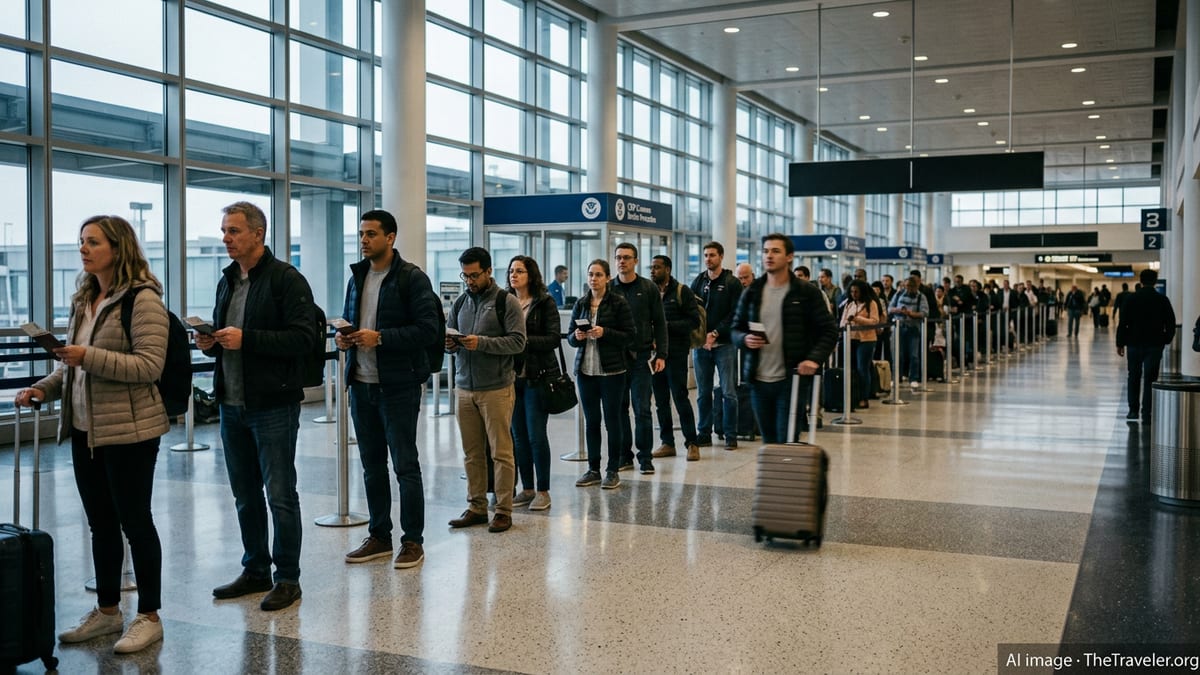
How U.S. Entry Rules Apply When You Visit Illinois
Illinois does not have its own immigration system. Whether you are flying into Chicago O’Hare, arriving by train from Canada, or driving in from another state, you are subject to federal U.S. entry laws. That means the same rules apply to you in Illinois as they would in New York, California, or Florida. The specific document you need to enter the country depends on your nationality, your passport, and the purpose and length of your stay.
For most short visits for tourism or business, travelers either use the Visa Waiver Program with an approved Electronic System for Travel Authorization, known as ESTA, or they apply in advance for a B1 or B2 visitor visa at a U.S. embassy or consulate. A smaller group of travelers, such as those coming for work or study, use different visa categories entirely. This article focuses on those coming as tourists or on short business trips who plan to visit Illinois.
When you land in Illinois from an international flight, the first officials you meet are U.S. Customs and Border Protection officers. They check your passport, your ESTA or visa, and ask basic questions about your trip. Their decision at the border controls whether you are admitted, how long you may stay, and under what conditions. Understanding the underlying rules in advance reduces the risk of surprises and helps make your arrival smoother.
Even if your final destination is somewhere else in the United States, Illinois often functions as your port of entry because of its major international hubs. If you are connecting through Chicago on the way to another state, you will still clear immigration and customs there. That makes it particularly important for visitors who route through Illinois to understand which entry documents they need and how long they can stay in the country in total.
Visa Waiver Program and ESTA for Illinois-bound Travelers
The Visa Waiver Program, often abbreviated as VWP, allows citizens of dozens of participating countries to travel to the United States for tourism or business without applying for a traditional visa, provided the trip does not exceed 90 days. Instead of a visa sticker placed in your passport, you obtain an electronic travel authorization through the ESTA system before departure. As of early 2026, more than forty countries participate in the program, primarily in Europe, along with a few in the Asia-Pacific region.
ESTA is not itself a visa. It is a pre-screening system that collects basic biographical information, answers to security and eligibility questions, and your passport details. An approved ESTA gives you permission to board a plane or ship bound for the United States, or to present yourself at a land border, under the Visa Waiver Program. The final decision about your entry is still made in person by a U.S. Customs and Border Protection officer when you arrive.
Once approved, an ESTA is generally valid for up to two years or until your passport expires, whichever comes first. During that period, you can usually make multiple trips to Illinois and other U.S. destinations without reapplying, provided each stay is within the 90 day limit and you continue to meet the program’s conditions. There are special rules and shorter validity in some cases, such as for Hungarian citizens, and program details are subject to change, which is why travelers are strongly advised to check official guidance close to their travel date.
Starting in late 2025, travelers should also be aware of changes to the ESTA fee structure. Public announcements have indicated that the total cost of an ESTA authorization will increase beginning on September 30, 2025, reflecting updated Department of Homeland Security rules. While the exact fees and any additional components may evolve, the practical takeaway is that the authorization is becoming more expensive, which may influence when frequent travelers choose to apply or renew.
Who Needs a Full U.S. Tourist Visa Instead of ESTA
Not every traveler to Illinois can use ESTA. If your country is not part of the Visa Waiver Program, you must normally obtain a visitor visa, usually in the B1 or B2 category, before traveling. A B2 visa is typically used for tourism, visiting friends or relatives, short recreational courses, and medical treatment, while B1 visas are used for certain types of short business visits such as attending meetings or conferences. Many travelers receive a combined B1 and B2 visa that covers both purposes.
Even if you hold a passport from a Visa Waiver Program country, you may still be required to apply for a visa rather than use ESTA. Reasons can include previous immigration violations, certain criminal histories, specific travel or dual nationality involving restricted countries, or not meeting other program conditions contained in U.S. law. In these scenarios, consular officers review your situation more closely in a visa interview before deciding whether to grant you a visa that will allow travel to Illinois.
Visitor visas are issued at U.S. embassies and consulates abroad and involve paying an application fee, completing an online form, and usually attending an in-person interview. As of 2026, the standard B1 and B2 application fee is in the mid one hundred U.S. dollar range, with some nationalities also subject to a separate issuance fee based on reciprocity agreements. A limited number of travelers from certain countries may face an additional bond requirement that is refundable if they comply with the visa conditions. Fee amounts and lists of affected nationalities are publicly updated by the U.S. government.
For travel to Illinois specifically, holding a valid U.S. visitor visa allows you to enter the country at Chicago or any other port of entry and then move freely within the United States, subject to the length and conditions of stay given by the border officer. A visa does not guarantee admission, but it signals that a consular officer has already reviewed your case. That can be particularly important for longer or more complex trips, where officers may want to see stronger evidence of ties to your home country and ability to support yourself financially.
Passport Validity Rules for U.S. Entry Through Illinois
In addition to ESTA or a visa, your passport itself must meet U.S. requirements when you travel to Illinois. The United States expects foreign visitors to arrive with a passport that is valid for the entire period they intend to stay. For nationals of many countries, Washington has signed so called six month club arrangements, under which the United States effectively waives the usual expectation that a passport be valid six months beyond the intended stay. In practice this means that for many travelers it is enough for the passport to remain valid through the end of the planned visit.
Travelers from some other countries who are not covered by such arrangements may still need six months of remaining validity on their passports at the time of entry. Because these lists can change and are maintained by U.S. authorities, the safest approach is to verify the specific rule for your nationality on official platforms before you fly. When in doubt, renewing your passport early is usually better than risking being denied boarding or refused entry when your journey takes you through Chicago or another Illinois airport.
For Visa Waiver Program travelers, the passport must also be an electronic passport with a digital chip and must meet biometrics standards. Non biometric or temporary passports, including some types issued to children in certain countries, may not be eligible for ESTA even if the issuing country participates in the VWP. In such cases, travelers may have to apply for a full visitor visa instead or use a different qualifying passport if they hold dual nationality.
One practical point often overlooked is the link between ESTA validity and passport validity. Because an ESTA cannot outlast the passport it is tied to, renewing your passport automatically ends the old authorization, even if the two year ESTA period is not over. If you receive a new passport, you must apply for a new ESTA before traveling again to Illinois. Ensuring that your passport has several years of validity remaining can make future trips simpler and may help you avoid duplicate fees.
Arrival in Illinois: Ports of Entry, Screening and Length of Stay
Most international visitors first encounter U.S. immigration in Illinois at Chicago O’Hare International Airport, which is one of the country’s busiest hubs. A smaller number arrive at Chicago Midway on certain routes or cross overland from Canada into neighboring states before driving on to Illinois. Regardless of where you physically enter, the immigration encounter follows a similar pattern. You line up in the appropriate queue, present your passport and any required visa or ESTA, and answer questions about your trip.
Customs and Border Protection officers are trained to assess whether you are admissible under U.S. law. For Visa Waiver travelers, they confirm that your ESTA is active and that you still meet the program’s conditions. For visa holders, they verify that your visa is valid and that your planned activities match the visa category. Officers may ask about your accommodation in Illinois, how long you plan to stay, whether you have a return or onward ticket, and how you will support yourself. Having printed or easily accessible proof of your plans can help the process go more smoothly.
If you are admitted under the Visa Waiver Program, you are usually granted up to 90 days in the United States. This limit covers your entire stay in the country, not just the time you spend in Illinois, and includes any side trips to neighboring countries such as Canada or Mexico that fall within the same visit. For those entering on a B1 or B2 visa, the length of stay is decided on arrival and is often up to six months, though the specific period is printed on your entry record. Overstaying these authorized periods can have serious immigration consequences, including being barred from future travel.
Modernization has introduced some conveniences for eligible travelers, such as Mobile Passport Control and automated kiosks at some airports. However, these tools do not replace the need for a valid passport, ESTA, or visa, and participation varies by nationality and program rules. First time visitors to Illinois should assume that they will go through the standard inspection process, allow enough time for immigration when booking connections, and keep their travel documents readily available.
Recent and Emerging Changes to U.S. Entry Policies
Entry policies for the United States evolve regularly in response to security, public health, and foreign policy considerations. Over the past several years, changes have affected who can use ESTA, how long certain authorizations remain valid, and which travelers need to apply for full visas. For example, new restrictions applied to certain dual nationals and individuals with recent travel to specific countries have limited their eligibility for the Visa Waiver Program, requiring them to seek visas instead even if they hold passports from VWP countries.
Another noteworthy development involves enhanced scrutiny of travelers’ backgrounds. U.S. authorities have moved toward collecting more detailed biographical and sometimes social media information from visitors, both in visa applications and, increasingly, in ESTA forms. While many of these measures are still being refined, they reflect a broader trend toward more intensive screening before travelers board flights to U.S. destinations such as Illinois.
Financial aspects of travel authorization have also shifted. The planned increase in ESTA fees from late 2025 adds to the cost of visiting the United States for citizens of Visa Waiver Program countries, especially those who travel frequently. At the same time, the standard application fee for B1 and B2 visas has been adjusted in recent years, and there are now bond requirements in limited circumstances for certain nationalities. These policies underline the importance of checking current costs and budgeting not only for the trip itself but also for the paperwork needed to enter the country.
Because changes often roll out with limited advance notice, relying on older advice from friends or online forums can be misleading. Travelers planning a visit to Illinois several months in the future should periodically review official U.S. government information for updates on visa eligibility, security questions, and any new documentary requirements. Consulting the airline’s guidance and, where relevant, local foreign affairs ministries in your home country can provide an extra layer of assurance before you fly.
Practical Planning Tips for a Smooth Illinois Arrival
Once your travel authorization is in place, preparation is the best way to ensure that the formalities on arrival in Illinois do not overshadow the start of your trip. Begin by confirming that the names and passport numbers on your flight booking exactly match those on your passport and ESTA or visa. Discrepancies can trigger additional checks or even lead to boarding problems. It is wise to print or save offline copies of your ESTA approval, visa appointment confirmation, and hotel or accommodation bookings in case airport systems or your mobile device are unavailable.
Travelers should book travel insurance that covers medical emergencies, trip interruptions, and, ideally, some immigration related contingencies. While U.S. officers at the border focus primarily on admissibility and intent, they may ask whether you can afford your stay and how you will handle unexpected situations. Having evidence of adequate financial means, return travel, and insurance supports your claim that you are a genuine visitor and not planning to overstay.
Timing your arrival can also make a difference. Chicago O’Hare can be particularly busy during peak travel seasons, holidays, and large events. Choosing flights that land earlier in the day or on less congested days of the week sometimes results in shorter immigration lines. Regardless of timing, allow extra time for customs and any onward connections. Missing a domestic flight because of a long wait at immigration is a common pitfall for first time visitors routing through Illinois.
Finally, be cautious about what you bring in your luggage. U.S. customs rules are strict about certain foods, agricultural products, and other restricted items. Declaring goods honestly is always safer than risking penalties for non disclosure. If you are carrying medication, keep it in original packaging along with prescriptions. These small preparations can make your first encounter with U.S. border authorities more straightforward, letting you focus on enjoying what Illinois has to offer.
The Takeaway
Entry requirements for Illinois are part of the broader U.S. immigration and border control system. Whether you qualify to travel under the Visa Waiver Program with ESTA or need a full B1 or B2 visitor visa depends on your nationality, travel history, and personal circumstances. Your passport must meet U.S. validity rules, and, for Visa Waiver travelers, it must be an approved electronic passport. In all cases, a Customs and Border Protection officer at your port of entry, often Chicago O’Hare, makes the final decision about your admission and length of stay.
Because policies around ESTA eligibility, visa interviews, fees, and security questions continue to evolve, travelers should treat planning for Illinois as a two step process. First, understand the general framework outlined here so you know which category you fall into. Second, shortly before you travel, verify the latest official guidance for your nationality and situation, including any recent updates that might affect you. That combination of background knowledge and up to date checks is the most reliable way to ensure that your journey into Illinois starts smoothly.
FAQ
Q1. Do I need a visa to visit Illinois if I am from a Visa Waiver Program country?
An approved ESTA is usually enough for short visits of up to 90 days for tourism or business if you meet all Visa Waiver Program conditions. A full visa is only required if you are ineligible for ESTA or plan to stay longer or for a different purpose.
Q2. How long can I stay in Illinois on ESTA?
Under the Visa Waiver Program, you are typically admitted for up to 90 days in total in the United States. That period covers your time in Illinois and any side trips within the same visit.
Q3. Is my ESTA guaranteed to let me into the United States?
No. ESTA is a travel authorization that allows you to board a carrier and travel to a U.S. port of entry. A Customs and Border Protection officer still decides whether to admit you when you arrive.
Q4. How long is an ESTA valid and can I reuse it for multiple trips to Illinois?
An ESTA is generally valid for up to two years or until your passport expires, whichever comes first. During that time you can usually make multiple short visits, provided each stay meets the program’s rules.
Q5. What passport validity do I need to enter the U.S. to visit Illinois?
U.S. authorities expect your passport to be valid for the entire period of your stay. Depending on your nationality, you may also need at least six months of remaining validity, so checking the rule for your country is important.
Q6. When do I need a B1 or B2 visitor visa instead of ESTA?
You need a visitor visa if your country is not in the Visa Waiver Program, if you do not qualify for ESTA due to travel history or other factors, or if you plan a longer or more complex visit than the program allows.
Q7. Can I change my status or extend my stay if I enter Illinois with ESTA?
Travelers admitted under the Visa Waiver Program generally cannot extend their stay beyond 90 days or change to another immigration status from within the United States, with only narrow exceptions.
Q8. Does arriving in Illinois from another U.S. state change my entry requirements?
No. Immigration checks occur at your first U.S. port of entry, often Chicago if you arrive from abroad. Once admitted, you can travel onward to Illinois or other states without additional immigration formalities.
Q9. Are there special rules for children traveling to Illinois on ESTA or a visa?
Children need their own passports and, where applicable, their own ESTA or visas. Some countries’ child passports are not eligible for the Visa Waiver Program, so parents should confirm requirements well before travel.
Q10. How can I be sure I have the latest information before flying to Illinois?
Because rules and fees can change, you should review current guidance from official U.S. government sources and your home country’s foreign affairs authorities shortly before you travel.