

From Chicago’s global gateways to its college towns and small Midwestern cities, Illinois offers a dense web of ground transportation options. Understanding how buses, rideshares, car rentals and private transfers fit together can save you time, money and stress, whether you are landing at O Hare, touching down at Midway or road-tripping across the prairie. This guide walks you through the most practical choices for getting around Illinois today, with a focus on what travelers actually experience on the ground.
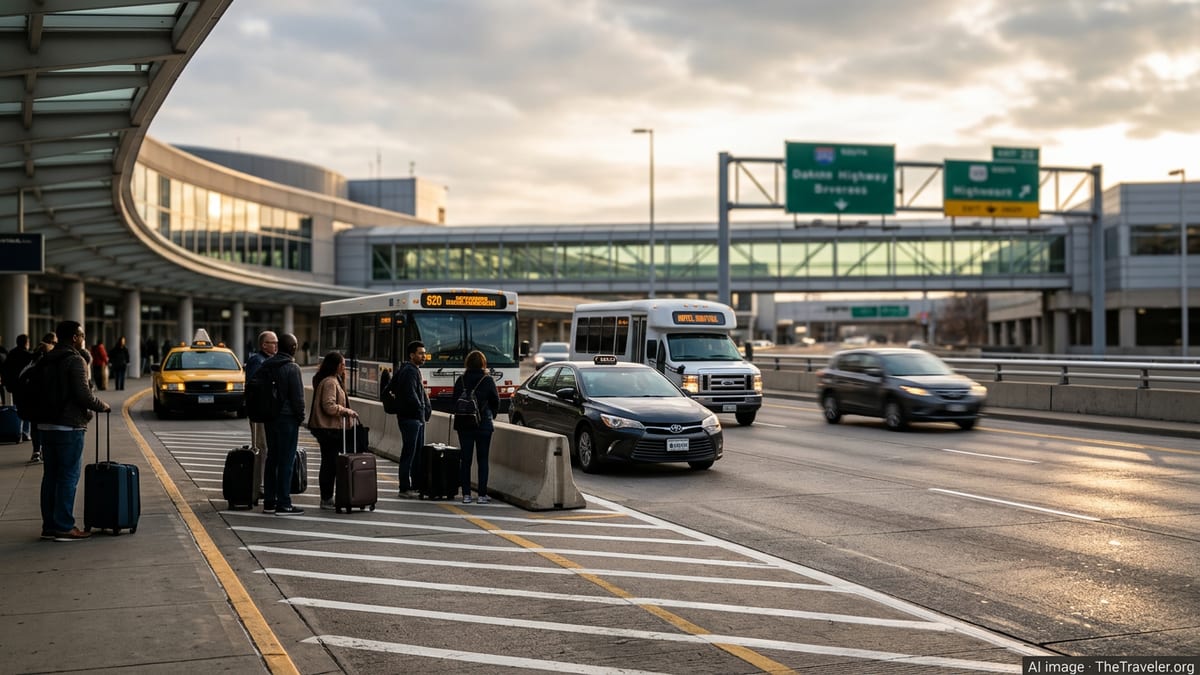
How Ground Transportation Works in Illinois
Illinois is anchored by Chicago, one of the largest transportation hubs in the United States, but its bus, rail and road links reach far into the rest of the state. For most visitors, ground transportation begins or ends at Chicago O Hare International Airport, Chicago Midway International Airport or downtown Chicago s major rail and bus terminals. From there, a mix of public transit, rideshares, taxis, shuttles and car rentals connect to neighborhoods, suburbs and regional destinations.
Public transport is strongest in the Chicago area, where the Chicago Transit Authority runs the L rapid transit network and city buses, and the commuter rail system links the city with dozens of suburbs. Around the state, local bus systems in communities such as Champaign Urbana, Springfield and Rockford provide dependable coverage of key districts, although frequencies can be limited outside peak hours. Intercity buses fill gaps between rail lines, with companies such as Greyhound, Jefferson Lines, Peoria Charter and FlixBus offering service on major corridors and to college towns.
For visitors who want door to door flexibility, rideshare services and traditional taxis are widely available in Chicago and in many larger Illinois cities, although service in rural areas can be patchy or nonexistent. Car rentals are easy to arrange at airports and major downtown locations, and many travelers choose them to connect smaller cities, explore rural attractions or work around limited local transit. Private transfer firms and hotel shuttles round out the picture, especially for airport commutes and conference travel.
Because the system is so varied, your best option depends heavily on time of day, budget, group size and your final destination. In central Chicago, rail and buses are often quickest and cheapest during the day, while taxis and rideshares can be more convenient late at night or with heavy luggage. For intercity journeys, carriers and schedules have shifted in recent years, so it is essential to confirm current routes and departure points shortly before travel.
Airport Ground Transportation: O Hare and Midway
Chicago O Hare International Airport is the main gateway to Illinois and offers almost every form of ground transport available in the state. The Airport Transit System connects the passenger terminals with the O Hare Multi Modal Facility, where travelers find the consolidated rental car center, regional bus bays and a major parking structure. Regional buses link the airport to cities around Illinois and neighboring states, while shuttles run to nearby hotels and remote parking lots. The Blue Line of the Chicago L runs from O Hare directly into downtown Chicago, operating around the clock and giving visitors a predictable, rail based option that bypasses traffic.
Taxi service at O Hare operates from clearly signed ranks outside the arrivals areas, with uniformed starters directing passengers to the next available cab. Metered fares depend on distance and traffic, and there may be surcharges for airport pickups, extra passengers or tolls on expressways. Rideshare pickups for services such as Uber and Lyft are channeled to designated zones, usually separate from standard passenger pickup lanes. Signs and airport staff point arriving travelers toward these areas, but wait times can fluctuate with weather, flight schedules and local events.
Chicago Midway International Airport, on the city s southwest side, offers a similar mix of options at a smaller scale. The Orange Line of the Chicago L links Midway with the downtown Loop in roughly half an hour under normal conditions, making it an attractive choice during busy traffic periods. Taxis and rideshares pick up at marked locations near baggage claim exits, and rental car facilities are connected by short shuttle rides. Many neighborhood hotels operate their own complimentary shuttles, though travelers should verify current pickup procedures and schedules in advance, as these can shift with demand.
At both airports, overnight and very late night arrivals deserve extra planning. While the L runs through the night and taxi ranks usually remain staffed, bus frequencies may decrease and rideshare prices can spike during periods of high demand or challenging weather. Winter snow and thunderstorms can quickly disrupt road conditions and traffic flow, so consider leaving a buffer of extra time if you have a tight connection to an intercity bus, train or onward flight.
Public Transit and Buses Across the State
Within Chicago, the Chicago Transit Authority forms the backbone of ground transportation, with its L lines and dense bus network serving neighborhoods, business districts and attractions. The Blue Line is particularly important for air travelers because it connects O Hare to downtown, while the Orange Line links Midway to the Loop. Other lines, including the Red, Brown and Green, crisscross the city and allow visitors to transfer between airports, hotels and sights with relative ease. Fares are distance agnostic within the system, and stored value cards or mobile payment can simplify multiple trips.
Suburban Chicago is served by Metra commuter trains and Pace suburban buses. Many Metra lines radiate from downtown terminals to towns across northeastern Illinois, making them a practical option for travelers staying in the suburbs or visiting family outside the city. Pace operates bus routes that feed Metra stations, shopping centers and employment hubs, and some routes serve O Hare s Multi Modal Facility, where transfers to the airport transit system and regional buses are possible. Schedule gaps can exist in the evenings and on weekends, so checking timetables is important if you are relying on the last bus or train of the night.
Beyond the Chicago region, local public transit varies widely by city. Champaign Urbana, home to the University of Illinois, offers a well regarded bus network through the Mass Transit District, with frequent service on campus and major corridors. Other cities such as Bloomington Normal, Peoria, Springfield and Rockford maintain their own systems with routes focused on workplaces, shopping centers and medical facilities. Service levels can be modest, particularly on Sundays or holidays, which means visitors may need to combine local buses with taxis or rideshares for certain trips.
Intercity bus travel in Illinois has seen significant changes, with some long standing routes discontinued and others replaced or restructured by operators such as Jefferson Lines, Greyhound, FlixBus and regional firms. New services now link several downstate communities with hubs like Chicago and Normal, while some former east west routes have been reduced. Because carriers, stop locations and schedules can change with little notice, travelers should verify current information as close to their departure date as possible and consider buying tickets in advance during busy college move in periods and major holidays.
Rideshares, Taxis and Local Transfers
Rideshare services are widely used in Chicago and many Illinois cities, offering flexible, app based access to private vehicles around the clock. At O Hare and Midway, rideshare pickups are funneled to specific zones away from general traffic, which helps manage congestion but can involve a short walk from baggage claim. Within Chicago neighborhoods, rideshares can be an efficient way to connect between L stations and final destinations late at night, or when traveling with luggage that would be awkward on crowded buses or trains. Pricing is dynamic, with higher fares during peak commute times, major events and severe weather.
Traditional taxis remain a practical alternative, especially at airports and major hotels. At O Hare, starters organize taxi queues and can sometimes arrange accessible vehicles for passengers with mobility needs. In the city, taxis can be hailed on the street in busy areas or requested by phone or app in others. In some suburban communities, local taxi firms specialize in airport transfers and may quote flat rates for common journeys, which can be cost effective for groups compared with separate rideshare bookings.
Outside the Chicago metropolitan area, rideshare availability can be more limited. Larger cities such as Champaign Urbana, Peoria, Springfield and Rockford often have at least some rideshare coverage, although response times may be longer and late night service less predictable than in Chicago. Smaller towns and rural areas may have few drivers online, particularly very early or late in the day. In those locations, pre booked taxi services, hotel shuttles or rental cars may be the only reliable options, so advance planning is strongly recommended.
Travelers who prefer guaranteed pickup times and more space sometimes book private transfer services or chauffeured vehicles. These companies typically offer airport meet and greet, assistance with luggage and direct transportation to hotels, homes or corporate addresses throughout the region. Costs are higher than standard rideshares or taxis, but for business groups, families with young children or travelers with significant gear, the convenience can be worthwhile. As with other services, fleets, coverage areas and booking rules can change, so it is wise to reconfirm pickup details the day before travel.
Car Rentals, Driving and Tolls in Illinois
Car rentals in Illinois are heavily concentrated at airports and downtown Chicago, with additional locations in larger cities throughout the state. Most major international and national brands operate from the O Hare Multi Modal Facility and Midway s consolidated rental center, connected to terminals by dedicated shuttles or the airport transit system. Age policies are set by each company, and while many renters must be at least 25 years old to avoid young driver surcharges, some firms will rent to younger drivers for an additional daily fee. Requirements vary by brand and booking channel, so it is essential to read the conditions carefully before confirming.
Driving in Illinois is generally straightforward, but visitors should be prepared for heavy traffic on Chicago expressways during peak periods and for challenging weather in winter months. Expressways and toll roads around Chicago often experience congestion during morning and evening commutes, and delays can ripple outward during incidents or construction. Away from the metropolitan area, highways are usually less crowded, but drivers should watch for agricultural vehicles and rapidly changing weather, particularly fog, snow or strong crosswinds on open stretches of interstate.
Toll collection on Illinois Tollway facilities is largely cashless, relying on electronic transponders and license plate billing. Drivers with I PASS or compatible transponders typically receive discounted toll rates compared with those billed by mail. Rental car companies may offer in house toll programs that charge daily convenience fees in addition to tolls, which can add up quickly on longer trips. Some travelers choose to link their own toll transponders to rental vehicles through the appropriate account systems, but it is important to follow official instructions closely and remove the vehicle from the account as soon as the rental ends to avoid unintended charges.
Parking regulations in Chicago and other Illinois cities can be complex, with varying rules by neighborhood, time of day and season. Residential permit zones, metered spaces, street cleaning schedules and snow restrictions all influence where you can leave a vehicle. Downtown hotel parking is often priced at a premium, and many visitors find it more economical to rely on public transit and occasional taxis or rideshares instead of keeping a rental car in the city. In smaller communities, parking tends to be easier and often free, but it is still important to observe local signage, especially around campuses, hospitals and event venues.
Planning Safe and Accessible Transfers
Safety and accessibility are central concerns for many travelers using ground transportation in Illinois. At O Hare and Midway, airports provide accessible shuttle buses and airport transit services designed to accommodate mobility devices, as well as elevators and ramps throughout the terminals and transit connections. Taxi starters can request accessible cabs where available, and many rideshare platforms allow riders to specify vehicle types or indicate accessibility needs before pickup. However, supply can be limited at certain times, so travelers who require specific equipment or assistance should leave extra time and, when possible, coordinate with providers ahead of arrival.
On public transit, the Chicago Transit Authority and many local systems operate fleets with features such as low floor buses, ramps, priority seating and audible stop announcements. Rail stations across Chicago have been progressively upgraded for accessibility, though not every station is fully compliant, particularly on older lines. When planning itineraries that involve multiple transfers, it is helpful to identify accessible routes and stations in advance and to consider backup options in case of elevator outages or service disruptions. Customer service hotlines and real time apps can also provide updates on delays and accessibility constraints.
Travelers should also consider personal security and situational awareness, particularly late at night, in unfamiliar neighborhoods or during times of significant crowding. Using official taxi ranks, marked rideshare pickup zones and signed bus stops reduces the risk of confusion and unauthorized operators. Keeping valuables out of sight, avoiding isolated waiting areas where possible and sharing trip details with trusted contacts are basic but effective measures. During periods of major events, such as sports championships, festivals or large conventions, crowding on trains and roads can increase sharply, so allowing generous connection times is prudent.
Weather can play a significant role in ground transportation reliability across Illinois. Winter storms can slow expressways, delay buses and affect airport operations, while heavy summer thunderstorms may create brief but intense disruptions. Before long drives or tight transfers, checking weather forecasts and traffic conditions can help avoid missed buses, trains or flights. When conditions deteriorate, switching to rail where available, adjusting departure times or booking a hotel closer to the airport or station can provide a margin of safety and reduce stress.
Booking Tips and Cost Considerations
Ground transportation costs in Illinois can vary widely, and a bit of advance planning can make a noticeable difference in your budget. Public transit is typically the most economical option in Chicago for solo travelers, especially when using passes or stored value cards that simplify transfers between buses and trains. Intercity buses can also be cost effective when booked early, with promotional fares often available for off peak travel days and midweek departures. Dynamic pricing from rideshare services and peak time surcharges for taxis can make last minute ground transport significantly more expensive, particularly during holidays or severe weather.
Car rental rates fluctuate based on demand, location and season. Renting from airport facilities can be more expensive than from neighborhood branches, though on site counters offer convenience for travelers with tight schedules or heavy luggage. Insurance and fee structures deserve careful attention: optional coverages can substantially increase daily costs, yet declining them without adequate alternative protection can leave renters exposed to high out of pocket charges in the event of damage. Travelers should review their own auto policies and credit card benefits in advance to understand what coverage, if any, might already apply to rental vehicles.
For groups or families, comparing the total cost of different modes is especially important. Two or three people traveling together may find that a taxi, rideshare or even a pre booked private transfer from O Hare or Midway compares favorably with individual transit tickets, particularly when time and convenience are factored in. That calculation can shift again for longer distances, where intercity buses or trains might offer both savings and comfort compared with several hours in a rental car. Business travelers and conference attendees sometimes secure negotiated shuttle or transfer rates through their organizations, which can simplify both budgeting and logistics.
Booking and payment systems across Illinois transport providers increasingly rely on digital platforms. Most major taxi, rideshare, intercity bus and car rental firms support online reservations, mobile apps and electronic receipts. While this brings convenience, it also calls for attention to cancellation policies, change fees and refund rules, which can differ sharply among providers. Screenshots or saved confirmations are useful backups when connectivity is limited or when questions arise at ticket counters, check in desks or boarding gates.
The Takeaway
Navigating Illinois by ground requires a blend of local knowledge and flexible planning. In Chicago and its suburbs, an extensive network of trains and buses, combined with plentiful taxis and rideshares, gives travelers many options for reaching hotels, attractions and meetings. Across the rest of the state, intercity buses, local transit systems and car rentals link university towns, historic sites and business centers, though schedules can be less frequent and services more dispersed than in the metropolitan core.
Choosing the best mode depends on where you are going, how many people you are traveling with and how comfortable you are driving in busy or unfamiliar conditions. Public transit shines for predictable routes between airports and downtown Chicago, while car rentals provide unmatched flexibility for exploring beyond the main corridors. Rideshares, taxis and private transfers serve as the connective tissue for trips that fall outside standard routes or hours.
By confirming the latest information on routes, pickup locations and policies shortly before your trip, and by building in time to account for weather and traffic, you can move confidently between planes, trains, buses and cars throughout Illinois. With the right mix of options, ground transportation becomes less a logistical hurdle and more a seamless part of experiencing the state.
FAQ
Q1. What is the easiest way to get from O Hare to downtown Chicago?
The Chicago L Blue Line train offers a straightforward, usually predictable ride between O Hare and the downtown Loop, while taxis and rideshares provide door to door convenience at a higher cost.
Q2. Is it necessary to rent a car when visiting Chicago?
In central Chicago, most visitors do not need a car because public transit, walking, taxis and rideshares cover the majority of trips. A rental car becomes more useful for reaching suburbs or destinations outside the transit network.
Q3. Are rideshares allowed to pick up at Illinois airports?
Yes. Major rideshare services can pick up at Chicago O Hare, Chicago Midway and several regional airports, but riders must use designated pickup zones and follow posted airport signs.
Q4. How reliable are intercity buses in Illinois?
Intercity buses generally provide dependable service on primary routes, though schedules and operators have changed in recent years. It is important to confirm current routes and departure points close to your travel date.
Q5. Do I need an I PASS to drive on Illinois toll roads in a rental car?
An I PASS is not strictly required, but it usually lowers toll costs and simplifies billing. Without a transponder, tolls are billed via license plate, often with added fees from rental companies.
Q6. What is the minimum age to rent a car in Illinois?
Illinois does not set a single statewide minimum age for rentals, so each company sets its own rules. Many require drivers to be at least 25 or charge extra fees to younger renters.
Q7. Is public transit in Chicago accessible for travelers with mobility needs?
Many Chicago buses and L stations are accessible, with ramps, priority seating and elevators, but not all stations meet the same standard. Checking accessible routes in advance is recommended.
Q8. How late do trains and buses run in Chicago?
Some L lines, including the Blue Line, run 24 hours, while others and many bus routes operate on reduced schedules at night. Service frequency typically drops during late night and early morning hours.
Q9. Are taxis still common in Chicago, or should I rely only on rideshares?
Taxis remain widely available at airports, major hotels and downtown locations. Many travelers use a mix of taxis and rideshares, choosing whichever offers the best combination of wait time and price in the moment.
Q10. How far in advance should I book private transfers or shuttles in Illinois?
Booking at least a day or two ahead is advisable, and longer for peak travel periods, large groups or specialized vehicles, to ensure availability and to receive clear pickup instructions.