

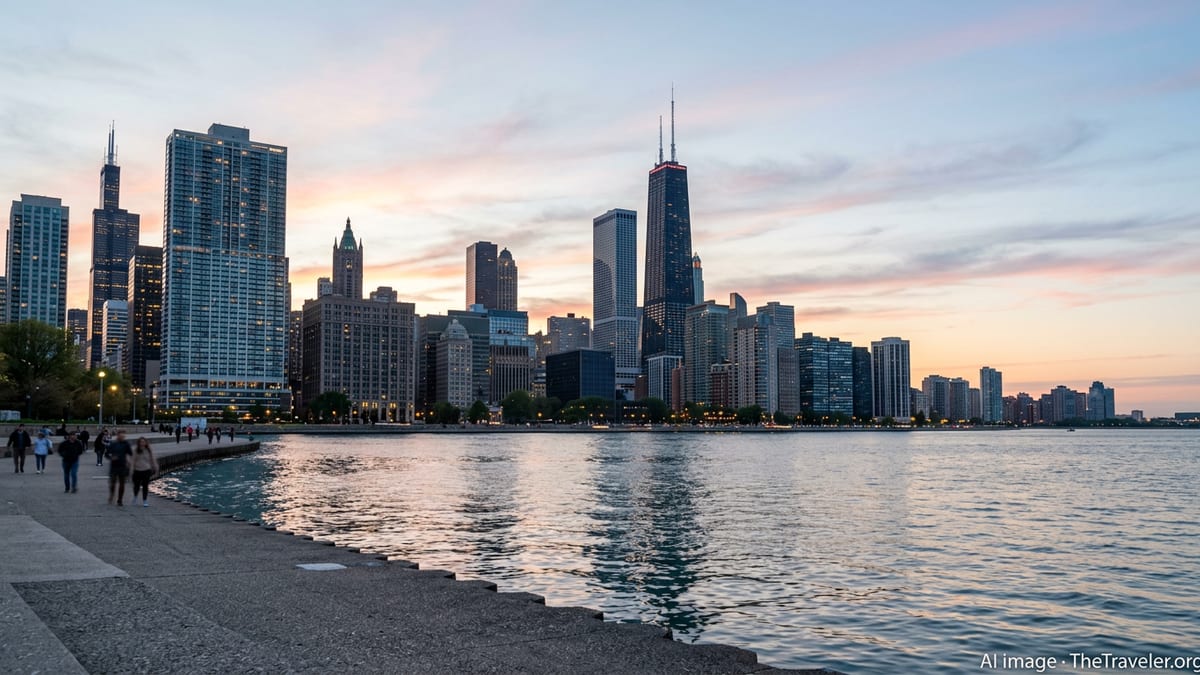
Illinois stretches far beyond Chicago’s famed skyline. Travelers who venture past the city’s soaring towers find riverfront neighborhoods, sandstone canyons, quiet prairies, and classic roadside towns that still echo the golden age of the American road trip. This guide brings together the state’s essential urban icons, standout state parks, and most rewarding driving routes so you can plan an Illinois trip that balances big-city energy with immersive time outdoors.
Understanding Illinois: Regions, Seasons, and Travel Basics
Illinois sits at the heart of the Midwest, anchored by Chicago on Lake Michigan in the northeast, agricultural landscapes across the central prairies, and wooded hills, bluffs, and wetlands along the Mississippi and Ohio Rivers in the south and west. Most visitors start or finish in Chicago, but the state’s compact size makes it easy to link the city with historic sites around Springfield, sandstone canyons near the Illinois River, or wine country and forest trails in the southern counties within a few hours of driving.
Weather is an important part of trip planning. Winters can be cold and snowy, especially from December through February, when Chicago’s lakefront winds feel particularly sharp. Spring and fall are often the most comfortable times to explore, with mild temperatures ideal for walking the city, hiking state park trails, and driving scenic byways when trees bud or leaves change color. Summers are warm to hot, with humid days in July and August, but long daylight hours and lake breezes make this peak season for festivals, beaches, and road trips.
Chicago’s O’Hare and Midway airports handle most arrivals, with rental cars readily available for onward travel around the state. Trains and buses connect Chicago with major cities like Springfield, Champaign, Bloomington-Normal, and St. Louis, useful if you want to combine rail with shorter local drives. Within Chicago, public transit, taxis, and ride-hailing services make it easy to move between neighborhoods. Once you leave the metro area, driving is the most flexible way to explore state parks, small towns, and scenic routes.
Illinois tourism has emphasized both urban experiences and scenic drives in recent years, promoting seven designated state scenic byways, including the Illinois portions of Route 66 and the Great River Road. These routes tie together outdoor recreation, small historic downtowns, and interpretive centers that highlight everything from Indigenous history to river ecology. Allowing unhurried time to pause at viewpoints, walk short trails, and explore museums along these routes will greatly enrich any Illinois itinerary.
Chicago Icons: Architecture, Riverfront, and Lakefront Highlights
Chicago remains Illinois’s marquee destination, known worldwide for its architecture, museums, and deep-rooted food culture. A classic introduction begins in the Loop, where historic skyscrapers and modern glass towers line the Chicago River. Architecture-focused boat tours operate seasonally along the main branch and its north and south branches, offering close-up views of landmark buildings while guides explain how the city rebuilt itself after the Great Chicago Fire and rose into a global design capital.
The Chicago Riverwalk has grown into one of the city’s most distinctive pedestrian corridors, with stepped terraces, public art, and riverside patios stretching from Lake Michigan inland. In warm months you can stroll past kayakers and tour boats, stop for a casual drink, or simply watch the bridges open for sailboats. Farther east, Navy Pier remains a family-friendly landmark, with a large observation wheel, seasonal events, and broad views back toward the skyline and out across Lake Michigan.
Most first-time visitors want a high vantage point on the city. Two major observation decks dominate the skyline: Skydeck Chicago in Willis Tower and 360 CHICAGO at 875 North Michigan Avenue. Skydeck occupies the 103rd floor of Willis Tower and is known for its glass-floored Ledge balconies that extend beyond the building’s facade. Exhibits at the base level highlight neighborhood history and architecture before you ride the elevators up to sweeping views that on clear days stretch out over four states.
On the Magnificent Mile, 360 CHICAGO offers a contrasting view from high above the lakefront and North Side neighborhoods, with floor-to-ceiling windows and an optional tilting glass platform experience. In recent years, operators have been developing expanded observation spaces in the building’s upper floors, adding new vantage points and event areas to complement the existing deck. Whether you choose one tower or visit both, planning for timed entry tickets and aiming for late afternoon into sunset can yield memorable changing light over the city and lake.
Millennium Park, Museums, and Neighborhood Flavor
Just east of the Loop, Millennium Park has become the city’s front yard, drawing locals and visitors year-round. The gleaming mirrored sculpture officially titled “Cloud Gate” but widely known as “The Bean” reflects surrounding towers and has become a signature photo stop. The park also includes an outdoor concert pavilion, seasonal gardens, and in winter an ice skating ribbon and rink that bring cold-weather activity into the heart of downtown. Nearby, Grant Park extends south with lawns, fountains, and lakefront paths popular with runners and cyclists.
Chicago’s cultural institutions can easily fill several days. Along the lakefront, the Field Museum delves into natural history and global cultures, while the Shedd Aquarium highlights marine life from the Great Lakes to coral reefs. The Adler Planetarium, located on a small peninsula, offers panoramic skyline views in addition to astronomy exhibits. Farther south, the Museum of Science and Industry occupies a historic World’s Fair building and combines interactive science exhibits with large-scale artifacts like aircraft and submarines.
Beyond the central lakefront, neighborhoods give Chicago much of its character. The West Loop, once a warehouse district, now mixes converted industrial spaces with restaurants, bars, and food halls. Pilsen and Little Village on the Southwest Side are hubs of Mexican culture, lined with vibrant murals, bakeries, taquerias, and community arts centers. Farther north, neighborhoods like Andersonville and Uptown offer a blend of historic commercial streets, live music venues, and relaxed, residential side streets that reflect the city’s many immigrant communities.
Public transit and rideshares make it possible to sample several neighborhoods in a single day, but Chicago rewards slowing down. Spend time walking side streets, exploring local parks, or lingering at corner cafes to experience the city beyond its marquee attractions. In summer, many neighborhoods host street festivals featuring local restaurants, bands, and artisans, adding another layer of spontaneity to an urban visit.
State Parks and Natural Escapes: From Canyons to Forests
Once you leave Chicago’s dense city blocks, Illinois reveals a quieter side in its state parks and national forest. One of the most visited is Starved Rock State Park along the Illinois River, roughly 90 minutes southwest of the city. Here, trails lead to sandstone canyons, seasonal waterfalls, and high bluffs with views over river bends and forest. The park can be busy on peak weekends, but early morning hikes or shoulder-season visits in spring and fall offer more solitude along the canyon paths.
Just a short drive from Starved Rock, Matthiessen State Park offers a more intimate canyon experience, with layered rock formations, creek crossings, and forested rim trails. Many local hikers recommend pairing the two parks in a single visit, using Starved Rock for broad vistas and Matthiessen for closer contact with the rock and water features. In recent years, state funding programs have focused on improving trails, facilities, and conservation work in several heavily used parks, including Starved Rock, to better manage growing visitor numbers.
Farther south, Shawnee National Forest covers a large swath of southern Illinois between the Ohio and Mississippi Rivers. The Garden of the Gods Recreation Area is the standout highlight, with weathered sandstone outcrops and hoodoo-like formations that rise above forested slopes. Short loop trails travel across stone outcrops to viewpoints over the rolling hills, especially dramatic at sunrise or sunset. Road and facility upgrades have occasionally led to temporary closures of access roads and parking areas, so checking conditions before arrival is wise.
Other pockets of nature dot the state, including wetlands along the Illinois River, rolling farmland intersected by small forest preserves, and riverfront parks on the Mississippi. Birders often target spring and fall migration periods, when waterfowl and songbirds move along flyways that cross the state’s major rivers. Even when based in Chicago, you can reach forested hiking trails, quiet rivers, and small campgrounds within two hours, making it easy to blend city time with at least a day trip into nature.
Illinois Scenic Drives: Route 66, Great River Road, and Beyond
Illinois has embraced its role in American road trip lore, with several routes officially recognized as scenic byways. The Illinois Route 66 Scenic Byway follows the path of the historic highway from downtown Chicago southwest through towns like Joliet, Pontiac, Bloomington-Normal, and Springfield before reaching the Mississippi River. Along the way you find restored gas stations, classic diners, small museums, murals, and vintage signs that celebrate the “Mother Road” era. Sections of original pavement and alignments, including hand-laid brick segments near Auburn, give a tactile sense of early 20th-century travel.
Interpretive centers and local museums along Route 66 draw together stories of migration, car culture, and roadside entrepreneurship. Longstanding roadside businesses, such as century-old cafes and motels, testify to the road’s enduring pull on travelers. While modern interstates often parallel the historic route, choosing the smaller, slower alignments lets you pass through main streets, stop for short walks, and talk with locals who have seen generations of travelers pass their doors.
On the opposite side of the state, the Illinois portion of the Great River Road traces more than 500 miles along the Mississippi River. One of the most scenic stretches, known as the Meeting of the Great Rivers Scenic Byway, runs between Alton, Grafton, and Pere Marquette State Park. Here, limestone bluffs rise above the water, roads hug the base of the cliffs, and small river towns offer overlooks, marinas, and ferry crossings. Bald eagles are common winter visitors, and fall color often paints the bluffs in October.
Additional byways, including the Illinois River Road, Lincoln Highway, and local state-designated scenic routes, carve through prairies, river valleys, and historic communities. Many of these roads intersect, allowing you to weave a loop that might begin in Chicago, follow Route 66 to Springfield, cut across to the Mississippi River, then return north along the Great River Road. Driving conditions are typically straightforward, but rural stretches can feel remote at night or in winter weather, so building in daylight hours for the most scenic segments and planning fuel stops ahead of time is wise.
Springfield and Small-Town Illinois: History, Culture, and Slower Travel
Springfield, the state capital, occupies a central place in Illinois history thanks to its long association with Abraham Lincoln. The city’s historic district includes the Lincoln Home National Historic Site, which preserves the neighborhood where he lived before the presidency, along with the Old State Capitol and the Abraham Lincoln Presidential Library and Museum. These sites, along with local walking tours and interpretive exhibits, make Springfield a meaningful stop on any Route 66 or central Illinois itinerary.
From Springfield, small towns spread out along both the historic Route 66 corridor and parallel rural highways. Places like Pontiac, with its Route 66 museum and colorful murals, or smaller communities with preserved diners, motels, and restored filling stations, offer a slower rhythm than Chicago’s constant motion. These towns often host car shows, local festivals, and farmers markets that reflect regional pride in both agricultural traditions and highway heritage.
In western and southern Illinois, river towns like Alton and Grafton pair historic main streets with outdoor activities on the Mississippi and Illinois Rivers. Local outfitters offer seasonal kayaking, boating, and fishing, while state parks provide campgrounds and hiking trails on nearby bluffs. Farther south, small communities near Shawnee National Forest connect visitors with wineries, farm stands, and trailheads, making this part of the state feel markedly different from the urban north.
Travelers who value unscripted experiences will appreciate how easy it is to deviate from a planned route in Illinois. A roadside sign for a historic site, a small county museum, or an unplanned detour along a scenic road can yield memorable encounters, from café conversations with longtime locals to quiet moments in hidden overlooks. Allowing extra time in your schedule to follow these impulses often leads to the most personal stories from an Illinois trip.
Planning Your Illinois Road Trip: Practical Tips and Sample Routes
Designing an Illinois itinerary starts with deciding how to balance Chicago time with days on the road and in nature. Many visitors allocate three or four days to explore Chicago’s core sights, then add several days for one or two road trip loops. A classic option is a Route 66 themed journey that begins at the historic starting point in downtown Chicago and continues through Joliet, Pontiac, Bloomington-Normal, Springfield, and on toward the Mississippi River, with nights in a mix of larger cities and small towns.
Another appealing plan links Chicago with the Illinois River valley and southern forests. From the city, head southwest to Starved Rock and Matthiessen for hiking, then continue toward Peoria and the Illinois River Road Scenic Byway for additional river views and small communities. From there, you can angle south to Shawnee National Forest for a few days of hiking and winery visits before looping back toward Chicago or continuing to neighboring states.
For travelers drawn to water and bluffs, a loop focused on the Great River Road works well. Start in Chicago, drive to Springfield or another central hub, then head west to the Mississippi near Alton. Spend time on the Meeting of the Great Rivers Scenic Byway, explore river towns, and hike at Pere Marquette State Park before following the Great River Road north or south, depending on your wider plans. This route offers frequent opportunities for photo stops, short walks, and wildlife viewing.
No matter which route you choose, basic planning steps will improve the experience. Reserve Chicago accommodation well ahead for summer weekends and major events. For popular state parks like Starved Rock, aim to arrive early in the day to secure parking and avoid trail congestion. Check current park advisories, road conditions, and any construction updates, particularly around Shawnee National Forest trailheads and Garden of the Gods access roads, which have periodically undergone maintenance and resurfacing.
The Takeaway
Illinois rewards travelers who look beyond a single postcard image of Chicago’s skyline. In one trip you can stand on glass ledges more than 100 stories above the city, walk through sandstone canyons carved by ancient waters, trace the path of Route 66 past vintage neon and brick roadways, and watch the sun set over Mississippi River bluffs. The state’s mix of urban culture, small-town hospitality, and readily accessible nature makes it a flexible destination for weekend escapes and longer journeys alike.
Whether you gravitate toward museums and live music, long hikes and quiet campgrounds, or long, open stretches of highway lined with classic diners, Illinois offers ways to match your interests with the landscape. By planning for both iconic highlights and unscripted side trips, you create space for the unexpected conversations and views that turn a simple drive into a memorable journey. In the heart of the Midwest, Illinois shows that some of the country’s most rewarding travel experiences unfold where city streets give way to rivers, forests, and roads that still invite you to keep going just a little farther.
FAQ
Q1. When is the best time of year to visit Illinois for a combined Chicago and road trip vacation?
Spring and fall are usually the most comfortable, with milder temperatures suited to walking Chicago’s neighborhoods and hiking in state parks, plus colorful foliage along scenic byways.
Q2. How many days should I plan for an Illinois trip that includes Chicago and one road trip loop?
Plan at least seven to ten days, with three or four nights in Chicago and the remaining time devoted to a loop that might include Route 66, the Illinois River valley, or the Great River Road.
Q3. Do I need a car in Chicago, or should I only rent one for the road trip portion?
You can explore most of Chicago using public transit and rideshares, then pick up a rental car when you are ready to leave the city for state parks, small towns, and scenic drives.
Q4. Which Illinois state parks are best for first-time visitors who want scenic hikes?
Starved Rock and Matthiessen offer accessible canyon trails and river views, while Garden of the Gods in Shawnee National Forest showcases dramatic rock formations and forested hills.
Q5. Is it easy to follow Historic Route 66 across Illinois?
Yes, the Illinois Route 66 Scenic Byway is well marked, but it helps to carry a dedicated map or guide so you can stay on the older alignments and find small museums and roadside stops.
Q6. What are some good bases for exploring the Great River Road in Illinois?
Towns such as Alton and Grafton make convenient bases, placing you close to the Meeting of the Great Rivers Scenic Byway, river overlooks, state park trails, and seasonal eagle watching.
Q7. Are there family-friendly activities along these Illinois road trip routes?
Yes, families will find short hikes, riverfront playgrounds, small local museums, Route 66 attractions, observation decks in Chicago, and seasonal festivals suited to a wide range of ages.
Q8. How should I prepare for weather changes while driving and hiking in Illinois?
Pack layers, a light rain jacket, and sturdy footwear, watch local forecasts, and be flexible with your daily plans, especially in spring, late fall, and winter when conditions shift quickly.
Q9. Can I visit both Skydeck Chicago and 360 CHICAGO in one day?
It is possible, especially with timed tickets, but many travelers choose one deck per trip; if you do both, consider visiting at different times of day for varied light and views.
Q10. Is it necessary to book accommodations in advance when visiting popular parks and small towns?
During peak seasons and holiday weekends it is wise to reserve ahead, especially near Starved Rock, along Route 66, and in river towns where lodging options can be limited.