

Illinois rewards travelers who arrive prepared. From lakefront blizzards and steamy summer days to Chicago’s busy trains and buses, the state can feel demanding to first-timers. With a little advance planning around weather, transit and what to pack, you can turn those potential snags into part of the adventure.
Understanding Illinois Weather Through the Seasons
Illinois sits in the heart of the Midwest and experiences four distinct seasons, but “distinct” does not always mean predictable. Winters frequently bring subfreezing temperatures, snow and icy winds, especially in the northern half of the state and around Chicago. Summers can swing to the other extreme with hot, humid days, particularly in central and southern Illinois, and heat waves that push temperatures well above typical averages. Spring and fall offer milder air but are also the most changeable, with warm sunshine one day and jacket weather the next.
Chicago’s position along Lake Michigan adds another layer of complexity. The lake can moderate temperatures slightly, but it also fuels lake-effect snow and biting wind in winter, and it keeps lakeshore areas cooler than inland neighborhoods on hot summer days. The result is that conditions in downtown Chicago can feel different from those in the suburbs or small cities elsewhere in the state on the very same day.
Travelers should also be aware that Illinois is no stranger to severe weather. Thunderstorms with heavy rain, lightning and strong winds are common from late spring through early fall. Tornadoes are possible, particularly in the central and southern regions, and winter storms can trigger dangerous wind chills and treacherous roads. These events are not daily occurrences, but staying aware of forecasts and alerts is essential when you are on the move.
Because conditions can shift quickly, especially in transitional seasons, flexibility is your friend. Build some slack into long driving days, allow extra time for airport transfers when snow or thunderstorms are in the forecast, and keep a basic weather app handy. A little situational awareness goes a long way toward keeping your Illinois trip running smoothly.
When to Visit: Month-by-Month Considerations
January and February are typically the coldest months across Illinois, and Chicago often sees its heaviest snow and longest stretches of below-freezing temperatures then. This is when lakefront winds can make it feel colder than the thermometer suggests, and when aviation disruptions at Chicago O’Hare and Midway are most likely. On the plus side, you will find lower hotel rates outside of major events, and iconic spots like Millennium Park or the Abraham Lincoln sites in Springfield tend to be less crowded.
March and April bring the first signs of spring, but winter can linger. In Chicago it is not unusual to see snow, sleet and chilly rain well into April. Central and southern Illinois warm a bit sooner, making them more comfortable for early-season road trips or visits to state parks. Pack with layers in mind during these months and expect swings from coat weather to light-jacket temperatures in the span of a single trip.
May through September is prime travel season. June, July and August are the warmest months, with humid days and the occasional heat wave, especially away from the lake. This is festival season in Chicago and a great time for lakefront walks, baseball games and outdoor dining, but you will want breathable clothing, sun protection and plenty of water. Late summer can also bring strong thunderstorms, so watch the skies if you are driving long distances or planning outdoor excursions.
October and November mark a gradual slide into colder air. Early October often features crisp, sunny days and fall color in forests and along the Mississippi River. By late November, Illinois can see its first accumulating snows, and Chicago’s airports sometimes experience weather-related delays around Thanksgiving. If you visit in late fall, pack at least one insulating layer, a rain-resistant jacket and shoes with decent traction for damp sidewalks and early-season slush.
Chicago Transit Basics: CTA, Metra and Beyond
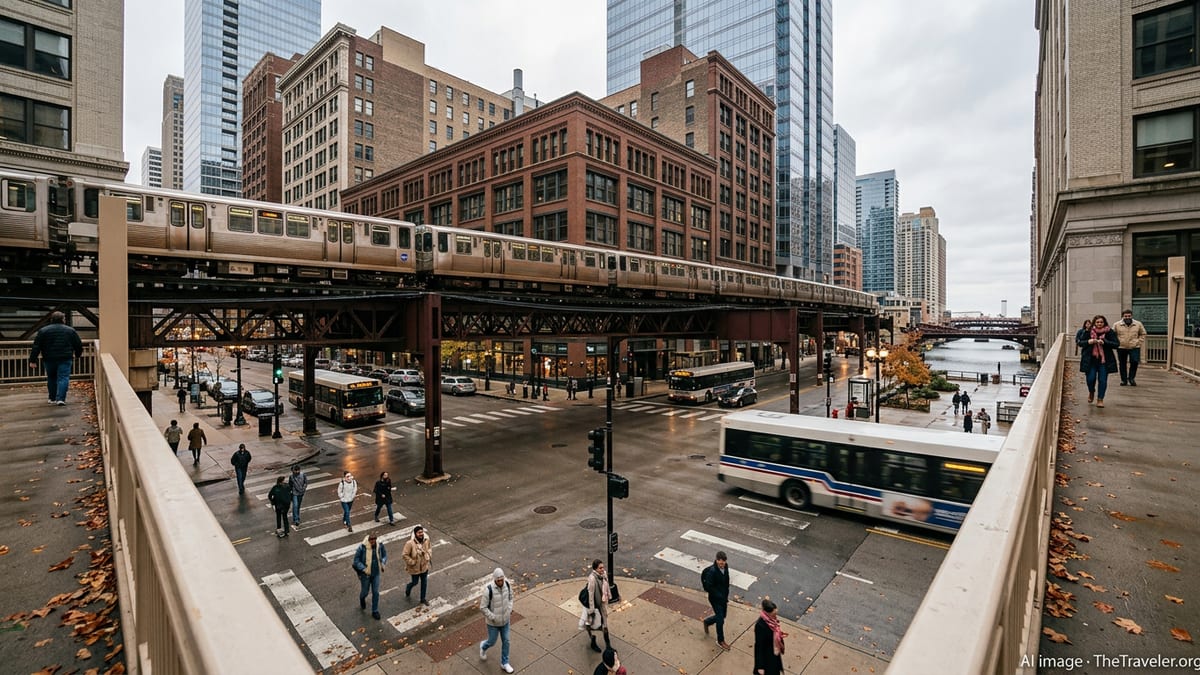
Chicago’s public transit network makes it relatively straightforward to explore the city and parts of the surrounding region without a car. Within city limits, most visitors rely on the Chicago Transit Authority, which operates the elevated rail and subway system commonly called the “L,” along with an extensive bus network. The Red and Blue lines run around the clock, connecting key neighborhoods and both downtown business districts, while other rail lines provide frequent service during daytime and evening hours.
For longer-distance trips into the suburbs, the Metra commuter rail system links downtown terminals with communities throughout northeastern Illinois. Metra is geared toward commuters but is also a practical choice for day trips to places like Oak Park, Evanston or small towns along the Fox River. Trains run on set schedules that thin out late at night and on weekends, so check departure and return times before you head out.
Most visitors can navigate Chicago comfortably by combining the “L,” buses and occasional rideshare or taxi. Major attractions such as the Loop, River North, the Magnificent Mile, Museum Campus and Wrigley Field all sit along or near rail lines. Outside the immediate city, however, public transit becomes less frequent, so if you plan to explore downstate Illinois, wine regions, state parks or small river towns, renting a car is usually the most efficient option.
Driving in Chicago itself is possible but often slower and more stressful than using transit, especially around rush hour or during construction season. Parking downtown is expensive and can add significant cost to your stay. Many visitors opt to pick up a rental car only when they are ready to leave the city and start the Illinois road-trip portion of their journey.
Using Ventra and Paying Fares Like a Local
Chicago’s main transit systems share a unified fare framework built around Ventra, a contactless payment system. Visitors can pay for CTA rides using a reloadable Ventra card, disposable passes sold at station vending machines, or contactless bank cards and mobile wallets at many turnstiles and bus fare readers. This flexibility means you rarely need exact change, and you can choose the option that best matches how much you plan to ride.
If you expect to use the “L” and buses several times per day, time-based passes such as 1-day or multi-day options typically offer better value than paying for each ride separately. Short-term passes are commonly issued on paper cards, while longer passes and stored value are associated with plastic Ventra cards or digital cards in your phone’s wallet. The physical card carries a small purchase fee that is often credited back as transit value if you take the time to register it, which can be worthwhile for longer stays or repeat visits.
Mobile options continue to evolve. Many riders now add a Ventra card to their smartphone’s wallet and simply tap the phone at the turnstile, which can speed up boarding and reduce the risk of misplacing a card. That said, travelers occasionally report intermittent issues with mobile payments, particularly when batteries run low or wireless connections are spotty. Keeping a backup, such as a physical card or extra paper pass, is a smart hedge if you are depending on transit to catch a train or flight.
When traveling as a group, every rider needs a valid fare. Some fare readers allow you to “double tap” or pay for multiple people with a single card on buses, while rail stations often require each person to tap individually to enter through the gates. Before buying passes, think through how many rides your group is likely to take each day so you can select the most economical combination of passes and stored value.
Getting Around in Different Weather Conditions
In winter, frigid temperatures, snow and ice change how Illinois transit and streets feel. On very cold days, open-air station platforms on the “L” can be uncomfortable, and wind chill off Lake Michigan can be intense. Trains and buses usually keep running, but snowstorms may slow them down, and heavy snow can cause route changes or delays. If snow is in the forecast, allow extra time for trips, wear insulated, waterproof footwear and consider switching from long walks to short transit hops between neighborhoods.
Air travel is particularly vulnerable to winter weather disruptions in Chicago. When a significant snowstorm or freezing rain is expected, O’Hare and Midway airports may experience waves of delays and cancellations as airlines adjust schedules for safety. If you are connecting through Chicago in the cold months, monitor your airline’s app closely, sign up for alerts and consider earlier flights in the day, which are less likely to be affected by cascading delays. Travel insurance or flexible tickets can provide a safety net if conditions deteriorate.
Summer heat poses a different set of challenges. On humid, high-temperature days, train cars and buses can feel crowded and stuffy during peak hours, and elevated platforms under direct sun can be uncomfortable. Pace your days by planning indoor museum visits or lakefront breezes for the hottest parts of the afternoon. Carry water, wear light, breathable fabrics and remember that even short walks between stations can feel strenuous when humidity is high.
During thunderstorms or severe weather warnings, transit agencies may slow trains, reroute buses or temporarily hold service to protect passengers and staff. If you are caught out in a storm, seek shelter in stations, businesses or public buildings and wait for the worst of the weather to pass before continuing your journey. Plan outdoor activities with a flexible mindset and always have a backup indoor attraction or cafe in mind.
Smart Packing for a Versatile Illinois Wardrobe
The key to packing for Illinois is versatility. Because temperatures can shift dramatically in just a few days, especially in spring and fall, lean toward several lighter layers rather than a few heavy garments. A base layer, a light sweater or fleece and a medium-weight jacket can be combined in different ways to handle chilly mornings, mild afternoons and cool evenings without overstuffing your suitcase.
Footwear deserves special attention. In cities, expect to walk more than you might at home, both on sidewalks and through large transit hubs. Comfortable, broken-in walking shoes are essential year-round. In winter, waterproof boots with good traction help you navigate slush and icy patches around train stations and curb ramps. In summer, breathable sneakers or walking sandals keep your feet cooler during long days of sightseeing.
Outerwear should match both your travel season and itinerary. For winter visits, a warm, wind-resistant coat, hat and gloves are nonnegotiable, especially if you plan to spend time on the lakefront or waiting on exposed platforms. For shoulder seasons, a light, packable jacket that resists wind and rain adds comfort without taking up much space. In summer, a thin, long-sleeve layer protects against sun and overly strong air conditioning on trains or in museums.
Finally, do not forget small items that make travel smoother but are easy to overlook: a compact umbrella, a reusable water bottle, sunglasses, a small day pack that complies with museum and stadium rules, and a portable battery for your phone so transit apps and mobile tickets are always accessible. These details can mean the difference between a day that flows and one that feels like a scramble.
Packing for Chicago Transit Days and Longer Road Trips
Days built around Chicago transit have their own packing rhythm. You will likely carry everything you need with you from morning to night, so aim for a lightweight setup. A medium-sized backpack or crossbody bag is ideal for holding an extra layer, snacks, a water bottle and any small purchases you pick up along the way. Choose a bag that closes securely and can be worn in front of you in crowded trains for an extra layer of security and comfort.
On trains and buses, it is courteous and more convenient to avoid bulky suitcases and oversized shopping bags during rush-hour periods, when commuters fill the aisles and doorways. If you must travel with luggage, try to time your moves between the airport and your hotel during mid-morning or early afternoon, when transit is less crowded. Smaller rolling bags are easier to maneuver through stations and up and down stairs than large suitcases.
For longer Illinois road trips, you have more flexibility but should still pack with organization in mind. Use packing cubes or small bags to separate city clothes from outdoor gear so you can quickly grab what you need for a hike, a winery stop or a riverfront walk without unpacking everything. Keep a small “transit kit” handy with essentials like a jacket, snacks and phone charger so that even when you switch from car to train, you are prepared.
If your itinerary blends Chicago days with downstate explorations, think about what can serve double duty. A compact rain jacket works in urban downpours and along rural trails. A pair of dark, comfortable shoes may be suitable both for nice dinners and long walks. This approach reduces weight and clutter, making it easier to navigate everything from the “L” platforms to small-town main streets.
Safety, Courtesy and Accessibility on Transit
Chicago’s transit system serves millions of riders each year, and most visits are uneventful, but situational awareness is important anywhere you travel. Keep your valuables out of sight, secure zippers on bags and avoid displaying large amounts of cash or expensive electronics. On trains and buses, aim for seats or standing spots away from doors where crowds bunch up, and move further into vehicles so others can board more easily.
Basic courtesy helps the entire system run more smoothly. During busy periods, avoid blocking doors, hold backpacks low or on your lap instead of on your shoulders, and offer priority seats to older adults, pregnant riders or passengers with disabilities. Allow people to exit trains and buses before you board, and keep conversations and phone calls at a moderate volume. These habits not only show respect but also make your own experience more pleasant.
Illinois transit agencies continue to improve accessibility features, but conditions vary by station and line. Many CTA and Metra stations provide elevators, ramps and tactile paving, while vehicles are typically equipped with priority seating and auditory or visual stop announcements. If you or someone in your party has mobility or sensory needs, review station information ahead of time and build in a few extra minutes to navigate elevators, accessible boarding locations and staff assistance.
If you ever feel unsafe or need help, look for uniformed staff, station agents or posted emergency contact numbers. In Chicago, both CTA and Metra have dedicated security and customer assistance teams, and trains and stations are increasingly equipped with cameras and public-address systems. Trust your instincts: if a car or area feels uncomfortable, change cars at the next stop or shift to a different part of the platform.
The Takeaway
Traveling through Illinois, and especially through Chicago, is easier when you prepare for the state’s full range of weather, tap into the strength of its transit systems and pack with flexibility in mind. A few well-chosen layers, sturdy shoes and smart use of Ventra go a long way toward turning unknown streets and rail lines into familiar territory.
Whether you are navigating a snowy platform at O’Hare, catching a summer evening train to a suburban town, or road-tripping along the Mississippi after a few car-free days in Chicago, understanding local conditions helps you travel more confidently. Pay attention to forecasts, give yourself time to adapt when the weather or schedules shift and adopt the rhythms of local riders. With that mindset, Illinois becomes less a logistical challenge and more a rewarding backdrop for your next journey.
FAQ
Q1. What is the best month to visit Illinois for comfortable weather?
The most reliably comfortable months are usually May, June, September and early October, when temperatures are milder and humidity or deep cold are less intense.
Q2. Do I need a car in Chicago, or can I rely on transit?
Most visitors can rely on the “L,” buses, walking and occasional rideshare for city sightseeing. A car becomes more useful if you plan to explore suburbs or downstate destinations.
Q3. How should I dress for a winter trip to Chicago?
Pack a warm, wind-resistant coat, hat, gloves, insulated layers and waterproof boots with good traction. Expect wind chill and plan for time spent waiting on outdoor platforms.
Q4. What is Ventra, and do I need a physical card?
Ventra is the contactless fare system for CTA, Metra and many Pace services. You can use a physical card, disposable passes, or compatible contactless bank cards and mobile wallets.
Q5. Is the “L” safe at night for visitors?
Many people ride the “L” at night, especially on the Red and Blue lines, but it is wise to stay alert, ride in busier cars, keep valuables out of sight and avoid deserted stations when possible.
Q6. What should I pack for a summer visit to Illinois?
Focus on light, breathable clothing, comfortable walking shoes, sun protection and a light layer for strong indoor air conditioning. A small umbrella is useful for sudden storms.
Q7. How do winter storms affect flights at Chicago airports?
Significant snow or ice can trigger waves of delays and cancellations at O’Hare and Midway. Monitor airline alerts, consider earlier flights and allow extra connection time in winter.
Q8. Can I use contactless credit or debit cards directly on CTA?
Many stations and buses accept compatible contactless bank cards and mobile wallets, but availability can vary, so keeping a Ventra card or paper pass as backup is a good idea.
Q9. What is the difference between CTA and Metra?
CTA primarily serves Chicago and nearby suburbs with frequent trains and buses, while Metra is a commuter rail network connecting downtown Chicago with outlying communities on longer routes.
Q10. How much should I plan to walk in Chicago?
Expect to walk several miles a day if you are sightseeing, as attractions, stations and neighborhoods are close together. Comfortable shoes are essential in every season.