

The American Midwest is full of easy weekend escapes, but few rival the head-to-head showdown between Illinois and Wisconsin. Both promise lakefront views, character-filled cities, historic small towns and easy-to-reach state parks. Whether you are plotting a quick road trip from Chicago or flying in for a two or three night break, choosing the right side of the state line can define the mood of your entire weekend.
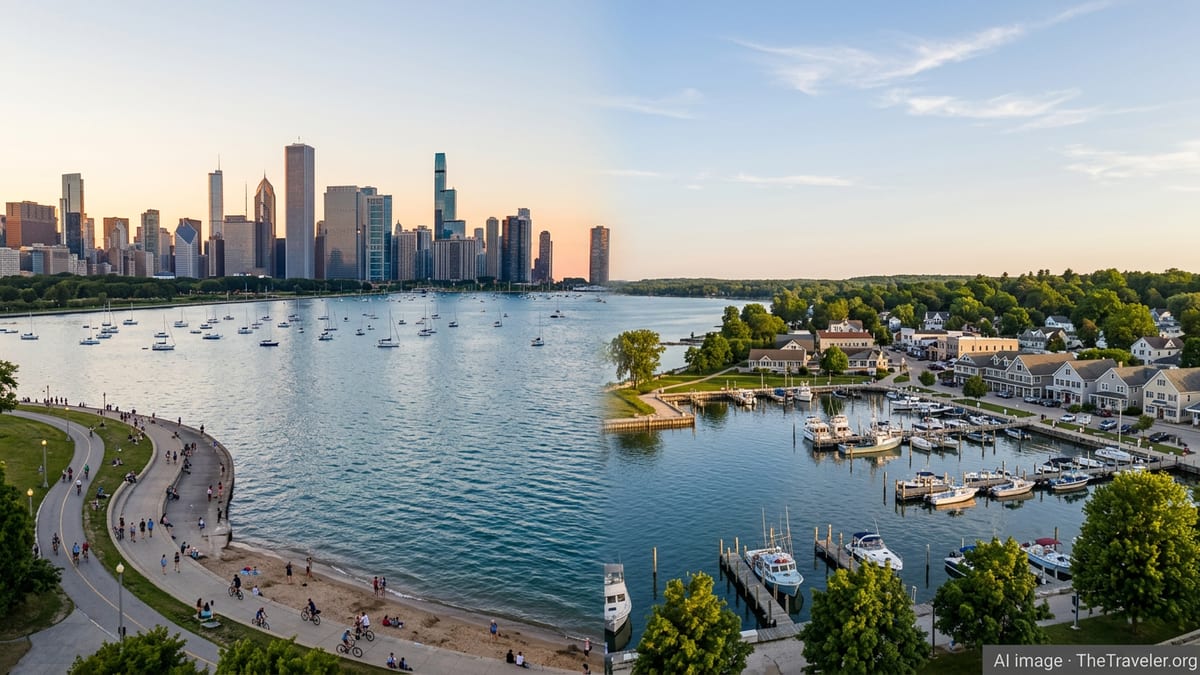
Big City Energy: Chicago vs Milwaukee and Madison
For many travelers, a weekend escape starts in the city. On that front, Illinois has one clear trump card: Chicago. The state’s largest city offers a dense concentration of museums, theaters, acclaimed restaurants and lakefront parks within a compact, transit-connected core. Visitors can spend a full weekend in the Loop and nearby neighborhoods and still barely scratch the surface of art collections, live music and architectural landmarks. Chicago’s hotel scene ranges from design-forward boutiques to classic grand properties, giving couples, solo travelers and families plenty of choice at different price points.
Wisconsin answers not with one dominant metropolis but with a duo of mid-sized cities: Milwaukee and Madison. Milwaukee’s revitalized downtown and Third Ward warehouse district have developed into an appealing mix of riverfront trails, breweries and cultural venues, including major summer festivals along the Lake Michigan shoreline. Madison delivers a different city experience built around the state capitol, lakes and the University of Wisconsin campus, which give the town a youthful, outdoorsy energy. Both cities feel more relaxed than Chicago and often come with lower lodging and parking costs, which appeals to budget-conscious weekend travelers.
If your priority is high-density culture and dining, Illinois holds the advantage. Chicago’s museum campus, theater district and year-round calendar of marquee concerts and major league sports can easily fill a packed two day itinerary. Travelers who prefer a gentler urban pace, shorter drives between attractions and an easier time getting dinner reservations may find Wisconsin’s cities better suited to a low-stress weekend. The choice often comes down to whether you want the buzz of a global city or the comfort of a smaller, navigable downtown.
Accessibility is another factor. Chicago’s large international airport and extensive rail links make Illinois more convenient for fly-in weekenders, while Milwaukee and Madison primarily serve drive-market visitors from neighboring states. However, Amtrak connections between Chicago and Milwaukee give flexible travelers the option to sample both states in a single long weekend without relying on a car.
Small-Town Charm and Historic Streetscapes
Beyond the cities, Illinois and Wisconsin both shine in their small-town offerings, but with distinct personalities. In Illinois, Galena is the marquee name, a 19th century river town in the northwest corner of the state where brick storefronts, hillside streets and historic homes create an almost time-capsule feel. The town has leaned into its role as a weekend destination with bed-and-breakfasts, boutique hotels, wine tasting rooms and guided food tours that showcase its restaurants and bakeries. It regularly appears in roundups of the Midwest’s top small-town getaways, especially for couples’ weekends.
Wisconsin counters with an entire roster of characterful towns. Lake Geneva brings resort-era architecture, mansions peeking through the trees and a popular lakeside path that loops past the shoreline estates. Door County, often nicknamed the Cape Cod of the Midwest, scatters its charm across multiple harbor villages, each with galleries, ice cream shops, supper clubs and marinas. Farther inland, places like Mineral Point and Spring Green combine historic architecture with artisan workshops and access to Frank Lloyd Wright sites, attracting road trippers interested in arts and design.
Travelers who enjoy parking the car and walking a compact main street lined with shops may slightly favor Illinois, where Galena’s dense downtown core and other river towns along the Mississippi and Illinois rivers make it easy to explore on foot. Wisconsin’s small-town appeal is more dispersed, encouraging scenic drives from one village to another, especially on peninsulas and lakefront routes. That style suits visitors who like to build a weekend around meandering from one cafe, farm stand and shoreline overlook to the next.
Both states accommodate a wide range of budgets in their small towns. You will find restored historic inns, classic motor courts and rental cabins on both sides of the border. Illinois’s small-town stays often serve visitors driving out from Chicago for quick two-night breaks, while Wisconsin’s lodging scene has long catered to repeat lake-goers who return to the same resort year after year, fostering a comfortable, familiar feel.
Nature Escapes: Parks, Lakes and Trails
Outdoor lovers will find plenty to work with in both Illinois and Wisconsin, but the experiences differ in scale and atmosphere. Illinois is best known for dramatic pockets of scenery concentrated in specific parks. Starved Rock State Park and neighboring Matthiessen State Park in north-central Illinois offer sandstone canyons, waterfalls in wetter seasons and miles of trails within a manageable driving distance of Chicago’s suburbs. Farther south, Shawnee National Forest introduces rolling hills, rock formations and wineries along the nearby Shawnee Hills Wine Trail, making it a strong choice for a more remote-feeling weekend.
Wisconsin’s natural appeal is broader and more water-focused. With lengthy Lake Michigan shoreline, countless inland lakes and river valleys carved into the Driftless Area, the state provides varied backdrops for kayaking, paddling, hiking and winter sports. Devil’s Lake State Park near Baraboo is particularly popular for its quartzite bluffs and clear, spring-fed lake. In Door County, state parks provide cliffside vistas, lighthouses and forest trails that draw hikers and cyclists through much of the year. The state’s north woods regions extend the options even further for those seeking cabins and quiet forests on longer weekend drives.
For a quick weekend that mixes moderate hiking with comfortable lodging and dining, Illinois’s cluster of parks in LaSalle County or the Shawnee region work well, especially when paired with nearby towns that offer wineries, historic sites and seasonal events. Travelers wanting a longer list of lakeside options, sandy beaches and forested campgrounds may find Wisconsin better suited to repeated weekend trips, since it allows you to discover a different lake or river on each visit.
Seasonality should also factor into your comparison. Illinois’s southern regions can stretch hiking and winery seasons deeper into spring and fall thanks to milder temperatures, while northern Wisconsin offers more reliable opportunities for snowshoeing, cross-country skiing and cozy cabin weekends in the heart of winter. Matching your preferred outdoor activities to the calendar often dictates which side of the border makes more sense for a given weekend.
Food, Drink and Local Flavor
On the culinary front, both Illinois and Wisconsin have strong reputations, though their weekend offerings trend in slightly different directions. Illinois boasts a globally recognized food city in Chicago, where diners can sample everything from acclaimed tasting menus to neighborhood taverns and late-night street food. That depth makes Illinois a strong contender for travelers whose weekends revolve around reservations, food tours and cocktail bars. Beyond Chicago, the state’s wine trails and emerging craft breweries in small towns and college cities add regional flavor to weekend itineraries.
Wisconsin, meanwhile, leans into its long-established traditions of supper clubs, beer gardens and cheese-focused menus, layered with a growing wave of farm-to-table restaurants in cities like Madison and Milwaukee. The state hosts large food and drink festivals in the warm months and has increasingly high-profile craft breweries and distilleries that draw visitors for tastings and taproom events. Along Lake Michigan and in Door County, seasonal fish boils, cherry-based desserts and lakeside patios provide a strong sense of place that quickly defines a weekend visit.
Travelers who prize variety and international cuisine often lean toward Illinois, where a single neighborhood in Chicago might offer regional dishes from across the world. Those seeking classic comfort foods, casual pub atmospheres and a strong sense of Midwestern conviviality are likely to gravitate toward Wisconsin. In both states, planning a weekend around local specialties can be as simple as booking a dinner at a supper club or winery restaurant and building the rest of your itinerary outward from that reservation.
Alcohol-centric activities are easy to find in both places, so visitors should consider how they prefer to structure their evenings. Wisconsin’s breweries and taverns are central to its social life, especially in college towns, while Illinois mixes wine tasting, cocktail lounges and neighborhood bars. For families or travelers who prefer quieter evenings, looking for towns with a balance of cafes, bakeries and casual restaurants can ensure a comfortable night out without feeling pressured to join a bar-centric scene.
Ease of Access, Driving Times and Costs
When planning a weekend escape, the practicalities of travel time and expenses are as important as scenery and restaurants. Illinois often wins in pure accessibility because of Chicago’s major airport and extensive network of interstate highways. Visitors can land in the city on a Friday afternoon and be in a downtown hotel or on a train to the suburbs within a short window. Starved Rock, Galena and parts of central Illinois are reachable within a few hours’ drive of Chicago and its suburbs, making them convenient for short notice trips.
Wisconsin’s weekend destinations rely more heavily on driving, with many visitors heading north from Chicago or west from Milwaukee and Madison. Door County, for example, typically requires several hours of road time from most major Midwest cities, but rewards the effort with a distinct, almost coastal atmosphere. Similarly, popular lake towns and north woods resorts are designed around car-based arrivals, with parking typically easier and often free compared with Chicago’s denser neighborhoods.
Cost comparisons vary by season and exact destination, but Wisconsin’s smaller cities and towns often provide more budget-friendly lodging and dining than Chicago’s central districts. However, resort areas in both states, especially on peak summer weekends and major holiday periods, can see rates rise sharply. Travelers looking to keep expenses manageable might compare shoulder season prices, check whether midweek nights are feasible or target less-publicized towns that still have lake access or nearby trails.
Public transport plays a limited but useful role in each state. Illinois offers commuter rail connections that can support car-free day trips from Chicago to some suburbs and smaller cities, while intercity trains link Chicago with Milwaukee, providing an easy way to sample Wisconsin without driving. Once you move deeper into rural or resort areas, though, having a car becomes the most realistic way to explore widely, so factor rental or fuel costs into your weekend planning.
Seasonal Highlights and Best Times to Go
Deciding between Illinois and Wisconsin also means weighing how each state shines at different times of year. In Illinois, spring and fall are particularly attractive for weekend escapes. City parks and lakefront trails wake up quickly in Chicago, and southern regions often see earlier blooms and warmer days than points farther north around the Great Lakes. These shoulder seasons are ideal for combining urban sightseeing with day trips to nearby parks and small towns, often with fewer crowds and more moderate prices than peak summer.
Wisconsin’s long, warm summer days make lake and river destinations especially appealing from late June through August. This is when Door County’s marinas buzz with activity, lakefront towns host outdoor concerts and farmers markets fill town squares. Major events and festivals concentrate in this window, especially in Milwaukee, where music and cultural celebrations line the waterfront. The trade-off is that traffic and room rates can increase during the busiest weeks, particularly around holidays and school vacation periods.
Autumn provides a strong case for both states. Wisconsin’s forests and rolling hills in the Driftless Area, north woods and Door County offer multi-week displays of fall color that pair well with apple orchards, harvest festivals and cozy cabin rentals. Illinois responds with agricultural landscapes, winery events and scenic drives, especially in its western and southern regions where bluffs and river valleys catch the changing leaves. Weekenders who prioritize foliage might find Wisconsin’s larger stretches of forested land slightly more enticing, though exact timing of peak color varies year by year.
Winter is where preferences really diverge. Travelers seeking snow-based recreation, frozen lakes and active ski hills will usually find more consistent conditions in Wisconsin, which has built an infrastructure of trails, snowmobile routes and winter festivals. Illinois still offers winter charm, especially in historic towns lit for the holidays and in Chicago’s markets and ice rinks, but generally sees milder, more variable conditions away from the lakefront. Those who prefer crisp walks, museums and restaurant hopping over deep snow may decide Illinois is the better cold-season weekend choice.
The Takeaway
Ultimately, the choice between Illinois and Wisconsin for a weekend escape is less about which state is objectively better and more about what kind of mood you want for those precious days away. Illinois excels when your plans revolve around big-city culture, high-end dining and compact historic towns that feel tailor-made for strolling. It also works well for travelers who want to minimize transit time from a major airport and quickly access a mix of urban attractions and nearby nature.
Wisconsin, by contrast, tends to win when you are craving lakeside sunrises, winding drives through small villages and an unhurried atmosphere built around supper clubs, breweries and campfires. Its cities offer plenty to do, but the state’s weekend personality is defined by time on or near the water, scenic state parks and a tradition of repeat visits to the same beloved resorts and cabins.
For many Midwestern travelers, the best answer is not Illinois or Wisconsin, but Illinois and Wisconsin, choosing between them depending on the season and their current travel style. One month you might pair Chicago restaurants with a hike at Starved Rock, and another you might trade skyscrapers for a cottage in Door County or a night out in Madison. Treat both states as parts of a single, varied weekend playground and you will rarely run out of short-trip ideas.
FAQ
Q1. Which state is better for a first-time Midwest weekend, Illinois or Wisconsin?
For a first visit, Illinois often has the edge because Chicago offers a dense mix of museums, dining and lakefront scenery in one base, with easy access from major airports.
Q2. Where should I go for a romantic weekend, Illinois or Wisconsin?
Both work well, but Galena and wine regions in Illinois appeal to couples who like historic inns, while Door County and Lake Geneva in Wisconsin suit those seeking lakeside sunsets and cozy resorts.
Q3. Which state is better for families with kids on a short trip?
Illinois offers major museums and attractions in Chicago plus accessible parks like Starved Rock, while Wisconsin adds lake towns, easy swimming spots and family-friendly cabins and resorts.
Q4. Is Illinois or Wisconsin better for budget travelers?
Wisconsin’s smaller cities and lake towns often provide slightly lower lodging and dining costs, but careful planning and shoulder-season travel can keep a Chicago or Illinois trip affordable.
Q5. Which state has better options for outdoor activities on a weekend?
Wisconsin generally offers more lakes, forests and winter sports, while Illinois provides standout individual parks and wine-country hiking areas that are easier to pair with city visits.
Q6. Can I visit both Illinois and Wisconsin in the same weekend?
Yes, many travelers combine Chicago with a quick train or car trip to Milwaukee or a nearby Wisconsin town, though fitting multiple destinations requires efficient planning.
Q7. When is the best time of year to visit Illinois for a weekend?
Spring and fall are ideal, with comfortable temperatures for walking Chicago’s neighborhoods and hiking in parks, plus fewer peak-season crowds than midsummer.
Q8. When is the best time of year to visit Wisconsin for a weekend?
Summer and early fall are prime, especially for lake towns and Door County, when water activities, outdoor dining and fall colors are at their most appealing.
Q9. Which state is easier to reach without a car?
Illinois is easier for car-free travelers thanks to Chicago’s large airport, public transit and regional rail, though short train rides can also connect you to parts of Wisconsin.
Q10. If I love food and drink, should I prioritize Illinois or Wisconsin?
Choose Illinois for global variety and cutting-edge dining in Chicago, and choose Wisconsin if you are drawn to supper clubs, breweries, cheese shops and relaxed, locally driven menus.