

More news on this day
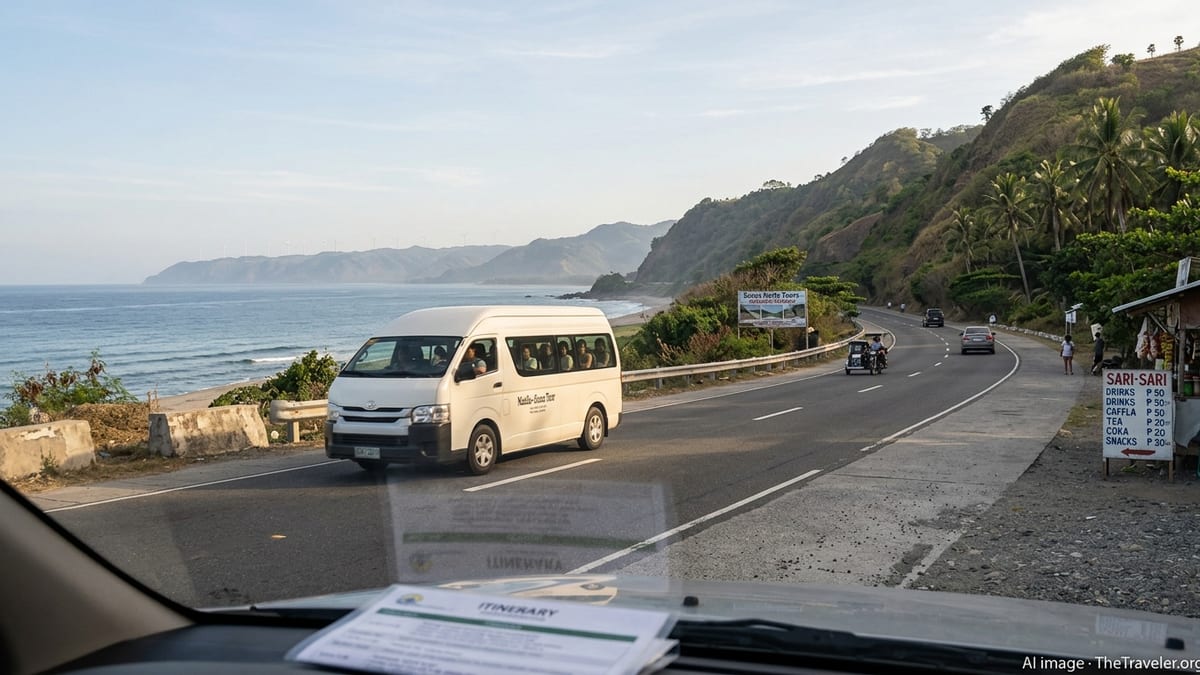
Ilocos Norte is keeping tour and accommodation rates steady despite soaring fuel prices, a move that reinforces the northern province’s reputation as one of the country’s most budget-friendly coastal getaways.
Get the latest news straight to your inbox!
Stable Prices Amid Rising Fuel Costs
Publicly available fuel monitoring data for Northern Luzon show a steep climb in pump prices across Region I in recent months, putting pressure on transport-reliant sectors such as tourism. At the same time, reports from local media and industry bulletins highlight concerns over higher operating expenses for tour vans, resort shuttles and small transport providers that link Laoag, Pagudpud and neighboring destinations.
Despite this backdrop, tour packages and room rates marketed for 2025 and 2026 trips to Ilocos Norte continue to reflect largely unchanged pricing structures. Sample itineraries that bundle Manila–Ilocos round-trip transport, multi-day tours around Laoag and Pagudpud, and basic accommodation still cluster within the same price bands published before the most recent fuel surge, suggesting operators are absorbing much of the added cost rather than passing it on directly to travelers.
Information from national agencies indicates that consumer inflation in Ilocos Norte has remained relatively low compared with many other parts of the Philippines. This relatively stable price environment appears to be giving provincial tourism businesses more room to keep headline rates in check even as they adjust internal budgets for fuel, utilities and supplies.
Local coverage on energy and fuel subsidies in Ilocos Norte further points to short-term relief measures that benefit both residents and small tourism enterprises. These steps, combined with careful cost management by tour companies and accommodation providers, have so far helped prevent a sharp upward reset in published tourism prices.
Tour Packages Hold the Line on Costs
Package-tour operators serving Ilocos Norte continue to advertise multi-day itineraries at rates comparable to those seen before the latest round of fuel increases. For example, recent listings for two-day and three-day land tours that cover popular routes from Manila to Ilocos, with stops in Laoag, Paoay, Pagudpud and nearby Ilocos Sur, show per-person prices that remain anchored within previously established ranges for different group sizes.
These packages typically bundle major fuel-related expenses such as van transport, toll fees and parking charges into a single published price. The fact that advertised totals have not surged in step with fuel costs indicates that operators are prioritizing price stability to remain competitive in a crowded domestic tourism market. Observers note that rather than revising base rates, some companies appear to be fine-tuning inclusions, travel dates or minimum group sizes to protect margins without making Ilocos trips feel suddenly out of reach.
Independent travel accounts and recent trip reports from visitors to Ilocos Norte further corroborate that on-the-ground rates for local tricycle tours, day trips and small-group excursions have remained within familiar brackets. While individual operators may adjust fees modestly based on distance or group size, there is little sign of the kind of sharp price hikes that tourists have begun to encounter in other fuel-sensitive island and beach destinations.
Industry watchers suggest that the province’s mix of road-based attractions, spread-out coastal towns and inland heritage sites makes transparent, all-in package pricing especially attractive. By keeping these tour rates stable, Ilocos Norte is positioning itself as a predictable choice for travelers who need to lock in budgets months in advance.
Accommodations Remain Competitive Across Budget Levels
On the accommodation side, publicly posted rates from hotels, guesthouses and tour-linked partner resorts in Laoag, Pagudpud and other Ilocos Norte hubs show continued focus on affordability. Standard rooms in budget and midrange properties still target price-sensitive domestic travelers, including families, student groups and first-time visitors from Metro Manila looking for an accessible long-weekend escape.
Provincial tourism materials and hotel listings indicate that a broad stock of transient houses, small inns and family-run beach resorts helps to anchor overall price levels. These smaller properties tend to keep nightly rates flexible but competitive, which in turn encourages package operators to maintain modest markups for bundled stays. As a result, travelers comparing destinations across Northern Luzon often find Ilocos Norte packages priced lower than similarly long trips to more remote island provinces where logistics and fuel costs weigh more heavily on room rates.
Travelers’ recent online posts describe an accommodation landscape in Ilocos Norte where it is still possible to secure basic but comfortable rooms near major attractions without premium pricing. For backpackers and budget-conscious groups, this combination of affordable lodging and stable tour costs translates into per-person trip budgets that remain close to pre-spike expectations, even as fuel prices rise nationwide.
Higher-end coastal resorts and boutique hotels in the province also appear to be pacing increases carefully. Instead of aggressive rate jumps, many are leaning on value-added inclusions such as breakfast, simple transfers or activity credits, allowing them to preserve advertised rate points while quietly managing higher operating costs behind the scenes.
Policy Environment Favors Accessible Tourism
Provincial reports on inflation and energy in Ilocos Norte highlight a broader policy environment that favors keeping everyday costs manageable. Recent provincial initiatives on energy efficiency and targeted transport support are framed as ways to cushion households and small businesses from the shock of rising fuel and power prices. Tourism enterprises, many of which fall into the small-business category, are among the indirect beneficiaries of these measures.
Publicly available provincial tourism documents outline efforts to streamline access to attractions, simplify transportation options and maintain reasonable visitor fees at government-managed sites. Entrance charges at key attractions have remained modest, and guidance materials for visitors continue to emphasize transparent pricing for services such as private car and van rentals used in heritage and coastal tours.
At the national level, programs promoting domestic travel and regional dispersal of tourists also encourage destinations to control cost drivers where possible. Observers note that Ilocos Norte’s decision to hold the line on tours and accommodations fits within a broader push to make travel outside the traditional big-city and island circuits more financially accessible to Filipino travelers.
With cruise calls, road trips and organized group tours all identified as growth areas for the province, maintaining a reputation for affordability is seen as a strategic advantage. Stable tourism pricing, even as fuel costs climb, supports that positioning and may help Ilocos Norte capture cost-conscious travelers who might otherwise delay or downgrade their travel plans.
What It Means for Travelers Planning a Northern Escape
For travelers planning visits in 2025 and 2026, the decision by tour operators and accommodation providers in Ilocos Norte to keep rates unchanged means overall trip budgets are easier to predict. Sample package pricing and documented on-the-ground experiences suggest that transportation, guided tours and lodging remain within reach for those willing to share vans, stay in modest properties or travel outside peak holidays.
Trip planners comparing Ilocos Norte with other Philippine destinations are likely to find that the province offers an appealing balance of cost and variety. Heritage centers such as Laoag and Paoay, the beaches of Pagudpud, and nearby attractions in the wider Ilocos Region can often be visited within a single, relatively affordable itinerary by road.
While travelers should still account for possible minor adjustments in ancillary fees or fuel surcharges, current information points to a destination working actively to shield visitors from the full impact of rising operating costs. For many would-be visitors, that approach strengthens Ilocos Norte’s image as a welcoming, value-oriented hub for culture, coastal landscapes and road-trip adventures in the far north of Luzon.
As fuel markets remain volatile, tourism stakeholders in the province are expected to continue monitoring cost pressures. For now, though, published rates and recent travel experiences converge on the same message: Ilocos Norte remains one of the country’s more affordable corners for travelers seeking a long drive, big skies and accessible seaside escapes.