

More news on this day
India is preparing for a new round of disruptive weather as the India Meteorological Department issues fresh advisories for heavy to very heavy rainfall, warning of potential floods, landslides and widespread travel delays across several states in the coming days.
Get the latest news straight to your inbox!
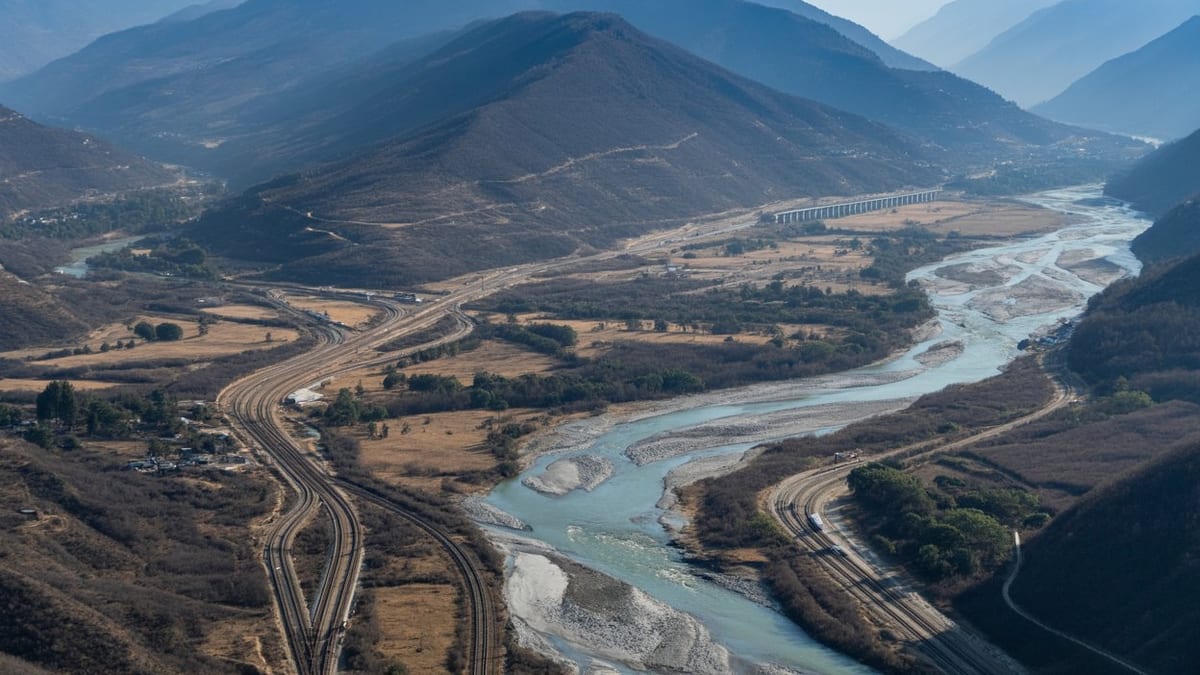
Image by Travel and Tour World – Tourism, Airline, Destination, MICE, Gobal Travel Market, Hotel news that you will find only over here.
Widespread Heavy Rainfall Forecast Across Regions
Recent bulletins from the India Meteorological Department indicate that a combination of western disturbances and moisture-laden easterly winds is expected to generate intense rainfall over parts of the Himalayas, eastern India and adjoining central states through the end of March. Forecasts highlight the likelihood of heavy to very heavy showers in pockets, raising the risk of flash floods in vulnerable catchments.
Publicly available outlooks point to Sub-Himalayan West Bengal and Sikkim, Arunachal Pradesh, Assam and Meghalaya, as well as sections of Bihar and Odisha, among the areas most likely to experience intense rain over short periods. Some advisories refer to “isolated very heavy falls,” a category that has previously been associated with rapid water level rises and sudden flooding in hilly terrain.
In addition to the northeast and eastern belt, forecast maps show significant wet spells over parts of east Rajasthan and adjoining Madhya Pradesh at intervals, especially where embedded thunderstorms develop. Meteorological analyses suggest that the overlapping influence of western disturbances with low-level moisture inflow from the Bay of Bengal is creating conditions similar to earlier high-impact rain events seen in recent pre-monsoon seasons.
While the heaviest downpours are expected to be scattered rather than uniform, the intensity and repetition of storms over the same locations could still produce disruptive runoff, particularly in districts with saturated soils and steep slopes.
Flooding and Landslide Risk in Vulnerable Terrain
Impact assessments attached to recent IMD advisories flag an elevated risk of localized flooding, waterlogging and landslides across several of the forecast zones. For the Himalayan foothills and hill states in the northeast, the combination of intense rain and fragile slopes is a particular concern, with past events showing how even a few hours of torrential rain can trigger slope failures, mudslides and debris flows.
Urban centers in eastern India are also highlighted as vulnerable to flash flooding and prolonged waterlogging when hourly rain rates exceed the capacity of drainage networks. Previous episodes in Kolkata, parts of Assam and low-lying pockets of Bihar have demonstrated how quickly arterial roads, underpasses and rail approaches can become impassable when cloudbursts coincide with high tides or already elevated river levels.
Advisories circulated through official weather platforms note the possibility of riverine flooding in some catchments if intense rainfall coincides with already swollen rivers. While detailed river-level guidance is typically issued by specialized hydrological agencies, the meteorological warnings emphasize that successive days of heavy showers can push smaller tributaries and mountain streams beyond safe limits, especially where encroachments or silted channels restrict natural flow.
Areas that experienced significant rain earlier in the month may face compounding impacts. Saturated soils reduce infiltration capacity, making additional rainfall more likely to run off rapidly into streams and culverts, heightening the chance of flash floods, embankment stress and renewed landslide activity along road cuttings.
Travel Disruptions Likely on Roads, Rail and Air Routes
Forecast-based guidance issued alongside the rainfall warnings underlines a strong likelihood of travel disruptions across multiple modes of transport. For major cities and key transit hubs in the affected states, heavy showers are expected to cause waterlogging on arterial roads and at low-lying junctions, slowing commuter traffic and increasing journey times, particularly during morning and evening peaks.
Experience from recent severe rain events in India, including cloudbursts in major metros and hillside flash floods, shows how quickly urban flooding can spill onto critical transport corridors. In previous years, intense downpours around Kolkata and hill districts of Uttarakhand led to diversions of rail services, suspension of some intercity buses, and delays or cancellations of flights due to poor visibility and runway waterlogging.
In hilly regions of the northeast and along Himalayan routes, landslide risk is a central concern for road connectivity. Reports from earlier seasons have documented instances where short but intense rain spells triggered slope failures that blocked national highways, severed village link roads and stranded tourists and pilgrims for hours or days. With similar rainfall patterns now being signaled in IMD outlooks, state agencies are expected to monitor notorious slide-prone stretches closely.
Air travel could also feel the impact if thunderstorms and heavy rain clusters form near major airports in eastern or northeastern India. Previous disruptions in these regions have included temporary diversions, delays linked to low clouds and lightning, and extended ground handling times when apron areas are waterlogged or winds are gusty.
Cities, Tourists and Remote Communities Urged to Prepare
Publicly available advisories emphasize basic preparedness measures for residents and travelers in the potential impact zones. These include checking traffic conditions before departure, allowing extra time for essential journeys, and avoiding flooded underpasses or poorly lit stretches during intense rain. People living near hill slopes, riverbanks or drainage channels are being encouraged by local awareness campaigns to remain alert to signs of ground movement or rapidly rising water.
For domestic and international travelers, the predicted weather pattern coincides with a period of elevated tourist movement to hill stations, wildlife reserves and pilgrimage sites. Travel industry reports indicate that operators in parts of the northeast, Sikkim and Himalayan foothill destinations are reviewing contingency plans, advising guests to keep flexible itineraries, monitor weather bulletins and be prepared for short-notice route changes or delays.
Remote communities in hilly and forested regions are considered particularly exposed, as even minor landslides can isolate villages by cutting narrow access roads and damaging small bridges. Civil society organizations and local administrations in some states have previously used community messaging networks and volunteer groups to disseminate weather information and safety tips; similar efforts are expected to play a role if rainfall intensifies again over coming days.
Emergency planners typically advise keeping mobile devices charged, securing important documents in waterproof packaging and maintaining basic supplies of food, water and essential medicines in areas where access could be temporarily disrupted by flooding or landslides.
Climate Patterns and Rising Extreme Rainfall Concern
Meteorologists and climate researchers continue to track a growing frequency of intense rainfall episodes over India, with recent studies using reanalysis datasets and advanced modeling to link large-scale atmospheric patterns to local extremes. Research published in early 2026 points to the value of event-level probabilistic prediction tools in anticipating heavy rain days and improving lead times for warnings, particularly over complex terrains where outcomes can vary sharply over short distances.
Analysts note that while individual weather systems are influenced by seasonal factors such as western disturbances and pre-monsoon convection, broader climate signals are contributing to a trend of heavier downpours concentrated in shorter windows. Historical examples, including severe flooding in Punjab in 2025 and deadly flash floods in Uttarakhand and other Himalayan states in recent years, are frequently cited in public discussions about infrastructure resilience and land-use planning.
For the travel and tourism sector, this evolving risk landscape is prompting calls for more climate-informed scheduling, diversified access routes and better dissemination of real-time weather information to visitors. Urban planners and transport authorities in several states have already begun to reassess drainage capacities, slope stabilization measures and emergency diversion plans in light of repeated disruption from extreme rainfall.
As India heads toward another monsoon season later in the year, the current wave of IMD alerts for heavy rain and associated hazards is being viewed by analysts as a reminder of the need for early preparedness. The coming days are expected to test how effectively forecasts, infrastructure and public awareness can work together to reduce the impact of floods, landslides and travel delays across diverse and densely populated regions.