

More news on this day
Seoul’s Incheon International Airport has edged ahead of longtime regional rival Singapore Changi Airport in the 2026 World Airport Awards cleanliness rankings, signaling a shift in how top Asian hubs are being recognized for hygiene and upkeep as global passenger numbers rebound.
Get the latest news straight to your inbox!
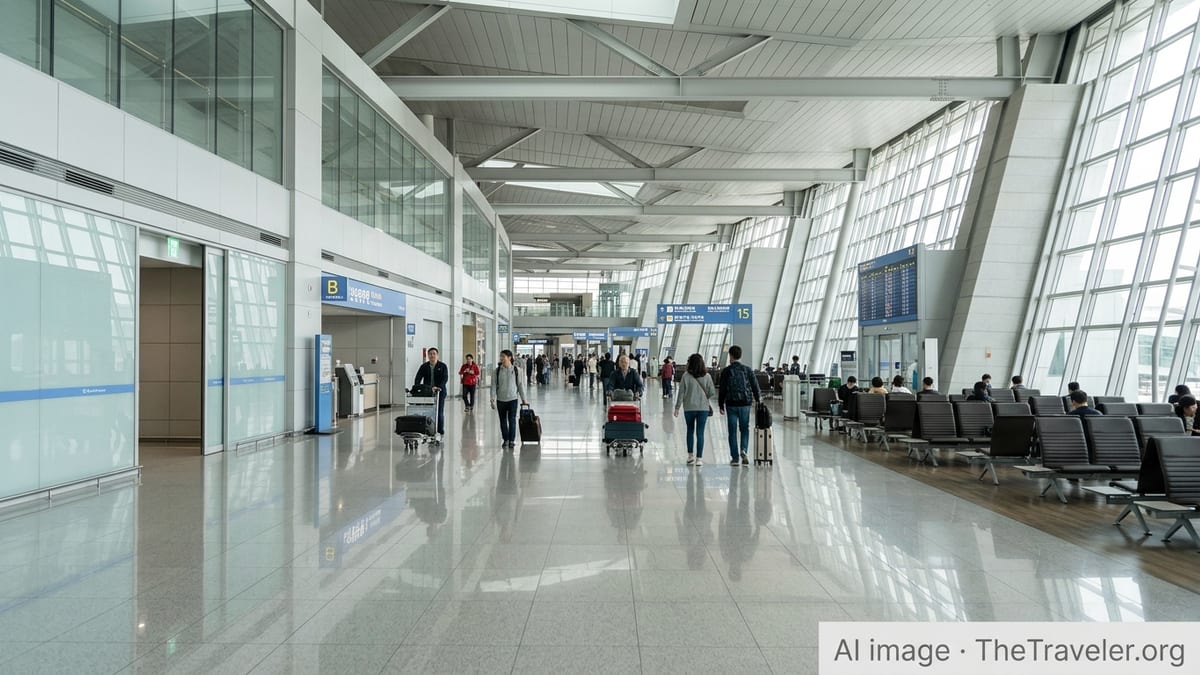
A New Leader in Airport Cleanliness
The latest edition of the World Airport Awards places Incheon International Airport at the top of the global cleanliness table, ahead of Singapore Changi, which has traditionally dominated public perceptions of spotless facilities. While both hubs still sit comfortably in the world’s upper tier, the revised order highlights how small but sustained improvements in hygiene practices can alter a closely watched benchmark.
According to publicly available information on recent rankings and industry commentary, the World Airport Awards remain among the most influential barometers of passenger sentiment, drawing on large-scale surveys that cover terminal cleanliness, restroom maintenance, waste management and general visual upkeep. In this environment, the margin between first and second place can be narrow, but symbolically powerful.
Incheon’s ascent comes as passenger traffic across Asia continues to expand, putting renewed pressure on cleaning regimes, rest cycles for facilities and real-time monitoring of busy choke points. Industry observers note that the airports vying for the top spots are less focused on basic janitorial services and more on integrating cleanliness into their wider operational and design strategies.
For travelers, the change in ranking is unlikely to mean a radically different on-the-ground experience overnight at either Incheon or Changi. Both airports already have reputations for polished terminal halls and well-maintained amenities. The shift is instead interpreted as recognition of incremental, behind-the-scenes progress in how Incheon manages hygiene at scale.
How Incheon Pulled Ahead
Publicly available coverage of Incheon’s recent development trajectory points to a combination of infrastructure upgrades and increasingly data-driven operations. Expanded terminal areas, modernized restrooms and upgraded ventilation systems have been layered with dense sensor networks and digital tools that track footfall and trigger cleaning cycles more dynamically.
Cleaning teams at Incheon are understood to rely increasingly on real-time dashboards that flag emerging hotspots such as immigration queues, security lanes and transfer corridors. This approach reduces visible wear and tear during peak hours and helps ensure that restrooms and seating zones are refreshed before they fall below passenger expectations.
At the same time, Incheon has been expanding its role as a long-haul and regional transfer hub, which has demanded tighter coordination across airlines, ground handlers and facility managers. Reports indicate that the airport has emphasized consistent cleanliness standards across all touchpoints, from check-in counters and automated bag drops to airside train systems and gates serving low-cost carriers.
These changes build on Incheon’s longer legacy in global quality rankings, where it has previously been recognized for overall service, transit efficiency and terminal design. The 2026 cleanliness result suggests that the Korean hub has succeeded in translating that broader reputation into a measurable edge in hygiene and maintenance.
What the Rankings Mean for Singapore Changi
Singapore Changi Airport’s slight slide behind Incheon in the cleanliness category comes as it continues to balance heavy passenger volumes with ongoing expansion and refurbishment projects. Public reports highlight that Changi remains one of the world’s busiest and most decorated airports by overall awards, with a strong brand built on comfort, attractions and efficient transfers.
Industry analysis suggests that even a marginal drop in a single category can reflect the impact of construction works, evolving passenger flows or short-term operational strains rather than a fundamental erosion of standards. In Changi’s case, large-scale projects and diversions may temporarily complicate cleaning routines in certain terminals, without dramatically changing the experience for most travelers.
Changi still scores highly across multiple quality dimensions, including transit convenience, retail mix and passenger amenities. The airport’s continued investment in refreshed terminal interiors, automated processes and nature-themed public spaces indicates that maintaining an overall premium environment remains a strategic priority.
For Singapore, the new cleanliness hierarchy underscores how intensely competitive the upper ranks of global airport awards have become. The difference between first and second place can hinge on incremental feedback over a single survey period, and the latest results are expected to motivate further fine-tuning of Changi’s already robust hygiene systems.
Cleanliness as a Competitive Differentiator
The 2026 cleanliness rankings highlight how hygiene has become a core competitive metric for major hubs rather than a background consideration. In the wake of the pandemic, passenger expectations around visible cleaning activity, air quality and restroom upkeep have remained elevated, and airports are responding by embedding cleanliness into both their technology stack and staff culture.
Across leading hubs such as Incheon and Changi, terminal design increasingly supports easier maintenance, with materials chosen for durability and ease of disinfection, and layouts that reduce bottlenecks where dirt and clutter can accumulate. Restroom zones, once treated as largely functional spaces, are now carefully monitored, benchmarked and upgraded as part of the broader passenger experience.
Data also plays a larger role in how cleanliness is managed. Many top-ranked airports now deploy occupancy sensors, mobile reporting tools and predictive analytics to forecast high-traffic periods and adjust cleaning schedules accordingly. The World Airport Awards cleanliness scores effectively reward those hubs that can keep pace with rising throughput without visible deterioration in standards.
For airlines and tourism boards, high cleanliness rankings have clear marketing value, especially in Asia where competition for transit passengers is intense. A top-tier score signals not only a pleasant environment but also robust processes that can support large volumes of travelers passing through tight connection windows.
Implications for Global Travelers
For international passengers choosing between routings through Seoul or Singapore, the latest cleanliness rankings may be one of several tie-breakers, alongside schedule convenience, fare levels and airline preferences. While both airports already enjoy strong reputations, Incheon’s newly secured top spot offers an additional point of reassurance for travelers who prioritize hygiene and well-kept facilities.
Travel industry watchers note that rankings tend to influence perceptions over time rather than cause immediate shifts in traffic patterns. Many passengers will continue to route through their preferred hub based on airline loyalty programs, visa policies or connection times. However, for first-time visitors to Asia or those with flexible itineraries, publicity around cleanliness leaders can subtly guide choices.
The recognition for Incheon also sends a signal to other regional competitors that gains are achievable with sustained focus, even against well-established leaders like Changi. Mid-ranking airports in Asia and beyond are likely to scrutinize the latest results for insights on how targeted investments in restrooms, public spaces and operations technology can translate into improved survey scores.
As the next survey cycle begins, attention will turn to whether Incheon can defend its newly won position and whether Changi will respond with renewed emphasis on its own cleanliness programs. For travelers, the rivalry ultimately translates into an environment in which two of the world’s most important hubs are continually refining how clean, comfortable and reassuring a modern airport can be.