

More news on this day
India and the United Arab Emirates are reshaping air links across West Asia, pairing new flight capacity and hub strategies with tighter passenger protocols to keep Dubai and other international gateways resilient amid recurring regional disruptions.
Get the latest news straight to your inbox!
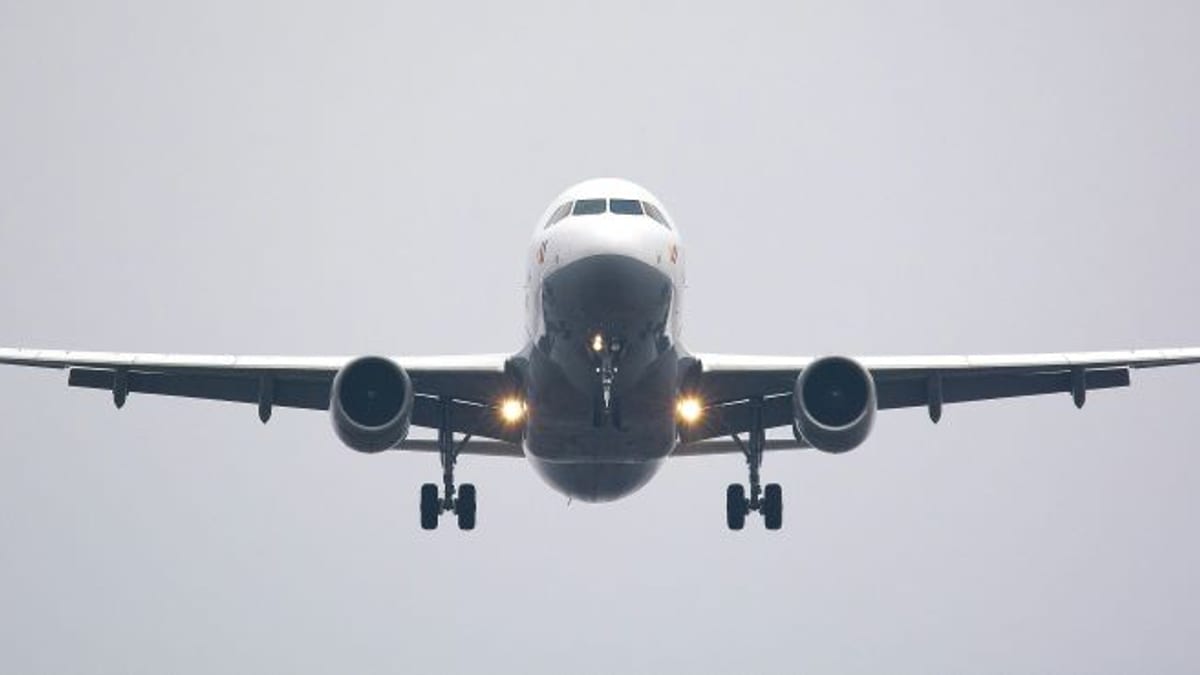
Image by Travel and Tour World – Tourism, Airline, Destination, MICE, Gobal Travel Market, Hotel news that you will find only over here.
Capacity Talks and New Routes Reshape the India–West Asia Corridor
India’s fast-growing aviation market is driving renewed efforts to deepen connectivity with West Asia, particularly the United Arab Emirates, even as geopolitical risks periodically unsettle airspace across the region. Analysts note that India–UAE traffic has outgrown fixed bilateral capacity levels set more than a decade ago, while millions of Indian expatriates and business travellers continue to rely on Dubai, Abu Dhabi and Doha as primary gateways between South Asia, Europe and North America.
Publicly available coverage shows that Dubai carriers currently operate tens of thousands of seats each week into Indian cities under a bilateral framework that has not been substantially updated since 2014, despite sustained demand growth. Indian carriers such as Air India, IndiGo and newer entrants including Akasa Air and upcoming start-ups are simultaneously expanding their Gulf networks, adding services to Abu Dhabi, Sharjah and emerging Saudi and Omani gateways to relieve pressure on the busiest India–Dubai city pairs.
Industry forecasts cited in regional business media suggest that passenger demand between India and the Gulf is expected to grow steadily through the next decade, potentially outpacing available seats if bilateral rights are not adjusted. This has prompted calls from both Indian and UAE stakeholders to revisit capacity limits so that additional frequencies can be opened on saturated routes such as Mumbai–Dubai, Delhi–Dubai and key south Indian links serving large overseas worker populations.
Indian policy documents for civil aviation in 2024 and 2025 also highlight West Asia as a priority region for enhanced connectivity, positioning Indian hubs as bridges between Southeast Asia, the Gulf and Europe. This strategy aligns with broader initiatives such as the proposed India–Middle East–Europe Economic Corridor, which envisions more efficient movement of people and goods via Gulf aviation hubs.
Dubai’s Resilience Playbook after Airspace Closures
Dubai International Airport has leaned on its experience managing past crises to maintain operations during recent Middle East airspace closures and missile incidents that have affected routings over parts of the region. Airport performance updates for 2025 and early 2026 describe record passenger volumes at Dubai International, even as temporary restrictions forced selective suspensions and large-scale rerouting for long haul traffic.
Reports on the aftermath of the so-called twelve-day conflict in mid-2025 detail how Dubai’s airport operations centre coordinated schedule changes, gate reassignments and ground handling in near real time, limiting overall traffic declines during the disruption period. Passenger numbers and aircraft movements dipped only slightly compared with planned levels, underlining how quickly the hub restored normal operations once airspace reopened.
More recent advisories from global firms tracking Middle East airspace closures indicate that February and March 2026 brought another wave of cancellations and delays across the wider region, with thousands of flights temporarily grounded. Even so, communications from Dubai Airports and major carriers based in the emirate emphasise that core operations at Dubai International and Dubai World Central have remained intact, supported by contingency schedules and efforts to rapidly clear backlogs as restrictions ease.
For Indian travellers, Dubai’s resilience has been critical. When routes crossing sensitive airspace were curtailed, airlines shifted to longer southern corridors or adjusted timings to maintain links from Indian metros to Dubai and onward to Europe and North America. This ability to reconfigure routings, often at short notice, has helped preserve India’s access to global networks that depend heavily on Gulf hubs.
Indian Carriers Balance Expansion with Disruption Management
India’s airlines are under pressure to expand their West Asia offerings while also strengthening their own resilience to shocks. Long-running constraints such as the closure and reopening of Pakistani airspace, which has periodically forced longer detours between India and Europe, have pushed carriers to reassess fleet planning and crew scheduling so that disruptions do not cascade across their networks.
Network updates issued by Air India in recent months describe efforts to optimise schedules for more efficient east–west connectivity via Indian hubs, with carefully timed departures from Delhi and Mumbai aimed at feeding both West Asia and long haul flights to Europe and North America. At the same time, public statements from the airline and regional regulators in early 2026 reference temporary suspensions on selected routes to the UAE, Saudi Arabia, Israel and Qatar in response to security developments and airspace restrictions, followed by phased resumptions as conditions stabilised.
Low cost and hybrid carriers are also recalibrating their Gulf strategies. Akasa Air has ramped up services to Abu Dhabi, while other Indian airlines have launched new non-stop links from cities such as Ahmedabad to Sharjah to tap demand from business travellers and overseas workers. Industry commentary suggests that two newly approved Indian start-ups plan to target the India–UAE market from 2026, which could trigger more competitive fares but also more complex schedule coordination in times of disruption.
The Indian government’s evolving passenger-protection rules form a parallel strand of resilience. Recent directives reported by domestic media require airlines to make a majority of seat selections available without additional fees and to provide clearer information on entitlements in regional languages. While framed primarily as consumer measures, such rules have implications for how carriers manage full flights on high-density routes to Gulf hubs when rebooking large numbers of disrupted passengers.
Essential Travel Protocols for Passengers Using International Hubs
With sporadic but impactful airspace closures now a recurring feature of Middle East aviation, both Indian and Gulf institutions are placing new emphasis on travel protocols designed to minimise confusion and congestion at hub airports. Government advisories and airlines’ own guidance consistently urge passengers to check real-time flight status through official channels and to avoid proceeding to the airport without a confirmed booking when disruption alerts are active.
During recent regional incidents, UAE aviation regulators announced exceptional operations at major airports to facilitate the departure of stranded travellers, while also calling for stricter control of terminal access to prevent overcrowding. Travel alerts from consulting firms and corporate mobility specialists describe measures such as pre-travel registration of contact information, advance seat assignment where permitted, and the use of flexible tickets to enable quicker re-accommodation when flights are cancelled or rerouted.
For India–West Asia itineraries that rely on Dubai as a connection point, travel planners now recommend allowing longer minimum connection times and considering overnight buffers when travelling onward to North America or Europe during periods of elevated geopolitical tension. Passengers are also encouraged to carry visas and travel documentation that allow for unplanned stays should they need to clear immigration during extended layovers caused by rolling schedule changes.
Health and security protocols remain an additional layer. While pandemic-era testing rules have largely receded, hubs in the Gulf and India continue to enforce standard identity, customs and baggage screening measures, with periodic enhancements during heightened alert periods. Travellers are advised to monitor airline and airport advisories for any temporary restrictions on cabin baggage, special checks on certain routes, or changes to check-in cut-off times that may accompany disruption-management plans.
Strategic Outlook: From Point-to-Point Growth to Hub Integration
Looking ahead, aviation planners in India and the Gulf appear to be moving from a focus on stand-alone route growth toward a more integrated hub-and-spoke strategy that links Indian cities, West Asian gateways and Europe under a coordinated framework. Air India’s network redesign, combined with Dubai’s push to maintain its status as the world’s busiest international airport, points to an emerging ecosystem in which schedule planning, passenger rights and crisis playbooks are increasingly intertwined.
The proposed India–Middle East–Europe Economic Corridor has injected additional momentum into this shift by framing air connectivity as a key pillar of a broader trade and infrastructure vision. Policy discussions in New Delhi, Abu Dhabi and Riyadh now routinely connect aviation capacity decisions with goals around logistics, investment and tourism, underscoring the strategic value of reliable air bridges across West Asia.
For travellers, the practical outcome is likely to be a mix of more choice and more rules. New routes and added frequencies should gradually relieve pressure on some of the busiest India–Gulf city pairs, but passengers will also encounter tighter booking, documentation and airport-access protocols whenever regional tensions flare. The experience of 2025 and early 2026 suggests that India and Dubai’s aviation stakeholders are increasingly prepared to recalibrate schedules and activate contingency plans while keeping the core India–West Asia corridor open, even in turbulent times.