

More news on this day
India is preparing for a major leap in overnight rail travel as the Ministry of Railways confirms plans to manufacture two hundred sixty Vande Bharat sleeper trainsets, expanding the country’s flagship semi high speed program into long distance night services.
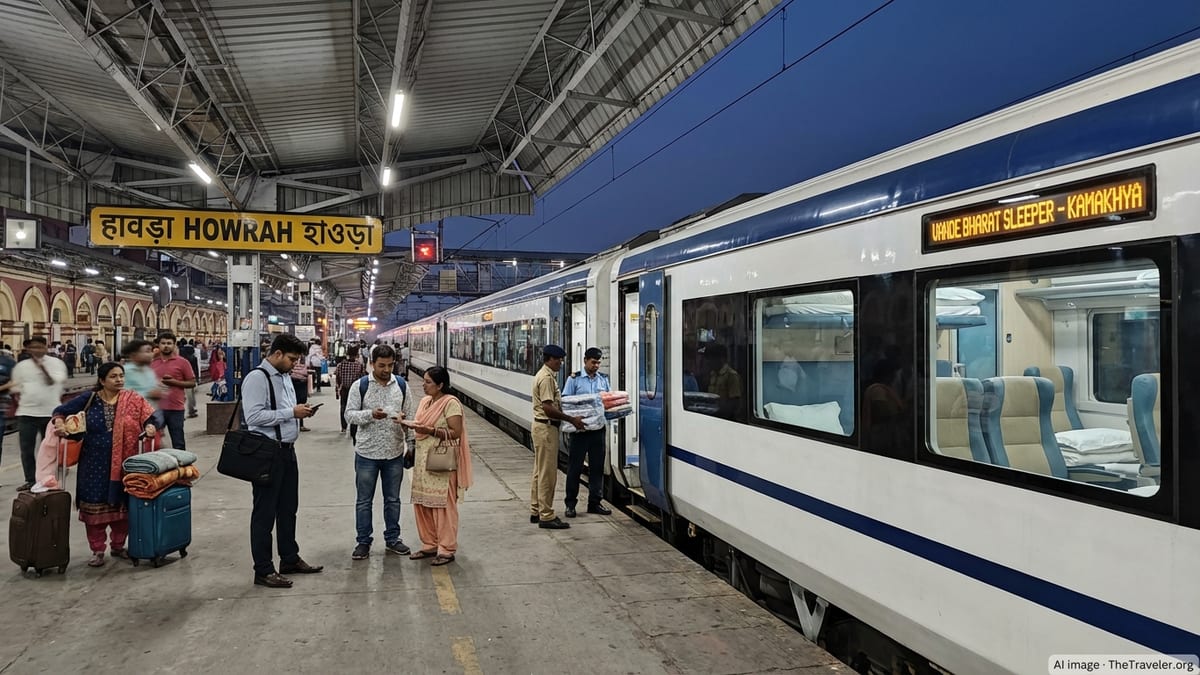
Building on the successful debut of the first sleeper-equipped Vande Bharat Express between Howrah and Kamakhya in January 2026, the new rollout promises faster journeys, improved comfort and a consistent upgrade of overnight rail standards across the national network.
More News
- Caribbean Travel to U.S. Upended by New Visa Freezes and Expanded Bans
- Mexico Restores E-Visas for Brazilians, Paving the Way for Borderless Tourism
- Philippine Airlines Joins Regional Carriers Powering Southeast Asia’s Tourism Boom
A New Chapter for India’s Flagship Train Program
The Vande Bharat brand has, until now, largely been associated with daytime chair car services connecting major cities at semi high speed. With the introduction of sleeper-equipped rakes and a confirmed production plan for 260 trainsets, Indian Railways is signaling that the same design philosophy of speed, safety and comfort will increasingly define overnight travel as well.
In a recent statement to Parliament, Railway Minister Ashwini Vaishnaw outlined that the sleeper version has been indigenously designed specifically for long distance routes of up to about 1,500 kilometers. Two rakes have already entered service on the Howrah Kamakhya route, and the remaining 258 are to be manufactured in phases, aligning with network capacity, demand patterns and manufacturing readiness at key production units.
The move comes at a time when Vande Bharat chair car services are already operating in large numbers across India, with high occupancy levels on many routes and a parallel initiative to lengthen some trains to as many as 20 coaches. Extending the concept into overnight corridors is seen as the logical next step in modernizing India’s railways while easing pressure on legacy mail and express services.
Phased Rollout and Manufacturing Strategy
The two hundred sixty Vande Bharat sleeper trainsets will not appear on the network overnight. Instead, Indian Railways has committed to a carefully sequenced program that begins with prototype development, followed by extensive trials, then series production across multiple facilities and technology partners.
According to the latest updates shared by the Railways, the manufacturing program is being executed through entities such as the Integral Coach Factory in Chennai and BEML, alongside other partners responsible for propulsion and advanced onboard systems. Earlier contracts for propulsion equipment for dozens of 24 coach sleeper rakes underline the scale of investment and the long term vision to standardize a new generation of high capacity night trains.
Officials indicate that the expansion will be guided by demand and operational readiness, meaning that routes with heavy overnight traffic and saturated waiting lists are likely to see priority for the new trains. Full scale production for some longer, 24 coach configurations is expected to move into high gear in the 2026 to 2027 window, with the 260 rake plan stretching over several years as infrastructure, maintenance capacity and station facilities are upgraded in tandem.
Design Focus: Faster, Quieter and More Comfortable Nights
The Vande Bharat sleeper concept is built around higher speeds, but comfort has been a central design theme from the outset. The first 16 coach sleeper sets that underwent trials on sectors such as Mumbai Ahmedabad showcased a three class configuration featuring AC First Class, AC 2 Tier and AC 3 Tier, all fully air conditioned and outfitted with modern berths, wide windows and improved ride quality.
Noise reduction measures, vibration control and enhanced suspension systems are intended to deliver quieter nights at semi high speed, while the trainsets incorporate crash energy management features such as crash buffers and deformation zones alongside robust fire safety measures. These elements, originally refined on chair car variants, have been adapted and extended for sleeper layouts with longer consist lengths.
Inside the coaches, passengers can expect ergonomic berths, better lighting, charging points, modern toilets and improved privacy features compared with many conventional long distance trains. Large windows and integrated luggage spaces are designed to appeal to both first time train travelers and regular users who may currently rely on older express services.
Onboard Services, Cleanliness and Catering Upgrades
The sleeper expansion is also tied to a broader rethinking of onboard services on India’s premier trains. The Railway Board has already approved a standardized on board housekeeping system for flagship services such as Vande Bharat, including sleeper variants. From late 2025, these trains are set to have dedicated cleaning staff at a higher ratio per coach than many existing services, supervised by an onboard housekeeping supervisor to maintain international style cleanliness standards throughout the journey.
For overnight services, linen management and regular restroom upkeep will be critical components of the passenger experience. Policy proposals already envisage at least one linen attendant per coach in sleeper configurations, ensuring quicker turnaround of bedding, pillows and housekeeping requests during the night and early morning.
Catering is being refined too. Recent reports of menu revisions on the Kamakhya Howrah Vande Bharat sleeper have highlighted Indian Railways’ willingness to respond quickly to passenger feedback, including restoring non vegetarian options and tailoring regional dishes to specific sectors. With more sleeper trains set to roll out, passengers can expect curated menus, pre booking options through ticketing platforms and tighter quality control, reflecting the positioning of Vande Bharat as a premium but widely accessible product.
Initial Routes and Network Integration
The first operational Vande Bharat sleeper service between Howrah in West Bengal and Kamakhya in Assam has already provided a real world demonstration of how the new trains fit into India’s rail map. Covering nearly 1,000 kilometers with a journey time of around 14 hours, the service targets a classic overnight corridor where passengers traditionally travel in conventional AC coaches on slower trains.
The Ministry of Railways has also been working on plans for a sleeper service originating from Delhi, with potential long distance destinations including Ahmedabad, Bhopal and Patna via Varanasi. These routes, generally in the range of 1,000 kilometers or more, are seen as ideal candidates for semi high speed overnight operations that can shave hours off existing schedules while freeing up capacity on parallel services.
As further rakes become available, the network is expected to see a mix of 16 coach and 24 coach Vande Bharat sleeper formations assigned to high demand sectors radiating from metros such as Delhi, Mumbai, Chennai, Kolkata, Bengaluru and Hyderabad. The rollout will require adjustments in maintenance depots, platform lengths, stabling lines and power supply systems to ensure reliable day to day operations at higher speeds.
Economic Impact and Modernization Goals
The two hundred sixty train sleeper plan is part of a broader modernization drive that links rolling stock upgrades to revenue growth, safety targets and the national goal of improving connectivity between economic hubs and emerging regions. Indian Railways expects passenger earnings to rise over the coming years as more premium and semi premium services enter the timetable, including both chair car and sleeper variants of Vande Bharat along with the new Amrit Bharat category.
Higher capacity, better punctuality and faster turnaround times are expected to attract passengers away from buses and short haul flights on key corridors, especially where overnight trains can offer a competitive door to door experience. For business travelers, students, migrant workers and tourists, the promise of a faster and more predictable night journey with upgraded amenities could reshape travel patterns on some of India’s busiest intercity routes.
From an industrial standpoint, the long production run of 260 sleeper trainsets will support domestic manufacturing ecosystems in locations such as Chennai and Latur, as well as technology partners involved in propulsion, braking, interiors and digital control systems. Officials and industry executives describe the Vande Bharat program, including the sleeper segment, as a showcase for India’s ability to design, engineer and mass produce sophisticated rolling stock for both domestic and potential export markets.
What Travelers Can Expect in the Coming Years
For travelers planning journeys over the next few seasons, the most visible change will be the gradual appearance of Vande Bharat sleepers on marquee overnight routes. In the near term, the Howrah Kamakhya service will remain the flagship example, with additional services likely to follow between metro pairs and important regional centers as production scales up.
Timetables are expected to highlight reduced end to end travel times, semi high speed sections and a more predictable schedule profile, supported by upgraded tracks, signaling and dedicated maintenance regimes. As more trains enter service, Indian Railways is also likely to refine fare structures to position Vande Bharat sleepers between traditional AC classes and private premium products, balancing affordability with higher operating and capital costs.
Passenger feedback from early adopters will play an important role in shaping final interior layouts, service protocols and digital features such as onboard entertainment, real time journey information and app based service requests. Experience from the chair car variant suggests that incremental upgrades and iterative design improvements will continue even as series production ramps up.
FAQ
Q1. What exactly are Vande Bharat sleeper trains?
Vande Bharat sleeper trains are semi high speed, fully air conditioned overnight trainsets that combine the faster, modern design of the existing Vande Bharat daytime services with sleeper coaches across First AC, AC 2 Tier and AC 3 Tier classes for long distance night travel.
Q2. How many Vande Bharat sleeper trains is India planning to manufacture?
The Ministry of Railways has announced plans to manufacture a total of two hundred sixty Vande Bharat sleeper trainsets, to be introduced in a phased manner over several years based on demand and operational readiness.
Q3. Which route has the first operational Vande Bharat sleeper service?
The first operational Vande Bharat sleeper service runs between Howrah in West Bengal and Kamakhya in Assam, covering close to 1,000 kilometers with a journey time of about 14 hours and offering exclusively air conditioned sleeper accommodation.
Q4. How will these sleeper trains improve travel times?
The sleeper variants are designed as semi high speed trainsets capable of running at higher speeds on upgraded sections of track, which, combined with fewer extended halts and better acceleration, can cut several hours off comparable journeys on conventional overnight trains.
Q5. What comfort features can passengers expect on board?
Passengers can expect modern, air conditioned coaches with ergonomic berths, improved suspension for a smoother ride, large windows, enhanced lighting, charging points at berths, upgraded toilets, and better luggage storage, along with improved privacy and safety features.
Q6. How is cleanliness being addressed on Vande Bharat sleeper trains?
Indian Railways is introducing a standardized on board housekeeping system for its top tier services, including Vande Bharat sleepers, with a higher ratio of cleaning staff per coach, dedicated linen attendants in sleeper coaches and an onboard supervisor to maintain cleanliness throughout the journey.
Q7. Will food be available on these trains, and can passengers choose their meals?
Catering is provided on Vande Bharat sleeper services, with menus that are being refined to include both vegetarian and non vegetarian options and regionally inspired dishes, and passengers are expected to have increasing options to select and pre book meal preferences during ticket booking.
Q8. When will more routes get Vande Bharat sleeper services?
Additional routes will receive Vande Bharat sleeper trains as more rakes roll out of production lines, with priority likely given to high demand overnight corridors from major hubs such as Delhi, Mumbai, Kolkata, Chennai and other metropolitan centers where long distance rail demand is strong.
Q9. How do Vande Bharat sleepers differ from traditional overnight express trains?
Compared with traditional overnight mail and express services, Vande Bharat sleepers are purpose built trainsets with higher design speeds, modern crash and fire safety systems, fully air conditioned interiors, contemporary design, and a stronger focus on punctuality, cleanliness and onboard service quality.
Q10. Will fares be significantly higher than existing AC sleeper classes?
Fares are expected to be positioned above many conventional AC sleeper services due to higher comfort and operating costs, but Indian Railways is also likely to keep pricing competitive so that Vande Bharat sleepers attract a broad mix of travelers who value faster, more comfortable overnight journeys.