

India can feel overwhelming on arrival, but a little knowledge about tourist passes, monument tickets and metro cards turns chaos into something far more manageable. From skipping queues at the Taj Mahal to riding Delhi’s metro with a single tap, understanding how ticketing works will save you time, money and frustration while opening up the country’s most impressive sights.
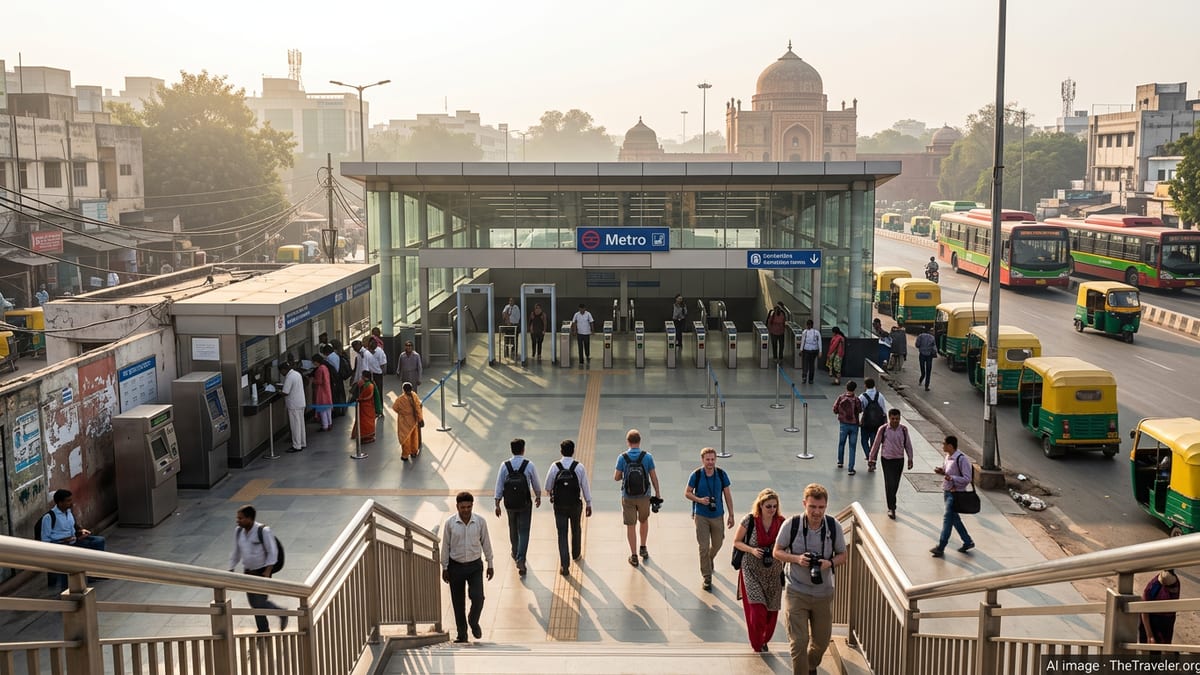
Understanding India’s Ticketing Landscape
India does not have a single nationwide tourist pass that covers all sights and transport, but it does offer a growing patchwork of digital tickets, metro smart cards and local passes that can make travel much smoother. The most important systems for most visitors are the Archaeological Survey of India (ASI) monument tickets, city metro cards in places like Delhi and Bengaluru, and a range of online booking options that cut down time in queues. The key is to understand which passes actually help you and which are easy to skip.
At a national level, the ASI manages thousands of centrally protected monuments and museums, with roughly a hundred and more of the most popular sites using paid entry. These include headline attractions such as the Taj Mahal in Agra, Red Fort and Qutub Minar in Delhi, and many forts, caves and temples across the country. Ticket prices vary by monument and nationality, but the basic structure is similar: a lower rate for Indian citizens and residents, a middle band in some cases for visitors from neighboring countries, and a higher rate for other foreign tourists.
Urban transport is run at state and city level, so metro cards and local transport passes are specific to each city. Delhi Metro, Namma Metro in Bengaluru, Mumbai Metro and others use their own smart cards or tokens, sometimes alongside bank-issued National Common Mobility Cards. For a short visit, you will rarely need more than a local metro tourist card, ride-hailing apps and the occasional intercity train ticket.
Because systems are evolving quickly, especially digital ticketing, you should think of India’s passes as tools in a toolbox rather than a single magic card. Before each city or region, check which combination of online monument tickets, metro cards and local apps will save you the most time. With that mindset, the country becomes much easier to navigate.
Monument Tickets: ASI Sites, Pricing and Online Booking
For most international visitors, ASI monuments will be a major part of any itinerary. The Taj Mahal, Agra Fort, Fatehpur Sikri, the caves of Ajanta and Ellora, and the great forts of Rajasthan are all within this network. Entry fees are tiered by nationality, with Indian citizens paying the least, followed by visitors from some regional groupings at an intermediate level, and other foreign tourists paying the highest rate. High-profile monuments such as the Taj Mahal may also have surcharges for access to specific inner areas, like the main mausoleum platform.
In early 2026, India expanded online ticketing by integrating more than 170 ticketed ASI monuments and museums into a common digital network, allowing visitors to purchase entry through multiple popular payment and travel platforms. This builds on earlier systems that already allowed online booking for star attractions, and it now covers a wider range of sites across the country. For travelers, the practical benefit is shorter waits at ticket counters, clearer pricing before you arrive, and less need to carry exact cash to remote locations.
When buying tickets, check carefully for time slots and name details. Some monuments require you to select an entry window, especially at busy sites like the Taj Mahal, where crowd control is strict. Your passport name should match your ticket if the platform asks for it. Screenshots or downloaded PDFs are usually accepted at the entrance, though in some places you may still be directed to a small verification counter if staff need to scan a code.
Be aware that India occasionally offers free entry days for all ASI monuments and museums on national cultural occasions. These can be wonderful if you are on a tight budget, but they also draw large crowds; if you value a calmer experience at iconic sites, you may prefer to visit on regular days and pay the standard fee instead of joining the crush.
Metro Cards and Tourist Passes in Major Cities
India’s big cities increasingly rely on metro networks to move millions of people each day, and tourists can benefit from the same systems. Delhi, Bengaluru, Mumbai, Hyderabad, Chennai, Kochi and others operate modern metros with contactless entry gates, smart cards and, increasingly, QR-code tickets. Each system is governed locally, so ticket types and prices differ, but the general pattern is the same: single-journey tokens, reloadable smart cards and, in some cities, short-term tourist passes.
Delhi Metro remains the most important system for many visitors, thanks to its extensive network across the National Capital Region. Travelers can choose between paper or digital QR tickets, reusable smart cards and special tourist cards. Official tourist smart cards provide unlimited rides on the metro network, typically for one day or three days of intensive sightseeing, and include a modest refundable security deposit. These cards are particularly useful if you are moving frequently between Old Delhi, central districts and major attractions such as Qutub Minar or Akshardham, where traffic congestion can make road travel slow.
Other metro systems, such as Namma Metro in Bengaluru and lines in Mumbai, focus more on standard stored-value smart cards rather than dedicated tourist passes, but short-term visitors can still take advantage of contactless cards for convenience and small fare discounts. Recharging is often possible at vending machines, station counters or via popular payment apps. Where tourist-specific passes do not exist, a regular smart card loaded with more credit than you think you need is usually the simplest solution, especially if you are in town for several days.
Across Indian metros, there is a gradual shift toward the National Common Mobility Card, a contactless bank card format that can be used to pay fares directly at some gates without needing a separate metro card. However, coverage is not yet complete and experiences can vary. For short trips, most visitors are still better off with the official metro-issued smart card or tourist pass in each city, rather than relying on bank-linked solutions that may require local verification steps.
Delhi Metro: Practical Tips for Tourist Smart Cards
Delhi Metro is often the first serious test of public transport skills for visitors to India. The network links the airport with central Delhi, Old Delhi and outlying neighborhoods, and a little planning makes it far less intimidating. Tourist cards and smart cards let you bypass token queues and avoid repeated small transactions. Tourist cards are geared toward short, intensive sightseeing and usually offer unlimited rides for one or three calendar days, while regular travel cards use stored value and per-ride fares, often with a small discount compared with single tokens.
You can normally purchase Delhi Metro tourist cards and standard smart cards at station ticket counters, especially at major interchange hubs and airport or railway-connected stations. You will pay a refundable security deposit for any reusable card; this deposit is returned if the card is in acceptable physical condition and you surrender it during working hours at a staffed counter. Service policies can evolve, so it is worth asking about deposit refunds and whether unused balance can be returned or only spent down on rides.
Tourist cards usually exclude the dedicated Airport Express line, which often has separate fares and slightly different ticketing rules. If you plan to take the airport link more than once, ask about combined options at the airport metro counter or consider loading enough value onto a standard smart card to cover those trips. Many travelers simply purchase a single-journey airport token on arrival and then switch to a tourist or smart card the following day for city sightseeing.
Delhi has also embraced QR-code tickets and mobile payments, so you will sometimes see signs promoting app-based QR travel, as well as third-party branded bank cards that double as metro cards. These can work well for residents who already use the underlying bank accounts, but short-term visitors often find them confusing. When in doubt, ask specifically for the official Delhi Metro smart card or tourist card to keep things simple and avoid products that tie you to a particular payment app or telecom provider.
Other Urban Transport: Buses, Suburban Rail and Local Quirks
Beyond metros, Indian cities rely heavily on buses, suburban rail and a patchwork of auto-rickshaws and taxis. Some regions are tentatively integrating these networks with smart cards and common mobility cards, but most systems still require separate tickets or payments. For most short trips, you are unlikely to find a single pass that covers every form of transport, so think in terms of metro plus ride-hailing or autorickshaws rather than expecting full integration.
In Delhi, a common ticketing arrangement between the metro and certain city buses allows some commuters to use the same smart card across both modes. While this is helpful for residents, tourists rarely need to understand the full details; you can simply tap your metro card where accepted or pay cash or digital fares on buses when required. In Bengaluru, Mumbai and other major cities, metro smart cards are sometimes accepted on feeder buses or parking facilities, but coverage changes as pilot projects expand.
Suburban rail networks, especially in Mumbai and Chennai, operate largely on old-style paper tickets or simple digital codes purchased through railway apps. These systems can be immensely useful but are not usually integrated with city metros or tourist cards. If you plan to use Mumbai’s suburban trains extensively, consider learning the basics of class distinctions and pass options in advance, as separate tourist tickets or holiday passes are periodically offered for these lines.
Auto-rickshaws and taxis are rarely included in any formal tourist pass. Fares are either metered or negotiated, and in many cities, ride-hailing apps provide the clearest pricing for visitors. While it would be convenient to tap a metro card everywhere, India is not quite there yet, so accept that your slick contactless metro journeys may be followed by more old-fashioned, cash-or-QR-based rides on the street.
Entry Tips: Queues, Security, Scams and Cultural Nuance
Monuments and metros share a common feature in India: queues and security checks. At major ASI sites, you can expect bag scans, separate lines for men and women, and occasionally separate lines for foreign visitors or for those with online tickets. Using online booking can shorten your time at the gate, but it does not eliminate security. Arrive early at iconic sites, particularly the Taj Mahal at sunrise, to avoid the hottest part of the day and the heaviest crowds.
Always carry a physical photo ID, ideally your passport, when visiting high-profile monuments. Staff may check that your ticket category matches your nationality, and random verification is more common at places with higher entry fees. At some sites, camera tripods, drones, and large bags are restricted or banned. Lockers are sometimes available but not guaranteed, so try to travel light on major sightseeing days, especially when you plan to combine metro journeys with monument visits.
At metro stations, security checks are routine but usually quick: bags pass through scanners and passengers walk through metal detectors. Lines move fast during rush hour but they can feel intimidating. Keep your card or ticket ready in a separate hand to avoid fumbling at the gate. Peak metro hours on weekdays can be very crowded; if you are not comfortable with packed carriages, time your journeys outside the office rush and use the designated women-only coaches where appropriate.
Unfortunately, the popularity of India’s metros and monuments has also attracted opportunistic touts and sales pitches. Around some Delhi Metro stations, travelers report being steered toward particular branded bank or payment cards instead of the simple metro smart card they requested. Similarly, at big monuments, unofficial guides may insist that you must hire them or purchase specific “fast-track” services. The safest strategy is to deal only with official counters, politely insist on the product you want, and step aside to decide in your own time if anyone pressures you.
Digital Payments, Apps and Staying Flexible
India is one of the most dynamic markets in the world for digital payments. You will see QR codes and mobile payment options everywhere, from teashops to ticket windows. This can be incredibly convenient, but it can also lead to confusion if you arrive without a local SIM or if your foreign card does not work smoothly with local apps. For tourist passes and tickets, the simplest approach is usually to buy online through widely used platforms or directly at official counters, and to treat any extra payment apps as optional rather than essential.
Many metros and state transport bodies maintain their own apps with route maps, fare calculators and sometimes in-app ticketing or QR-code generation. These are worth downloading if you plan to spend several days in a city. For example, a metro app might show first and last train timings, crowd levels and station details such as which gate to use for a nearby monument. Even if you continue to rely on a physical card for tapping in and out, the app can serve as your trip planner.
When using digital platforms to buy monument tickets, always double-check that you are on an official or clearly authorized partner site, even if you are accessing it through an aggregator. Avoid sites or individuals who promise “guaranteed entry” or “no-queue VIP” tickets at a large markup unless they are clearly recognized, as many such offers are simply reselling standard tickets with a hefty service fee. If you are unsure, revert to booking directly through the channels listed by official tourism or culture authorities.
Above all, keep a flexible mindset. Systems evolve quickly, particularly in the largest cities, and locals will often have more up-to-date knowledge than any printed guidebook. If staff at a metro counter tell you that a particular pass has been replaced by a new QR-based system or that a monument has switched entirely to digital-only tickets for same-day entry, accept the change and adapt. India rewards travelers who can adjust on the fly.
The Takeaway
Navigating India’s tourist passes and tickets is less about collecting the perfect card and more about mastering a few core systems. Online monument ticketing for ASI sites cuts down queues and clarifies prices before you arrive. City metros, especially in Delhi, offer smart cards and tourist passes that free you from fumbling for change and queuing for tokens. Other transport still relies on a mix of paper tickets, cash, and app payments, but that patchwork is workable once you know what to expect.
Plan your approach city by city and monument by monument. For each stop on your itinerary, ask yourself whether buying tickets in advance, grabbing a metro tourist pass, or simply relying on a regular stored-value card will save you more time than it costs in effort. Combine that with sensible habits around security checks, ID, and avoiding pushy unofficial sales, and you will find that India’s crowds and complexity become part of the adventure rather than an obstacle.
With realistic expectations and a willingness to learn the local quirks of each system, you can glide through metro gates, skip the worst ticket lines at iconic monuments and focus on what you came for: the architecture, the street life and the constant, exhilarating energy that defines travel in India.
FAQ
Q1. Is there a single nationwide tourist pass that covers all Indian monuments and transport?
India does not currently offer a universal pass that covers all monuments and public transport. Instead, you will use a combination of ASI monument tickets, city-specific metro cards or tourist passes, and separate tickets for buses, suburban rail and intercity trains.
Q2. Should I buy ASI monument tickets online or at the gate?
Online booking is recommended for popular ASI sites, especially the Taj Mahal and major forts, because it reduces time spent in ticket queues and lets you see prices and time slots in advance. At quieter monuments, buying at the gate is usually straightforward.
Q3. Do foreign visitors pay more to enter Indian monuments?
Yes, most major ASI monuments use tiered pricing, with Indian citizens paying the lowest fee and foreign visitors paying a higher rate. Some sites also have an intermediate rate for visitors from certain neighboring country groups.
Q4. What is the advantage of a Delhi Metro tourist card compared with single-journey tokens?
A Delhi Metro tourist card allows unlimited rides for a fixed period, typically one or three days, which is ideal if you are sightseeing intensively. It also saves you from lining up for tokens and calculating fares each time you ride.
Q5. Can I use a Delhi Metro tourist card on the Airport Express line?
Most tourist cards focus on the main metro network and do not include travel on the Airport Express line, which has separate fares. You may need a separate token or to load enough balance on a standard smart card for airport journeys.
Q6. Are metro smart cards interchangeable between different Indian cities?
In general, no. Standard metro smart cards are issued by each city’s metro operator and work only on that system. Some bank-issued common mobility cards can be used in multiple cities, but these are not as straightforward for short-term visitors.
Q7. Do I need to carry my passport when visiting monuments?
It is wise to carry your passport or a clear physical copy when visiting major monuments, as staff may check that your ticket category matches your nationality or request ID during security checks.
Q8. How crowded are Indian metro systems during peak hours?
During weekday rush hours, metro trains in big cities can be extremely crowded, with packed carriages and busy platforms. If possible, plan sightseeing journeys outside peak commuting times for a more comfortable experience.
Q9. Are digital payments widely accepted for tickets and passes?
Yes, digital payments are now common at many ticket counters and in apps, especially in large cities. However, it is still useful to keep some cash on hand for smaller stations, older systems and places where connectivity is poor.
Q10. How can I avoid scams when buying metro cards or monument tickets?
Always use official ticket counters, metro customer care desks or clearly authorized online platforms. Politely decline unsolicited help from touts, and insist on the specific product you want, such as an official metro smart card or a standard monument ticket, before paying.