

India’s tourist e-Visa has made visiting the country significantly easier for millions of travelers, replacing consulate visits with a streamlined online process. Yet requirements, fees and technical quirks still trip up many first-time applicants. This guide brings together the latest information for 2026 so you can apply confidently, avoid common mistakes and focus on planning your journey through India’s cities, coasts and mountains instead of wrestling with paperwork.
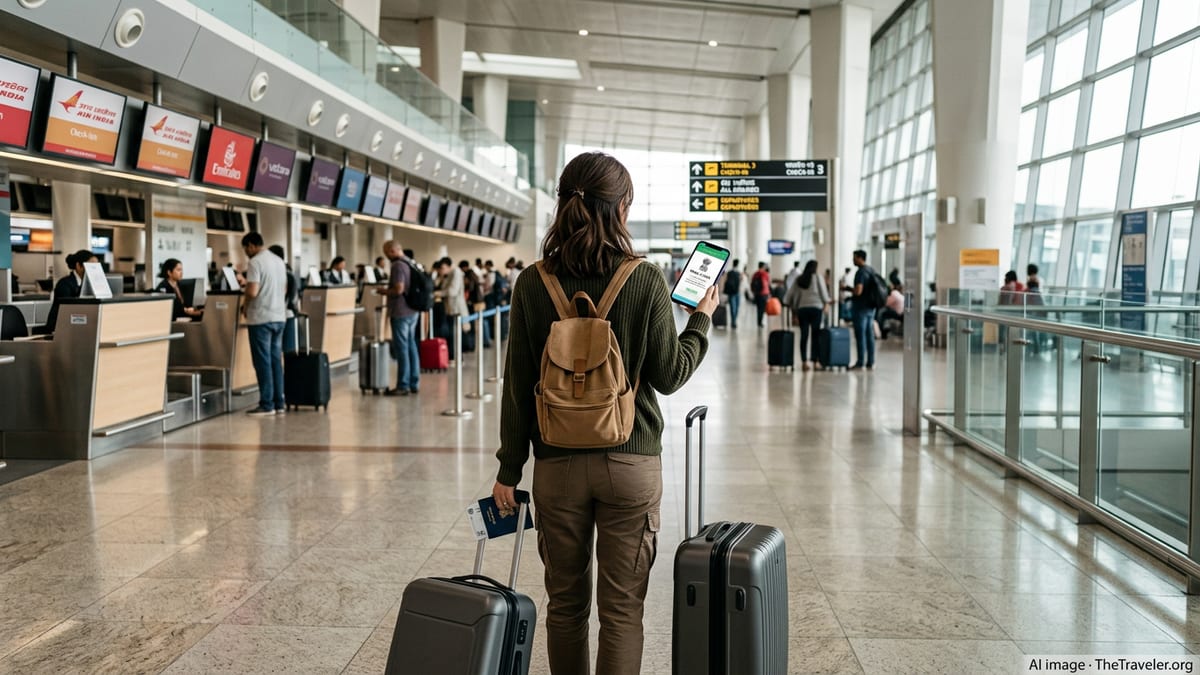
Understanding India’s Tourist e-Visa in 2026
India’s tourist e-Visa is an electronic travel authorization that allows nationals of many countries to apply for short stays online instead of visiting an embassy or consulate. The system covers typical leisure trips such as sightseeing, meeting friends or family, attending short yoga retreats, or joining group tours, and it continues to be the most common way casual visitors enter India in 2026.
The e-Visa approval is issued as a digital document linked to your passport number rather than a physical sticker. After approval you receive a confirmation by email, which you print or save on your phone to show at check in and on arrival. Indian immigration officers scan your passport, capture fingerprints and a photo, and place an entry stamp in your passport at the airport or other e-Visa enabled checkpoint.
For tourists there are two main e-Visa durations currently in circulation: a 30 day tourist e-Visa and a one year multiple entry tourist e-Visa. Availability of a longer five year e-Visa, which has existed in the past, varies and in recent months some travelers report only seeing 30 day and one year options in the online form. Because rules and options can shift, it is important to read the latest notes on the official portal while applying.
The tourist e-Visa is designed for short stays and light travel plans. It does not allow you to work in India, enroll in long term study or journalism assignments, or stay indefinitely. If your trip involves volunteering, internships, long retreats or paid activity of any kind, you should carefully check whether a different visa category is required.
Who Is Eligible and Core Entry Conditions
India’s e-Visa system is open to nationals of well over 150 countries, including the United States, most of Europe, much of Latin America, parts of Africa and large sections of Asia and the Pacific. However, eligibility is not universal. Travelers whose current or ancestral ties place them in certain categories, including those with parents or grandparents born in Pakistan, are typically directed to apply for a regular paper visa at an Indian mission instead of using the e-Visa channel.
Tourist e-Visas are valid only for travelers arriving for recreation, casual visits to relatives or friends, short term medical treatment at recognized hospitals, or short courses that do not award long term qualifications. Activities such as employment, media work, high level research or missionary work require other visa categories and are not allowed on a tourist e-Visa, even if you will only be in the country briefly.
Your passport must normally be valid for at least six months from the date of arrival in India and contain at least two blank pages for immigration stamps. You also need a return or onward ticket and sufficient funds for your stay, though proof of funds is rarely asked for ordinary tourists who otherwise appear well prepared. Travelers of Indian origin who hold an Overseas Citizen of India card are exempt from visa requirements entirely and follow separate entry rules.
There is no absolute age restriction on the tourist e-Visa, and families routinely apply for children at the same time as adults. Each traveler, including infants, needs their own e-Visa. All applicants are also expected to be of good character: a serious criminal record or prior immigration violations in India can result in refusal, and you must answer questions about these topics truthfully on the form.
Validity, Duration of Stay and Ports of Entry
Understanding how validity and permitted stay work is essential, because the Indian e-Visa uses fixed calendar windows rather than a flexible period that begins on the day you land. A 30 day tourist e-Visa typically specifies an overall validity window of around four months during which you may enter India once. Your permitted stay is then capped at 30 days from the date of first entry and cannot be extended or converted under normal circumstances.
The one year tourist e-Visa usually allows multiple entries within a 365 day validity period counted from the date of issuance. Individual stays are commonly limited to 90 days per visit for most nationalities, with some exceptions for certain passport holders who are allowed up to 180 days at a time. Authorities may adjust these thresholds occasionally, so you should double check the notes that appear on your approval document and stick to the most conservative interpretation if you are unsure.
India has gradually expanded the number of immigration checkpoints that can process e-Visa arrivals. According to recent government lists, more than 40 immigration check posts now handle e-Visa passengers, including around 33 international airports and several seaports and land borders. In practice this means that most major arrival hubs like Delhi, Mumbai, Bengaluru, Chennai, Hyderabad, Kolkata, Kochi and Goa accept tourist e-Visas, as do a growing number of coastal ports used by cruise ships.
An important change that has been consolidated over the last few years is more flexible use of your chosen port of arrival. Earlier versions of the system locked you into a single entry airport, but current rules allow travelers to arrive at any immigration checkpoint that is designated for e-Visa entry, regardless of the specific port typed into the online form, as long as that checkpoint appears on the official list. Land exits from India are usually allowed with an e-Visa even if your arrival was by air, but if you plan complex overland routes it is wise to confirm the status of your intended border crossing shortly before travel.
Fees, Payment and Recent Adjustments
India updates its visa fee schedule periodically, and in late 2025 authorities revised several e-Visa categories, especially for long duration and business travel. For most leisure visitors in 2026, however, the fees for short tourist stays remain broadly stable. Official charges vary widely depending on your nationality and the exact e-Visa type, with published ranges for e-Tourist visas often running from around 10 to 100 US dollars in government fees alone.
Some nationalities benefit from particularly low or even zero government charges on certain tourist e-Visas, while others pay higher amounts, and the pattern does not always follow income levels. In addition, many travelers end up paying more than the government fee because they use private visa assistance companies that add service charges on top. These services can be useful if you are anxious about forms, but they are not required, and they do not provide special access or faster processing with Indian authorities.
Payment for the official e-Visa is made online after you complete your application. The system usually accepts international cards, but applicants still report occasional problems with transaction failures or cards being declined for security reasons. Using a major credit or debit card with international capability, ensuring your bank knows you are making an overseas payment, and trying again promptly if the first attempt fails are all sensible precautions. If a payment does not go through, do not create multiple duplicate applications at once; instead wait for the system to update and follow the on screen instructions.
Because fee levels and accepted payment methods can shift with little notice, it is risky to plan your travel budget around a single specific figure you saw in an older guide or forum post. Treat current prices as approximate and be ready for modest increases, especially for longer validity options. Always refer to the latest fee table visible on the official portal at the time you apply, and keep your payment receipt in case of queries at the border.
Timing Your Application and Typical Processing Times
One of the most common questions travelers ask is how early to apply. Historically, India required 30 day tourist e-Visa applications to be submitted fairly close to the intended arrival date. In practice in 2026 applicants now report being able to submit tourist e-Visa forms as much as around 120 days before travel for short stays, a change that gives visitors more planning flexibility.
Processing times can fluctuate, but many recent applicants describe approvals arriving within 24 to 72 hours when all information is complete and straightforward. That said, holiday peaks, major festivals or technical issues can slow the system down, and occasional reports still surface of applications taking a week or more. There is no reliable paid priority lane on the official e-Visa portal, despite some third party intermediaries suggesting they can secure faster results.
To protect yourself, it is prudent to submit your application at least two weeks before you fly, and preferably earlier if your plans are set and your passport will not change. Applying too close to departure introduces unnecessary stress if the system is having a slow week. On the other hand, applying extremely early can be counterproductive if rules shift or your travel dates change, because the validity window is fixed from the date of approval rather than from your arrival.
If your e-Visa seems delayed beyond normal processing times, first check your spam folder carefully, then use the application reference number and passport details on the official portal to verify status. If nothing appears after several days and your departure is imminent, you may need to contact the support email listed on the government site or, as a last resort, discuss options with a nearby Indian mission. Avoid sending multiple duplicate applications, as this can confuse the system rather than speeding it up.
Application Form, Documents and Avoiding Technical Pitfalls
The online form for India’s tourist e-Visa has a reputation among travelers for being detailed, occasionally fussy and not always intuitive. Expect to spend a solid block of time completing it without distraction. The form asks for extensive background information, including not just current passport details but also your parents’ names, your marital status, past nationalities, and occasionally details about work and education. None of this is optional, and incomplete answers can cause rejection or delay.
At minimum you will need a clear scan or photo of the biographical page of your passport and a recent passport style photo in digital format. The portal specifies exact size and format limitations for these uploads, and many applicants experience frustration when their images are rejected for being the wrong dimensions or file type. Resizing images to the recommended resolution in advance, saving them as simple JPEG files and giving them short filenames without special characters can reduce errors.
While filling the form, avoid using your browser’s back button. Instead rely on the site’s own navigation buttons to move between pages. Set aside enough time to complete the application in one sitting, as idle sessions can time out and force you to start over. Typing information in a text document first and then copying it in can help you avoid losing long explanations, though you must still manually type in key passport data to reduce the risk of small copy and paste mistakes.
Before submitting, cross check every field against your passport, especially your name order, passport number, date of birth and expected arrival date. Small errors such as transposed digits or inconsistent spellings can lead to denial at the border even if the e-Visa itself was approved. Once submitted, corrections are difficult or impossible to make without reapplying. Taking ten extra minutes for a slow, methodical review is one of the simplest ways to safeguard your trip.
Entry Formalities, Onward Travel and Registration Rules
On the day of travel you should carry both your passport and a printed copy of your e-Visa approval, even if you also have the document saved on your phone. Airline staff at check in will usually ask to see proof of your e-Visa before boarding you on a flight bound for India. Inconsistent or outdated bookings can occasionally confuse them, so a clear printout of the approval page, matching exactly the passport in your hand, can smooth over questions.
On arrival at an e-Visa enabled checkpoint you will join the dedicated e-Visa line or, if none is marked, the general foreign passport queue where an officer will process your electronic authorization. Expect to have your fingerprints and photo taken, and be ready to show printed accommodation details or a short explanation of where you will stay. While officers rarely ask for proof of onward travel in routine cases, they can do so at their discretion, especially for one way ticket holders or very long itineraries.
For tourist e-Visas that allow longer stays, India’s separate foreigner registration rules can come into play. Long term visas of more than 180 days usually require registration with the relevant authorities within a set number of days of arrival. Short term tourist e-Visas typically fall below this threshold, so many casual visitors never need to worry about formal registration, but if your e-Visa approval or entry stamp mentions registration or a specified reporting period, do not ignore it. Check with your local Foreigners Regional Registration Office or its online equivalent as soon as possible.
As with most countries, India expects visitors to comply fully with the conditions of their visa. Overstaying, working without authorization, engaging in political activities or violating local laws can result in fines, detention, deportation and future bans on re entry. Border officials have access to computer records of your entries and exits, and an e-Visa history that shows smooth, timely departures is the best way to preserve your ability to return for future trips.
Safety, Scams and Choosing Reliable Information
The popularity of India’s e-Visa has created an entire ecosystem of third party websites that mimic or sit alongside the official portal. Some are legitimate commercial services that charge extra to guide you through the process; others are misleading at best and outright fraudulent at worst. They may charge inflated fees, misrepresent themselves as official or in extreme cases harvest your personal data without submitting a valid application at all.
To protect yourself, always verify that you are using the authentic Indian government e-Visa portal for the actual visa application and payment. You can still use private agencies if you knowingly choose to outsource form filling, but the final submission of your data and payment to the government should occur through the correct site. Be skeptical of any service that guarantees approvals, promises special influence with immigration officials or uses urgent countdown timers to pressure you into paying higher “express” surcharges.
Another subtle risk lies in relying on outdated blogs, message board threads or social media posts for critical rules such as validity windows, eligible nationalities and permitted ports of entry. India has made frequent incremental adjustments to the e-Visa system over the last decade, and information that was perfectly accurate a few years ago can now mislead. Before you finalize flights or non refundable hotel bookings, cross check any third party guidance against up to date information from an official Indian mission or immigration authority.
When in doubt, adopt a conservative mindset. Plan your route through airports and border crossings that are clearly established as e-Visa friendly, avoid last minute changes to your passport or itinerary once you have applied, and leave extra time in your schedule on arrival to handle immigration formalities calmly. A prepared traveler who understands the framework of India’s e-Visa rules can usually navigate the system successfully even when small surprises arise along the way.
The Takeaway
India’s tourist e-Visa has transformed how visitors experience the country before they even land, replacing queues at consulates with an online system that, for all its quirks, is far more convenient for most travelers. In 2026 the fundamentals are clear: check that your nationality is eligible, choose the right tourist e-Visa duration for your trip, prepare your digital documents carefully, and apply in a sensible time window before departure.
Fees and options can vary according to your passport and may change without much notice, so it is wise to treat numbers you see in guides as approximate and always double check with current official information when you are about to apply. Likewise, while processing is often fast, you should still give yourself a buffer of at least a couple of weeks in case your application is flagged for additional review or the system is busy.
If you approach the process patiently, watch out for unofficial websites and pay close attention to details on the form, the India tourist e-Visa can be a straightforward gateway to some of the world’s most compelling travel experiences. From the energy of Mumbai and Delhi to the backwaters of Kerala and the high passes of the Himalaya, the digital permission you secure at home will soon translate into very real memories on the ground.
FAQ
Q1. Do I still need to visit an Indian consulate if I get a tourist e-Visa?
No. If you are eligible for a tourist e-Visa and apply successfully online, you usually do not need to visit an embassy or consulate. Exceptions arise if your case is unusual or if the system directs you to a regular visa instead.
Q2. How early should I apply for my India tourist e-Visa in 2026?
A practical target is to apply around three to six weeks before your trip. In many cases applications are accepted up to roughly 120 days in advance for short stays, but giving yourself a few weeks balances flexibility with a safety margin.
Q3. Can I change my arrival airport after my e-Visa is approved?
In most cases, yes, provided your new arrival airport or seaport is on the current list of immigration checkpoints that accept e-Visa passengers. The system is generally flexible about which designated port you use within India.
Q4. What happens if my passport details on the e-Visa are wrong?
Errors in key fields such as passport number, name or date of birth can make your e-Visa invalid at the border. If you notice a mistake after submission, you will usually need to apply again with correct details, so careful review before payment is essential.
Q5. How long can I stay in India on a tourist e-Visa?
Most travelers on a 30 day tourist e-Visa can stay up to 30 days from the date of entry. One year tourist e-Visas typically allow multiple visits with individual stays often capped around 90 days, though the exact limit can depend on nationality.
Q6. Can I work or volunteer in India on a tourist e-Visa?
No. The tourist e-Visa is intended for leisure, short family visits and similar activities. Paid work, formal volunteering, internships, long courses or journalism usually require other visa types and should not be done on a tourist e-Visa.
Q7. Is it safe to use third party websites to apply for an India e-Visa?
Some private companies legitimately help with form filling but charge extra fees. The safest approach is to ensure that the final visa application and payment happen only through the official government portal, and to be wary of sites that look unofficial or make unrealistic promises.
Q8. What documents do I need to upload with my tourist e-Visa application?
You normally need a clear digital copy of the passport biographical page and a recent passport style photograph that meets the size and format rules. Having proof of accommodation and a tentative itinerary is also advisable, even if not uploaded directly.
Q9. Can I extend or convert my tourist e-Visa after arriving in India?
Tourist e-Visas are generally not extendable or convertible once you are in India, except in rare humanitarian situations handled case by case. If you think you might need more time or a different purpose, plan for the appropriate visa type before you travel.
Q10. What should I do if my e-Visa is delayed or appears stuck in processing?
First, allow at least several days, then check your spam folder and use your reference number on the official portal to verify status. If there is still no update and your departure is approaching, contact the support details listed on the government site or seek guidance from a nearby Indian mission rather than submitting multiple new applications.