

Visiting India for the first time can feel both exhilarating and overwhelming. The country is vast, crowded in parts, deeply traditional yet highly modern, and changing quickly. With thoughtful planning and realistic expectations, however, a first trip can be richly rewarding rather than confusing or stressful. This guide walks you through what to know before you go, how to prepare, and what to expect once you arrive.
Understanding India’s Scale, Seasons and Regions
One of the biggest surprises for first-time visitors is just how large and varied India is. Distances are long, landscapes shift from Himalayan peaks to tropical coasts, and languages, cuisines and customs can change completely between neighboring states. Trying to “see India” in a single two-week visit is not realistic. A better approach is to choose one or two regions and explore them in depth rather than racing between too many destinations.
Weather should shape your itinerary more than the calendar alone. Broadly, the cooler and drier season between November and February is considered the most comfortable time for many parts of the country, especially the north. From March to June, much of India experiences intense heat, and in recent years several states have seen repeated extreme heat waves. Conditions can become particularly harsh in north and central India in late April and May, with daytime temperatures that are challenging for sightseeing.
The southwest monsoon typically arrives in June and lasts into September in most regions. Rains can refresh landscapes and keep temperatures down, but heavy downpours may disrupt transport, cause local flooding and limit beach time in places like Goa or Kerala. On the other hand, some mountain areas are best avoided at the peak of the monsoon because of landslide risk. When planning, think in terms of micro-seasons for specific regions rather than expecting uniform conditions nationwide.
For a first trip, many visitors focus on the “Golden Triangle” of Delhi, Agra and Jaipur; the lush backwaters and beaches of Kerala; or the historic cities and desert landscapes of Rajasthan. Others head to Mumbai and Goa for a blend of urban energy and coastline, or to the Himalayan foothills for trekking and cooler air. It is usually wiser to build a route around one of these clusters rather than zigzagging across the country on tight schedules.
Entry Requirements, Visas and Health Considerations
Most foreign nationals need a visa to enter India, and for many travelers this is available as an electronic visa applied for online before departure. Requirements, eligible nationalities, permitted lengths of stay and fees can change, so you should always verify the latest rules through official Indian government channels or your local Indian mission before you book nonrefundable tickets. Processing times for e-visas are often relatively quick, but you should still apply well in advance of travel dates in case of delays or requests for additional documents.
On arrival, you can normally expect immigration lines, biometric collection and a brief interview about the purpose and length of your stay. Have your accommodation details, return or onward travel confirmation and visa approval letter easily accessible. Border officials may ask about your itinerary, employment and the funds you have available for your visit. Passport validity rules typically require at least six months of remaining validity and a sufficient number of blank pages, so check early and renew if needed.
COVID-19 related entry rules have eased considerably compared with the height of the pandemic, and there are currently no broad nationwide bans on tourism. That said, health recommendations can still be adjusted in response to local outbreaks. It is prudent to be up to date with vaccinations recommended by your home country for travel to India, to carry documentation where relevant, and to monitor health advisories before and during your trip. Local authorities may reintroduce mask mandates or capacity limits in crowded venues if cases rise in particular states.
Beyond COVID-19, many visitors consult a travel medicine clinic several weeks before departure to discuss routine vaccines and region-specific concerns such as mosquito-borne illnesses. Tap water is generally not considered safe to drink for short-term visitors; stick to sealed bottled water, filtered water from reputable sources or properly boiled water. Basic travel insurance that covers medical care, trip interruption and evacuation is strongly advised, since private healthcare in major Indian cities is high quality but can be costly for uninsured travelers.
Money, Payments and the Rise of Digital Transactions
India’s payment landscape has transformed rapidly in recent years. Within the country, the dominant way to pay for everyday purchases has become mobile-based real-time transfers using the Unified Payments Interface, or UPI. Street food vendors, ride-share drivers, small shops and upmarket hotels alike routinely accept QR code payments. For residents, this has sharply reduced the use of cash in many urban settings.
For foreign visitors, the picture is improving but can still be confusing. Historically, tourists relied on a mix of cash withdrawals from ATMs and card payments at hotels, larger restaurants and some shops. That remains a workable approach today, but more options are gradually opening up. Under recent rules, foreign nationals can access UPI through special prepaid wallets and services that do not require an Indian bank account. New programs allow tourists to load funds using international cards and then scan local QR codes to pay merchants, which reduces reliance on physical cash in big cities and many tourist areas.
However, access and ease of use can still vary by provider and by region, and systems continue to evolve. You should not assume that every small business will accept foreign cards or that every digital payment app will work seamlessly with a non-Indian number. As a first-time visitor, it is wise to carry a mix of payment methods: a primary and backup debit or credit card, some cash in Indian rupees for smaller purchases and rural areas, and, if you are interested in digital payments, time set aside on arrival to set up an approved tourist UPI wallet or similar service if available.
ATM networks are widespread in cities, but machines can sometimes run out of cash or decline foreign cards, especially in smaller towns. Notify your bank of your travel dates, enable international usage and understand potential fees before departure. When paying by card, chip-and-PIN or contactless payments are increasingly common, though signatures may still be requested at some establishments. Always keep receipts and check card statements for unexpected charges. As with anywhere, exercise normal caution around ATMs and avoid public Wi-Fi when conducting financial transactions.
Getting Around: Trains, Flights, Roads and Urban Transport
Moving between cities in India is part of the experience, and how you travel will significantly influence your perception of the country. The rail network is extensive and iconic, connecting megacities and villages alike. Booking popular routes, especially overnight or premium trains, can be competitive. Travelers can usually reserve seats online through official channels or approved agents once their tickets are issued. For first-time visitors, air-conditioned classes on longer journeys offer a more comfortable introduction than the most basic options, which can be very crowded.
Domestic aviation has expanded quickly, with a range of low-cost and full-service airlines linking major hubs and secondary cities. Flight times are short compared with rail, but schedules can be affected by weather, congestion and, occasionally, operational issues. In late 2025 and early 2026, for example, India’s largest carrier experienced a widely reported scheduling crisis that led to significant cancellations and delays, a reminder that you should allow buffer time around important connections and avoid overly tight same-day transfers.
Intercity buses vary from bare-bones local services to comfortable air-conditioned coaches with reclining seats. In hilly regions where rail links are limited, buses may be the main public option, though journey times can be long. Private car and driver arrangements are common for visitors who prefer door-to-door convenience, especially in regions like Rajasthan and Kerala. This can be cost-effective when shared between two or more people, but always clarify what is included, such as tolls, parking and driver accommodation on multi-day trips.
Within cities, you will encounter a mix of ride-hailing apps, traditional taxis, auto-rickshaws and, in some places, metro systems. Delhi, Mumbai, Bengaluru, Hyderabad and a growing number of other cities have modern urban rail networks that can be efficient for moving across town while avoiding traffic. Auto-rickshaws remain a quintessential mode of transport for shorter journeys; meters are not always used, so agree fares in advance or ask your hotel for typical price ranges. Traffic in large cities can be intense, with long travel times during peak hours. Planning fewer activities per day than you might in a smaller or less congested country will help keep your schedule realistic.
Staying Safe, Healthy and Respectful
India is generally safe for tourists, and millions of visitors travel each year without serious incident. However, the density of people, traffic patterns and wide gaps between wealth and poverty can take adjustment. Petty crime such as pickpocketing and bag snatching can occur in crowded markets, on buses and at major sights. Keeping valuables secure, using hotel safes where available and being discreet with electronics and jewelry will reduce your risk. Ignore unsolicited offers of “special tours,” gemstone deals or heavily discounted merchandise from strangers who approach you on the street or at transport hubs.
Scams often rely more on pressure and confusion than on outright theft. Examples include taxi drivers claiming your hotel is closed and steering you to an alternative where they earn commissions, inflated prices at unmetered taxis, or unofficial “guides” insisting that you must hire them to enter a monument. A calm but firm “no, thank you” and a willingness to walk away are usually enough to defuse these situations. Booking through reputable platforms, checking receipts carefully and confirming prices upfront will help you avoid most common pitfalls.
Food and water hygiene are frequent concerns for first-time visitors. While many travelers enjoy street food without issues, it is sensible to choose busy stalls with high turnover, where dishes are cooked fresh in front of you. Peelable fruits, thoroughly cooked items and hot drinks are typically safer choices than salads or foods that have been sitting at room temperature. Carrying hand sanitizer and washing hands frequently can significantly reduce stomach upsets. If you do experience mild digestive problems, over-the-counter remedies from home plus oral rehydration salts from local pharmacies usually suffice, but seek medical care promptly for high fever, persistent vomiting or severe dehydration.
Cultural respect is another important aspect of safe and enjoyable travel. India is diverse, yet in many areas social norms are relatively conservative compared with Western cities. Dressing modestly, especially at religious sites, will help you avoid unwanted attention and show respect. Shoulders and knees covered for all genders are a reasonable guideline across most temples and mosques, and you may be asked to remove shoes before entering. Public displays of affection are uncommon and can be frowned upon in smaller towns. Asking permission before photographing individuals, particularly women or religious ceremonies, is both courteous and often appreciated.
Accommodation, Food and Daily Practicalities
Accommodation options in India range from simple guesthouses and homestays to international-chain hotels and boutique heritage stays in palaces and havelis. In major cities and popular tourist states, you can expect a broad spectrum of quality and price. Star ratings may not always match what you would expect elsewhere, so reading recent guest reviews and looking at up-to-date photos can give a clearer picture. In rural areas, facilities may be more basic, but the trade-off can be closer contact with local communities and landscapes that many visitors find rewarding.
Breakfast is often included with mid-range and higher-end hotel stays, with spreads ranging from Indian dishes such as idli, dosa or paratha to simple eggs and toast. Many hotels also have in-house restaurants, but exploring local eateries is one of the pleasures of traveling in India. Each region has its own specialties, from North Indian paneer dishes and tandoori breads to South Indian vegetarian thalis, coastal seafood curries and street snacks like chaat and vada pav. Spice levels can be high by some standards; if you are sensitive, you can request “less spicy” or “not spicy” in English or learn local phrases that convey the same message.
Vegetarian and vegan travelers are generally well served, as many Indian cuisines feature an abundance of plant-based dishes. Jain, halal and other dietary preferences can often be accommodated in larger cities and tourist centers if you research ahead. As with anywhere, food safety depends on the individual establishment rather than the cuisine itself. Opting for busy restaurants, checking basic cleanliness and avoiding visibly reheated food will go a long way toward keeping you healthy.
Daily practicalities include staying connected and managing essentials such as laundry, mobile data and toiletries. Local SIM cards with data packages are widely available, including tourist SIMs at major airports, subject to identification and registration requirements. These can be good value and provide reliable coverage in many regions. Most mid-range and higher hotels offer laundry services, and self-service laundromats are appearing in some larger cities, though they are still less common than in parts of Europe or North America. Pharmacies are plentiful and stock a wide range of basic medicines and personal care items, though brand names may differ from those at home.
Cultural Experiences, Etiquette and What to Expect Emotionally
India offers a depth of cultural experiences that can be hard to match. Visiting major monuments such as the Taj Mahal or the forts and palaces of Rajasthan is often a highlight, but many travelers find that smaller, everyday moments leave the strongest impressions. This might be joining locals for a morning chai at a streetside stall, watching aarti evening rituals at a riverside ghat, or wandering through neighborhood markets filled with textiles, spices and brassware.
Religious and cultural festivals take place throughout the year, including Diwali, Holi, Eid, Navratri and countless local celebrations. Participating, when done respectfully and with guidance from locals or responsible tour operators, can be memorable. Crowds can be intense at popular temples and festival gatherings, so keep valuables secure and agree meeting points with companions in case you become separated. Some sacred sites have specific dress codes or restrictions on photography; observe posted signs and follow the lead of local worshippers.
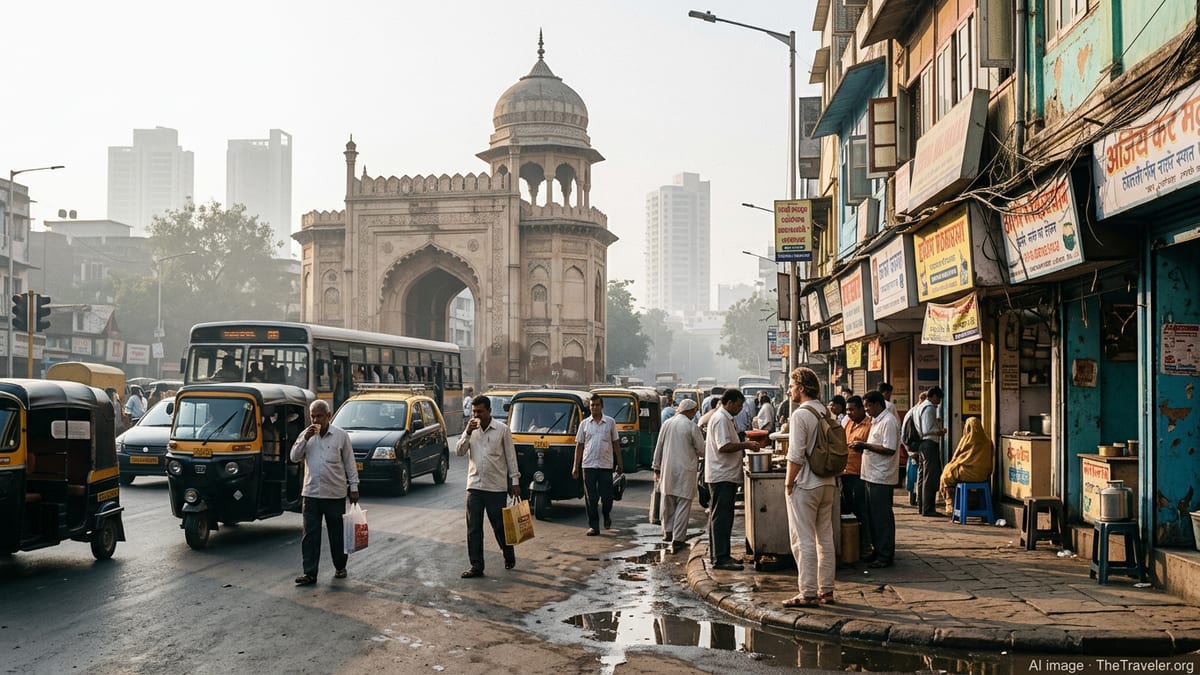
Many first-time visitors describe an “emotional rollercoaster” during their trip. India can be confronting: visible poverty, noise, pollution and congestion can sit side by side with beauty, kindness and deep hospitality. It is common to feel exhilarated one moment and fatigued the next. Building downtime into your itinerary, choosing a few multi-night stays rather than changing hotels every day, and allowing yourself time to process your experiences can help you stay grounded.
Politeness and patience go a long way. It is not unusual for plans to change at short notice due to traffic, weather, strikes, or local events. Adopting a mindset that treats such disruptions as part of the story rather than as failures can make your journey more enjoyable. Learning a handful of words in Hindi or the main language of the state you are visiting, such as greetings and “thank you,” is appreciated and can be an easy way to build rapport.
The Takeaway
Traveling to India for the first time is less about checking sights off a list and more about engaging with a country that is diverse, dynamic and sometimes contradictory. With realistic expectations, flexibility and a willingness to slow down, your trip is more likely to feel enriching rather than overwhelming. Planning around seasons, understanding how money and transport work, and taking a few simple safety and health precautions will put you in a strong position.
India will almost certainly challenge and surprise you, but it will also reward your curiosity. From quiet moments in temple courtyards to chaotic traffic circles that somehow function, from simple roadside meals to elaborate historic architecture, the experience is layered. If you give yourself permission not to “see everything,” focus on a few regions and remain open to detours, you are more likely to leave with a sense of connection and a desire to return.
Ultimately, the success of a first-time trip to India is shaped less by perfect logistics and more by attitude. Approach the country with respect, patience and a sense of humility, and you will find that many of the apparent barriers begin to soften. India is not always easy, but it is rarely dull, and for many travelers it becomes one of the most memorable journeys of their lives.
FAQ
Q1. Is India safe for solo travelers, including women, visiting for the first time?
India is generally safe for solo travelers who take sensible precautions, such as avoiding poorly lit areas at night, arranging trusted transport, choosing reputable accommodation and staying aware of surroundings. Many women travel solo successfully, but they often recommend dressing modestly, being cautious with alcohol in unfamiliar company and trusting your instincts if a situation feels uncomfortable.
Q2. How far in advance should I apply for my Indian visa?
Because processing times and rules can change, it is wise to check current guidance and then apply as soon as your travel dates and basic itinerary are confirmed. For many people this is four to six weeks before departure, allowing a buffer for any requests for additional information or technical issues with online systems.
Q3. Can I rely mainly on digital payments or do I still need to carry cash?
In major cities and tourist hubs you can increasingly use digital payments and cards, especially at hotels, larger restaurants and organized tours. However, cash in Indian rupees remains important for smaller shops, markets, tips, rural transport and occasional outages or connectivity issues, so most visitors carry a mix of digital options, cards and some cash.
Q4. What is the best way to get around for a two-week first-time trip?
For a typical two-week visit focused on a single region, many travelers combine one or two internal flights with a few train journeys and some car transfers. For example, you might fly into a major hub, travel between nearby cities by train or private car, and then fly out from another hub. Trying to cover very long distances overland in a short period often leads to fatigue.
Q5. How should I dress to be comfortable and respectful?
Loose, breathable clothing that covers shoulders and knees is practical for most of India and aligns with local expectations, especially at religious sites. Natural fabrics such as cotton and linen help in hot weather, while a light scarf can be useful for both sun protection and modesty. In very touristy or cosmopolitan neighborhoods you will see a range of styles, but erring on the modest side tends to attract less unwanted attention.
Q6. Will I have trouble with language if I only speak English?
English is widely used in airports, major train stations, hotels and many restaurants in larger cities and tourist areas. In rural regions and small towns, English may be limited, but you can usually get by with a combination of simple phrases, gestures, translation apps and help from younger locals, many of whom study some English at school.
Q7. What can I do to minimize the risk of getting sick from food and water?
Stick to sealed bottled or properly filtered water, choose busy eateries where food is cooked fresh to order, and favor dishes served hot rather than items that have been sitting at room temperature. Wash or sanitize your hands frequently, be cautious with raw salads and unpeeled fruits, and introduce very spicy or rich foods gradually if they are different from what you usually eat.
Q8. Is it realistic to work remotely while traveling in India?
Many people do work remotely in India, particularly from larger cities and popular digital nomad locations that have reliable broadband and coworking spaces. However, power cuts, patchy rural coverage and noise in budget accommodation can be challenges. If remote work is essential, prioritize stays in places with strong connectivity reviews and build some flexibility into your schedule.
Q9. How much should I tip in India?
Tipping practices vary, but small tips are customary for many services. In restaurants without a service charge, around 5 to 10 percent for good service is common in cities. Porters, drivers and guides usually appreciate modest cash tips based on the length and quality of service. At very high-end establishments, tipping expectations may be closer to international norms, while at simple eateries it is fine to leave change or a small amount.
Q10. How many regions should I include on my first trip?
For a first visit of about two weeks, focusing on one or at most two regions is usually more enjoyable than trying to see the entire country. For example, you might choose the Golden Triangle with an extra stop in Rajasthan, or combine Mumbai with Goa and part of Kerala. Slowing down reduces travel stress and allows more meaningful experiences in each place you visit.