

More news on this day
Escalating conflict in West Asia, spiralling aviation costs and cascading flight disruptions are beginning to reshape how Karnataka’s residents travel, with international holidays giving way to closer domestic breaks and regional detours.
Get the latest news straight to your inbox!
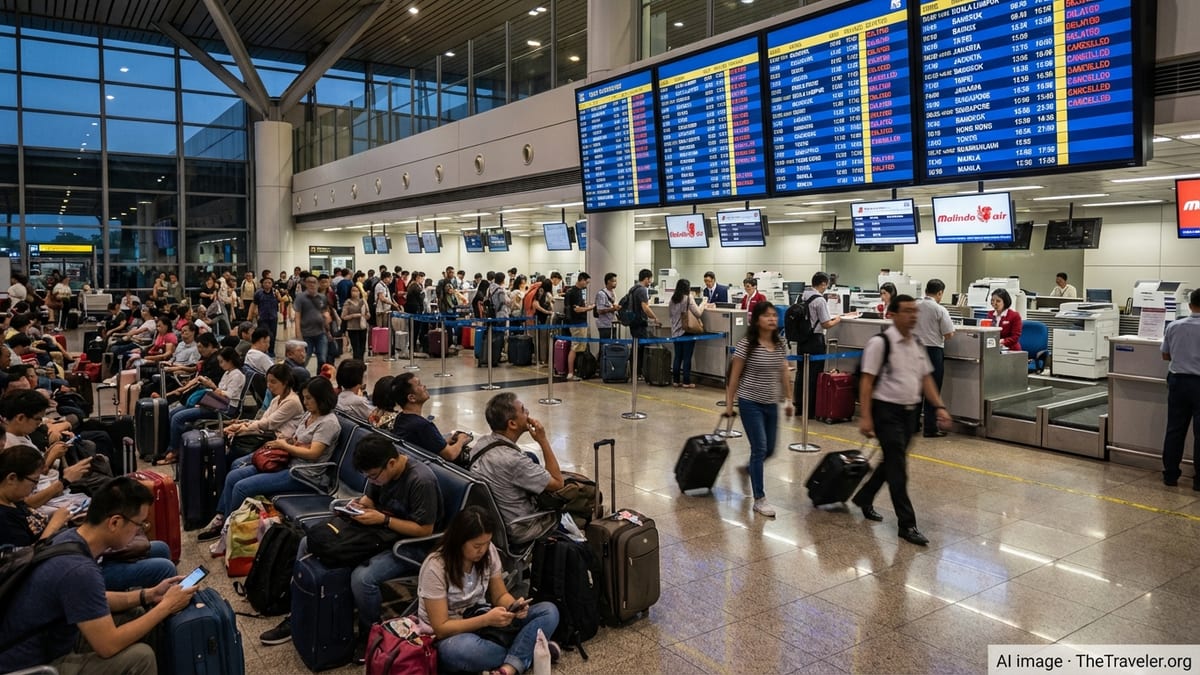
India–West Asia Routes Hit by Conflict and Cost Pressures
Air connectivity between India and West Asia has entered a turbulent phase as the Iran war, the Strait of Hormuz crisis and continuing airspace restrictions over parts of Pakistan and Iran push airlines onto longer, less efficient routes. Publicly available flight data and industry commentary show that carriers operating from Indian metros to hubs in the Gulf and beyond are adding significant flying time to avoid conflict-affected skies.
Reports indicate that since late February 2026, many westbound flights from India have been forced to detour over the Arabian Sea and via safer corridors over Oman, Saudi Arabia and Egypt before turning toward Europe, the United Kingdom or North America. Travel times on some long haul routes have stretched by several hours, undermining the appeal of one-stop connections that previously relied on West Asian hubs.
The operational strain has translated into higher fares. Coverage from Indian business dailies notes that war-risk insurance premiums on sectors linking India and the Gulf have jumped sharply, adding sizeable costs per flight on top of elevated aviation turbine fuel prices. In many cases, spot fares on India–West Asia routes are reported to be three to four times higher than typical levels during comparable periods in previous years.
For outbound travellers from Karnataka who typically connect through Bengaluru and Mangaluru to destinations such as Dubai, Doha or Muscat, the combined effect of longer journeys, fewer nonstops and steeper ticket prices is beginning to deter discretionary trips. Travel agencies tracking booking trends describe a softening of holiday demand into West Asia, particularly for middle class leisure travellers who are acutely sensitive to fare spikes.
International Travel from Karnataka Shows Signs of Strain
Karnataka has been among India’s stronger contributors to both domestic and international tourism, with official data placing the state in the top tier for visitor arrivals. Before the latest disruptions, residents of Bengaluru and other urban centres were fuelling steady growth in outbound travel to West Asia, Europe and Southeast Asia, supported by expanding air links and a rising appetite for overseas holidays.
The new phase of geopolitical and aviation volatility is now acting as a drag on that momentum. Industry trackers point to a cooling in international package bookings from Karnataka in the first quarter of 2026, particularly to Gulf leisure destinations that previously competed on affordability and convenience. Longer routings, the perception of regional instability and tighter airline schedules are all weighing on traveller sentiment.
Published coverage on the wider Indian market suggests that the impact is most pronounced on cost conscious travellers, who are reacting quickly to fare increases and schedule uncertainty. While premium corporate travel and essential trips by workers to the Gulf continue, non essential leisure travel appears more vulnerable to cancellation or postponement, a pattern that is consistent with previous episodes of regional conflict affecting aviation routes.
The effect on inbound foreign tourism into Karnataka is more nuanced. Tourism authorities had been targeting higher foreign arrivals under a multi year policy running to 2029, but the slowdown in long haul travel from Europe and parts of West Asia, combined with higher global airfares, is tempering expectations. International visitors who might have transited Gulf hubs to reach Bengaluru or coastal Karnataka are facing higher costs and reduced connectivity, which some are addressing by switching to alternative destinations or deferring travel altogether.
Rising Airfares and Airline Disruptions Squeeze Travellers
Beyond the specific India–West Asia corridor, travellers from Karnataka are caught in a broader wave of rising aviation costs. Global reports show that jet fuel prices have climbed sharply since the latest Middle East conflict disrupted oil supplies and shipping through key chokepoints. Airlines in India and abroad are responding with fuel surcharges and fare hikes, a trend that is especially visible on long haul sectors.
Major Indian carriers have publicly announced new domestic fuel surcharges and indicated that surcharges and higher fares will be extended in phases to international routes as cost pressures persist. For families planning overseas trips from Karnataka during upcoming school holidays, this means materially higher budgets, even before accounting for weaker currencies in some destinations and costlier travel insurance.
The fare shock comes on top of operational disruptions that have periodically unsettled Indian aviation over the past year, including large scale schedule issues at certain carriers and periodic congestion at major hubs. While these events are not confined to Karnataka, passengers from the state rely heavily on a small number of airlines and hub airports for international connections, making them particularly exposed to any cascade of cancellations or missed onward flights.
Travel businesses in Bengaluru report that customers are increasingly factoring in the risk of disruption when choosing destinations, preferring itineraries with fewer flight segments and greater flexibility. This risk aversion, combined with elevated prices, is pushing some travellers to reconsider far flung holidays in favour of shorter, more manageable trips within India.
Domestic Tourism Gains Ground Across Karnataka
As international trips become costlier and less predictable, domestic tourism within and beyond Karnataka is emerging as a relative winner. State level tourism statistics in recent years already showed that Karnataka commands a substantial share of India’s domestic travel market, with strong interest in heritage circuits, wildlife reserves and coastal getaways.
Recent coverage of coastal districts such as Dakshina Kannada highlights a surge in both domestic and foreign visitors compared with pre pandemic levels, suggesting that Karnataka’s beaches, temple towns and backwaters are capturing travellers who might previously have chosen destinations like Goa or international beach holidays. The trend appears to be continuing as residents weigh the convenience of overnight trains or short haul flights against the rising complexity of overseas travel.
Within the state, weekend and short break tourism from Bengaluru to hill stations such as Kodagu, Chikkamagaluru and the Western Ghats is benefiting from improved road connectivity and a growing inventory of homestays and boutique lodges. Publicly available policy documents indicate that the state government is prioritising tourism infrastructure investment through 2029, aiming to double domestic tourist numbers and strengthen lesser known circuits.
Outbound domestic travel from Karnataka to neighbouring states is following a similar pattern. Destinations in Kerala, Tamil Nadu and Andhra Pradesh that can be reached by overnight bus, train or a single short flight are attracting travellers who might otherwise have booked multi country itineraries via Gulf or European hubs. Tour operators are recalibrating their offerings accordingly, promoting rail based tours, self drive holidays and themed experiences within southern India.
Outlook: Shorter Horizons and Value Driven Choices
The emerging picture for Karnataka tourism is of a market that is not contracting outright, but rebalancing in response to external shocks. International travel, especially to and through West Asia, is under pressure from higher costs, airspace constraints and perceptions of instability. At the same time, domestic tourism is gaining depth as residents substitute long haul trips with shorter journeys that deliver better value and fewer logistical risks.
How durable this shift proves to be will depend largely on the trajectory of the West Asia conflict, the reopening of key air corridors and the eventual stabilisation of oil and jet fuel prices. If routes through the Gulf and surrounding airspace remain constrained for an extended period, airlines serving India may continue to trim capacity or maintain premium pricing on westbound sectors, prolonging the squeeze on outbound leisure demand from Karnataka.
For now, publicly available information suggests that tourism stakeholders in the state are leaning into domestic strengths, from heritage and nature based experiences to coastal and culinary tourism. As residents revisit familiar landscapes and discover new corners of their own and neighbouring states, Karnataka’s tourism economy is being reshaped not only by distant geopolitical tensions, but also by millions of individual decisions to travel a little closer to home.