

Indiana rarely clamors for attention, yet the state quietly shapes American life through its manufacturing towns, basketball legends, race cars, and a very particular brand of small-town civility known as Hoosier hospitality. For visitors, understanding Indiana is less about ticking off big-name sights and more about tuning into the rhythms of everyday life: Friday-night lights at high school fields, church pitch-ins, county fairs, and neighbors who will help push your car out of a snowdrift without a second thought. This guide unpacks the traditions, etiquette, and local quirks that define contemporary Indiana, so you can move through the state like an informed guest rather than a distant observer.
Understanding the Hoosier Identity
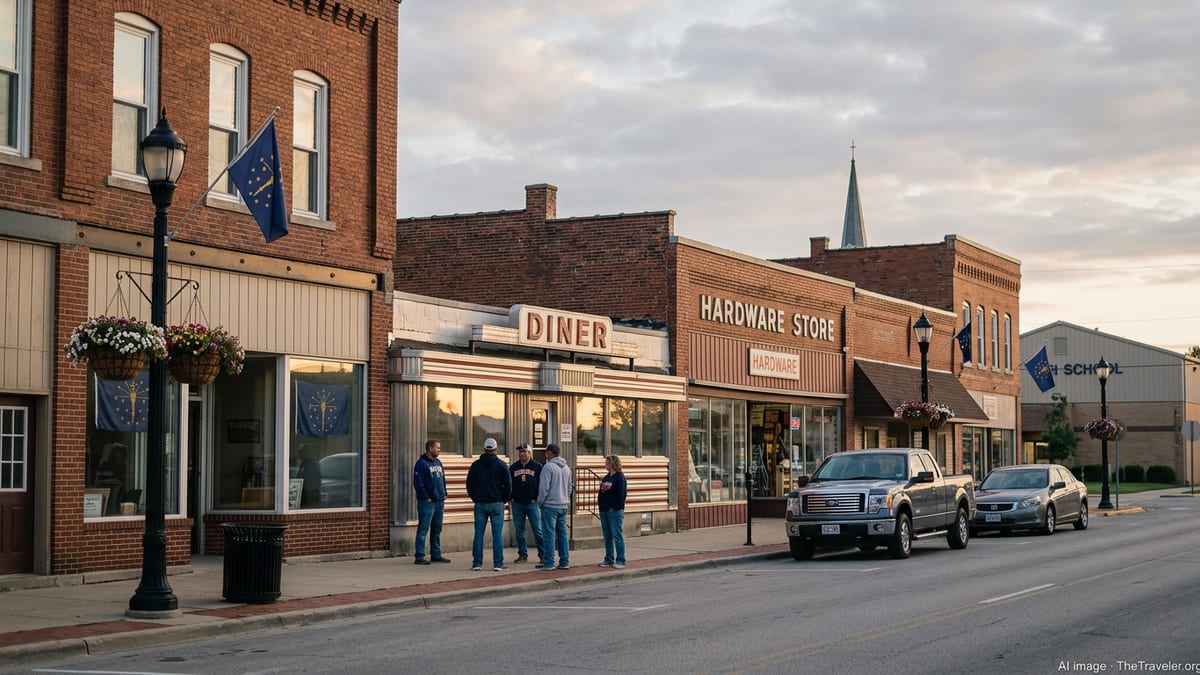
Locals call themselves Hoosiers, a term that is both official and deeply personal. Its exact origin is debated by historians, but for residents it signals a shared state identity that cuts across class and region. You will see the word everywhere, from small-town hardware stores and insurance agencies to the names of sports teams and arts organizations. To call yourself a Hoosier is to claim Indiana as home, even if you arrived later in life.
Hoosiers see themselves as practical, unpretentious people who value hard work and modesty. Bragging is frowned upon, but taking pride in a job well done is encouraged. Many families trace their roots back several generations, especially in rural counties, yet the state increasingly includes newcomers drawn by its universities, corporate headquarters, and relative affordability. This mix of long-established residents and new arrivals shapes a culture that is rooted but not closed.
Understanding Hoosier identity also means recognizing the state’s variety. Northern Indiana leans industrial and Great Lakes in character, central Indiana is dominated by Indianapolis and its suburbs, and southern Indiana feels almost Appalachian in its hills, river towns, and accents. The label “Hoosier” stretches to cover all of these worlds, giving visitors a helpful shorthand for the shared values beneath the regional differences.
For travelers, a good rule of thumb is to approach the word Hoosier with respect and curiosity. Using the term correctly signals that you have done at least a little homework, and locals tend to appreciate visitors who notice the cultural details that distinguish Indiana from its Midwestern neighbors.
Hoosier Hospitality: How People Interact
Hoosier hospitality is more than a tourism slogan. In practice, it means people often hold doors, say hello to strangers, and are quick with directions or recommendations if you look even mildly lost. In small towns, expect motorists to wave at each other on quiet roads, and do not be surprised if someone ahead of you at a diner pays for the coffee of a first responder, farmer, or teacher they recognize. It is a public politeness born from generations of tight-knit communities.
That said, hospitality here tends to be friendly but not effusive. Hoosiers can be reserved at first, especially with visitors who come across as loud or dismissive of local life. A smile, a simple “How are you?” and genuine interest in the area will usually open doors quickly. Pushing for personal details too soon, however, can feel intrusive. Let conversations unfold at their own pace, particularly in rural areas where privacy is valued.
When you are invited into someone’s home, it is polite to remove your shoes if you see others doing so, and to bring something small: a dessert from a local bakery, a bouquet, or even a six-pack of regional craft beer or soda. Hosts may insist that you are “no trouble at all” and wave off elaborate thanks. Accept their generosity, but follow up with a sincere message or note afterward if the visit was more than a brief stop.
In public settings, the interpersonal norm is courteous understatement. Many Hoosiers will avoid open confrontation, even when annoyed, preferring humor or subtle hints. If you make a mistake in etiquette, a simple apology and a light touch go a long way. The goal is mutual comfort rather than rigid correctness.
Everyday Etiquette: From Roads to Restaurants
Driving etiquette matters in a car-oriented state. Rural roads often have slow-moving farm equipment, especially during planting and harvest seasons. Locals expect you to be patient, give tractors and combines plenty of space, and only pass when clearly safe and legal. In winter, snow and ice can make highways tricky; Hoosiers respect drivers who slow down rather than those who barrel ahead. Using turn signals consistently and avoiding aggressive tailgating will mark you as a considerate guest.
At four-way stops and rural intersections, drivers often wave others through or insist you go first even when they have the right of way. This can feel confusing if you are used to stricter adherence to traffic rules, but it comes from the same impulse as holding doors for strangers. Try to communicate clearly with hand signals and eye contact, and if someone yields to you, a small wave of thanks is appreciated.
In restaurants, tipping customs align with broader United States norms. Standard gratuity is around 18 to 20 percent for full-service dining, and slightly less for counter service if there is a tip jar. Many local eateries are family-owned, and regulars often know the staff by name. You do not need to mirror that familiarity, but polite small talk and basic patience during busy times are seen as part of the social contract. Sending food back aggressively or snapping at staff will stand out negatively.
Dress codes are generally relaxed. In cities like Indianapolis, Bloomington, and Fort Wayne, you will see office attire during the day and smart casual outfits in the evening at better restaurants or theaters. In small towns, jeans, work boots, and team sweatshirts are the norm, even for church events and community gatherings. Overdressing rarely offends, but looking extremely flashy or brand-obsessed can be read as pretentious in more modest communities.
Sports, Seasons, and Community Rituals
To understand local life, pay attention to the sports calendar. Indiana treats basketball almost like a secular religion, especially at the high school level. Small towns rally around their teams, and Friday-night games in winter can fill old-school gymnasiums with neighbors of every age. The iconic fieldhouses, some of them vast relative to the town size, speak to decades of devotion. Attending a game is one of the quickest ways to experience Indiana community life from the inside.
College athletics also shape identity. Fans of major universities wear their colors year-round, and you will hear long-running debates about basketball, football, and historic tournaments. During March college basketball tournaments, talk at offices and diners centers on brackets and upsets. If you show a passing interest or ask a local for their team’s story, be prepared for a detailed response and a few gentle rivalries.
May brings the world-famous motor race at the Indianapolis Motor Speedway, which turns parts of central Indiana into a festival zone of tailgates, parades, concerts, and backyard gatherings. Even residents who never attend the race often host cookouts or watch with friends. The atmosphere around race weekend highlights another Hoosier trait: enthusiasm for big events paired with a relaxed, picnic-style approach to celebration.
Throughout the year, county fairs, church festivals, and seasonal farm events provide the backbone of the social calendar. Summer is packed with fairgrounds bustling with livestock shows, demolition derbies, midway rides, and food stands serving tenderloin sandwiches and funnel cakes. Autumn brings pumpkin patches, apple orchards, and harvest festivals. Participating in these rituals, even briefly, offers a window into how Hoosiers blend work, family, and fun.
Faith, Food, and Gathering Around the Table
Religion plays a visible role in many communities, particularly in smaller towns and rural counties where churches act as social anchors. Sunday services, youth groups, and church-based volunteer efforts shape weekly routines. Even if you are not religious, you will encounter church signs announcing fish fries, pancake breakfasts, and seasonal festivals open to the entire community. Attending a public event hosted by a church is common and generally comfortable for people of all backgrounds, provided you are respectful of the setting.
One of the most distinctive social rituals is the pitch-in, similar to a potluck. Guests bring homemade or store-bought dishes to share, and tables quickly fill with casseroles, salads, pies, and slow-cooked meats. If you are invited to a pitch-in, contributing a dish is a sign of respect. Ask the host what would be helpful; they may steer you toward something simple if they know you are traveling. The spirit of the event is abundance and sharing rather than culinary perfection.
Indiana cuisine reflects its agricultural roots as well as the influence of immigrant communities. Classic comfort foods include breaded pork tenderloin sandwiches, sugar cream pie often celebrated as a symbol of state heritage, fried chicken, mashed potatoes, and sweet corn when in season. In cities and university towns, you will also find robust international food scenes, from Mexican and Vietnamese restaurants to Middle Eastern bakeries and South Asian groceries. Locals often move easily between a farm-style breakfast one day and a global street-food stall the next.
Table manners are straightforward and informal. Food is often served family-style at gatherings, with encouragement to “get you some more” offered repeatedly. It is polite to accept at least small portions of dishes people proudly describe as their specialty. Compliments on the food are appreciated, and many Hoosiers enjoy sharing family recipes or local restaurant tips when asked.
Urban vs. Rural: Different Rhythms, Shared Values
Indiana’s cities and small towns operate at different speeds, but share some core cultural expectations. In Indianapolis, Fort Wayne, Evansville, South Bend, and other urban centers, you will find contemporary arts scenes, craft breweries, co-working spaces, and diverse neighborhoods. Residents here may be more accustomed to transplants and visitors, and conversations often center on careers, new restaurants, and city development. Public transit options are limited compared with coastal cities, so ride-shares and cars remain central to daily life.
In rural Indiana and small towns, life is more tightly bound to the land and to long-standing institutions like schools, churches, and civic clubs. People often know each other across generations, and reputation carries weight. Newcomers and visitors are usually welcomed, but it can take time to move from being a polite stranger to being seen as part of the fabric of the community. Participating in volunteer efforts, attending local festivals, and supporting small businesses are ways to bridge that gap.
Across both settings, Midwestern modesty is a common thread. Flashy displays of wealth, overt name-dropping, or harsh criticism of local ways can feel jarring. On the other hand, expressing genuine admiration for a town’s historic courthouse, community theater, or independent bookstore will frequently spark enthusiastic conversation. Hoosiers are often proud of what they have built locally, even if they discuss it in understated terms.
Visitors who adjust their expectations to Indiana’s pace often find interactions richer. Things may take a little longer, whether it is waiting for your food at a beloved diner or watching a volunteer-run festival come together. Patience, curiosity, and a willingness to slow down are among the most valuable forms of etiquette you can bring with you.
Diversity, Heritage, and Emerging Cultural Voices
While many outsiders picture Indiana as uniformly rural or white, the state’s cultural landscape is more nuanced. Indigenous communities, particularly from Miami and other Native nations, maintain a presence that predates statehood and continue to share their heritage through educational events, powwows, and collaborations with museums and civic groups. Respectful engagement means listening first, honoring boundaries around sacred practices, and recognizing that Native life is contemporary rather than confined to the past.
Indiana also has significant African American, Latino, and Asian American communities, especially in cities and university towns. These residents shape local culture through festivals, food, churches, arts organizations, and neighborhood events. You may encounter everything from cultural heritage parades to language-focused community centers and international film or music festivals. For visitors, these spaces offer a way to experience Indiana not just as a generic Midwest, but as a place where global and local influences meet.
Immigrant histories run deep as well, including strong German, Irish, Eastern European, and more recent refugee communities. Their legacies show up in church architecture, social clubs, street names, and long-standing bakeries and delis. Seasonal events tied to these heritages, such as certain holiday markets or cultural society gatherings, blend old-world customs with Hoosier informality. If you attend such an event, observe how traditions are adapted to Indiana’s landscape of fields, rivers, and brick main streets.
Contemporary initiatives by humanities groups, museums, and local historians increasingly highlight underrepresented stories across the state. Many communities are working to preserve oral histories, support young artists, and document changing neighborhoods. As a visitor, you can support these efforts simply by showing up, buying a ticket, and listening closely to the people who call Indiana home.
Conversation Topics, Local Taboos, and Social Nuance
Hoosiers are often open to conversation with strangers, but certain topics and tones work better than others. Safe bets include sports, the weather, local food spots, hometown history, and family-friendly events. Asking where to get the best tenderloin sandwich, how the high school team is doing this season, or what festival is coming up next will usually lead to a warm exchange. Many residents relish the chance to share lesser-known attractions like covered bridges, riverside parks, or favorite walking trails.
Politics and national cultural debates can be sensitive, as Indiana includes a wide spectrum of views. If such topics arise, watch for cues about how comfortable people are with disagreement. Humor is often used to soften differences, and direct confrontation is less common in casual settings. As a visitor, it is usually best to listen more than you talk when conversations drift into local controversies or statewide policy debates.
One reliable faux pas is speaking dismissively of Indiana or the broader Midwest as “flyover country.” Many Hoosiers are quietly proud of their state’s contributions to music, literature, sports, agriculture, manufacturing, and medical research. Light teasing about unpredictable weather or passionate sports fandom is generally fine, but comments that paint Indiana as backward or uninteresting can land poorly. Framing your curiosity in positive terms, on the other hand, often leads to memorable stories.
Jokes about accents or perceived ruralness should also be handled with care. Indiana includes urban professionals, farmers, factory workers, university scholars, and everything in between. People do not necessarily see themselves as caricatures of small-town life, even if they embrace rural roots. Approach each person as an individual first, with stereotypes held at a distance.
The Takeaway
Indiana culture is neither flashy nor easily summarized. It lives in modest gestures, in the careful passing of recipes and rituals, in gymnasiums that roar for teenage basketball players, and in neighbors who clear one another’s driveways after a snowstorm. To experience the Hoosier way of life, you have to enter into these ordinary moments with attention and respect.
For travelers willing to slow down and listen, Indiana offers a chance to see how community and continuity still matter in modern America. You will encounter a blend of deep-rooted traditions and evolving voices, of small-town rhythms and urban experiments, all held together by a shared commitment to hospitality and practical kindness. Arrive curious, participate when invited, and you will leave with a sense that the word Hoosier carries far more meaning than a simple demonym on a state welcome sign.
FAQ
Q1. What does the word “Hoosier” actually mean in Indiana?
In Indiana, Hoosier is the accepted term for a resident of the state and is generally worn as a badge of local pride, regardless of its debated historical origin.
Q2. How should visitors show respect for Hoosier hospitality?
Be polite, say thank you, accept help graciously, and avoid speaking down about local life. Small gestures of appreciation, like a follow-up thank-you message, go a long way.
Q3. Is Indiana mostly rural, or are there vibrant cities to explore?
Indiana has both. Indianapolis, Fort Wayne, Evansville, South Bend, Bloomington, and other cities offer arts, dining, and nightlife, while many smaller towns provide a quieter, agricultural rhythm.
Q4. What are some uniquely Hoosier foods I should try?
Seek out a breaded pork tenderloin sandwich, sugar cream pie, sweet corn in season, and local takes on fried chicken, biscuits, and hearty Midwestern breakfasts.
Q5. How important is basketball to everyday life in Indiana?
Basketball is deeply woven into community identity, especially at the high school and college levels. Attending a game is a classic way to experience local culture.
Q6. Are there any dress-code expectations for visitors?
Dress is mostly casual. Jeans and team gear are common, even at community events. Smart casual attire works well in city restaurants and theaters, but formality is rarely required.
Q7. What should I know about driving etiquette in Indiana?
Be patient with farm equipment on rural roads, use turn signals consistently, drive cautiously in winter conditions, and acknowledge courteous drivers with a friendly wave when appropriate.
Q8. Is it acceptable to attend church or community festivals as a non-member?
Yes. Public church festivals, fish fries, pancake breakfasts, and fairs are generally open to everyone. Visitors are welcome as long as they behave respectfully.
Q9. How diverse is Indiana’s culture today?
Indiana includes Indigenous communities, long-established immigrant groups, and growing African American, Latino, Asian American, and international student populations, especially in cities and college towns.
Q10. What topics should I avoid when talking with Hoosiers?
Avoid dismissive comments about the Midwest, and be cautious with politics or stereotypes about rural life. Positive curiosity about local history, sports, and food is usually the best starting point.