

Indiana rewards travelers who look beyond the interstate. From lively cities and quiet college towns to sandstone gorges, hardwood hills, and the wild sweep of Lake Michigan, the Hoosier State is made for a road trip that mixes urban culture with time outdoors. This itinerary links Indiana’s signature cities with beloved state parks and the shifting sands of Indiana Dunes National Park, giving you a clear, practical plan for several days on the road.
How Many Days You Need and When To Go
To connect Indiana’s cities, classic parks, and the dunes at an enjoyable pace, plan on five to seven days. That gives you time for at least one full day in Indianapolis, a scenic detour through Brown County and other south central parks, a city stop such as Bloomington or Fort Wayne, and two days around Indiana Dunes National Park and Indiana Dunes State Park on Lake Michigan. If you have less time, you can still sample this route in a long weekend by focusing on Indianapolis and the dunes, with a single scenic stop in between.
Spring and fall are the most comfortable seasons for this trip. April and May bring wildflowers to forest trails and usually mild temperatures for city walking. Late September through October is prime foliage season in southern parks such as Brown County, when ridgelines turn copper and gold and viewpoints look out on rolling color. Summer is peak beach season at the dunes, with warmer lake water and lifeguarded beaches at selected areas, but it can be hot and busy, particularly on weekends and holiday periods. Winter trips are possible and much quieter, though you should be prepared for snow, ice, and limited services in some park areas.
For most visitors, renting a car is the simplest option, since it allows you to connect smaller towns and trailheads efficiently. Distances are manageable: it is roughly three hours from Indianapolis to the dunes area, and many state parks lie only a short detour from the main north south corridors. If you prefer to rely on public transport for a portion of the journey, you can use the train from Chicago to reach the dunes region and then rent a car locally, but you will still want a vehicle to explore trailheads and nearby towns.
Whatever season you choose, keep an eye on local event calendars for Indianapolis and college towns like Bloomington or West Lafayette. Major sports events, festivals, and commencement weekends can affect hotel prices and availability. At the dunes, weekend parking lots can fill during sunny summer days, so an early start or midweek visit makes the experience more relaxed.
Starting in Indianapolis: Culture, Canals, and Green Space
Begin your Indiana itinerary in the state capital, Indianapolis, a city that mixes sports heritage with riverfront green space and a compact downtown core. White River State Park stretches along the water near the center, with a network of paths and lawns that connect several of the city’s major attractions. Within walking distance you can visit museums, an urban zoo, and public gardens, then step back onto the riverside trail for a sunset stroll or bike ride.
Downtown, the Canal Walk offers an easy way to stretch your legs after a flight or drive. The waterside path follows a reconstructed stretch of the historic Central Canal, passing under arched bridges and beside public art and apartment terraces. It is a relaxed introduction to the city and a useful landmark for orienting yourself, with nearby access to restaurants and hotels. In the evening, many travelers choose to stay in the Mile Square area, which puts you close to dining, entertainment, and the statehouse district.
If you want a deeper look at Indiana’s story before you head into the rest of the state, set aside a morning or afternoon for the Indiana State Museum in White River State Park. The exhibits trace geology, natural history, and cultural change, giving context for the landscapes you will drive through later in the week. Families often combine the museum with a few hours at the nearby zoo to keep all ages engaged. Sports fans may prefer to tour the famed motor speedway in the western part of the city, where race history and behind the scenes visits provide a different slice of local culture.
Indianapolis also serves as a practical base for picking up a rental car, stocking up on supplies, and adjusting to the time zone if you have flown in from farther away. The city’s ring of freeways can be busy during rush hour, so it is worth planning your departure for midmorning or early afternoon when you head out toward the parks. From here you can aim south for forested hills, or angle north toward college towns, depending on how you want to balance city time with outdoor stops before reaching the dunes.
South Central Indiana: Brown County and Classic State Parks
For many travelers, the ideal counterpoint to Indianapolis is the hill country of south central Indiana. About an hour’s drive south of the capital, the landscape shifts from flat farmland to rolling ridges cloaked in hardwood forests. Brown County State Park, just outside the artsy town of Nashville, is one of the best known destinations in this region and a natural fit for this itinerary. Its scenic overlooks, wooded trails, and winding park roads showcase a side of Indiana that surprises visitors who expect only plains.
Plan to spend at least a half day here, more if you enjoy hiking or photography. Trails range from short loops through oak and hickory forest to longer ridge routes with views over valleys and lakes. In autumn the foliage can be spectacular, drawing leaf peepers from across the Midwest. At other times of year, the park is quieter and offers a calmer experience of the same scenery. The historic lodge and picnic shelters give the area a classic state park atmosphere, and roads are usually well maintained, though they can be steep in places.
Nearby Nashville makes a convenient lunch or overnight stop, with galleries, cafes, and small inns clustered along walkable streets. The town leans into its reputation as an artists’ colony, and you may find local pottery, painting, and woodwork that nods to the surrounding forests. Travelers who prefer an even quieter base may choose cabins or campgrounds inside the park or at smaller properties tucked into the hills. Wherever you stay, this part of the trip is about slowing down and enjoying the contrast between city streets and wooded backroads.
If you have extra time in the region, other state parks such as Turkey Run and McCormick’s Creek offer additional canyon and creek-side scenery farther west and southwest. These parks are known for their sandstone ravines, suspension bridges, and shaded trails, and they can be worked into the itinerary as alternative or additional stops depending on your route. Even a brief hike through a rocky gorge helps round out your sense of Indiana’s varied landscapes before you turn north toward the sand and surf of Lake Michigan.
College Towns and Northern Cities on the Way to the Dunes
As you leave the hills and forests of south central Indiana, you can thread your way through one or more college towns and northern cities to break up the drive to Lake Michigan. Bloomington, home to Indiana University, is a natural choice if it was not already your base for Brown County. The campus and surrounding neighborhoods are particularly lively during the academic year, with music, theater, and international dining that reflect a diverse student population. Strolling the limestone buildings and tree-lined quads offers a pleasant contrast to state park trails.
Farther north, cities such as Lafayette and West Lafayette, home to Purdue University, or the growing communities around Indianapolis like Carmel and Fishers, present options for a meal or overnight stop. Many of these places have invested in greenways, small parks, and riverfront paths, which means you can still stretch your legs between highway segments. Families might choose a stop where there are interactive museums, small zoos, or seasonal festivals, while food focused travelers may gravitate toward downtowns with independent restaurants and breweries.
As you approach the northern tier of the state, Fort Wayne and South Bend are the two largest city options. Fort Wayne has been building a reputation for revitalized riverfront spaces and a compact downtown, while South Bend appeals to travelers interested in the University of Notre Dame campus and its leafy surroundings. Either city works as a staging point if you prefer to arrive at the Lake Michigan shoreline earlier in the day; they also give you a chance to refuel, resupply, and check weather conditions before committing to beach plans.
Whichever route you choose, aim to reach the dunes region with at least one full day remaining on your itinerary and ideally two. The south shore of Lake Michigan looks deceptively close on the map, but you will enjoy it most if you have time to explore more than one beach, hike at least one signature trail, and linger in nearby towns such as Chesterton or Michigan City. Plan your last inland stop so that the final drive to the dunes is relaxed and you are not rushing to beat sunset or fight late day congestion.
Indiana Dunes National Park: Shores, Trails, and Ecology
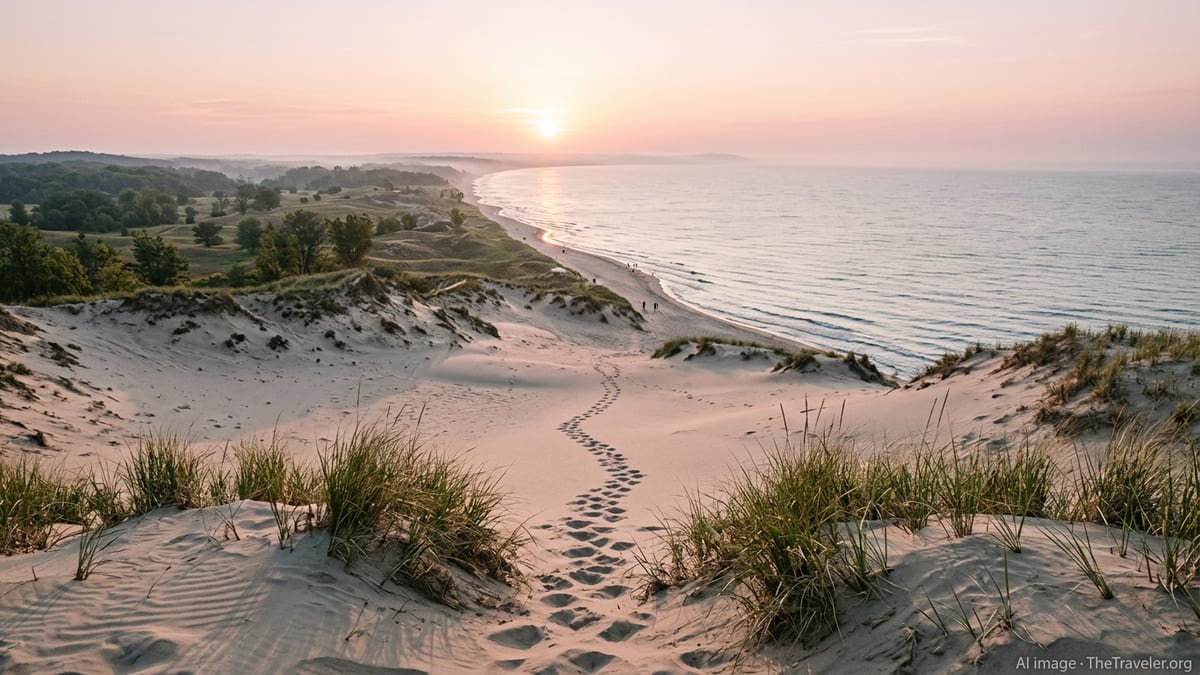
Indiana Dunes National Park stretches along roughly 15 miles of Lake Michigan shoreline, a mosaic of beaches, dunes, marshes, and wooded areas shaped by wind and waves. The park is relatively compact compared with many western national parks, yet it contains a surprising diversity of habitats. Within short drives you can move from open beach to oak savanna, from marsh boardwalks to dune ridge viewpoints. Visitors often combine a morning of hiking with an afternoon of swimming or relaxing on the sand, adjusting plans according to weather, water conditions, and energy levels.
A practical first stop is the main visitor center near Chesterton, where rangers can provide current information on beach conditions, trail closures, and seasonal events. In recent years, park publications have emphasized both the fragile nature of the dunes and the opportunities for responsible recreation, including ranger led walks, beachcombing programs, and wildlife viewing. Picking up a paper map here is helpful even if you rely on digital navigation, because cell service can be spotty in some pockets of the park and surrounding state park.
Among the park’s most popular hikes are the dune succession trails that climb from parking areas to elevated boardwalks and overlooks. At West Beach, a signed route leads up a series of stairs through shifting sand and scrubby forest to high points where you can look across the lake toward the Chicago skyline on clear days. Other trails, such as those around Cowles Bog or the Great Marsh, focus more on wetlands and birdlife, with sections of boardwalk and packed earth paths. These routes are appealing in cooler parts of the day, especially in summer when midafternoon sun and sand can be intense.
Beach access points vary in character. Some, like West Beach, have broader stretches of sand, designated swimming areas in season, and nearby facilities. Others are more compact or quieter, with smaller parking lots and a short walk from car to shoreline. Lake Michigan is a large inland sea, and conditions can change quickly; waves, currents, and water temperature deserve respect even on calm looking days. Where lifeguards are present in summer months, it is wise to stay within their view. Outside that period, visitors assume greater responsibility for assessing conditions and should heed park advisories.
Indiana Dunes State Park and Nearby Towns
Bordering the national park and effectively surrounded by it, Indiana Dunes State Park offers another concentrated pocket of trails and shoreline. The park protects more than 2,000 acres of dunes, forests, wetlands, and beach, with a nature preserve forming much of its eastern half. Many visitors consider this state park the best single base if they want to combine hiking and swimming in one easily managed area, since trailheads, a nature center, and a broad main beach lie within a short drive of each other behind a single entrance gate.
One of the park’s signature experiences is the challenge route that links three of the tallest dunes in the area. The hike is short on paper but steep and sandy in practice, rewarding persistence with elevated views of the lake and the rolling dune landscape. Other trails loop through shaded forest, skirt wetlands, or climb more gently along ridge lines, giving options for a range of fitness and mobility levels. A nature center near the base of several routes offers exhibits on local plants, animals, and glacial history, along with occasional ranger or naturalist talks.
The main swimming beach here includes a long arc of sand backed by dunes and, in season, staffed lifeguard stands. Families appreciate the relatively contained feel of the area, with restrooms, concessions when operating, and a short level walk from parking to the water. On hot summer weekends, the park can reach capacity, so arriving early or visiting on weekdays can make parking and finding a spot on the sand easier. Outside peak season, the same beach becomes a peaceful place for walks, birdwatching, and photography in softer light.
Just outside the park boundaries, small communities provide lodging, dining, and additional recreation. Chesterton in particular serves as a friendly gateway town, with hotels, bed and breakfasts, cafes, and brewpubs that cater to park visitors. Trails and multipurpose paths connect parts of the town with nearby natural areas, making it possible to park your car for stretches of time and explore on foot or by bike. A bit farther east, Michigan City offers more urban amenities, outlet shopping, and a lakeside park and lighthouse. Staying in one of these towns allows you to visit the dunes early and late in the day while avoiding midday congestion.
Suggested Day by Day Indiana Road Trip Itinerary
This itinerary assumes a six day trip starting and ending in Indianapolis, with a rental car and a moderate pace. Adjust the number of days in each segment according to your interests and energy levels. The goal is not to tick every box, but to experience a representative cross section of Indiana’s cities, parks, and coastal dunes without feeling rushed.
On Day 1, arrive in Indianapolis, check into a downtown hotel, and spend the afternoon walking along the Canal and through White River State Park. Visit one major attraction such as the Indiana State Museum, the zoo, or a sports related site, then enjoy dinner in one of the city’s dining districts. Use the evening to orient yourself and finalize your route for the days ahead, taking note of current weather and park advisories.
Day 2 takes you south to Brown County State Park and Nashville. Leave Indianapolis midmorning to avoid the heaviest commuter traffic and arrive in time for a picnic lunch with a view from one of the park’s overlooks. Spend the afternoon hiking an easy to moderate trail through the forest or exploring the park roads by car. Stay overnight either in the park or in nearby Nashville, where you can stroll among shops and galleries in the evening.
On Day 3, work your way north toward your chosen city stop, such as Bloomington, Lafayette, or Fort Wayne, using the drive as a chance to see how the landscape changes from hills back to farmland and then toward more urban surroundings. Plan a walk through campus or along a riverside path, and use the overnight here to rest up before the longer push to the dunes. If you are short on time, you can compress this section by driving directly from Brown County to the dunes area, but including a city stop en route keeps the itinerary balanced.
Day 4 and Day 5 are devoted to Indiana Dunes National Park and Indiana Dunes State Park. Base yourself in Chesterton or Michigan City and alternate between national and state park trailheads. One day might focus on dune succession hikes and a late afternoon swim at a broad beach, while the other centers on wetland trails, a visit to the nature center, and a relaxed shoreline walk near sunset. If the weather is hot, schedule the steepest sand climbs early in the morning or in the evening and reserve midafternoon for water time or shaded walks.
On Day 6, make your way back to Indianapolis or onward to your next destination. If you are returning to the capital, you might leave the dunes region after an early beach stroll and aim to reach the city by midafternoon, leaving time for a final dinner downtown before departure the following morning. Travelers with evening flights may be able to drive directly to the airport with a brief detour to return rental cars and check in. Always build in a cushion for traffic, particularly near Indianapolis, and for any last minute stops along the way.
Practical Tips for Driving, Safety, and Reservations
Because this itinerary strings together cities, state parks, and a national park, practical planning makes a significant difference in how relaxed the trip feels. Make lodging reservations in advance, especially for stays in or near Brown County State Park and around Indiana Dunes during peak seasons. Park lodges, cabins, and nearby small inns can book out weeks or even months ahead for fall foliage and midsummer weekends. If you plan to camp, check reservation windows for both state park and national park campground options and confirm current regulations regarding fires, quiet hours, and equipment.
Weather can change quickly across the state, particularly near Lake Michigan where breezes can keep shoreline areas cooler than inland towns in summer and intensify cold in winter. Pack layers, including wind resistant outerwear for the dunes, and sturdy footwear for sand and uneven trails. Even relatively short dune hikes can feel strenuous because of the soft footing, and sun exposure on ridges can be intense. Carry water and sun protection on every outing, and be mindful that cell reception may vary along portions of the shoreline and in deeper ravines or forests.
On the driving side, Indiana’s major highways are generally straightforward, but traffic around metro areas can slow at typical commuter times. Using a navigation app that updates in real time helps you adjust routes around construction or congestion. Fuel and food options are plentiful along main corridors, but within state parks and near some trailheads services can be limited, so it is wise to top up the tank and carry snacks. In winter, check for weather advisories before setting out, and consider flexible plans if snow or ice affects roads or park access.
Respect for local regulations and natural environments is essential throughout this itinerary. At the dunes, pay close attention to signs indicating closed areas, unstable slopes, or restricted access near sensitive habitats. Stay on marked trails where requested to avoid erosion and to protect vegetation. In both the national park and state parks, follow standard Leave No Trace principles: pack out all trash, keep wildlife at a distance, and avoid loud noise that can disrupt both animals and fellow visitors. Doing so not only preserves the landscapes you came to see, but also helps ensure that future visits retain the same sense of wildness and calm.
The Takeaway
An Indiana trip that links cities, parks, and dunes reveals a state that is far more varied than its interstate views suggest. In a single week you can walk a downtown canal, peer into sandstone gorges, wander through hardwood forests, and stand on a windblown dune looking out over the vast blue of Lake Michigan. Each segment of the journey offers a distinct mood, from Indianapolis energy to Brown County quiet and the restless shore of the dunes.
With thoughtful pacing, seasonal awareness, and a willingness to explore beyond the obvious, this itinerary becomes more than a sequence of stops. It turns into a connected portrait of Midwestern life and landscape, where university towns, small communities, and protected natural areas form a single route. Whether you come for beaches, fall color, or a blend of culture and hiking, Indiana offers a road trip that feels approachable yet surprisingly rich, leaving you with a clearer sense of the Hoosier State and a strong temptation to return.
FAQ
Q1. How many days do I need for an Indiana trip that includes the dunes?
Most travelers are comfortable with five to seven days, which allows at least one full day in Indianapolis, one or two days in south central parks, and two days around Indiana Dunes.
Q2. Can I visit Indiana Dunes as a day trip from Indianapolis?
Yes, it is possible as a long day trip of several hours driving each way, but staying one or two nights near the dunes creates a far more relaxed experience.
Q3. Do I need a car to follow this itinerary?
A car makes this itinerary much easier because it connects cities, state parks, and the dunes efficiently, and many trailheads are not served by public transport.
Q4. What is the best season to hike in Brown County State Park?
Spring and fall are ideal, with cooler temperatures and either wildflowers or colorful foliage. Summer can be warm but still pleasant on shaded trails.
Q5. Are the dune hikes suitable for children?
Many families enjoy dune trails, but steep sandy climbs can be tiring. Choose shorter routes, go early or late in the day, and bring plenty of water and sun protection.
Q6. Is swimming allowed at Indiana Dunes National Park and Indiana Dunes State Park?
Swimming is allowed at designated beaches, although conditions can change quickly. In summer some areas have lifeguards, while at other times you swim at your own risk.
Q7. Do I need separate passes for the national park and the state park?
Yes, the national park and the state park are managed by different agencies, so parking or entrance fees are generally collected separately at their respective access points.
Q8. Can I camp near the dunes?
Camping is available at selected campgrounds in and around the dunes region, but sites often require advance reservations, especially for peak summer and fall weekends.
Q9. How crowded do the dunes get in summer?
On sunny weekends and holidays, parking lots at the most popular beaches can fill and some areas may temporarily restrict entry, so arriving early or visiting on weekdays helps avoid congestion.
Q10. Is this itinerary suitable in winter?
Yes, but winter trips require flexibility and preparation for snow and ice. Some facilities and programs operate on reduced schedules, and trails can be slippery or partially closed.